Whether an Untested Samoyed Litter Is Worth Buying
The moment you see those fluffy, smiling Samoyed puppies, it’s easy to get swept away. But then you encounter a litter where the breeder hasn't performed the recommended health tests on the parents, and suddenly, that dream puppy comes with a confusing question mark. It's a truly frustrating dilemma that leaves many prospective owners wondering if they should risk it for a potentially lower price. This guide is here to walk you through why buying an untested Samoyed litter can introduce significant, heartbreaking challenges, detailing the breed-specific health concerns and what proper health screening truly means for the well-being and longevity of your future Samoyed companion.
The Hidden Truth About Untested Samoyed Litters
The Allure of the 'Good Deal' and Its Real Cost
It's understandable to be drawn to a Samoyed puppy that seems like a "good deal." Perhaps it's priced a bit lower than others, or it's available right when you're ready, without a long waitlist. The immediate emotional pull of a fluffy, happy-looking puppy is incredibly strong, and the thought of bringing one home can override a lot of logical questioning. You might even rationalize that if the puppy looks healthy, then it must be healthy.
However, this initial "good deal" can be incredibly deceptive, holding a much higher, hidden cost that often isn't measured in dollars but in heartache, stress, and unimaginable veterinary bills down the line. A healthy puppy is rarely an accident; it is the culmination of careful planning, responsible breeding practices, and a significant investment in the health and genetic soundness of the parent dogs. Cutting corners on these essential steps to save money upfront inevitably transfers a massive financial and emotional burden onto the unsuspecting buyer.
Many serious health issues in Samoyeds aren't visible in an eight-week-old puppy. They are genetic time bombs, ticking away silently, often manifesting only when the dog is older, sometimes much older, and when treatment options are limited or prohibitively expensive. This makes the decision to purchase an untested puppy a profound gamble, not just with your wallet, but with the emotional fabric of your family.
What "Untested" Really Means for a Samoyed
When a breeder states their Samoyed litter is "untested," it doesn't mean the puppies are healthy by default, nor does it imply they are inherently unhealthy. What it does mean is that the breeder has chosen to forgo the scientific tools and established protocols designed to minimize the risk of passing on known hereditary diseases within the Samoyed breed. It suggests a lack of understanding, or perhaps a disregard, for the specific genetic predispositions that Samoyeds face.
Reputable breeders utilize various health certifications and DNA tests to screen their breeding stock, ensuring they are not unknowingly perpetuating genetic diseases that can cause immense suffering. Without these tests, a breeder is essentially breeding blind, relying purely on the physical appearance of the parents and their anecdotal health history. This approach might have worked centuries ago, but with modern veterinary science, it's an unnecessary and potentially cruel gamble.
Many critical health problems, such as certain kidney or eye conditions, don't show obvious signs in the parents or young puppies. A parent dog might be a carrier for a devastating gene, or have mild hip laxity that doesn't affect their daily life but can lead to severe dysplasia in their offspring. "Untested" means these potential issues are unknown, unaddressed, and therefore, a risk you inherit with your new puppy.
Key Health Concerns That Demand Testing in Samoyeds
Samoyeds, like all purebred dogs, have certain health predispositions that responsible breeders actively screen for. Ignoring these known risks is not only irresponsible but can lead to a lifetime of challenges for both the dog and its owner.
Samoyed Hereditary Glomerulopathy: The Silent Killer
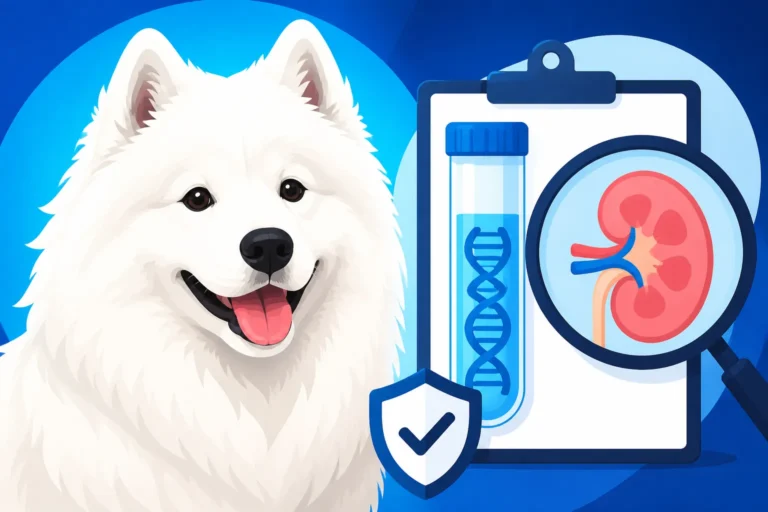
One of the most critical and heartbreaking conditions in the Samoyed breed is Samoyed Hereditary Glomerulopathy (SHG), an X-linked hereditary kidney disease. This condition is a silent killer, primarily devastating males, often before they reach fifteen months of age. For a deep dive, you can read more about The Kidney Disease That Kills Samoyed Males Before Fifteen Months. It’s vital to understand Why Samoyed Hereditary Glomerulopathy Only Devastates the Boys.
SHG is caused by a mutation in the COL4A5 gene, which leads to a progressive failure of the kidneys' filtering units. Female Samoyeds can be carriers of the gene, often showing milder, later-onset kidney disease, if any symptoms at all. However, a carrier female can pass the gene to her sons, who, inheriting only one X chromosome, will be fully affected. This means that a seemingly healthy female dog could be producing puppies destined for an early, painful decline. This is why The COL4A5 Test Every Samoyed Buyer Should Ask About is non-negotiable.
The prognosis for affected male Samoyeds is grim. The disease causes a slow, progressive decline in kidney function, leading to chronic kidney failure. They often show signs like increased thirst and urination, poor appetite, and eventually, lethargy and weight loss. The heartbreak of watching a young, vibrant dog succumb to this preventable genetic disease is immense. Thankfully, a simple DNA test for the COL4A5 gene can identify carriers and affected individuals before breeding. You can learn more about The DNA Test That Finds the Samoyed Kidney Gene to understand its importance.
Orthopedic Issues: More Than Just a Limp
Beyond specific genetic diseases, Samoyeds are also susceptible to common orthopedic problems found in many medium-to-large breeds, most notably hip and elbow dysplasia. These conditions affect the proper formation of the joints, leading to pain, arthritis, and reduced mobility. You can find more information about Hip Dysplasia in a Samoyed to understand its impact.
Reputable breeders will have their breeding stock evaluated by organizations like the Orthopedic Foundation for Animals (OFA) or through PennHIP evaluations. These involve X-rays taken at specific ages (usually two years or older for OFA) to assess the conformation and health of the hip and elbow joints. These certifications provide objective evidence of a dog's joint health, helping to ensure that only dogs with good or excellent joint structure are used for breeding, thereby minimizing the risk of passing on these debilitating conditions.
The impact of hip or elbow dysplasia on a dog's life can be profound. It can lead to chronic pain, difficulty exercising, and in severe cases, require expensive surgeries to improve quality of life. Without proper testing, you could end up with a puppy predisposed to a lifetime of discomfort and significant veterinary expenses. While pet insurance providers like Healthy Paws can be a lifesaver for unexpected accidents or illnesses, most policies will not cover pre-existing conditions or hereditary issues if symptoms manifest before coverage begins or during waiting periods. This reinforces why prevention through responsible breeding is paramount. Understanding Whether a Samoyed's Hip Score Predicts Later Arthritis is key for long-term health planning.
Eye Conditions: Beyond Just Good Vision
Samoyeds can also be prone to several inherited eye conditions that can range from mildly impairing to causing complete blindness. Conditions like Progressive Retinal Atrophy (PRA) and Retinal Dysplasia are among those that concern responsible breeders. For more details on this, explore Eye Disease and the Samoyed's Retina.
To screen for these issues, breeders typically have their dogs examined by a board-certified veterinary ophthalmologist annually. These eye exams, often certified by organizations like OFA (formerly CERF), look for any signs of inherited eye diseases. It's not a one-time test; annual re-examinations are often recommended, especially for breeding animals, because some conditions can develop or progress with age.
The consequences of inherited eye conditions can be devastating for a dog. Imagine your happy, outgoing Samoyed slowly losing its vision, bumping into furniture, and becoming disoriented. It impacts their quality of life, their ability to navigate their world, and their overall happiness. Breeding dogs with these conditions, even if seemingly mild, can condemn future generations to a life of visual impairment or blindness. This is why Why a Samoyed Litter Needs an Eye Exam is a crucial part of puppy selection.
The Responsibilities of a Reputable Samoyed Breeder
Choosing a Samoyed from a reputable breeder is the single most important decision you can make to ensure a healthy, well-adjusted companion. Their dedication to health testing is a cornerstone of responsible breeding.
Understanding the Health Testing Process
A truly dedicated Samoyed breeder understands that health is paramount and doesn't rely on guesswork. They actively invest time, effort, and significant financial resources into screening their breeding stock. This involves a comprehensive suite of tests tailored to the specific predispositions of the Samoyed breed. These aren't just one-off tests; they are part of an ongoing commitment to the health of their lines. For a comprehensive overview, see The Health Tests Both Samoyed Parents Should Have.
The testing process typically includes:
- DNA testing for Samoyed Hereditary Glomerulopathy (SHG): This is a simple cheek swab or blood test that determines if a dog is clear, a carrier, or affected by the COL4A5 gene mutation. Clear dogs can be bred to clear dogs or carriers without producing affected puppies.
- Orthopedic Evaluations: X-rays for hip and elbow dysplasia, submitted to organizations like the OFA or evaluated by PennHIP, provide a radiographic assessment of joint health. Dogs must be at least two years old for OFA final certification.
- Annual Eye Exams: Performed by a board-certified veterinary ophthalmologist, these exams screen for various inherited eye conditions and are typically repeated yearly for breeding dogs.
- Cardiac Screening: While less common to be mandatory in all Samoyed clubs, some breeders will also screen hearts, especially for subaortic stenosis, through examinations with a veterinary cardiologist.
These tests are performed on the parents before they are ever bred, ensuring that potential genetic issues are identified and avoided in the offspring. It’s an investment in the future health of every puppy in the litter.
Here's a quick overview of key health tests for Samoyeds:
| Health Condition | Test Performed | What it Checks For | Why it's Important for Samoyeds |
|---|---|---|---|
| Samoyed Hereditary Glomerulopathy (SHG) | COL4A5 DNA Test | Genetic mutation causing kidney disease | Fatal in males, carriers can pass it on; vital for breeding decisions |
| Hip Dysplasia | OFA or PennHIP X-rays | Hip joint conformation | Prevents debilitating arthritis and lameness |
| Elbow Dysplasia | OFA X-rays | Elbow joint conformation | Prevents pain, lameness, and chronic arthritis |
| Progressive Retinal Atrophy (PRA) / Retinal Dysplasia | CERF/OFA Eye Exam (yearly) | Inherited eye diseases leading to vision loss/blindness | Preserves sight and prevents suffering; prevents breeding affected dogs |
| Cardiac Conditions | OFA Cardiac Exam | Heart murmurs, subaortic stenosis | Screens for serious heart defects that can limit activity or lifespan |
What to Ask and What to Expect from a Breeder
When you're speaking with a prospective Samoyed breeder, don't be shy about asking direct, pointed questions about health testing. A good breeder will welcome your inquiries and be proud to share their results. Start by asking what specific health tests have been performed on both the mother and the father of the litter. Then, request to see the certificates for these tests. For instance, for OFA certifications, you can often look up results online using the dog's registered name or number, but seeing the physical certificate confirms their claims.
Transparency is a hallmark of a responsible breeder. They should be eager and willing to provide copies of DNA test results for SHG, OFA certifications for hips, elbows, and cardiac evaluations, and current eye exam results. If a breeder hesitates, makes excuses, or tells you these tests aren't necessary, consider it a major red flag. They should also be knowledgeable about the conditions, able to explain what the tests mean, and discuss their breeding philosophy concerning these health issues. You should definitely check out Whether a Breeder Should Show the Samoyed Kidney Results to understand how important this transparency is.
Finally, a reputable breeder will always provide a written contract that includes a health guarantee. While a health guarantee isn't a substitute for proactive testing, it provides some recourse should an unforeseen genetic health issue arise shortly after purchase. Understandably, no breeder can guarantee a dog will never have a health problem, but they can guarantee they've done everything in their power to produce healthy puppies. Ensure you read and understand the terms of any health guarantee, especially regarding hereditary conditions. For example, check Whether a Samoyed Health Guarantee Covers the Kidneys. Even with a guarantee, considering pet insurance from a provider like Healthy Paws shortly after bringing your puppy home is a smart move for future unforeseen accidents or illnesses, but remember it won't cover conditions that manifest before enrollment or during waiting periods.
The Emotional and Financial Fallout of a "Bargain" Puppy
The immediate appeal of a cheaper puppy or one that is readily available can be incredibly strong, but it's crucial to understand the long-term emotional and financial burden that an untested Samoyed can bring.
The Heartache of a Sick Samoyed
The bond you form with your Samoyed puppy begins the moment you bring them home. They quickly become a cherished member of your family, filling your life with joy, laughter, and that distinctive Samoyed smile. Discovering that this beloved companion is suffering from a serious, preventable genetic illness is utterly devastating. It’s not just a pet; it’s a living, breathing creature you’ve poured your heart into.
Witnessing a young Samoyed, full of potential and puppy exuberance, slowly succumb to a condition like SHG or suffer from chronic pain due to severe hip dysplasia is an incredibly difficult experience. The guilt can be overwhelming – feeling like you could have done something differently, wishing you had asked more questions. Samoyeds, with their stoic nature and ever-present "smile," often hide their discomfort, making it even harder to detect illness until it's advanced. This is why it’s so important to be aware of How a Samoyed Hides Illness Behind a Smile.
As the illness progresses, you're faced with impossible decisions: Do you pursue aggressive treatments that might extend life but come with significant pain and cost? Do you opt for palliative care, focusing on comfort? Or, in the most tragic circumstances, do you consider early euthanasia to prevent prolonged suffering? These are not choices anyone wants to face, especially with a young dog, and they are often the direct result of purchasing from untested lines.
Unforeseen Vet Bills and Lifetime Costs
The initial savings from buying a cheaper, untested Samoyed puppy can be quickly, and dramatically, dwarfed by the veterinary expenses associated with treating genetic conditions. Imagine the cost of specialized diets, medications, and frequent veterinary visits for a Samoyed with kidney disease. These expenses can quickly escalate into thousands of dollars, far exceeding any initial discount on the puppy's purchase price. For example, consider What Treating an Affected Samoyed Male Costs Before He Dies – the costs are substantial and continuous.
Treatments for conditions like hip dysplasia can involve costly surgeries, extensive rehabilitation, and ongoing pain management medications. Eye conditions might require specialist visits, medications, or even surgical interventions. These aren't just one-time bills; they often become a recurring, lifelong financial drain.
Even if you have pet insurance, it's crucial to understand its limitations. Most pet insurance policies, including those from providers like Healthy Paws, have exclusions for pre-existing conditions or for hereditary conditions if symptoms become apparent before your policy's waiting period or enrollment. This means that if you buy an untested puppy and it develops a hereditary disease, your insurance might not cover it, leaving you to shoulder the full financial burden. While Healthy Paws can provide fantastic coverage for unexpected accidents or new illnesses, it's not a failsafe against the consequences of poor breeding. It's truly eye-opening to consider What Insuring a Samoyed With Two Known Diseases Costs when weighing your options. The responsible choice is to seek out a puppy from parents who have been thoroughly health-tested, minimizing the chances of these devastating and expensive scenarios in the first place.
Disclaimer
This article is for general informational purposes only and does not constitute professional advice. Laws, prices and regulations vary by location and change over time. Consult a qualified professional for guidance on your specific situation.