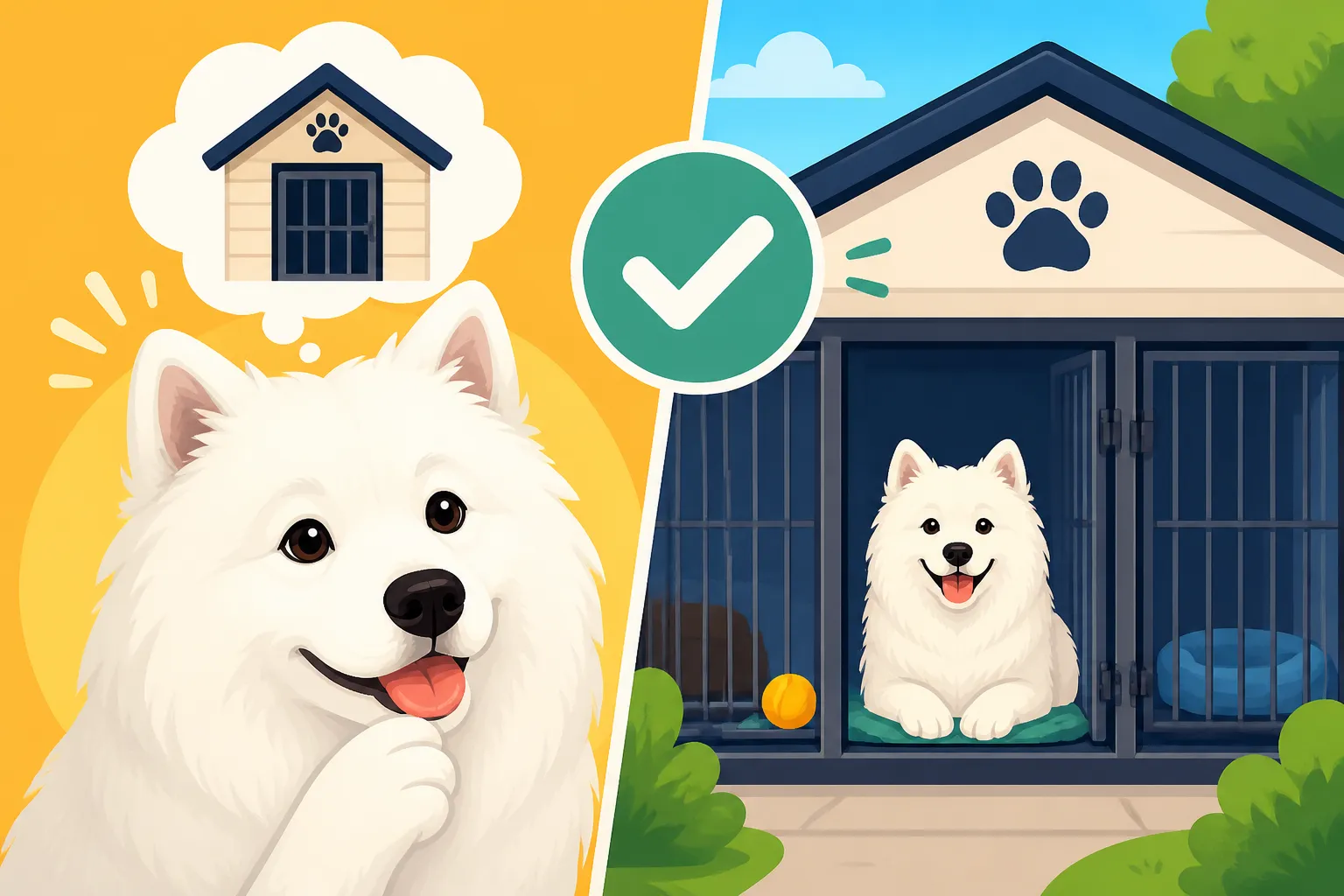
Whether Boarding Kennels Take Samoyeds
Leaving your beloved Samoyed behind when you travel can be a truly anxious experience, full of worries about whether they'll be comfortable, safe, and happy in an unfamiliar environment. It's a valid concern, as our fluffy companions have very specific needs that aren't always met by every boarding facility out there. This guide aims to ease some of that worry by exploring whether traditional boarding kennels are a good fit for Samoyeds, what to look for, and alternative care options to ensure your Samoyed thrives, even when you're away.
The Unique Challenges of Boarding a Samoyed
Samoyeds are magnificent creatures, renowned for their stunning white coats, ever-present "Samoyed smile," and incredibly friendly dispositions. However, these very traits that make them so endearing also present unique challenges when it comes to finding suitable temporary care, especially in a boarding kennel setting. It's not just about finding a space; it's about finding a space that truly understands and caters to their specific needs.
Their Double Coat and Temperature Regulation
One of the most defining characteristics of a Samoyed is their luxurious, dense double coat. This coat is a marvel of natural engineering, designed to protect them from the harsh sub-zero temperatures of their Siberian homeland. What many people don't realize, however, is that this same coat also acts as excellent insulation against heat, provided it's healthy and well-maintained. It traps a layer of cool air next to their skin, much like a thermos keeps its contents hot or cold.
The challenge arises when a Samoyed is housed in an environment that isn't adequately climate-controlled. While their coat protects them, they are still very susceptible to overheating in warm or humid climates, or even in temperate zones during summer months. A kennel that doesn't have robust air conditioning or proper ventilation can quickly become a dangerous place for a Samoyed. They can't just shed their coat like we shed a sweater; their body relies on that insulation. Grooming facilities or outdoor runs without ample shade and cool surfaces become a real concern. This is why understanding A Samoyed Built for Sixty Below in an American Summer is so crucial, even if you live in a mild climate.
The Samoyed's Vocal Nature
If you've ever spent time around a Samoyed, you've likely experienced their incredible range of vocalizations. They don't just bark; they "talk." This can involve a spectrum of sounds from happy grumbles and expressive "woo-woos" to the infamous "Samoyed scream" – a high-pitched, insistent cry that sounds like a banshee and is impossible to ignore. This isn't usually a sign of aggression or distress (though it certainly can be if they're unhappy); it's simply how many Samoyeds communicate and express themselves.
In a kennel environment, this can be a real issue. A Samoyed who is feeling lonely, bored, or simply wants attention might vocalize persistently. This can quickly become disruptive to other dogs and kennel staff, and in turn, lead to a less positive experience for your Samoyed if they are constantly being corrected or isolated for their natural tendencies. Many kennels are simply not equipped to handle the unique sound profile of a vocal northern breed, and it's something you absolutely need to discuss upfront. You might find our post on The Samoyed Scream and Why It Is Not Barking sheds more light on this unique trait.
Their Need for Social Interaction
Samoyeds were bred for close companionship with the Nenets people, living and even sleeping inside their tents. This long history of cohabitation has deeply ingrained a desire for social interaction and companionship into their very being. They thrive on being part of the "pack," which, in a modern home, usually means being with their human family. They tend to follow you from room to room, just wanting to be in your presence.
Being isolated in a kennel run, even for short periods, can be very stressful for a Samoyed. They can develop separation anxiety or become withdrawn if they don't receive enough human attention and mental stimulation. A good kennel understands that a Samoyed needs more than just food and a potty break; they need engagement, affection, and interaction. They want to be Why a Samoyed Wants to Be in the Room With You, and a kennel must replicate that as much as possible.
What to Look for in a Samoyed-Friendly Boarding Kennel
Given these unique needs, not just any boarding kennel will do for a Samoyed. Finding the right fit requires careful research and asking specific questions. You're not just looking for a place that takes dogs; you're looking for one that understands Samoyeds.
Climate Control and Outdoor Access
This is non-negotiable. The facility must have excellent, reliable air conditioning for warmer months and proper heating for colder ones. Ask about their temperature monitoring systems. Are the indoor kennels climate-controlled 24/7? What happens during a power outage? A reputable facility will have contingency plans.
Beyond indoor climate control, consider their outdoor access. Samoyeds adore being outside, but this needs to be managed carefully in anything but truly cold weather. Look for kennels that offer shaded outdoor runs or designated play areas with natural grass or cool surfaces, not just hot asphalt or concrete. They should have ample access to fresh, cool water at all times. In hot climates, outdoor time should be limited to early mornings or late evenings, or even omitted entirely if the heat index is too high. This careful consideration for their comfort in various temperatures is key.
Staff Experience with Northern Breeds
A kennel where the staff genuinely understand northern breeds like Samoyeds, Huskies, and Malamutes will make a huge difference. These breeds often have different temperaments, grooming needs, and exercise requirements than, say, a Beagle or a Bulldog. Ask about their staff training. Do they have specific protocols for high-energy dogs? How do they handle vocal dogs?
Staff who are familiar with Samoyeds will recognize early signs of heat stress, understand their unique vocalizations (and not misinterpret them as aggression or undue nuisance), and know how to engage with them in a way that provides comfort and stimulation. They’ll also be aware of the importance of keeping their coats clean and brushed, especially during a When a Samoyed Blows Its Coat period, to prevent matting and maintain insulation. Don't be shy about asking direct questions about their experience with Samoyeds specifically.
Playtime and Enrichment Opportunities
Due to their intelligence and social nature, Samoyeds can become bored and anxious quickly if left without stimulation. Look for a kennel that offers more than just a concrete run. What kind of daily activities do they provide?
- Group Play: For social Samoyeds, supervised group play sessions can be fantastic. Ensure the groups are carefully matched by size and temperament, and that staff are actively monitoring interactions.
- Individual Play/Cuddle Time: If your Samoyed isn't keen on group play, or even if they are, dedicated one-on-one time with a staff member is invaluable. This could involve throwing a ball, a leash walk, or simply getting some much-needed ear scratches and belly rubs.
- Enrichment Toys/Activities: Puzzle feeders, chew toys, or even just rotating different toys in their kennel can help keep their minds engaged. Some kennels offer "tuck-in" services with extra treats or story time, which can be lovely for a clingy Samoyed.
- Training Reinforcement: If your Samoyed knows basic commands, a kennel that can reinforce these during their stay can be a bonus, preventing regression. This kind of mental exercise is just as important as physical exercise.
Look for a facility that views enrichment as a core part of their service, not just an add-on. This truly makes the difference between a dog just existing in a kennel and one that actually enjoys their stay.
Alternatives to Traditional Boarding Kennels for Samoyeds
While a well-chosen kennel can be a perfectly fine option, sometimes a traditional boarding facility just isn't the right fit for your particular Samoyed or your peace of mind. Thankfully, there are several excellent alternatives that might be better suited to their unique needs.
In-Home Pet Sitters
Hiring a professional in-home pet sitter is often considered the gold standard for Samoyeds, especially those prone to separation anxiety or those who simply thrive best in their familiar surroundings. With an in-home sitter, your Samoyed gets to stay in their own home, with their own bed, toys, and routine. This minimizes stress from environmental changes and can make your absence much smoother for them.
A good pet sitter will not only feed and walk your Samoyed but also provide companionship, play, and adhere to their specific routine, including any medication schedules or special dietary needs. This one-on-one attention can be invaluable. You can often find pet sitters through local recommendations, online services, or through platforms where you can read reviews and verify credentials. Be sure to check references and conduct a meet-and-greet beforehand to ensure your Samoyed gets along with the sitter and you feel comfortable with them in your home.
Doggy Daycare with Overnight Stays
Some larger doggy daycare facilities also offer overnight boarding, often in a more home-like setting or with individual suites rather than traditional runs. This can be a fantastic option for highly social Samoyeds who genuinely enjoy the company of other dogs and people. The key here is to ensure the facility is well-managed, with ample space for the Samoyed to run and play, and strict supervision during group play sessions.
The benefit is consistent social interaction and exercise throughout the day, which can tire out a Samoyed beautifully, leading to a calm night. However, it's crucial that the overnight sleeping arrangements are comfortable and quiet, offering a peaceful retreat from the day's excitement. This option works best for Samoyeds who aren't easily overstimulated and genuinely thrive in a busy, social environment. Ensure they have separate quiet spaces for rest and meals.
Trusted Friends or Family
Sometimes, the best solution is the simplest: entrusting your Samoyed to a trusted friend or family member who knows and loves them. If you have someone willing and able to take on the responsibility, this can be incredibly comforting for both you and your dog. Your Samoyed will likely feel most secure with people they already know in an environment that is either familiar (like their own home with a sitter) or a home they've visited many times.
Before you commit, however, have an open conversation about expectations. Ensure they understand the Samoyed's specific needs, including their exercise requirements, grooming needs, and vocal tendencies. Provide them with detailed instructions, emergency contacts, and sufficient food and supplies. Offer to pay them or compensate them in some way for their time and effort. It's a big ask, and you want to make sure they feel appreciated and well-supported in caring for your furry family member.
Preparing Your Samoyed for Boarding
No matter which option you choose, preparing your Samoyed for your absence is key to ensuring a smooth and low-stress experience for everyone involved. A little foresight can go a long way in making their temporary stay feel less like a shock and more like a routine.
Pre-Visit and Acclimation
If you opt for a boarding kennel or doggy daycare with overnight stays, it's highly recommended to do a trial run. This might involve a few hours of daycare, or even a single overnight stay, well in advance of your main trip. This allows your Samoyed to get accustomed to the new environment, the smells, the sounds, and the staff while you're still nearby. It also gives you a chance to observe how they react and to address any concerns with the facility.
Think of it like a human child going to preschool for the first time; short, positive exposures build confidence. This acclimation period can significantly reduce anxiety when the longer stay arrives. It also lets the staff get to know your Samoyed's personality and needs better, allowing them to provide more personalized care.
Packing Essentials
When packing for your Samoyed, think about what will bring them comfort and maintain as much of their routine as possible.
- Food: Pack their regular food, measured out per meal if possible, and clearly labeled. Sudden diet changes can cause stomach upset, which is the last thing you want when they're already in a new environment. For Samoyeds on specific diets, perhaps you rely on services like Ollie for fresh, pre-portioned meals; make sure the kennel can accommodate this.
- Medications: If your Samoyed is on any medication, provide clear, written instructions, dosage amounts, and the times they need to be administered. Ensure the kennel staff are comfortable giving medications and have a system for tracking this.
- Comfort Items: Bring a familiar blanket or their favorite chew toy from home. The scent of home can be incredibly reassuring in an unfamiliar place. Just make sure anything you bring is easily washable and won't be missed if it gets lost or damaged.
- Treats: Pack some of their favorite treats. These can be used by staff to reinforce positive behavior or simply to brighten your Samoyed's day. Brands like Chewy offer a wide variety of treats that can be easily ordered and shipped ahead if needed.
- Leash and Collar: Clearly labeled with their name and your contact information.
It’s about making their temporary space feel as much like home as possible, providing familiar anchors in a new world.
Health and Vaccination Records
Every reputable boarding facility will require up-to-date vaccination records, typically including rabies, distemper/parvo, and kennel cough (Bordetella). Some may also require canine influenza vaccines. Gather all necessary health documents well in advance of their stay.
It's also a good idea to inform the kennel of any pre-existing health conditions, allergies, or behavioral quirks. Provide your veterinarian's contact information and authorize the kennel to seek veterinary care in an emergency. If you have pet insurance, such as through Healthy Paws, make sure the kennel has your policy information, though remember that most insurance only covers unforeseen accidents or illnesses, not routine boarding fees. Having everything documented and communicated ensures that your Samoyed's health and safety are prioritized while you're away.
Comparison of Samoyed Boarding Options
To help you decide, here's a quick comparison of the common options for Samoyed care when you're away:
| Feature | Traditional Boarding Kennel | In-Home Pet Sitter | Doggy Daycare with Overnight Stays | Trusted Friends/Family |
|---|---|---|---|---|
| Environment | Individual runs, sometimes with outdoor access | Familiar home environment, minimal change | Social, group play during day, individual suites at night | Familiar home, personal attention |
| Climate Control | Varies, must be excellent for Samoyeds | Controlled by owner's home settings | Generally good in main areas, confirm overnight comfort | Varies, confirm suitability for Samoyed |
| Social Interaction | Varies, often limited unless paying for add-ons | High, one-on-one attention | Very high during day, good for social dogs | Very high, personalized |
| Exercise | Structured walks/play, often add-ons | Tailored to usual routine (walks, yard play) | High during day, less structured overnight | Often similar to their daily routine |
| Stress Level | Can be high due to new environment, noise, isolation | Generally low, familiar surroundings | Varies by individual dog, can be overstimulating for some | Low, familiar people and environment |
| Grooming Needs | May require extra fees, need specific instructions | Can be integrated into daily care | Often basic brushing, heavy grooming may be extra | Needs to be discussed and agreed upon |
| Cost | Moderate to high, depends on amenities and add-ons | Moderate to high, depends on services and duration | Moderate to high, often priced similarly to boarding | Varies (free, barter, paid), depends on relationship |
| Suitability for Vocal Samoyed | High risk of issues if staff not experienced | Excellent, no impact on other animals/guests | Potential for disruptive vocalizations if not managed | Excellent, if housemates are understanding |
| Best For | Well-adjusted, social Samoyeds used to new environments | Anxious, elderly, or very particular Samoyeds | Energetic, highly social Samoyeds | Samoyeds who are comfortable with the caregivers |
Disclaimer
This article is for general informational purposes only and does not constitute professional advice. Laws, prices and regulations vary by location and change over time. Consult a qualified professional for guidance on your specific situation.