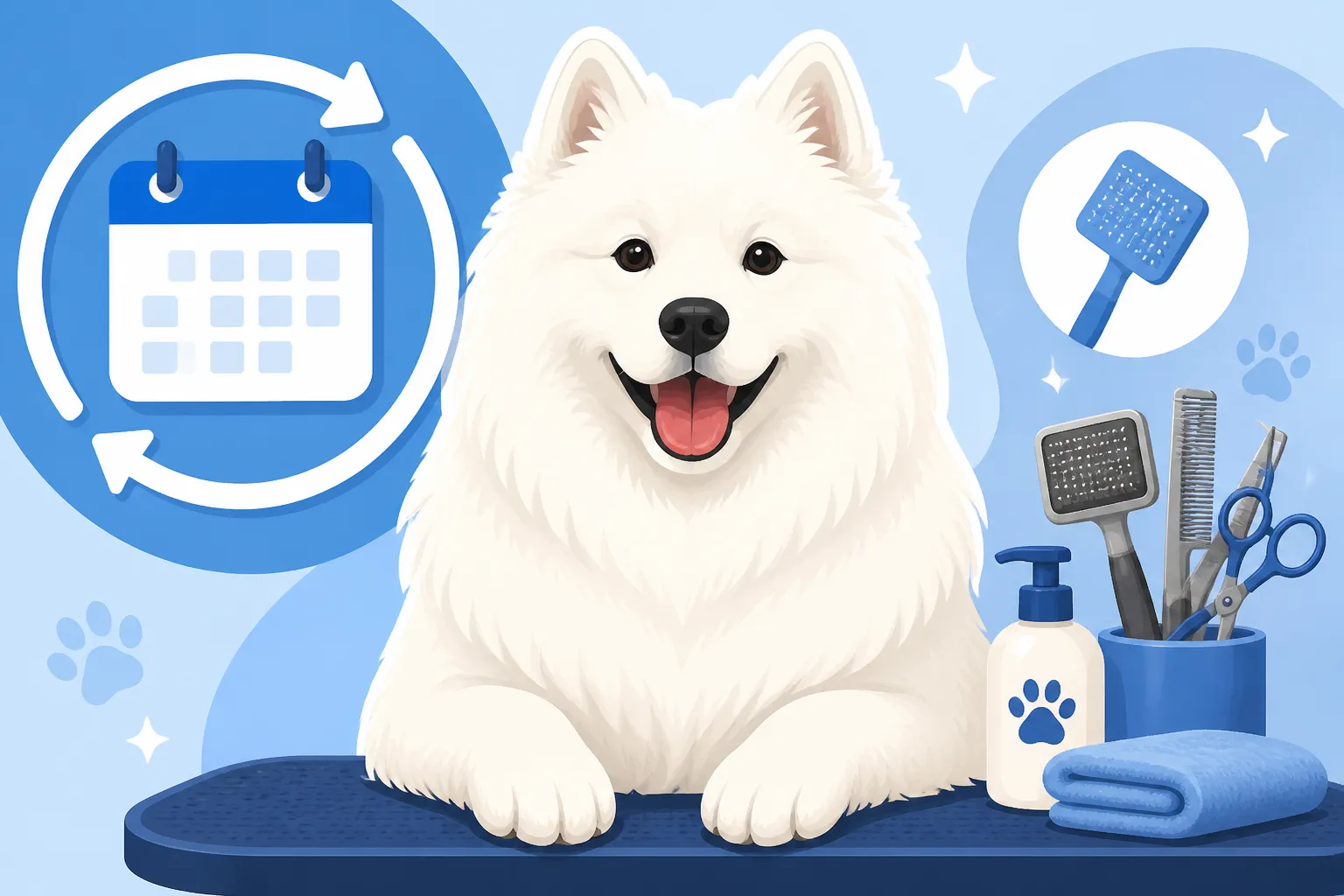
How Often a Samoyed Needs a Professional Groom
The magnificent, fluffy cloud that is a Samoyed is truly a sight to behold, but anyone who lives with one knows that this stunning coat comes with a serious grooming commitment. It’s easy to feel overwhelmed by the sheer volume of fur, the constant shedding, and the looming threat of mats, leaving many of us wondering just how often we really need to book a professional grooming session. This comprehensive guide will pull back the curtain on the nuances of Samoyed coat care, helping you understand the factors that dictate professional grooming frequency and what to expect when you hand your precious floof over to the experts.
Decoding the Samoyed's Magnificent But Demanding Coat
Before we even talk about professional grooming, it’s crucial to understand the incredible engineering of the Samoyed’s coat. This isn't just fluffy decoration; it’s a sophisticated system designed to keep them comfortable in extreme conditions. Understanding its structure helps us appreciate why grooming isn't just for aesthetics, but for their health and well-being.
The Double-Coated Marvel: Insulation, Protection, and Shedding
Your Samoyed's coat is a true marvel of nature, consisting of two distinct layers: a harsh, straight outer coat (guard hairs) and a soft, dense, woolly undercoat. The guard hairs are coarse and stand away from the body, shedding dirt and moisture remarkably well—it's truly fascinating How a Samoyed's Coat Sheds Dirt on Its Own. This outer layer acts as a protective shield against the elements, whether it's snow, rain, or even harsh sun. Beneath this, the undercoat is incredibly thick, providing insulation that keeps them warm in freezing temperatures and, surprisingly, helps them stay cool in warmer weather by trapping air and regulating body temperature. It’s a common misconception, but a Samoyed's coat is insulation, not decoration, and actually helps protect against heat as much as cold.
However, this incredible design comes with a significant caveat: shedding. Samoyeds are notorious for their shedding, especially during their "coat blows," where they shed copious amounts of their undercoat to prepare for seasonal changes. This natural process is essential for maintaining a healthy coat and skin, but it can turn your home into a winter wonderland of white fluff if not managed properly. Regular brushing is your first line of defense here, as it removes loose fur before it has a chance to settle on your furniture or, worse, tangle in their coat.
The Perpetual Battle Against Matting: Where and Why It Happens
For Samoyed owners, matting isn't just a minor inconvenience; it's a constant, insidious threat. Mats form when shed undercoat gets trapped within the standing guard hairs and isn't brushed out. Instead of falling away, these dead hairs intertwine and felt together, forming dense, painful clumps that pull on the skin. Common culprits include friction from collars, harnesses, behind the ears, in the armpits, and around the tail and britches. Any area where their coat rubs or sees a lot of movement is a prime target.
These mats aren't just ugly; they can cause significant health problems. They restrict air circulation to the skin, creating a warm, moist environment where bacteria and yeast can thrive, leading to painful skin infections, hot spots, and general irritation. They can also hide parasites like fleas and ticks. A severe mat can even cut off blood flow or restrict movement, leading to muscle atrophy or lameness. It’s a miserable experience for a dog to live with severe matting, and often, by the time an owner notices a problem, the mats are already too tight and close to the skin for home removal. This is where professional intervention becomes not just preferable, but often necessary, as groomers have specialized tools and techniques to safely remove mats without injuring the dog.
The Infamous "Coat Blow": When Fur Tsunami Strikes
If you’ve never experienced a Samoyed's "coat blow," prepare yourself. It's not just shedding; it's an explosion of fur. Typically, Samoyeds blow their coat twice a year, usually in spring to shed their heavy winter undercoat and again in the fall to make way for a denser winter layer. However, hormonal changes, such as those related to spaying or neutering, or even stress, can trigger a coat blow at other times. During this period, the sheer volume of undercoat coming out can be staggering, often feeling like you could knit a whole new Samoyed from the daily haul. You can literally pull handfuls of fluffy undercoat from their body with minimal effort.
Managing a coat blow at home is a monumental task. Daily, extensive brushing with appropriate tools like an undercoat rake and a force dryer is essential to prevent severe matting. If you're wondering When a Samoyed Blows Its Coat, it's often a several-week-long event, and it demands constant attention. Many owners find themselves completely overwhelmed by the task, as the fur just keeps coming. This is often the peak time when professional groomers earn their keep, offering powerful deshedding treatments that can drastically reduce the amount of loose hair and help the new coat come in cleanly. Trying to simply brush it out manually can take hours a day and still leave a significant amount of dead undercoat trapped.
The Great Grooming Divide: DIY Enthusiast vs. Professional Expert
So, faced with this glorious, yet demanding coat, many Samoyed owners grapple with a fundamental question: how much can I do myself, and when do I absolutely need a professional? It's a valid concern, balancing dedication, skill, and cost.
When DIY Grooming Makes Sense (And When It Doesn't)
For dedicated Samoyed owners, DIY grooming can be a rewarding experience, fostering a closer bond with your dog and allowing you to meticulously care for their coat. If you have the time, the right tools, and a patient Samoyed, daily or every-other-day brushing is entirely feasible and highly recommended to manage general shedding and prevent mats. Regular baths at home are also possible, provided you have a powerful force dryer and know how to use it correctly to dry the coat all the way to the skin. Neglecting to thoroughly dry the undercoat can lead to skin problems and matting, even after a bath. If you’re considering doing most of the work yourself, learning Whether a Samoyed Owner Can Groom at Home is a great first step, and investing in quality tools from a retailer like Chewy can make a huge difference.
However, DIY grooming has its limits. If your Samoyed develops significant matting, especially close to the skin, attempting to remove these yourself with household scissors can be incredibly dangerous, leading to nicks, cuts, and emergency vet visits. Similarly, during a heavy coat blow, simply brushing might not be enough to get all the impacted undercoat out efficiently. If you lack the space, the powerful drying equipment (which is paramount for a Samoyed), or the sheer endurance required for a full groom, a professional is a better option. Moreover, if your Samoyed is particularly uncooperative or anxious about grooming, a professional who knows how to handle various temperaments safely is invaluable.
The Specialized Tool Kit a Samoyed Demands
Grooming a Samoyed isn't a job for a standard dog brush and a towel. To effectively manage their coat, you need an arsenal of specialized tools designed for dense double coats. Here’s a rundown of the essentials:
- Undercoat Rakes: These tools are designed to penetrate the topcoat and pull out loose undercoat without damaging the guard hairs. Different tooth lengths are available for varying coat densities.
- Slicker Brushes: Best for removing smaller tangles and smoothing the topcoat, particularly on areas like the ruff and tail.
- Pin Brushes: Useful for general brushing and fluffing the coat.
- Demating Tools: These can be knives or combs with sharp, curved blades. Extreme caution is needed with these, as they are designed to cut through mats, not remove them gently. Misuse can easily cut your dog's skin.
- Force Dryer: This is non-negotiable for anyone serious about bathing a Samoyed at home. A powerful force dryer, not a human hairdryer, is essential to blast water out of the dense undercoat and dry your dog completely to the skin. Without it, the undercoat can remain damp for days, leading to mildew, skin infections, and severe matting. Investing in What a Force Dryer Costs a Samoyed Owner is a significant step but can save you a lot in professional grooming fees.
- High-Quality Shampoo and Conditioner: Products formulated for double-coated breeds or whitening shampoos can help maintain coat health and cleanliness.
Attempting to groom your Samoyed with inadequate tools is like trying to shovel snow with a teaspoon during a blizzard—frustrating, ineffective, and ultimately futile. The right tools protect their skin, preserve their coat, and make the entire process more comfortable for both of you.
The Unseen Artistry of a Professional Samoyed Groomer
A truly skilled professional Samoyed groomer is part artist, part technician, and part dog whisperer. They possess an understanding of canine anatomy, coat structure, and behavior that goes far beyond what most home groomers can achieve. They're not just giving your dog a bath; they're performing a comprehensive service designed to optimize coat health and comfort.
This includes:
- Thorough Dematting: With specialized tools and techniques, they can often save a matted coat that an owner might deem hopeless, working patiently and safely to release tangled fur.
- High-Velocity Drying: Professional groomers have access to industrial-grade force dryers that can dry a Samoyed's dense coat completely in a fraction of the time it would take at home, preventing skin issues and mats. Drying a Samoyed to the Skin is a critical step that pros excel at.
- Deshedding Treatments: They use specialized shampoos, conditioners, and tools specifically designed to loosen and remove vast quantities of dead undercoat, significantly reducing shedding for weeks.
- Sanitary Trims and Paw Care: Professionals can safely trim the hair around paw pads, sanitary areas, and ears, which can be tricky and sometimes dangerous to do at home. They'll also clip nails and often grind them smooth, reducing the risk of painful cracks or overgrown nails.
- Skin and Coat Health Assessment: During the grooming process, a professional groomer is often the first to notice underlying skin conditions, lumps, bumps, or irritations that might be hidden by the dense coat, alerting you to potential health issues that require veterinary attention.
While the cost of a professional groom might seem steep, especially when you consider What a Grooming a Samoyed Costs Each Visit and The Grooming Bill on Twenty Pounds of Samoyed Undercoat, you are paying for expertise, specialized equipment, and peace of mind. They can accomplish in a few hours what might take you days, with superior results and less stress for your dog.
Tailoring the Grooming Schedule to Your Samoyed's Life
There's no single answer to how often a Samoyed needs a professional groom, because every dog and household is unique. The "ideal" schedule is a dynamic one, influenced by a variety of factors specific to your individual Samoyed's life.
Lifestyle and Environment: City Dweller vs. Outdoor Adventurer
Your Samoyed’s daily activities play a huge role in how quickly their coat accumulates dirt, debris, and tangles. A Samoyed living in a bustling city, primarily walked on sidewalks and spending most of their time indoors, will likely need less frequent professional grooming than one who regularly romps through muddy fields, swims in lakes, or explores dusty hiking trails.
Consider the following scenarios:
- The Urban Explorer: If your Samoyed is mostly on leash walks in urban areas, their coat might stay relatively clean, requiring professional grooming perhaps every 8-12 weeks for maintenance deshedding and bathing. Regular home brushing should be sufficient between appointments.
- The Weekend Warrior: For Samoyeds that regularly engage in outdoor activities like hiking, camping, or dog park visits, professional grooms might be needed more frequently, perhaps every 6-8 weeks, especially if they pick up burrs, sticky seeds, or get consistently muddy. The dirt and environmental debris can quickly lead to matting if not thoroughly cleaned.
- The Water Lover: While many Samoyeds aren't natural swimmers, those who enjoy a good splash will need extra attention. Water can easily mat the undercoat if not dried properly, necessitating more frequent bathing and thorough drying, either at home with a force dryer or by a professional every 4-6 weeks during swimming season.
It's all about how much "wear and tear" their magnificent coat experiences. The more exposure to dirt, moisture, and friction, the more often professional intervention will be beneficial.
Seasonal Changes and Hormonal Shifts: What Triggers Extra Grooming
As discussed with the "coat blow," seasons are a huge driver of grooming needs. Most Samoyeds will shed heavily twice a year, usually in spring and fall. These are crucial times for professional deshedding treatments. During a major coat blow, a groomer can remove an astonishing amount of dead undercoat, preventing mats and making your life at home much cleaner. You might find yourself scheduling an appointment right at the beginning of the heavy shedding season and possibly a follow-up a few weeks later if the shedding is particularly intense.
Beyond the annual coat blows, hormonal changes can also impact coat density and shedding patterns. Spaying or neutering can sometimes lead to a thicker, denser, or "cottony" coat that is more prone to matting. For these dogs, more frequent grooming, either at home or professionally, becomes even more important. Similarly, intact females might experience coat changes around their heat cycles. It’s always good practice to observe your individual Samoyed’s coat changes throughout the year and adjust your grooming schedule accordingly, rather than sticking rigidly to a calendar.
Age and Health Factors: Puppy Fluff to Senior Care
A Samoyed's grooming needs also evolve throughout their lifespan:
- Puppyhood: Samoyed puppies often have a softer, fluffier coat that is less prone to serious matting, but it's crucial to start grooming exposure early. Regular, gentle brushing sessions and positive experiences with baths, even at home, will set them up for a lifetime of comfortable grooming. A "puppy groom" at a professional salon, focusing on introduction to the clippers, dryer, and general handling, can be incredibly beneficial.
- Adulthood: This is when their double coat fully develops, and the shedding and matting potential are at their peak. Most adult Samoyeds will benefit from professional grooming every 6-12 weeks, with diligent home brushing in between.
- Senior Years: As Samoyeds age, their skin can become more sensitive, and their tolerance for long grooming sessions might decrease. Arthritis or other health issues can make standing for extended periods painful. Their coats might also become coarser or more prone to matting in specific areas. Professional groomers can adapt their techniques for senior dogs, offering shorter, more comfortable sessions. Additionally, health conditions can affect coat quality; for instance, a Samoyed with hypothyroidism might experience a dull, brittle coat, while diabetes could impact skin health. In such cases, professional groomers can work with your vet’s recommendations to ensure gentle, appropriate care. Pet insurance from providers like Healthy Paws can be a valuable consideration for these age-related health concerns, which sometimes manifest with skin or coat symptoms.
Understanding these life stages helps you provide the best possible care, recognizing that a "one size fits all" grooming schedule simply doesn't apply to a Samoyed.
Beyond the Bath: Services a Professional Groomer Offers
When you bring your Samoyed to a professional groomer, you're getting far more than just a wash and brush. They offer a suite of specialized services designed to tackle the unique challenges of the Samoyed coat.
Deep Cleaning and Dematting: The Heavy Lifting
For many Samoyed owners, the sheer effort of bathing and then thoroughly drying that dense coat at home is a daunting prospect. Professional groomers have spacious tubs, specialized shampoos and conditioners designed to penetrate thick coats, and, crucially, high-velocity force dryers that can make the process efficient and effective. They ensure the coat is clean right down to the skin, which is vital for skin health and odor control.
Beyond just cleaning, dematting is where professional expertise truly shines. If your Samoyed comes in with significant mats, a groomer will carefully assess the situation. They will use dematting combs, rakes, and sometimes even clippers if the mats are too tight or close to the skin to brush out safely. Their priority is always the dog’s comfort and safety, aiming to save as much coat as possible while avoiding pain. This process can be incredibly time-consuming and often incurs additional fees, but it's a necessary step to restore your Samoyed's comfort and coat health. Never underestimate the skill involved in untangling a heavily matted Samoyed; it's a job best left to those with the right tools and training.
Deshedding Treatments: Battling the Blizzard
During a Samoyed’s coat blow, a professional deshedding treatment is akin to a miracle for many owners. These treatments involve specialized shampoos and conditioners designed to release dead undercoat, followed by extensive use of a force dryer and deshedding tools. The powerful blast of air from the force dryer literally pushes loose fur out of the coat, often in astonishing quantities.
This process significantly reduces the amount of shedding you'll experience at home for weeks afterward. It helps prevent future mats by removing the underlying cause (dead, trapped fur) and allows your Samoyed's skin to breathe. A deshedding treatment makes the coat feel lighter, cleaner, and healthier. If you've ever dealt with twenty pounds of Samoyed undercoat blowing through your house, you'll appreciate the value of this service. It truly is the most effective way to manage the massive seasonal shedding events.
Specialty Services: Nails, Ears, and Anal Glands
Beyond the main coat care, professional groomers also typically include or offer a range of essential "finishing" services that contribute to your Samoyed's overall well-being:
- Nail Trimming and Grinding: Keeping nails short is crucial for proper paw structure and comfort. Overgrown nails can lead to pain, splayed toes, and even skeletal issues. Groomers are adept at trimming nails safely, often finishing with a dremel tool to smooth rough edges and get the nails even shorter. This can be a challenging task for owners, especially if their Samoyed is not keen on having their paws handled.
- Ear Cleaning: Samoyeds have upright ears, which generally have good air circulation, but they can still accumulate wax and debris. Groomers will carefully clean the outer ear canal to prevent infections. They know how to do this gently without irritating the delicate ear structures.
- Anal Gland Expression: While not every dog needs this regularly, some dogs experience issues with their anal glands not expressing naturally. Groomers can often perform external anal gland expression, which can relieve discomfort. However, if there are signs of infection or impaction, they will advise you to consult a veterinarian.
These seemingly minor services are vital for your Samoyed’s overall health and comfort, and professional groomers ensure they are done correctly and safely.
Reading the Signs: When Your Samoyed Is Crying Out for a Groom
Sometimes, the grooming schedule isn't about the calendar, but about listening to your Samoyed. Their coat, their behavior, and even their scent can provide clear signals that it's time for professional intervention.
Visible Mats and Skin Irritations: More Than Just Unsightly
The most obvious sign that your Samoyed needs a professional groom is the presence of visible mats. These aren't just little tangles; they can be dense, felted clumps that pull at the skin. Run your fingers through your Samoyed's coat, especially behind the ears, under the collar, in the armpits, and on the britches. If your fingers snag or you feel hard, tight knots, those are mats. If they are tight to the skin, pulling them apart can be painful and damaging.
Beyond the mats themselves, skin irritations are a huge red flag. Because mats restrict airflow, the skin underneath can become hot, moist, and inflamed. You might notice redness, flakiness, scabs, or even open sores (hot spots) when you try to part the fur. These conditions can be incredibly itchy and painful for your dog. If you see your Samoyed constantly scratching, licking, or biting at an area, especially under a mat, it's an emergency groom situation. A professional groomer can carefully remove the matting and reveal the extent of the skin issue, often allowing for topical treatment or indicating a vet visit is needed. Left untreated, these irritations can lead to severe infections.
Excessive Shedding and Odor: Beyond the Norm
While Samoyeds always shed, there's a difference between normal, manageable shedding and a full-blown "fur-nado." If you're brushing daily and still finding massive amounts of fur accumulating, or if their coat feels heavy and lifeless, it's a strong indication they're due for a professional deshedding treatment. This isn't just about keeping your house clean; removing dead undercoat allows the skin to breathe and stimulates healthy new coat growth. If your vacuum cleaner is constantly overwhelmed, it's probably time to call the groomer.
Furthermore, Samoyeds are generally known for being a relatively clean breed with little "doggy odor"—it's quite remarkable how little they smell for their size. If your Samoyed starts to develop a noticeable, persistent odor, even after home bathing, it's a sign something might be amiss. This could indicate impacted undercoat, a skin infection hiding beneath mats, or even environmental grime that a standard bath can't penetrate. A professional deep clean can address these issues, restoring their fresh scent and checking for underlying problems. Sometimes, the odor might even be a sign of a yeast infection or other medical issue, which a professional groomer might spot during their work.
Behavioral Clues: Discomfort and Avoidance
Our Samoyeds communicate their discomfort in subtle ways. If your dog, normally happy and playful, suddenly becomes withdrawn, grumpy, or avoids being touched in certain areas, particularly when you try to pet or brush them, it could be due to matting or skin pain. They might flinch, growl, or even snap if you accidentally pull a tight mat.
Watch for changes in their movement too. If a Samoyed is reluctant to run, jump, or even lie down comfortably, it could be that severe mats are restricting their movement. Mats in armpits or behind legs are particularly debilitating. Their cheerful "Sammy smile" can often hide underlying pain, so it's up to us to be vigilant. Any unexplained change in their usual happy-go-lucky demeanor that correlates with their coat condition should prompt a call to the groomer. A comfortable Samoyed is a happy Samoyed, and professional grooming is a key part of ensuring that comfort.
Navigating the Costs and Maximizing Value in Professional Grooming
Let’s be real, professional grooming for a Samoyed isn't cheap. Their size, coat density, and the time required for proper care mean a significant investment. However, understanding the costs and how to manage them can help you provide the best care without breaking the bank.
Understanding the Investment: What Influences the Price
The price of a professional groom for a Samoyed can vary significantly depending on several factors:
- Location: Grooming costs tend to be higher in urban areas with a higher cost of living.
- Groomer Experience: Highly experienced groomers specializing in double-coated breeds like Samoyeds often charge more for their expertise and efficiency.
- Services Included: A basic bath and brush will cost less than a full deshedding treatment, dematting, nail grind, and sanitary trim. Be clear about what you expect.
- Coat Condition: If your Samoyed arrives heavily matted, prepare for additional "dematting fees." These are charged because of the extra time, skill, and careful handling required to safely remove mats without injuring your dog.
- Dog's Temperament: If your Samoyed is particularly anxious or uncooperative, requiring extra time and staff to handle safely, some groomers might add a temperament fee.
It's important to view professional grooming as an investment in your Samoyed's health and comfort. While the numbers can feel high, consider What a Coat Blow Costs at a Samoyed Groomer and How Long a Samoyed Groom Takes and What That Costs, and you'll quickly appreciate the value. Always ask for a detailed price estimate upfront, especially if your dog has significant matting, so there are no surprises.
Here's a simplified comparison of DIY vs. Professional Grooming:
| Feature | DIY Grooming (at home) | Professional Grooming (at salon) |
|---|---|---|
| Initial Cost | High (tools, dryer, shampoo) | Low (no tools needed) |
| Ongoing Cost | Low (consumables, electricity) | High (per visit fee, potential extras) |
| Time Investment | Very High (hours per session, often multiple days) | Low (drop off, pick up) |
| Skill Required | Moderate to High (learning techniques, dog handling) | High (experienced groomers) |
| Tools Needed | Undercoat rake, slicker, force dryer, shampoo, etc. | Industrial equipment, specialized tools |
| Mat Removal | Risky, difficult, prone to injury | Safe, effective, trained handling |
| Deshedding | Can be thorough with right tools and effort | Highly efficient, deep coat clearing |
| Final Result | Good (with practice) | Excellent, consistent, attention to detail |
| Convenience | Flexible scheduling, but takes up home space | Scheduled appointments, frees up your time |
Smart Strategies to Extend Time Between Professional Visits
While professional grooms are essential, you can strategically extend the time between appointments with diligent home care. The goal isn't to skip professional grooming entirely, but to ensure that when your Samoyed does visit the groomer, their coat is in good condition, minimizing the need for expensive dematting services.
Here's how:
- Consistent Brushing: This is your number one weapon. Brush your Samoyed at least 3-4 times a week, ideally daily during shedding seasons. Focus on high-friction areas where mats typically form. The more loose fur you remove at home, the less there is to tangle. For tips, check out How Often a Samoyed Needs Brushing.
- Spot Cleaning: Don't wait for a full bath if your Samoyed gets dirty. Spot clean muddy paws or a dirty belly immediately. Keeping a Samoyed White Without Bathing It Every Week is all about managing minor dirt as it happens.
- Paw and Sanitary Trims: Learn to safely trim the hair around paw pads and sanitary areas. This prevents debris accumulation and keeps these areas cleaner between full grooms.
- Force Dryer Use: If you've invested in a force dryer, use it weekly, even without a bath. Blasting the coat with air can help remove loose undercoat and fluff out the fur, preventing compaction.
- High-Quality Diet: Good nutrition plays a role in coat health. A balanced diet, possibly with supplements like omega-3 fatty acids, can contribute to a healthy, less prone-to-matting coat. Brands like Ollie, known for fresh, human-grade ingredients, might be a good option for owners looking to optimize their dog's diet for overall health, which in turn can support coat quality.
By staying on top of these home care routines, you make the professional groomer's job easier and more efficient, ultimately saving you money in the long run by reducing the need for extensive, costly interventions.
Building a Partnership with Your Groomer and Vet
Think of your professional groomer as an extension of your Samoyed’s care team, alongside your veterinarian. Open communication with both is key to maintaining your Samoyed's health.
- Communicate with Your Groomer: Discuss your Samoyed's routine, any new lumps or bumps you've found, or changes in skin condition. A good groomer will also provide feedback on your dog’s coat and skin health, alerting you to potential issues they noticed during the groom. They can offer advice on home care techniques or recommend specific tools or products. Building a relationship with a groomer who understands the Samoyed breed's unique needs is incredibly valuable.
- Involve Your Vet: If your groomer flags any skin irritations, hot spots, or unusual lumps, follow up with your veterinarian promptly. Skin issues, in particular, can quickly escalate if left untreated. Sometimes, what seems like a simple mat might be hiding a more serious dermatological problem or even an allergic reaction. Your vet can provide a diagnosis and treatment plan, ensuring your Samoyed's discomfort is addressed. This holistic approach ensures all aspects of your Samoyed's health are covered, from their pristine white coat to their underlying well-being.
By combining consistent home grooming, strategic professional appointments, and open communication with your care team, you can ensure your Samoyed lives a comfortable, healthy, and wonderfully fluffy life.
Disclaimer
This article is for general informational purposes only and does not constitute professional advice. Laws, prices and regulations vary by location and change over time. Consult a qualified professional for guidance on your specific situation.