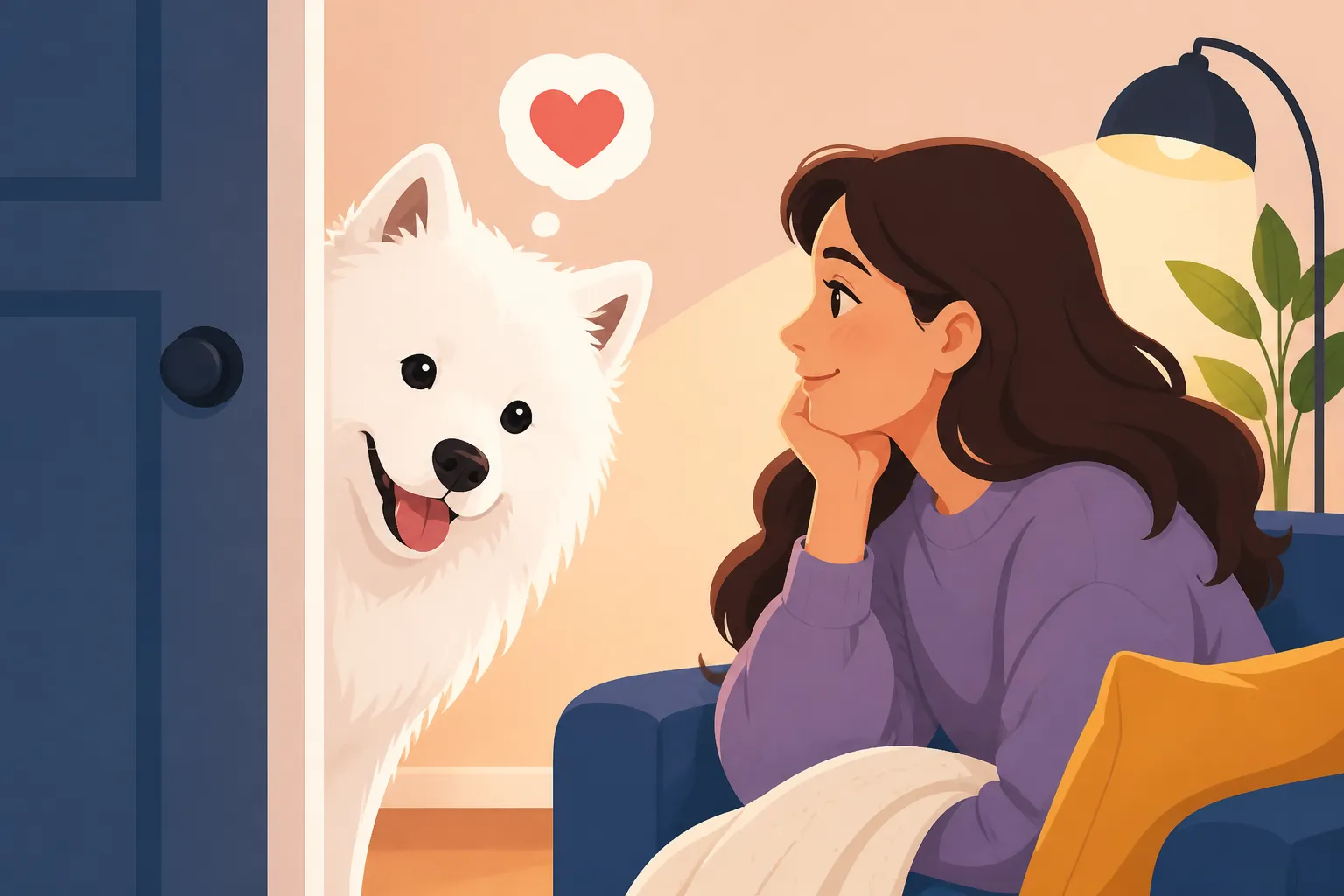
Why a Samoyed Wants to Be in the Room With You
Few dog breeds are as utterly devoted and insistent on being by your side as the Samoyed. While their constant presence is undeniably endearing, often making them feel like your fluffy shadow, it can also lead to unique challenges for owners who might occasionally wish for a moment of quiet solitude or need to leave the house without a dramatic production. This guide will delve into the historical roots and behavioral patterns that explain why your Samoyed wants to be in the room with you every waking moment, offering insights and practical tips for managing this delightful yet sometimes demanding trait.
The Deep Roots of Samoyed Clinginess: A History Lesson
Understanding why your Samoyed shadows you from room to room means taking a trip back in time to their origins. These magnificent dogs weren't just animals kept for a specific purpose; they were integral members of a human family unit, a partnership that quite literally meant survival in some of the harshest environments on Earth. This deep, almost symbiotic relationship forged over centuries has profoundly shaped their modern temperament and their inherent need for constant human proximity.
Bred for Proximity: The Nomadic Lifestyle's Influence
Imagine living in the frozen expanse of the Arctic, where temperatures could plummet to unimaginable lows. For the nomadic Nenets people of Siberia, their Samoyeds weren't just working dogs that herded reindeer or pulled sleds during the day. When night fell, these dogs were invited into the chum, the traditional conical tents, to sleep alongside the families. This wasn't merely a gesture of affection; it was a matter of survival. The dogs provided much-needed warmth, their thick double coats radiating heat that helped keep humans alive through brutal nights. This centuries-old practice firmly embedded the concept of constant physical closeness with humans into the Samoyed's very being.
This constant, shared living space meant that Samoyeds were always interacting with people. They were exposed to human conversation, human emotions, and the rhythm of daily life from birth. They learned to interpret subtle cues from their human companions, developing a finely tuned sensitivity to their presence and needs. It fostered an environment where a dog's well-being was intrinsically linked to its human family, and vice-versa, creating an unbreakable bond. The idea of a Samoyed being left in a kennel or a separate part of the home would have been utterly alien to their ancestral breeders. You can learn more about their history in The Nenets of the Yamal Peninsula Bred the Samoyed.
Beyond warmth, their proximity served other crucial functions. They acted as living alarm systems, their keen senses alerting the sleeping family to approaching wildlife or other tribes. They were partners in herding the vast reindeer herds, requiring close cooperation and communication with their human handlers. This intimate working and living arrangement meant that dogs who naturally sought closeness with people were more successful and, consequently, their traits were passed down through generations. This is why today's Samoyed still seeks out that comfort and security of being near you, even if the "danger" is just the mail carrier.
More Than Just a Pet: A Partner in Survival
In the traditional Nenets culture, the Samoyed was less a "pet" and more a co-worker and companion, deeply integrated into every aspect of family life. They shared food, warmth, and the daily struggles of a nomadic existence. This wasn't a relationship where dogs were relegated to an outdoor dog house or a separate outbuilding; they were central figures, trusted and cherished for their indispensable contributions. This continuous interaction fostered a level of attachment that is rarely seen in breeds developed for more independent roles.
Their job wasn't just to work; it was to be with their people. Whether it was helping to manage the reindeer, pulling small loads, or simply sharing the tent's limited warmth, their effectiveness was tied to their willingness and ability to operate in close concert with their human partners. This made them incredibly attuned to human emotional states and desires. Their desire to please, or more accurately, to participate and cooperate, stems from this long history of mutual reliance. The Samoyed Slept in the Tent to Keep People Alive explores this more deeply.
This deep-seated need for connection means that when you bring a Samoyed into your modern home, you're not just getting a dog; you're inviting a centuries-old instinct for partnership and companionship. They are seeking to replicate that ancestral bond, to be part of your "pack," to contribute to your daily life simply by being present. This is why they don't just want to be in the house; they want to be in the same room as you, constantly aware of your movements and activities.
Understanding the "Velcro Dog" Phenomenon in Samoyeds
The term "Velcro dog" is often playfully applied to Samoyeds, and for good reason. They are masters of proximity, seemingly attached to you by an invisible force, moving when you move, settling when you settle. This isn't just a random behavior; it's a fundamental aspect of their breed's temperament, driven by that historical imperative for connection. However, it's vital to distinguish this natural desire for closeness from more problematic issues like separation anxiety, which can stem from an unhealthy over-reliance on your presence.
The Samoyed's Innate Need for Connection
Your Samoyed's constant shadowing isn't typically manipulative or a sign of poor training; it's an expression of their inherent nature. They thrive on being part of the action, whatever that action may be. If you're cooking in the kitchen, they'll be sprawled on the floor nearby. If you move to the living room to read, they'll relocate and settle at your feet or on a nearby rug. Even a trip to the bathroom often merits a curious, fluffy escort who will wait patiently outside the door. This desire for connection means they simply want to share your space and your experience.
This constant presence is their way of participating in the family unit, fulfilling their ancestral role as a companion and partner. They aren't content to be isolated in another room; they want to feel included and involved. This deeply social nature is one of the most charming, yet sometimes challenging, aspects of living with a Samoyed. They'll often nudge your hand for a pet, lean against your leg, or simply gaze at you with their characteristic "Samoyed smile," conveying their contentment at merely being near.
Their need for connection also means they are often highly intuitive, picking up on your moods and energy levels. If you're feeling down, a Samoyed will often gently place their head on your lap or lie closer. If you're excited, they'll often mirror that enthusiasm. This emotional responsiveness further deepens the bond, making them feel like more than just a pet, but a true confidant and friend. It’s this profound desire to be with you that shapes so much of their behavior and makes them such devoted companions.
Differentiating Clinginess from Separation Anxiety
It's crucial to understand that while Samoyeds are naturally inclined to be "Velcro dogs," this is generally a calm, content presence. They are happy just being in the same room. True separation anxiety, however, is a much more serious issue, characterized by extreme distress and panic when the dog is left alone. It's not just a preference for company; it's an inability to cope with solitude. Recognizing the difference is key to addressing the behavior appropriately.
Signs of genuine separation anxiety often manifest shortly after you leave, and they are usually intense and destructive. This might include incessant barking, howling, or the characteristic Samoyed scream that can be truly ear-splitting, as detailed in The Samoyed Scream and Why It Is Not Barking. You might return home to find chewed doorframes, scratched doors, urine or feces indoors even if your dog is house-trained, or attempts to escape crates or rooms, potentially injuring themselves in the process. Excessive drooling or pacing can also be indicators.
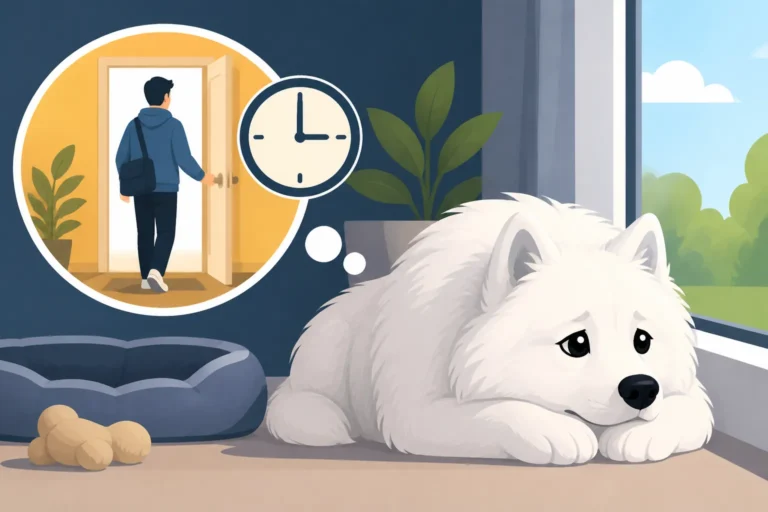
A Samoyed with normal clinginess, on the other hand, might prefer you stay, and they might even give you a sad look as you head out, but they will eventually settle down. They may sleep, play with a toy, or simply wait patiently for your return without destructive behavior or extreme vocalizations. If you suspect your Samoyed is experiencing true separation anxiety, it's essential to consult with your veterinarian or a certified professional dog behaviorist. This condition requires a structured approach and often, a lot of patience, to help your dog feel secure when you're not around. For more on this, you might look into Separation Anxiety in a Samoyed.
The Impact of Constant Companionship on Samoyed Training
Training a Samoyed can be a unique experience, largely influenced by their deep desire for companionship and their intelligent, yet sometimes independent, nature. Their instinct to be close to you can be a powerful asset, but it also presents certain challenges that need to be addressed with understanding and consistent methods. Leveraging their inherent social drive can lead to a highly responsive and well-behaved companion.
Leveraging Their Desire to Please (and Be Near You)
The good news is that your Samoyed's desire to be with you can be one of your strongest training tools. These dogs genuinely enjoy participating in activities with their people, and they thrive on interaction and praise. When you are actively engaged in a training session, their focus on you often intensifies because they associate your attention and the activity itself with valuable "together time." This makes positive reinforcement incredibly effective; for a Samoyed, your approval and continued presence are often just as rewarding as a tasty treat.
Consider using their "Velcro" nature to your advantage in teaching basic obedience. Commands like "sit," "stay," and "come" can be taught in the context of keeping them near you or returning to you for interaction. For instance, a successful "come" command isn't just about movement; it's about the joyous reunion and continued companionship. They often view training as a cooperative game, an extension of their daily bond with you. Many Samoyeds excel in activities like rally obedience or even trick training because they get to work closely with their favorite person and bask in their attention.
This natural inclination for connection makes them incredibly amenable to learning new behaviors when presented as a fun, interactive challenge. Instead of seeing training as a chore, they view it as another opportunity for engagement. Short, frequent training sessions keep them interested and prevent boredom, which a Samoyed can quickly translate into finding their own entertainment, often to your detriment. A structured online program, like those offered by BAXTER & Bella, can provide excellent guidance on harnessing this natural inclination for collaboration and positive reinforcement, helping you build skills together.
Potential Challenges: Over-Reliance and Focus Issues
While their devotion is a wonderful trait, it can also present specific hurdles in training. Because they are so attuned to your presence, Samoyeds can sometimes develop an over-reliance on your constant guidance, making it difficult for them to perform tasks independently or in distracting environments. If you are not the absolute center of their universe, their focus can waver considerably, especially when tempting smells, interesting sights, or other dogs are around.
One common challenge arises when you need your Samoyed to focus on a command or task when you are not directly beside them, or when there are significant distractions. A "stay" command, for example, might be perfect when you're within arm's reach, but as you increase distance or introduce other stimuli, their desire to follow you or investigate the distraction can override the command. They're not necessarily being disobedient; their deeply ingrained need for proximity and environmental awareness takes precedence. For more on their trainable nature, check out Training a Samoyed That Finds Obedience Negotiable.
This also means that "proofing" commands – practicing them in a variety of settings with different distractions – is absolutely vital. You need to teach your Samoyed that a "stay" means "stay," even if a squirrel runs by or you walk to another room. This requires patience, consistency, and gradually increasing the difficulty. Additionally, because they are so sensitive to your emotional state, if you become frustrated or stressed during training, your Samoyed is likely to pick up on that, potentially becoming less willing to engage or even shutting down. Maintaining a calm, positive demeanor is paramount when working with these intelligent but sometimes stubborn companions.
Living with a Shadow: Managing Your Samoyed's Proximity Needs
Having a Samoyed means accepting that personal space often becomes a shared commodity. They're going to be underfoot, leaning against you, and generally making their presence known. This can be incredibly heartwarming, but it also requires mindful management to ensure both you and your Samoyed maintain a healthy balance, fostering independence without sacrificing that cherished bond. It's about creating structure within their natural inclination.
Creating Designated "Together Spaces" and "Alone Spaces"
It's perfectly fine for your Samoyed to be in the same room as you, but it's also important that they learn to settle in their own designated spot within that room, rather than constantly being underfoot or on your lap. This is where a comfortable dog bed or mat becomes invaluable. Teaching a "place" command, where they go to their bed and stay there, helps them understand boundaries even when you're nearby. This isn't about isolating them; it's about teaching them to be calmly present.
Consistency is key here. When you're relaxing, encourage them to go to their bed. Reward them heavily with praise and treats when they stay there. Over time, they'll learn that their bed is a comfortable, positive place to be, and it doesn't mean they're being punished or ignored. This practice helps prevent them from becoming tripping hazards, especially in busy areas like the kitchen. Investing in a high-quality, comfortable dog bed, readily available on platforms like Amazon, can make this designated space particularly appealing to your Samoyed.
Equally important is developing the concept of an "alone space" – a place where they can be comfortable and secure even when you're not physically present. A crate, when introduced positively and made comfortable, can serve as a wonderful den. It should be a place where they feel safe and can relax. Practice leaving them in their crate for short periods while you're still home, perhaps in another room. This helps build their tolerance for being by themselves and prevents the feeling that the crate is only for when you leave.
Incorporating Independent Play and Mental Stimulation
Even the most devoted "Velcro dog" needs to learn how to entertain themselves without constant human interaction. This is crucial for their mental well-being and for preventing them from developing an over-reliance on your presence that can tip into separation anxiety. Providing appropriate independent activities helps them build confidence and reduces boredom, which a smart Samoyed will always try to solve on their own, often in ways you won't appreciate.
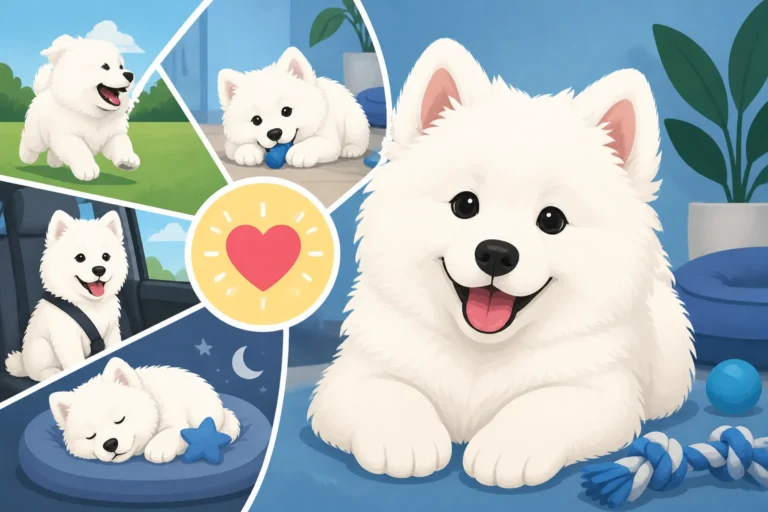
Puzzle toys, which dispense treats as your dog manipulates them, are fantastic for mental stimulation. They challenge your Samoyed's problem-solving skills and keep them engaged for a sustained period. Long-lasting chew toys, like a durable Kong filled with frozen peanut butter or plain yogurt, can also occupy them for a good stretch of time. These types of toys are readily found through retailers like Amazon and are excellent investments for any Samoyed owner. The key is to introduce these items when you are still around, so they associate them with quiet, independent activity rather than solely with your departure.
Beyond toys, consider incorporating short periods of intentional "alone time" while you're still in the house. This might mean having your Samoyed settle in their designated spot or crate in one room while you work in another, for just 15-30 minutes. Don't make a big fuss when you leave or return; treat it as a normal, everyday occurrence. This gradual exposure helps them understand that being separate from you for a short while is perfectly normal and that you will always return. Building this foundation of independent comfort is a vital step in ensuring your Samoyed is well-adjusted and secure, whether you're in the next room or out running errands.
When "Always Present" Becomes Separation Anxiety
While a Samoyed's desire for proximity is often an endearing trait, there's a fine line between a lovingly attached companion and a dog struggling with genuine separation anxiety. It's not always easy to tell the difference, especially when a naturally vocal breed like the Samoyed might express discontent more readily than others. Understanding the true signs of distress is vital to provide the right support for your furry friend.
Recognizing the Red Flags of Distress
The occasional whine or sad gaze when you prepare to leave is fairly normal for a Samoyed; they are intelligent and know what's coming. However, true separation anxiety manifests as a severe panic response when you are absent. The key difference is the intensity and nature of the behaviors, which go beyond simple protest. These behaviors are typically uncontrollable and distressing for the dog.
One of the most obvious red flags is excessive vocalization. This isn't just a few barks; it's often prolonged, frantic howling, constant barking, or the distinctive Samoyed scream that can persist for long periods after you've left. Neighbors are often the first to notice this. Another common sign is destructive behavior targeted at exit points, such as chewed doorframes, scratched doors, or attempts to dig through carpets or walls. This isn't naughtiness; it's a frantic effort to escape and find you. You can read more about their vocalizations in What a Samoyed Sounds Like When It Talks.
Other signs include house soiling (urinating or defecating indoors) even if your dog is reliably house-trained, which occurs specifically when left alone. Excessive drooling, pacing, panting, or even self-mutilation (like licking or chewing paws excessively) can also indicate severe anxiety. These behaviors typically begin within minutes of your departure, not hours later. If you've observed these patterns, especially through a pet camera, it's a strong indicator that your Samoyed isn't just a "Velcro dog" but is genuinely suffering. Detailed information about this issue can be found in Separation Anxiety in a Samoyed.
Strategies for Addressing Separation Anxiety
Addressing separation anxiety requires a multi-faceted approach, often involving a combination of behavioral modification, environmental management, and sometimes, veterinary intervention. The goal is to gradually teach your Samoyed that being alone is not a terrifying experience, but rather a normal and safe part of their routine. Patience and consistency are paramount, as this can be a long process.
One of the most effective strategies is gradual desensitization. This involves practicing short departures, slowly increasing the duration of your absence. Start by simply walking out the door and immediately returning before your Samoyed can even react. As they become comfortable with this, gradually increase the time you're away by mere seconds, then minutes. The key is to never push them to the point of panic. You want to keep them under threshold, always returning before anxiety sets in. This takes a lot of repetition and careful observation.
Ensure your Samoyed receives adequate physical and mental exercise before you leave. A tired dog is more likely to settle. Providing engaging enrichment, like a long-lasting chew or a puzzle toy, as you depart can also help create a positive association with your absence. Avoid making a big deal out of leaving or arriving; keep hellos and goodbyes calm and low-key. For structured guidance and resources on building your dog's confidence and independence, programs like BAXTER & Bella can be incredibly helpful, offering step-by-step training plans and support. If the anxiety is severe, consulting a veterinary behaviorist is highly recommended, as they can assess the situation comprehensively and may recommend medication in conjunction with behavioral therapy.
The Joys and Challenges of a Samoyed's Devotion
Living with a Samoyed truly means living with a constant companion. Their devotion is legendary, creating an incredibly rich and rewarding bond that brings immense joy and comfort to their owners. However, this profound attachment also comes with its own set of practical challenges that require understanding, patience, and proactive management to ensure a harmonious household. It's a balance of embracing their nature while gently guiding them towards a healthy level of independence.
The Unmatched Bond and Affection
There's nothing quite like the unwavering affection of a Samoyed. Their desire to be in your presence translates into a deep, loyal bond that makes them feel like true family members. They offer constant emotional support, often sensing when you're feeling down and offering a gentle nudge or a comforting lean. This constant companionship can be incredibly soothing, providing a consistent source of joy and reducing feelings of loneliness. Many owners describe their Samoyeds as their best friends, always there, always ready for a pet or a shared moment.
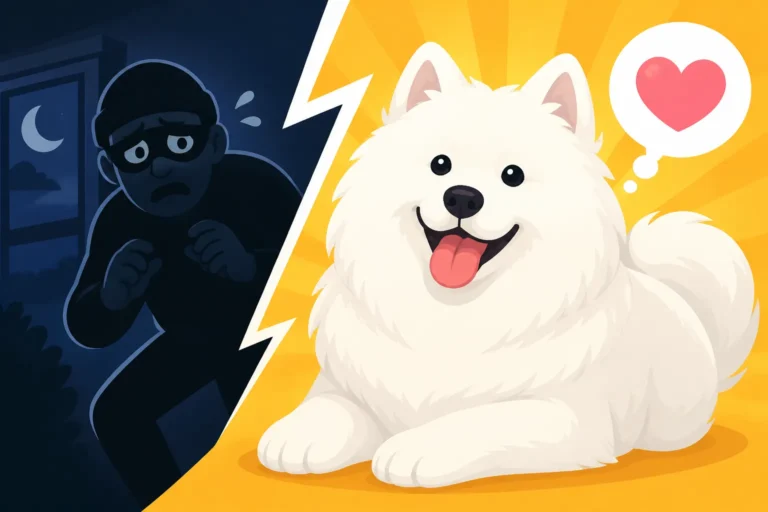
Their friendly, outgoing nature extends beyond their immediate family. Samoyeds are generally sociable dogs who greet everyone, including strangers, with enthusiasm and a wagging tail. This means they're usually excellent companions for families with children and often get along well with other pets, making them a wonderful addition to multi-species households. Their gentle disposition is truly one of their most endearing qualities. You'll find they are much more likely to welcome an intruder with a happy "boof!" than act as a guard dog, a trait explored further in Why a Samoyed Will Never Guard Your House.
This deep bond is precisely why so many Samoyed owners wouldn't trade their fluffy shadows for anything. The sense of being truly loved and cherished by an animal who simply wants to be near you is a powerful and unique experience. They are present for all of life's moments, big and small, adding warmth, laughter, and a soft, furry head to lean on. For many, this is the very essence of why they chose a Samoyed in the first place, understanding that their devotion means they will literally follow you through life, one room at a time. Why a Samoyed Follows You From Room to Room delves deeper into this delightful trait.
Navigating the Practicalities: Space, Independence, and Consistency
While the devotion is wonderful, the practicalities of a dog that insists on being in your immediate vicinity at all times can present some challenges. One common issue is navigating your home without tripping over a fluffy white body that has subtly repositioned itself directly behind you. Kitchens, hallways, and doorways suddenly become obstacle courses, requiring extra vigilance. Personal space, especially when working at a desk or trying to relax on the couch, often becomes a shared zone, whether you intended it or not.
Another significant challenge arises when you need to leave your Samoyed alone. Their strong desire for companionship means that even short absences can be difficult for them if they haven't been properly conditioned to tolerate solitude. This can impact your ability to run errands, go to work, or simply enjoy a quiet dinner out. The constant need for attention and presence means owners must be very intentional about building independence from an early age, otherwise, this trait can escalate into problematic behaviors like demanding attention or vocalizing when their needs aren't immediately met. For a realistic look at managing alone time, refer to How Many Hours a Samoyed Can Be Left.
Maintaining consistency in training and boundaries is crucial. Samoyeds are intelligent and will quickly learn what they can get away with. If sometimes they are allowed on the couch and other times they are not, they will become confused and persistent. Clear rules, consistent application, and rewarding desired behaviors (like settling in their bed) are essential. Without this, their delightful devotion can transform into an overbearing presence that can strain the owner-dog relationship. It’s a delicate balance of cherishing their loyalty while teaching them to be confident and comfortable, even when you're not within petting distance.
Setting Healthy Boundaries for You and Your Samoyed
While your Samoyed's desire to be constantly near you is rooted in their breed history and is undeniably charming, establishing healthy boundaries is crucial for both your well-being and theirs. It allows you to have your personal space when needed and helps your Samoyed develop a sense of security and independence, preventing issues like separation anxiety. This isn't about pushing them away, but about teaching them how to be content within a structured environment.
Teaching "Place" and "Stay" Effectively
Two of the most valuable commands for managing your Samoyed's proximity are "Place" and "Stay." "Place" teaches your dog to go to a designated spot, like their dog bed or a mat, and remain there until released. This is incredibly useful for situations where you need them out of the way, such as when cooking, answering the door, or having guests. It allows them to still be in the room and feel connected, but in a controlled manner that respects your space.
To teach "Place," start by luring your Samoyed onto their bed with a treat. As soon as they are on it, say "Place!" and reward them generously. Practice this many times in short, positive sessions. Once they understand the concept, gradually introduce the "Stay" command. Start with very short durations (a few seconds) and slowly increase the time they must remain on their place before receiving a reward. Always release them with a happy "Free!" command to signal the end of the exercise. High-value treats and enthusiastic praise are vital to make "Place" and "Stay" positive experiences. Consistency is key; make sure everyone in the household uses the same commands and expectations.
The beauty of these commands is that they empower your Samoyed. They learn that they can still be a part of the family without being underfoot. It gives them a job and a clear expectation, which many intelligent breeds appreciate. Remember to practice these skills in various rooms and with increasing distractions. An online training resource, such as BAXTER & Bella, can provide detailed tutorials and guidance for teaching these fundamental commands effectively, helping you and your Samoyed communicate better and establish these crucial boundaries.
Establishing a Routine for Alone Time
Even if you work from home or are retired, building in a routine for alone time is essential for your Samoyed's long-term emotional health. Their ancestral need for constant companionship means that learning to be comfortable and calm when you're not immediately present is a learned skill that requires intentional effort. Without it, they can become overly reliant on your presence, making actual departures much more challenging.
Start by creating predictable periods where your Samoyed is independently occupied or in a separate room while you are still home. For instance, put them in their comfy crate or on their "place" with a stimulating puzzle toy for 20-30 minutes while you work or tidy another part of the house. Don't make a big deal out of these mini-separations. The goal is for them to learn that you can be out of sight without it being a cause for alarm, and that you will always return. This gradual exposure helps to normalize periods of solitude.
Consistency in this routine is paramount. If their "alone time" is unpredictable, they will struggle to adjust. Consider how their natural work ethic translates into their need for a "job." Providing them with a safe space and an engaging activity (like a chew toy from Amazon) during these times gives them a positive outlet for their energy and focus. As they become more comfortable, you can slowly increase the duration of these independent periods. This builds a foundation of confidence and resilience, making it much easier for them to cope when you eventually need to leave the house for longer durations, giving you peace of mind and fostering a well-adjusted, confident Samoyed. The Job a Samoyed Actually Needs is a great resource for understanding their need for purpose.
| Aspect | Samoyed "Clinginess" (Healthy) | Separation Anxiety (Problematic) |
|---|---|---|
| Primary Motivation | Desire for companionship, historical bond, participation | Fear of abandonment, panic, inability to cope |
| Behavior when Alone | Settles, naps, plays with toys, waits patiently | Destructive chewing, frantic vocalization, escape attempts |
| Vocalization | Occasional protest whine, happy talk when you return | Prolonged barking, howling, screaming, often immediate upon departure |
| Destruction | None, or accidental chewing of own toys | Targeted at exits, self-mutilation (licking/chewing) |
| House Soiling | Rarely, unless unwell | Often occurs, specifically during owner's absence |
| Body Language | Relaxed, observant, happy to be near | Pacing, panting, drooling, anxious, distressed |
| Intervention Needed | Consistent boundaries, independent play, "place" training | Desensitization, counter-conditioning, vet/behaviorist consultation, potentially medication |
Disclaimer
This article is for general informational purposes only and does not constitute professional advice. Laws, prices and regulations vary by location and change over time. Consult a qualified professional for guidance on your specific situation.