When a Samoyed Blows Its Coat
If you've ever owned a Samoyed, you know the absolute shock of discovering just how much fur one fluffy dog can produce, especially when they suddenly decide to shed what feels like their entire winter wardrobe. It’s not just shedding; it’s a full-on "coat blow," and it can turn your home into a snowdrift of white fluff. This guide is here to walk you through what a Samoyed coat blow is, when to expect it, how long it lasts, and most importantly, how to manage the seemingly endless cascade of fur.
Understanding the Samoyed's Magnificent Double Coat
Before we dive into the blizzard that is a coat blow, it's crucial to understand the incredible engineering of a Samoyed's fur. These dogs originated in the frigid Siberian plains, and their coat is their ultimate survival tool, designed for extreme conditions. It's not just pretty; it's a marvel of natural insulation.
The Two Layers: Guard Hairs and Undercoat
A Samoyed possesses what's known as a double coat, and each layer serves a distinct, vital purpose. The outer layer consists of long, straight, harsh guard hairs. These aren't soft and cuddly; they're like a protective shield. They repel water, snow, and dirt, keeping the elements from penetrating to the dog's skin. Think of them as the outer shell of a high-performance winter jacket. They protect against abrasions, too, which was essential when these dogs were working in rough terrain.
Beneath this resilient outer layer lies the true engine of warmth: the dense, woolly undercoat. This is the soft, plush fur that makes Samoyeds so tempting to cuddle. This undercoat is incredibly fine and packed tightly, creating millions of tiny air pockets. These air pockets are what trap body heat, forming an insulating barrier that keeps the dog warm even in temperatures far below freezing. This undercoat also sheds out in massive quantities during a coat blow, which is where the real work for us owners begins. You can read more about What a Samoyed's Double Coat Is Made Of.
Why This Unique Coat is So Important
The Samoyed's coat is not just for keeping warm; it's an all-weather system. While it excels at insulation in the cold, it also offers protection from the heat. The density of the undercoat, combined with the reflective quality of the white guard hairs, helps prevent sunburn and provides a barrier against heat penetration in warmer climates. It's truly A Samoyed's Coat Is Insulation, Not Decoration. This natural design means that cutting or shaving a Samoyed's coat, especially during hot weather, can actually do more harm than good, disrupting their natural thermoregulation and potentially leading to skin problems or heatstroke. The coat helps regulate their body temperature year-round, making it a critical aspect of their overall health and comfort.
What Exactly is a "Coat Blow"?
When we talk about a Samoyed "blowing its coat," we're referring to something far more dramatic than your average shedding. This isn't just a few loose hairs here and there; it's a full-scale evacuation of their undercoat, and it's something every Samoyed owner will experience.
More Than Just Shedding: The Undercoat Release
A coat blow is specifically the process where a Samoyed sheds its entire dense undercoat, usually in preparation for new growth or in response to significant hormonal shifts. Unlike regular, year-round shedding where individual hairs fall out, a coat blow involves large clumps of dead, fluffy undercoat detaching from the skin. It can feel like your dog is literally disintegrating before your eyes, leaving behind piles of soft, cotton-like fur. This process is essential for their skin health and comfort, allowing new, healthy undercoat to grow in, which will either be lighter for summer or denser for the coming winter. Without this shedding, the old, dead fur can mat and prevent proper air circulation to the skin, leading to irritation and potential skin issues.
The Visual Impact of a Coat Blow
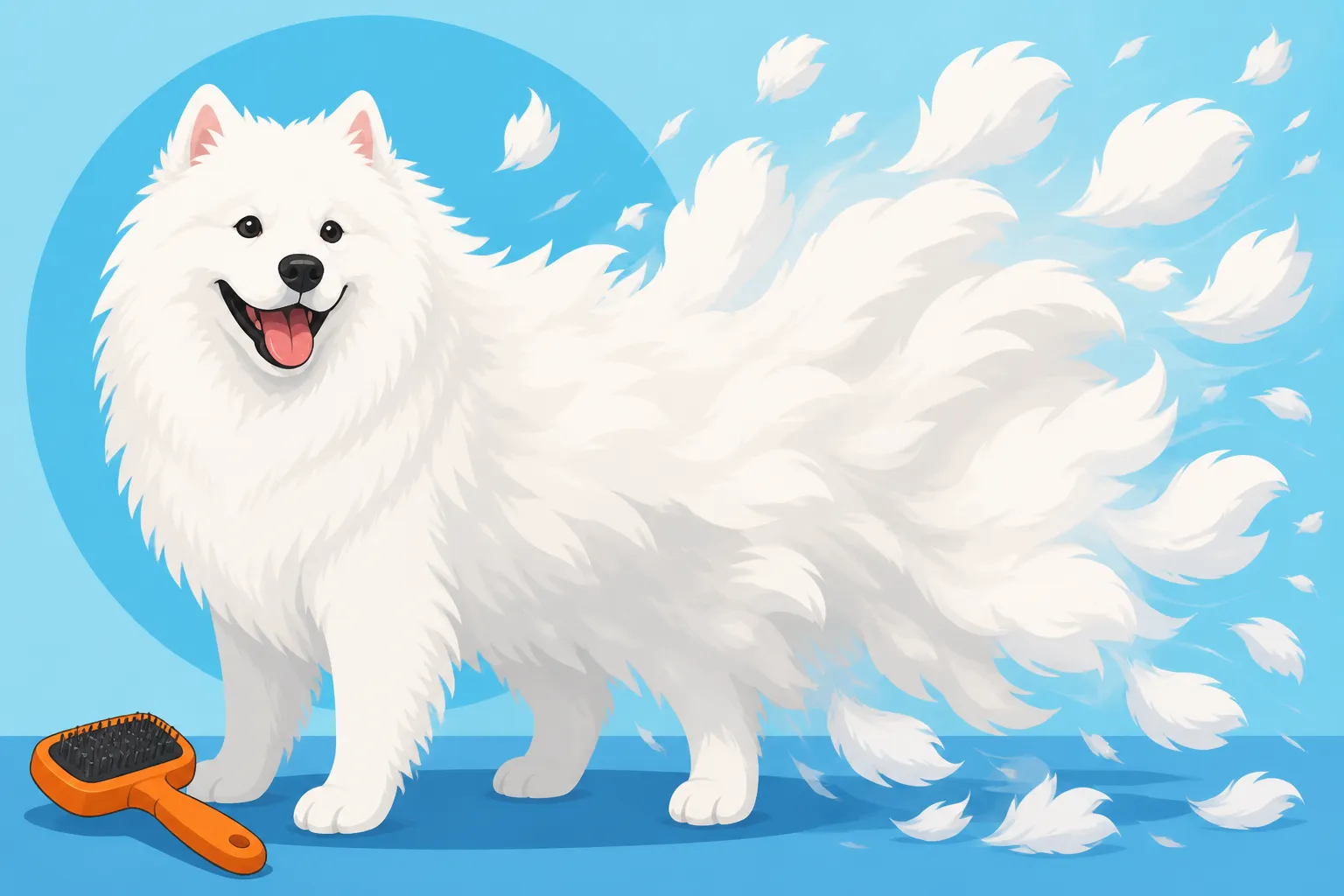
The visual impact of a coat blow can be quite startling, especially for first-time Samoyed owners. Your perfectly fluffy, pristine Samoyed might suddenly look patchy, scraggly, or like they’ve been attacked by a very aggressive dryer sheet. You'll see tufts of fur sticking out, particularly around their hindquarters, flanks, and neck. When you brush them, the amount of fur that comes off can fill grocery bags, and you'll find "tumbleweeds" of Samoyed fur rolling across your floors daily. It’s messy, it’s constant, and it requires a significant time commitment to manage. Expect to find fur on your clothes, furniture, and even in your food. This is the reality of living with such a magnificent double-coated breed.
When Does a Samoyed Typically Blow Its Coat?
Understanding the timing of a Samoyed's coat blow can help you prepare for the inevitable fur storm. There are a few key periods when you can expect your fluffy companion to shed their insulation in earnest.
The Rhythmic Cycle of Seasonal Shedding
For most Samoyeds, the most significant coat blows are seasonal, typically occurring twice a year. The first major shed usually happens in spring, as the weather warms up. Their dense winter undercoat is no longer needed, and they shed it to make way for a lighter summer coat that still provides protection without causing overheating. This spring shed is often the most dramatic, as they're losing the thickest layer of fur. The second major coat blow comes in the fall, as temperatures begin to drop. This shed clears out the lighter summer coat to allow for the growth of a new, even thicker winter undercoat.
The exact timing can vary based on individual dogs, geographic location (warmer climates might see less defined seasonal changes), and whether they spend more time indoors or outdoors. Dogs that live primarily indoors with controlled temperatures might have a more gradual, year-round shed rather than distinct coat blows. However, even indoor Samoyeds will generally have a noticeable increase in shedding during spring and fall.
Hormonal Triggers: Spaying, Neutering, and Pregnancy
Beyond seasonal changes, hormonal shifts are massive triggers for a Samoyed coat blow. For female Samoyeds, pregnancy and whelping (giving birth) are huge factors. After their puppies are born, it’s very common for them to blow their entire coat, sometimes leaving them quite sparse for a period. This is a natural process as their body recovers and hormonal levels normalize.
Similarly, spaying or neutering can induce a significant coat blow. The alteration in hormones can signal the body to shed a large amount of fur. While this might be a one-time event shortly after the procedure, some owners report changes in coat texture and shedding patterns for months or even permanently after spaying or neutering. These changes can make the coat even denser and more prone to matting, which actually increases the grooming challenge. It's a trade-off many owners face.
The "Puppy Uglies": First Coat Change
If you've brought home a Samoyed puppy, prepare for their very first coat blow, affectionately known as the "puppy uglies." This usually occurs between 4 to 12 months of age, as their soft, fluffy puppy coat transitions into a more adult, coarse double coat. During this phase, your adorable fluffball might look a bit awkward, with patches of denser adult fur mixed with remnants of the softer puppy coat.
This period requires consistent grooming to help remove the old puppy fur and prevent matting, as the two different textures can tangle easily. It’s a crucial stage for teaching your puppy to tolerate and even enjoy grooming sessions, as it sets the foundation for a lifetime of regular coat maintenance. This initial coat change is a sign that your Samoyed is growing up and developing the magnificent protective coat they are known for.
How Long Does a Samoyed's Coat Blow Last?
Ah, the million-dollar question for any Samoyed owner drowning in fur: When will it end? The answer, unfortunately, is "it depends," but we can give you a pretty good idea of what to expect.
The Initial Rush: A Few Weeks of Intensity
When a Samoyed is truly "blowing coat," the most intense phase typically lasts for about two to four weeks. During this period, you will be pulling out massive amounts of loose undercoat daily. It will feel relentless, like you could build another Samoyed purely from the fur you've collected. This is when daily, thorough brushing is absolutely essential to help expedite the process and prevent painful matting. If you neglect grooming during this initial rush, you’ll quickly find yourself dealing with dense mats that pull on the skin and can be very difficult, even painful, to remove.
For many owners, this is when trips to the professional groomer become a lifesaver, as they have the specialized tools and powerful dryers to get out more fur in one session than you could manage at home in a week. They can really help you get ahead of the shedding curve. You may also want to consider What a Coat Blow Costs at a Samoyed Groomer.
Lingering Shedding and Recovery
Once the initial deluge of fur subsides, you’re not entirely in the clear. While the "coat blow" itself might wrap up in a few weeks, Samoyeds are continuous light-to-moderate shedder year-round. After the major blow, your dog will likely continue to shed a noticeable amount of fur for another several weeks, or even a couple of months, as the new coat fully establishes itself and any remaining straggler hairs work their way out.
The duration and intensity can also be affected by factors like diet, health, stress, and even indoor climate control. A healthy Samoyed with a good diet and appropriate grooming will navigate a coat blow more efficiently than one with underlying health issues or poor coat condition. Think of the recovery phase as a slow tapering off, where brushing twice a week becomes sufficient, rather than the daily marathon required during the peak blow.
Navigating the Avalanche: Managing a Samoyed's Coat Blow
Successfully managing a Samoyed's coat blow is less about stopping it (you can't!) and more about efficiently removing the dead fur, keeping your dog comfortable, and maintaining your sanity. It requires dedication, the right tools, and a bit of a strategy.
Essential Grooming Tools for the Job
Having the right arsenal of grooming tools makes all the difference when tackling a Samoyed coat blow. You can find many of these tools easily on platforms like Amazon or Chewy.
- Slicker Brush: Excellent for getting through the topcoat and starting to pull out some of the looser undercoat. Choose one with sturdy pins.
- Undercoat Rake/De-shedding Tool: This is your heavy artillery. Tools specifically designed to remove undercoat, like a good quality undercoat rake, are indispensable. They have long, curved teeth that reach deep into the undercoat without cutting the guard hairs. Be careful not to scrape the skin.
- Pin Brush: Great for general grooming and for fluffing up the coat once the bulk of the loose fur is removed.
- Force Dryer (High-Velocity Dryer): This is perhaps the most effective tool, if you're serious about at-home grooming. A force dryer literally blows the loose undercoat out of the coat with powerful air, significantly reducing brushing time and getting the fur off the dog (and onto the floor, so use it outside if possible!). Many owners invest in one, as it can save on professional grooming costs in the long run. Learn more about What a Force Dryer Costs a Samoyed Owner.
- Wide-toothed Comb: Essential for checking for mats and ensuring you've thoroughly brushed out all tangles.
- Grooming Table (optional but highly recommended): Elevates your dog to a comfortable working height, saving your back and making the process much more efficient.
Here's a quick comparison of essential tools:
| Tool | Primary Purpose | Usage During Coat Blow |
|---|---|---|
| Slicker Brush | Detangling and surface shedding | Good for initial pass, fluffing |
| Undercoat Rake | Deep undercoat removal | Essential for pulling out loose undercoat |
| Pin Brush | Gentle detangling, finishing, fluffing | Daily maintenance, gentle on sensitive areas |
| Wide-toothed Comb | Checking for mats, line brushing | Crucial for ensuring no hidden mats are left |
| Force Dryer | Blasting out loose undercoat, drying quickly | Most effective for removing vast amounts of fur |
The Art of Effective Brushing
Brushing a Samoyed isn't just a casual sweep; it's a methodical process, especially during a coat blow. The goal is to remove as much dead undercoat as possible without damaging the healthy coat or irritating the skin. Start by sectioning off your dog's coat. A technique called "line brushing" is highly effective: part the fur against the grain, exposing the skin, and then brush downwards from the skin out, slowly moving along the section.
Work in small sections, starting from the legs and belly, and moving up towards the back. Be particularly thorough in areas prone to matting, such as behind the ears, armpits, under the tail, and around the "ruff" on their neck. During a coat blow, you should be brushing daily, sometimes even twice a day, depending on the severity of the shed. This consistent effort prevents mats from forming and keeps your Samoyed comfortable. Regular brushing also helps distribute natural oils, keeping the skin and coat healthy. You'll soon see How Often a Samoyed Needs Brushing if you're not already brushing daily.
Strategic Bathing and Drying Techniques
Bathing during a coat blow can be incredibly helpful, but it must be done correctly. A thorough bath with a good quality shampoo and conditioner can help loosen dead fur, making it easier to remove. However, the most critical step after bathing a double-coated dog like a Samoyed is drying.
You absolutely must dry your Samoyed completely to the skin using a high-velocity force dryer. If the undercoat is left even slightly damp, it can create a perfect breeding ground for bacteria and yeast, leading to hot spots and severe matting. Plus, any dampness in the undercoat will actually tighten and compress the dead fur, making it impossible to brush out later. The force dryer will also blast out an astonishing amount of loose fur while drying, making your brushing efforts much more efficient afterwards. Seriously, the amount of fur that flies off with a force dryer is mind-boggling. Neglecting proper drying is one of the biggest mistakes an owner can make during a coat blow. Drying a Samoyed to the Skin is non-negotiable.
Supporting Coat Health Through Nutrition and Care
While you can't prevent a coat blow, you can certainly support your Samoyed's skin and coat health through good nutrition and overall care, which can make the shedding process smoother and the new coat healthier.
Dietary Support for Skin and Coat
A healthy coat starts from the inside out. Providing a high-quality, balanced diet is fundamental. Look for dog foods that list a named meat source as the primary ingredient and avoid excessive fillers. Beyond the basics, certain nutrients are particularly beneficial for skin and coat health:
- Omega-3 and Omega-6 Fatty Acids: These are crucial for maintaining healthy skin and a shiny coat. They help reduce inflammation and support the skin's barrier function. Many premium dog foods include these, but you might consider adding supplements like fish oil. This is why Whether a Samoyed Needs Fish Oil is a common question. Brands like Ollie often emphasize quality ingredients and balanced nutrition that can contribute to overall coat health.
- Protein: Hair is primarily made of protein, so ensuring adequate high-quality protein in their diet is essential for strong, healthy hair growth.
- Vitamins and Minerals: Biotin, zinc, and vitamins A and E are all important for skin and coat integrity.
Always discuss any dietary changes or supplements with your veterinarian, especially if your Samoyed has any existing health conditions, such as diabetes. Feeding a Samoyed That May Become Diabetic requires a very specific approach, for instance. A healthy diet will contribute to a healthier coat, which can minimize excessive shedding and make the coat blows easier to manage.
Environmental Management During a Coat Blow
Beyond diet and direct grooming, managing your Samoyed's environment can also play a role during a coat blow. While their coat is designed for insulation, extreme or sudden temperature changes can sometimes trigger or prolong shedding. Maintaining a consistent indoor temperature can help, though they will still have their natural seasonal cycles.
Ensure your Samoyed has access to plenty of fresh water, as hydration is important for overall health, including skin and coat condition. Regularly cleaning your home during a coat blow is also vital for your own comfort and to prevent fur from accumulating excessively. Investing in a good vacuum cleaner (and plenty of replacement bags!) becomes a necessity.
Finally, be vigilant about skin health during this period. The dense, shedding undercoat can hide skin irritations or Whether a Samoyed Gets Hot Spots Under Its Coat. If you notice excessive scratching, redness, or bald patches, consult your vet. Promptly addressing any underlying skin issues will help your Samoyed get through their coat blow more comfortably and grow in a beautiful, healthy new coat.
Disclaimer
This article is for general informational purposes only and does not constitute professional advice. Laws, prices and regulations vary by location and change over time. Consult a qualified professional for guidance on your specific situation.