Why Pancreatitis Precedes Samoyed Diabetes
It’s truly a heart-wrenching moment when your beloved Samoyed starts showing signs of being unwell. As a Samoyed parent, you might have heard whispers of a connection between pancreatitis and diabetes, a link that can feel confusing and overwhelming. This guide is here to untangle that mystery, explaining why pancreatitis can often set the stage for diabetes in our beautiful, fluffy companions and what you can do about it.
Understanding Pancreatitis in Samoyeds
When we talk about the health of our Samoyeds, it’s easy to focus on their beautiful coats or their joyful smiles, but there are complex systems working hard behind the scenes. The pancreas, a small but mighty organ, plays a pivotal role in their overall well-being, and when it goes awry, the consequences can be profound.
The Pancreas: A Vital Organ and Its Dual Role
Think of the pancreas as a miniature factory with two very important production lines. Its first job, the exocrine function, is to produce powerful digestive enzymes. These enzymes are crucial for breaking down fats, carbohydrates, and proteins in your Samoyed’s food, making it possible for their body to absorb nutrients. Normally, these enzymes are inactive until they reach the small intestine, where they’re safely activated to do their work.
The pancreas’s second job, the endocrine function, is just as critical: it’s responsible for producing hormones, most notably insulin and glucagon. Insulin is the key that unlocks cells, allowing glucose (sugar from food) to enter and be used for energy. Glucagon, on the other hand, helps raise blood sugar levels when they get too low. This delicate balance of blood sugar regulation is absolutely essential for your Samoyed’s health, ensuring their brain and body have a steady energy supply. Because the pancreas is involved in both digestion and hormone production, any major inflammation or damage to it can have wide-reaching effects, potentially impacting both systems.
What Happens During Pancreatitis
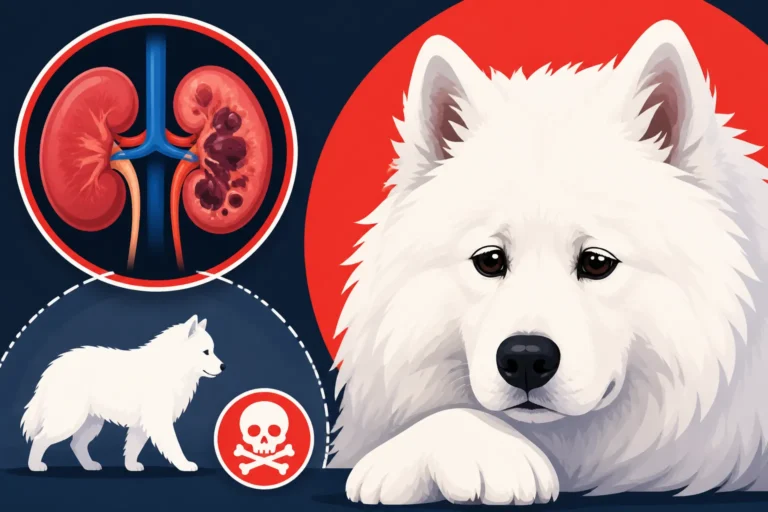
Pancreatitis is, simply put, an inflammation of the pancreas. The real trouble starts when those powerful digestive enzymes, which are supposed to activate after leaving the pancreas, decide to activate prematurely while still inside the organ. It's like a factory where the safety protocols fail, and the workers start to dismantle the factory itself. These activated enzymes begin to "digest" the pancreatic tissue, causing immense pain, inflammation, and damage to the pancreas itself and surrounding tissues.
For Samoyeds, pancreatitis can manifest in acute, severe episodes or as a chronic, low-grade, simmering inflammation that comes and goes. The acute form is often triggered by things like a sudden, high-fat meal – perhaps that greasy bite of bacon your Samoyed snuck off the counter or a rich holiday dinner. Certain medications can also be culprits, though less commonly. Obesity is a significant risk factor as well, as excess fat tissue can promote inflammation throughout the body, including the pancreas. The chronic form is trickier because the symptoms might be subtle, making it harder to catch early. This ongoing inflammation, whether acute or chronic, is what lays the groundwork for more serious health issues, particularly those related to insulin production.
The Direct Link: Pancreatic Damage and Insulin Production
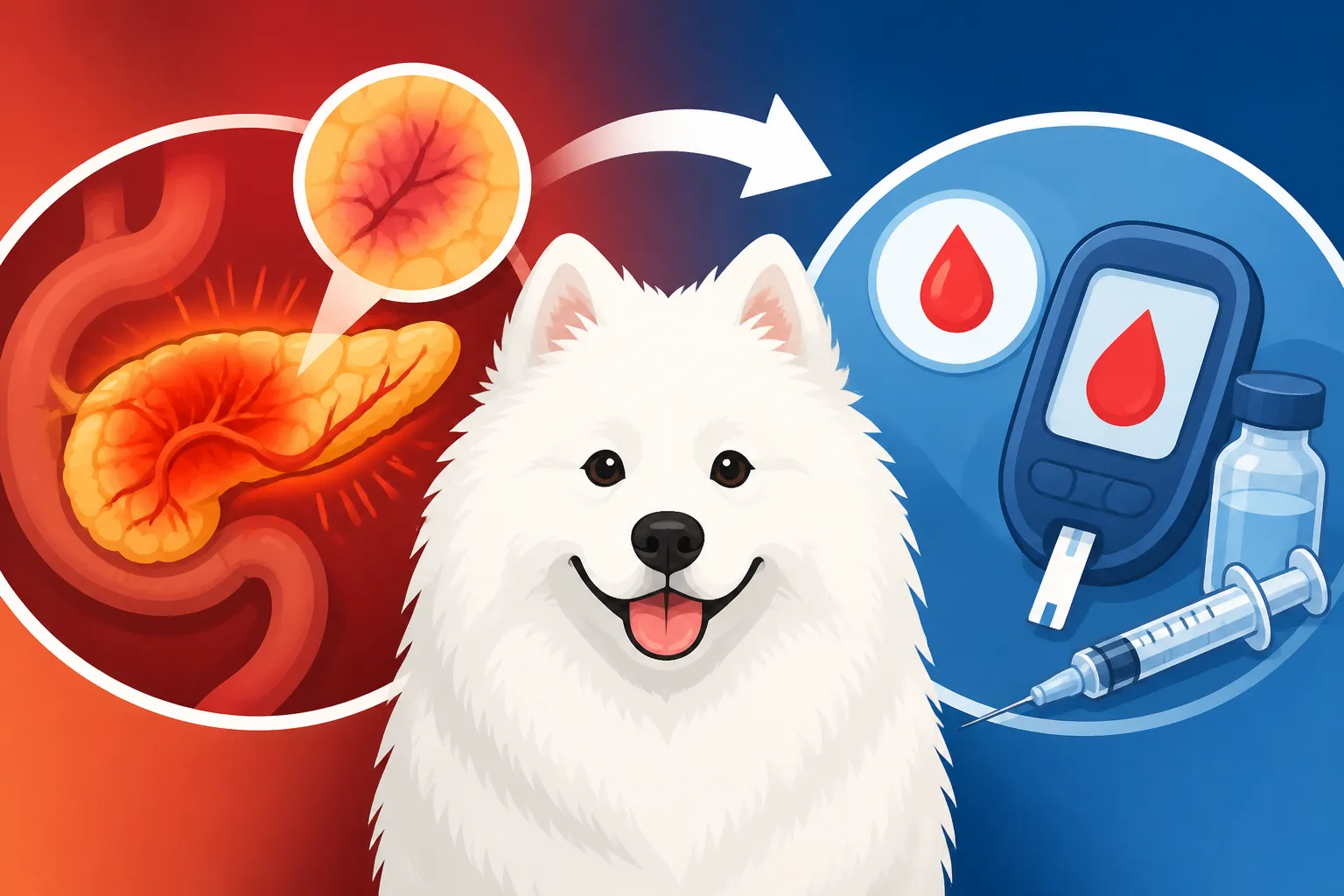
The connection between a inflamed pancreas and the onset of diabetes isn't a coincidence; it's a direct consequence of the damage inflicted upon the pancreatic tissue. Understanding this link is crucial for any Samoyed owner concerned about their dog’s long-term health.
Beta Cell Destruction: The Gateway to Diabetes
Deep within the pancreas, scattered like tiny islands, are clusters of cells called the Islets of Langerhans. Within these islets reside the beta cells, and these little powerhouses are exclusively responsible for producing insulin. Insulin, as we discussed, is the hormone that regulates blood sugar by allowing glucose to enter cells. When pancreatitis strikes, the inflammation and "self-digestion" process doesn't just cause pain; it actively destroys these vital beta cells.
Imagine those beta cells as small, delicate machines. During a pancreatitis episode, whether it's a sudden severe attack or prolonged low-grade inflammation, these machines get caught in the crossfire. As more and more beta cells are damaged and destroyed, the pancreas loses its ability to produce sufficient insulin. There's a tipping point: once a critical mass of beta cells is gone – typically around 80-90% – the pancreas can no longer keep up with the body's insulin demands, and voilà, diabetes mellitus sets in. This is why pancreatitis is a significant precursor to diabetes in dogs.
Exocrine Pancreatic Insufficiency (EPI) vs. Endocrine Dysfunction
It’s important to distinguish between two different pancreatic conditions that can arise from pancreatic damage: Exocrine Pancreatic Insufficiency (EPI) and endocrine dysfunction, which is diabetes. With EPI, the exocrine function of the pancreas fails. This means the pancreas isn't producing enough digestive enzymes. Dogs with EPI struggle to digest food, leading to severe weight loss despite a ravenous appetite, and large, greasy, yellowish stools. It’s a problem with absorbing nutrients.
Diabetes, on the other hand, is an endocrine dysfunction. This is when the beta cells, responsible for insulin production, are destroyed. The problem here isn't digestion, but rather the body's inability to regulate blood sugar. Pancreatitis can, in some cases, lead to both EPI and diabetes, but for the purpose of understanding the diabetes link, the key is the damage to those beta cells. Most canine diabetes cases are classified as Type 1 (insulin-dependent), meaning the body stops producing insulin altogether, which often stems from immune-mediated destruction or, as in the case of pancreatitis, physical destruction of beta cells. This distinction helps us understand the specific pathway from pancreatic inflammation to blood sugar dysregulation.
Why Samoyeds Might Be More Susceptible
It's a question many Samoyed owners ponder: why them? While pancreatitis and diabetes can affect any dog, certain breeds, including our fluffy friends, might carry a heightened risk. It's never a guarantee, but understanding these predispositions can empower you to provide the best preventative care.
Genetic Predisposition and Breed-Specific Traits
While there isn't a universally recognized "Samoyed-specific" gene for pancreatitis that directly causes diabetes, we know that certain breeds do have a higher incidence. Miniature Schnauzers, for instance, are notoriously prone to pancreatitis, often linked to hyperlipidemia (high fat in the blood). Samoyeds, while not quite on that level, are a purebred dog, and like all purebreds, they can carry predispositions to various health conditions. If you're wondering if your Samoyed's diabetes could be genetic, it's a complex picture. The exact genetic link for canine diabetes is often polygenic, meaning multiple genes are involved, or it might be secondary to another condition like chronic pancreatitis.
Their historical diet and metabolic rates, honed over centuries in harsh Arctic conditions, might also play an subtle role. These are dogs bred for endurance and often a leaner body type. However, when combined with modern, richer diets and more sedentary lifestyles, their system can be put under stress. It's a subtle interplay, but it’s worth being mindful that your Samoyed might just be more sensitive than a mixed breed dog without such a specific genetic background.
The Role of Diet and Lifestyle Factors
Even if genetics load the gun, it's often environmental and lifestyle factors that pull the trigger for pancreatitis, thereby setting the stage for diabetes. The biggest culprit for pancreatitis flare-ups is often a diet too high in fat. A single, rich, fatty meal can send a Samoyed's pancreas into overdrive, triggering an acute inflammatory response. Think about that holiday roast drippings or a large piece of fatty meat – while a tiny bit might seem harmless, for a dog prone to pancreatitis, it can be disastrous. Obesity is another huge factor. Excess body fat is not just inert; it's metabolically active tissue that produces inflammatory hormones, creating a systemic environment ripe for pancreatic inflammation.
Lack of regular exercise can compound these issues, contributing to weight gain and overall metabolic imbalance. For a breed like the Samoyed, who thrives on activity and having a job to do, a sedentary lifestyle can be detrimental. Stress can also play a role, though less directly, by affecting overall immune and metabolic function. This is why feeding a Samoyed that may become diabetic requires careful consideration and often a low-fat, consistent diet. Preventing those pancreatitis flare-ups through proper diet and maintaining a healthy weight is one of the most powerful things you can do to protect your Samoyed's pancreatic health and reduce their risk of developing diabetes.
Recognizing the Signs and Early Intervention
Spotting health issues in Samoyeds can feel like a game of hide-and-seek. Their perpetually smiling faces and stoic nature often mask discomfort, making it incredibly challenging to realize something is wrong. Knowing the subtle signs of both pancreatitis and the subsequent onset of diabetes is crucial for timely intervention.
Spotting Pancreatitis Symptoms in a Samoyed
Pancreatitis can present with a range of symptoms, from mild to severe, and they can be notoriously vague, especially in a breed like the Samoyed, who are masters at hiding illness behind a smile. Common signs include repeated vomiting, diarrhea, and a painful abdomen. You might notice your Samoyed adopting a "prayer position" – front legs down, rear end up – as if trying to alleviate discomfort in their belly. They might be lethargic, refuse food, or simply seem "off." They could also have a fever.
Because these symptoms aren’t exclusive to pancreatitis, it’s vital to get your Samoyed to the vet immediately if you notice any of them. Your veterinarian will likely recommend specific blood tests, such as a canine pancreatic lipase immunoreactivity (cPLI) test, which is quite accurate for diagnosing pancreatitis. An ultrasound can also be invaluable for visualizing the pancreas and assessing the extent of inflammation. Don't wait, because chronic, low-grade pancreatitis can continuously chip away at the pancreas, silently leading towards diabetes.
The Onset of Diabetic Symptoms
If pancreatitis has severely damaged enough of those insulin-producing beta cells, diabetes symptoms will inevitably follow. These signs often indicate that the pancreatic damage has reached a critical point and the body can no longer regulate blood sugar effectively. The classic symptoms of canine diabetes are:
- Increased Thirst (Polydipsia): Your Samoyed will seem insatiably thirsty, constantly drinking from their bowl, even seeking out other water sources.
- Increased Urination (Polyuria): This goes hand-in-hand with increased thirst. Your Samoyed will need to urinate more frequently, may have accidents in the house, or seem unable to hold their bladder as long.
- Weight Loss Despite Eating: Despite a normal or even increased appetite, your Samoyed might start to lose weight. This is because their body can't utilize glucose for energy, so it starts breaking down fat and muscle.
- Cloudy Eyes (Diabetic Cataracts): Many diabetic dogs develop cataracts rapidly, leading to a cloudy appearance in their eyes and potential vision loss.
Recognizing these signs a Samoyed has become diabetic is paramount. These symptoms warrant an immediate veterinary visit for diagnosis through blood and urine tests. The earlier diabetes is diagnosed and managed, the better the prognosis for your Samoyed’s long-term health and quality of life.
| Symptom | Primary Indication | Often Associated With |
|---|---|---|
| Vomiting, Diarrhea | Pancreatitis | Digestive distress, abdominal pain |
| Abdominal Pain (hunched posture) | Pancreatitis | Inflammation, discomfort in the belly |
| Lethargy, Loss of Appetite | Pancreatitis | General unwellness, pain |
| Increased Thirst (Polydipsia) | Diabetes | High blood sugar, dehydration |
| Increased Urination (Polyuria) | Diabetes | High blood sugar, kidney efforts |
| Weight Loss (despite eating) | Diabetes | Inability to use glucose for energy |
| Cloudy Eyes (Cataracts) | Diabetes | High blood sugar's effect on lenses |
Managing the Progression and Protecting Pancreatic Health
Once you understand the delicate balance of the pancreas, taking proactive steps to protect it becomes paramount. Managing the progression from potential pancreatic inflammation to full-blown diabetes involves diligent care and a strong partnership with your veterinarian.
Dietary Management and Lifestyle Adjustments
The cornerstone of preventing pancreatitis flare-ups and slowing any potential progression towards diabetes is a carefully managed diet. For Samoyeds, especially those with a history of pancreatitis or a predisposition, a low-fat, highly digestible diet is often recommended. Why low-fat? Because fat is the primary nutrient that stimulates the pancreas to release its digestive enzymes. Reducing dietary fat lessens the workload on the pancreas, thereby reducing the risk of those enzymes activating prematurely and causing inflammation. Your vet might recommend prescription diets specifically formulated for pancreatic health, such as Royal Canin Gastrointestinal Low Fat or Hill's Prescription Diet i/d Low Fat.
Beyond diet, maintaining a healthy weight for your Samoyed is absolutely non-negotiable. Obesity puts stress on all internal organs, including the pancreas, and increases systemic inflammation. Regular, moderate exercise, appropriate for your Samoyed's age and health, is also vital for overall metabolic health. This doesn't mean extreme workouts, but consistent daily walks or playtime. Routine vet check-ups, including regular bloodwork, are essential. Asking your vet, "Whether a Samoyed needs yearly glucose bloodwork" can help catch subtle changes in blood sugar levels before they become full-blown diabetes. This proactive approach significantly improves their long-term outlook.
Proactive Care and Veterinary Support
Catching pancreatitis early and managing it aggressively is key to protecting your Samoyed from developing diabetes. If you suspect your Samoyed is experiencing a pancreatitis flare-up, prompt veterinary attention is crucial. Treatment for acute pancreatitis typically involves hospitalization, intravenous (IV) fluids to prevent dehydration and support organ function, pain medication to alleviate severe discomfort, and anti-nausea medications to control vomiting. Early and effective treatment can minimize pancreatic damage.
Beyond immediate crisis management, regular wellness exams are invaluable. Your veterinarian can monitor your Samoyed's weight, discuss appropriate dietary strategies, and recommend screening tests. Don't be shy about discussing your concerns or asking about preventative measures. Knowing "Whether a Samoyed recovers from pancreatitis" is also important – while the acute episode might resolve, the underlying susceptibility or chronic inflammation often remains, requiring ongoing management. For many owners, the financial strain of chronic conditions is a real worry. This is where comprehensive pet insurance like Healthy Paws can be a lifesaver, covering a significant portion of the costs for diagnostic tests, treatments, and ongoing medications, allowing you to focus on your Samoyed's health without added stress. Their plans can offer peace of mind when unexpected, chronic illnesses arise.
Living with Diabetes After Pancreatitis
If, despite all your best efforts, pancreatitis does lead to diabetes in your Samoyed, it marks a significant shift in their care routine. It's a diagnosis that requires commitment, but with proper management, your Samoyed can still enjoy a happy and fulfilling life.
Insulin Therapy and Monitoring
For most Samoyeds diagnosed with diabetes, daily insulin injections become a necessary and lifelong part of their routine. This might sound intimidating at first, but with guidance from your vet, administering insulin at home becomes second nature for most owners. The question of "How often a diabetic Samoyed needs insulin" is usually answered with twice-daily injections, typically given after meals to help their body process the incoming glucose.
Monitoring blood glucose levels is paramount to ensuring the insulin dosage is effective and safe. This often involves regular "glucose curves" at the vet's office, where blood sugar is measured multiple times over a day to see how the insulin is working. Increasingly, continuous glucose monitors (CGMs), similar to those used in humans, are becoming available for pets, allowing for less stressful, real-time monitoring at home. Learning to manage these aspects is a true partnership between you and your vet.
The Lifelong Commitment to a Diabetic Samoyed
Living with a diabetic Samoyed is undoubtedly a lifelong commitment. It means sticking to a consistent feeding schedule, administering insulin exactly as prescribed, and ensuring regular, moderate exercise. Consistency is the magic word in diabetes management, as fluctuations in routine can wreak havoc on blood sugar levels. But don't let this deter you; with diligent care and a positive attitude, a diabetic Samoyed can lead a wonderfully normal life. Many owners find that "Managing a diabetic Samoyed" becomes a routine that strengthens their bond with their pet.
This commitment extends to financial planning as well. The ongoing costs of insulin, syringes, vet check-ups, and potentially a prescription diet can add up. This is another area where reliable pet insurance, such as Healthy Paws, can significantly alleviate the financial burden. They often cover costs associated with managing chronic conditions like diabetes, including insulin and monitoring supplies, helping you provide the best possible care without constant worry about bills. Remember, your veterinary team is your greatest ally, providing support, education, and adjustments to your Samoyed’s care plan as needed throughout their journey.
Disclaimer
This article is for general informational purposes only and does not constitute professional advice. Laws, prices and regulations vary by location and change over time. Consult a qualified professional for guidance on your specific situation.