Whether the Samoyed Kidney Gene Has Been Bred Out
It's an absolutely heartbreaking thing to think about – the idea that a beautiful, fluffy Samoyed, a member of your family, could be carrying a gene that leads to a devastating, early-onset kidney disease. Many prospective and current Samoyed owners wrestle with the question of Samoyed Hereditary Glomerulopathy (SHG) and whether this particular "Samoyed kidney gene" has been successfully eliminated from the breed. This guide aims to clear up the confusion and give you a realistic, in-depth look at where the breed stands today regarding this serious health concern.
Understanding Samoyed Hereditary Glomerulopathy (SHG)
Before we dive into whether the gene has been bred out, let's really understand what Samoyed Hereditary Glomerulopathy is. It's not just "any kidney disease"; it's a very specific, inherited condition that primarily impacts male Samoyeds in a truly devastating way. The knowledge we have about this disease is relatively recent, and it has profoundly changed breeding practices for conscientious Samoyed enthusiasts.
The Specifics of Samoyed Hereditary Glomerulopathy
SHG is what we call an X-linked genetic disorder. This means the gene responsible, known as COL4A5, is located on the X chromosome. If you remember your high school biology, males have one X and one Y chromosome (XY), while females have two X chromosomes (XX). This genetic quirk is precisely Why Samoyed Hereditary Glomerulopathy Only Devastates the Boys.
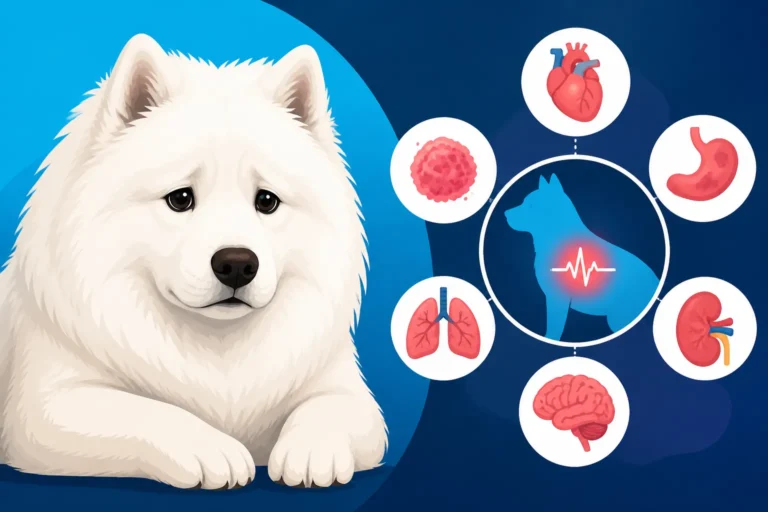
For male Samoyeds, having just one copy of the mutated COL4A5 gene on their single X chromosome is enough to cause the full, severe disease. Their bodies can't produce enough of a specific type of collagen (Type IV collagen) that is absolutely crucial for the proper structure and function of the glomeruli in their kidneys. Glomeruli are like tiny, intricate sieves that filter waste from the blood. When they're compromised, they start leaking protein, and eventually, the kidneys fail entirely. You can read more about What Samoyed Hereditary Glomerulopathy Does to the Kidneys.
Female Samoyeds, on the other hand, usually only develop mild symptoms, if any, even if they carry one copy of the mutated gene. Because they have two X chromosomes, the "good" copy on their other X chromosome often compensates, protecting them from the severe, rapid progression seen in males. These females are considered carriers, and while they might show some mild, late-onset protein loss in their urine, they rarely succumb to kidney failure from SHG. This explains Why a Carrier Female Samoyed Stays Mild.
Why SHG Is Such a Pressing Concern
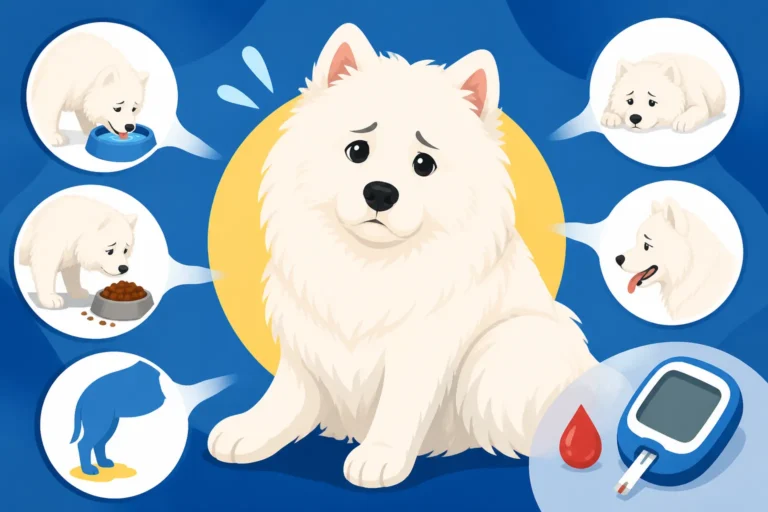
The reason SHG looms so large in the Samoyed community is the dire prognosis for affected males. The disease usually manifests with noticeable signs around 3-6 months of age, and tragically, most affected males succumb to kidney failure by 15 months, though some can decline earlier or later. This is truly The Kidney Disease That Kills Samoyed Males Before Fifteen Months. Imagine the joy of bringing home a fluffy, happy puppy, only for it to start showing signs of lethargy, increased thirst, and poor appetite just a few months later. The initial signs might be subtle, like increased thirst or needing to urinate more often, but these quickly escalate. Owners often observe Signs a Samoyed Is Losing Protein in Its Urine which is a critical early indicator. The progression can be devastatingly quick, leaving families heartbroken. The emotional and financial toll of watching a young dog suffer and knowing there's no cure is immense.
The Reality of Breeding Out Genetic Diseases
When we talk about "breeding out" a genetic disease, it's a nuanced and often lengthy process. It's not like flipping a switch. Especially with a historically significant breed like the Samoyed, beloved for its specific traits and temperament, simply eliminating all carriers can sometimes lead to an undesirable narrowing of the gene pool, potentially introducing other health problems or losing valuable characteristics.
The Challenges of Eliminating a Gene
For an X-linked condition like SHG, the challenge is amplified. If a breeder were to immediately stop breeding any female carrier, even those with excellent health and conformation from strong lines, it could drastically reduce the genetic diversity of the breed. Genetic diversity is vital for the overall health and resilience of any breed. We need to be careful not to create new problems in our zeal to solve old ones. It's a delicate balance.
Furthermore, before the specific DNA test for COL4A5 was available, breeders could only guess at carrier status based on the health of offspring, which was an imperfect science. They might have unknowingly bred carrier females to carrier or even affected males, perpetuating the gene. This is why advancements in genetic testing are so crucial.
The Role of DNA Testing
The breakthrough in understanding and managing SHG came with the development of a specific DNA test for the COL4A5 gene mutation. This test is a game-changer. For the first time, breeders could definitively identify not only affected males but also carrier females and, most importantly, clear individuals – those who don't carry the gene at all. The DNA Test That Finds the Samoyed Kidney Gene has truly revolutionized breeding practices.
This test allows a breeder to know the genetic status of their breeding stock with certainty. It takes the guesswork out of the equation and provides a clear path forward for making informed breeding decisions. Without this test, eradicating the gene would be nearly impossible, as visually healthy carrier females would continue to pass it on. This is truly The COL4A5 Test Every Samoyed Buyer Should Ask About.
What Responsible Samoyed Breeders Are Doing Today
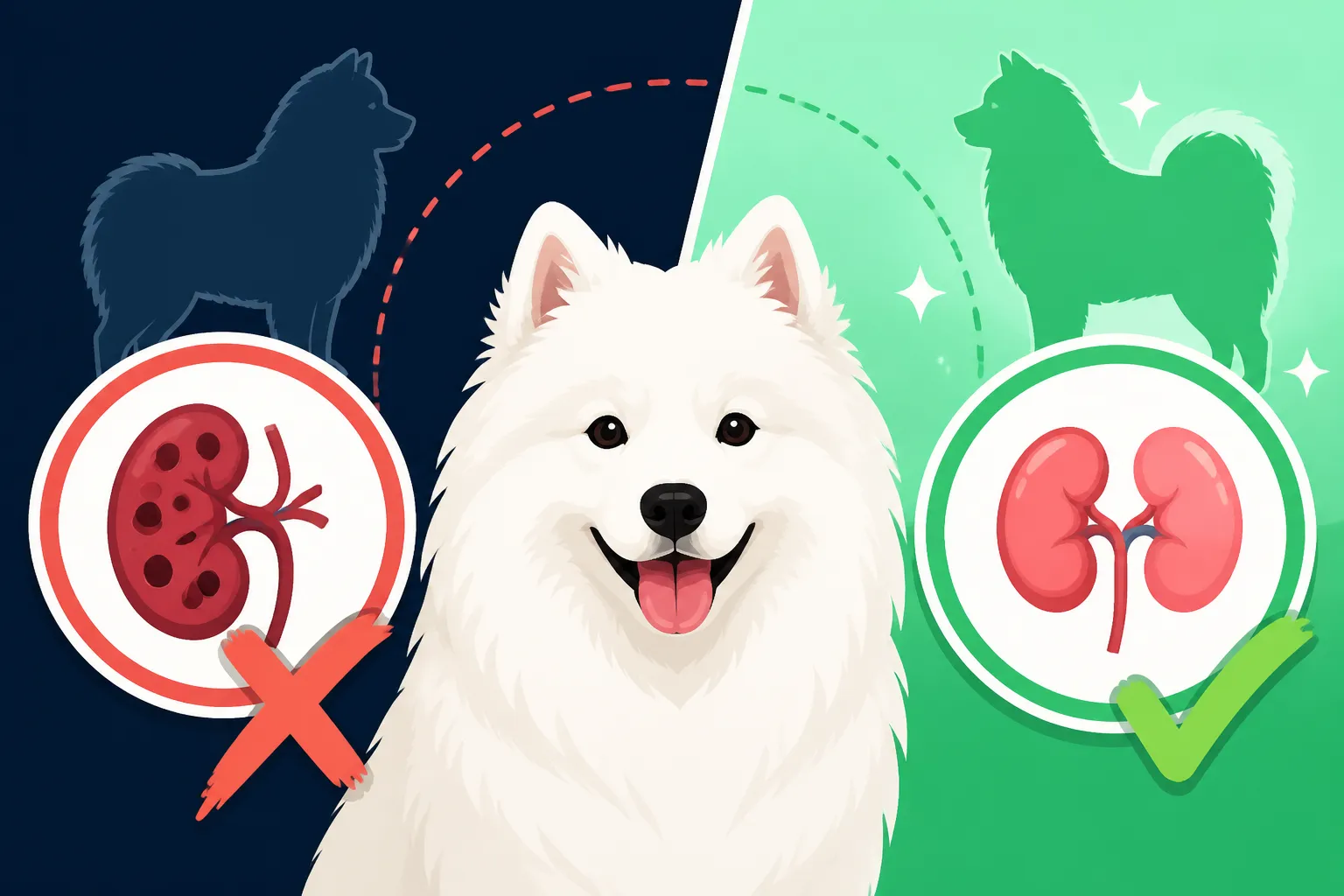
So, has the Samoyed kidney gene been bred out? The honest answer is: not entirely, but responsible breeders are making incredible strides, and the goal is absolutely within reach over time. It's a continuous, diligent effort, not a one-time fix.
Diligent Screening and Mating Choices
Today, responsible Samoyed breeders are universally utilizing the COL4A5 DNA test. Their primary goal is to never produce an affected male puppy. This means meticulously screening both prospective parents and making careful mating choices based on their genetic status.
Here’s a general breakdown of how conscientious breeders approach this:
- Clear to Clear: The safest pairing, guaranteeing all puppies will be clear of the SHG gene.
- Clear Male to Carrier Female: This is a common and acceptable pairing in a thoughtful breeding program. Since the male is clear, none of the male puppies will be affected. Half of the female puppies are expected to be clear, and half will be carriers. This allows breeders to retain valuable genetics from a carrier female without producing affected males, thereby preserving genetic diversity.
- Carrier Male (rarely used if a clear alternative exists) to Clear Female: This pairing could also produce carrier females and clear males. However, given the severe impact on males, carrier males are generally not used for breeding if at all possible in a responsible program.
Table: Breeding Outcome Based on SHG Status
| Sire (Male) SHG Status | Dam (Female) SHG Status | Expected Male Puppy Status | Expected Female Puppy Status |
|---|---|---|---|
| Clear | Clear | All Clear | All Clear |
| Clear | Carrier | All Clear | 50% Clear, 50% Carrier |
| Affected | Clear | All Affected | All Carrier |
| Clear | Affected (rarely bred) | All Clear | All Carrier |
| Affected | Carrier (rarely bred) | 50% Affected, 50% Clear | 50% Carrier, 50% Affected |
Note: Breeding an Affected male or an Affected female is highly unethical and should never be done by a responsible breeder.
This approach to breeding means that affected males are becoming increasingly rare. While the gene itself might still exist in the population through carrier females, the controlled breeding practices prevent it from causing disease in male puppies. This is precisely How a Samoyed Breeder Avoids Producing Affected Males. Many breeders are actively working to increase the number of clear dogs in their lines, aiming for a future where carrier status is also minimal.
Ongoing Monitoring and Transparency
Beyond just DNA testing, good breeders understand that overall kidney health is still paramount. While the SHG gene is specifically identified, dogs can still develop other kidney issues. Therefore, many breeders will also continue to recommend regular vet check-ups for their puppies, including annual urinalysis. This helps to catch any other potential kidney problems early. Remember, even though SHG is a huge concern, Whether a Samoyed Gets Ordinary Kidney Failure Too is a valid question, and the answer is yes, like any other breed.
Responsible breeders are also incredibly transparent. They should be eager to share the DNA test results for both parents of a litter, along with other health clearances (like hips, eyes, and heart). They understand that potential puppy buyers are looking for assurance and want to make the most informed decision possible. They are also often invaluable resources for new owners, offering support and advice, and many will have clauses in their contracts about health guarantees.
What Owners and Future Owners Can Do
As an owner or someone considering bringing a Samoyed into your life, you have a vital role to play in supporting healthy breeding practices and ensuring your furry companion lives a long, joyful life.
Asking the Right Questions Before You Buy
The best defense against SHG is choosing a puppy from a responsible breeder. This means doing your homework and asking very direct questions. Don't be shy!
Here’s what you should inquire about:
- Proof of COL4A5 DNA Testing: Ask to see the official test results for both the sire (father) and the dam (mother) of the litter. A responsible breeder will have these readily available and understand why you're asking. The report should clearly state whether each parent is "Clear," "Carrier," or "Affected." Only puppies from "Clear" parents or from a "Clear" male and a "Carrier" female should be considered.
- Breeder's History: Inquire about their experience with SHG in their lines. Have they ever produced an affected male? How do they select their breeding stock to avoid it?
- Health Guarantees: Understand the breeder's health guarantee. Does it specifically mention kidney disease or genetic conditions? While you hope you never need it, a clear health guarantee shows the breeder stands behind their dogs.
It's natural to feel overwhelmed by all this information, but an ethical breeder will be patient and thorough in their explanations, making sure you understand the nuances. The cost of a Samoyed puppy from such a breeder might be higher, but it reflects the investment in health testing and responsible breeding. Consider the long-term peace of mind and the potential for astronomical vet bills if you skimp on initial vetting. Pet insurance options, such as those offered by Healthy Paws, can be a real lifeline for unexpected health issues, but pre-existing conditions (like known genetic diseases) are typically excluded. So, starting with a healthy puppy is key.
Regular Veterinary Care and Vigilance
Even with the best breeding practices, staying proactive with your Samoyed's health is crucial. Regular veterinary check-ups are non-negotiable.
- Annual Urinalysis: This is a simple, non-invasive test that can detect protein in the urine, a potential early indicator of kidney issues, including those related to SHG or other kidney conditions. Why a Samoyed's Urine Should Be Tested Young is not just about SHG, but about establishing a baseline for overall kidney health.
- Bloodwork: As your Samoyed ages, your vet will likely recommend routine blood panels that include kidney function markers like creatinine and BUN. While these markers only elevate once a significant portion of kidney function is lost, they are still important for monitoring.
- Monitoring for Symptoms: Be vigilant about any changes in your Samoyed's behavior or physical condition. Increased thirst, more frequent urination, decreased appetite, lethargy, or sudden weight loss could all be signs of underlying health problems. Don't delay in contacting your vet if you notice anything amiss.
- Pet Insurance: Having comprehensive pet insurance, like Healthy Paws, can make a huge difference in your ability to afford advanced diagnostics and treatments for unforeseen illnesses or accidents. While it won't cover conditions diagnosed before enrollment, it offers invaluable support for everything else that can pop up over a Samoyed's lifespan. The cost of treating any serious illness, from diabetes to cancer, can quickly add up, and insurance helps you focus on your dog's care rather than the budget.
While we can't definitively say the Samoyed kidney gene has been entirely "bred out" of the entire global population, thanks to dedicated breeders and the availability of DNA testing, the prevalence of affected males is drastically reduced. Responsible breeders are committed to ethical practices that prevent affected puppies from being born, and this ongoing effort means a healthier future for the Samoyed breed as a whole. Your role as an informed puppy buyer or vigilant owner is incredibly important in this journey.
Disclaimer
This article is intended for informational purposes only and does not constitute professional veterinary advice. Always consult with a qualified veterinarian for any health concerns or before making any decisions about your pet's medical care.