Whether a Samoyed Gets Glaucoma
It’s a truly frightening moment when you look into your beloved Samoyed’s expressive eyes and notice something isn't quite right. Maybe there's a cloudy haze, a hint of redness, or perhaps they're bumping into furniture in a way they never did before. For any Samoyed owner, the health of their dog’s eyes is paramount, and a diagnosis of glaucoma can feel like a devastating blow, bringing with it a whirlwind of fear about pain, vision loss, and complex treatments. This comprehensive guide is here to unravel the complexities of glaucoma in Samoyeds, helping you understand what this condition entails, how to spot its signs, and what steps you can take to protect your furry companion's precious sight and comfort.
Understanding Glaucoma in Dogs – It's Not Just for Humans
When we hear the word "glaucoma," many of us immediately think of an age-related human eye disease. But the reality is that dogs, including our beautiful Samoyeds, can and do suffer from glaucoma, and it's often a much more aggressive and painful condition for them. It’s a serious ailment that, if not addressed quickly, can lead to irreversible blindness and chronic discomfort. Understanding the basics of what glaucoma is and how it manifests in canines is the first crucial step for any concerned dog parent.
What Exactly Is Glaucoma?
At its core, glaucoma in dogs is a condition characterized by abnormally high pressure inside the eye, known as intraocular pressure (IOP). Think of your dog's eye as a tiny, perfectly engineered fluid system. There's a clear fluid called aqueous humor that is constantly produced and drained, maintaining a healthy pressure and nourishing the eye's internal structures. With glaucoma, this delicate balance is thrown off kilter. Either too much fluid is produced, or more commonly, the drainage system (called the iridocorneal angle or filtration angle) gets blocked or becomes inefficient.
When the fluid can't drain properly, it starts to build up, much like a sink overflowing because its drain is clogged. This accumulation causes the pressure inside the eyeball to skyrocket. This elevated pressure is incredibly damaging, primarily to the optic nerve and the retina, which are the structures responsible for transmitting visual information to the brain. Over time, this sustained high pressure crushes these delicate tissues, leading to excruciating pain and, tragically, permanent vision loss. The speed at which this damage occurs can be shockingly fast in dogs, often far more rapid than in humans.
Primary vs. Secondary Glaucoma
Understanding the root cause of glaucoma is vital because it directly impacts treatment and prognosis. In dogs, glaucoma is broadly categorized into two main types: primary and secondary.
Primary Glaucoma is inherited, meaning it’s a genetic condition where the drainage angle of the eye is structurally abnormal from birth. There’s nothing else inherently "wrong" with the eye; it's just built in a way that predisposes it to poor fluid drainage. This form usually affects both eyes, though often not at the same time. You might see one eye develop glaucoma first, and then the other eye typically follows suit within months or a couple of years. Certain breeds are notoriously prone to primary glaucoma due to specific genetic mutations that disrupt the normal anatomy of the drainage angle. For these breeds, routine screening and careful breeding practices are paramount to try and minimize the spread of the disease.
Secondary Glaucoma, on the other hand, develops as a consequence of another eye disease or injury. In these cases, something else is causing the drainage angle to become blocked or inflamed. Common culprits include:
- Uveitis: Inflammation inside the eye, which can cause debris to clog the drainage angle.
- Luxated Lens: The lens of the eye shifts out of its normal position, blocking fluid flow.
- Intraocular Tumors: Growths inside the eye can physically obstruct drainage.
- Trauma: Injuries to the eye can cause inflammation, bleeding, or structural damage that impedes drainage.
- Advanced Cataracts: Though less common, severe cataracts can sometimes lead to inflammation and secondary glaucoma.
The distinction between primary and secondary is crucial because treating secondary glaucoma often involves addressing the underlying cause in addition to managing the pressure itself. If you only treat the high pressure without resolving the primary issue, you're constantly fighting an uphill battle.
Acute vs. Chronic Glaucoma
Beyond the primary/secondary distinction, glaucoma can also be classified by its onset: acute or chronic. This distinction is all about how quickly the pressure escalates and how long the condition has been present.
Acute Glaucoma is a veterinary emergency. This form involves a sudden, dramatic spike in intraocular pressure. It's incredibly painful for your dog, often causing visible signs of discomfort and rapid changes in the eye's appearance. The damage to the optic nerve and retina can occur within hours or a few days, leading to irreversible blindness if not treated immediately and aggressively. Owners often describe their dog suddenly squinting, holding the eye shut, or acting lethargic and generally unwell. The clock truly starts ticking the moment you notice these signs, as every hour without intervention can mean the difference between saving vision and losing it forever.
Chronic Glaucoma refers to a more insidious, long-standing increase in intraocular pressure. It might develop slowly over weeks, months, or even years, often with fluctuating pressure spikes that gradually damage the eye. Because the changes are so gradual, the signs might be much more subtle initially, making it harder for owners to notice until significant vision loss has already occurred. By the time many dogs with chronic glaucoma are diagnosed, they may have already lost vision in the affected eye, and the eyeball itself might be noticeably enlarged (a condition called buphthalmia) due to the prolonged high pressure stretching the ocular tissues. While less of an immediate "emergency" than acute glaucoma in terms of preserving existing vision, it still requires urgent attention to manage pain and prevent further progression.
| Feature | Acute Glaucoma | Chronic Glaucoma |
|---|---|---|
| Onset | Sudden, rapid increase in IOP | Gradual, long-term increase in IOP |
| Pain Level | Severe, immediate pain | Persistent, often less obvious pain |
| Vision Loss | Rapid, often within hours to days | Slow, progressive over weeks/months/years |
| Eye Appearance | Redness, cloudiness, dilated pupil, sometimes slight enlargement | Enlarged eyeball (buphthalmia), visible blood vessels, complete cloudiness |
| Urgency | Veterinary Emergency – Vision at stake | Urgent to manage pain and prevent further loss |
| Treatment Goal | Rapid IOP reduction to save vision and relieve pain | Long-term IOP control, pain management, quality of life |
Glaucoma in Samoyeds – Is It a Concern?
As Samoyed owners, we’re always on alert for health issues that might specifically impact our beloved breed. When it comes to glaucoma, it's natural to wonder if our fluffy companions are particularly susceptible. The good news, generally speaking, is that Samoyeds are not typically listed among the breeds with a high predisposition to primary glaucoma, unlike breeds such as the Cocker Spaniel, Siberian Husky, Basset Hound, or Beagle, which have well-documented genetic links. However, this doesn't mean Samoyeds are entirely in the clear.
Breed Predisposition and Samoyeds
While certain breeds carry known genetic markers that significantly increase their risk for primary glaucoma – where the drainage angle of the eye is simply malformed from birth – Samoyeds don't usually appear on these "high-risk" lists. This is a relief for many Samoyed parents, as it suggests the breed is not inherently predisposed to the inherited form of the disease. In breeds like the Siberian Husky, for example, the risk is much higher, often necessitating early and frequent screening by veterinary ophthalmologists.
However, the absence of a strong genetic predisposition to primary glaucoma doesn't give us a free pass on eye health. It means we focus our vigilance on other potential causes. The emphasis for Samoyeds tends to shift more towards ensuring overall eye health and being aware of conditions that could lead to secondary glaucoma. It's crucial to remember that any dog, regardless of breed, can develop secondary glaucoma if an underlying issue disrupts the normal fluid dynamics of the eye. So, while you might not need to specifically test for a "glaucoma gene" in your Samoyed, a proactive approach to general eye care remains absolutely essential.
The Silent Threat: Secondary Glaucoma in Samoyeds
Even if primary glaucoma isn't a major concern for Samoyeds, secondary glaucoma remains a very real threat. This is where an entirely separate eye condition or injury can inadvertently trigger the dangerous rise in intraocular pressure. For Samoyed owners, this means being particularly attentive to any changes in your dog's eyes and understanding what other conditions could potentially lead to glaucoma.
One common precursor to secondary glaucoma is uveitis, which is inflammation of the uvea, the middle layer of the eye. Uveitis can be caused by various factors, including autoimmune diseases, infections (bacterial, viral, fungal), trauma, or even certain systemic illnesses. When the uvea is inflamed, cells and proteins can leak into the aqueous humor, clogging the drainage angle and causing pressure to build. Early detection and aggressive treatment of uveitis are key to preventing this cascade of events.
Another significant risk factor is lens luxation, where the lens of the eye dislocates from its normal position. If the lens moves forward into the anterior chamber, it can physically block the drainage pathway, causing a sudden and severe spike in IOP. Lens luxation can be hereditary in some breeds, but it can also be secondary to trauma or advanced degenerative changes within the eye. While not common in Samoyeds, it's a condition to be aware of.
Conditions like ocular tumors or even severe physical trauma to the eye can also disrupt the delicate balance of fluid production and drainage, setting the stage for secondary glaucoma. It's a reminder that a holistic approach to your Samoyed’s eye health is always best. For example, while not directly linked to glaucoma, other breed-specific eye conditions like Progressive Retinal Atrophy in a Samoyed or Retinal Dysplasia in a Samoyed emphasize the importance of comprehensive eye examinations and knowing your dog's genetic background, even for conditions that don't directly cause glaucoma, as they indicate a general sensitivity of the eye.
How a Samoyed's Genetics Play a Role (or Don't)
When we talk about genetics and eye health in Samoyeds, the focus for primary glaucoma is usually on what we don't see in terms of direct, widely recognized predisposition. Unlike many other breeds where specific gene mutations for primary open-angle glaucoma or primary angle-closure glaucoma have been identified and are subject to DNA testing, there isn't currently a well-established or widespread genetic test for primary glaucoma in Samoyeds. This is a point of differentiation that brings both relief and a subtle shift in our approach to preventative care.
For breeds known to carry specific glaucoma genes, responsible breeders diligently test their breeding stock. This helps to reduce the incidence of the inherited form of the disease in future generations. For Samoyeds, without such a clear genetic marker for primary glaucoma, the emphasis remains on ensuring overall eye health through general veterinary care and early intervention for any eye-related symptoms. It means that rather than relying solely on a specific genetic test to rule out primary glaucoma, you and your vet become the primary detectors, looking for the early signs of any eye problem that could escalate.
This isn't to say that genetics play no role in a Samoyed's overall eye health. Certain lines might have a higher incidence of other inflammatory conditions or anatomical variations that could indirectly increase the risk for secondary glaucoma, even if they don't carry the "glaucoma gene" directly. This is why a reputable breeder will always provide health clearances for the parents, including eye examinations (OFA Eye Certification or similar), to ensure they are free of detectable eye disease. Knowing The Health Tests Both Samoyed Parents Should Have is a cornerstone of responsible puppy selection and provides a foundation for good health, including a reduced risk of various eye conditions. If you're considering a Samoyed puppy, always ask about the eye health history of the parents and their lineage.
Recognizing the Warning Signs – Don't Miss These Critical Clues
One of the most frustrating aspects of glaucoma is that dogs are incredibly stoic creatures. They often hide pain, especially if it’s chronic or if it develops gradually. This natural inclination to mask discomfort means that by the time you notice obvious signs of glaucoma, the disease might already be quite advanced, and vision loss may have occurred. This is particularly true for Samoyeds, whose inherent "smile" and cheerful demeanor can sometimes mask deeper issues. As such, being highly attuned to subtle behavioral or physical changes in your Samoyed’s eyes is absolutely critical.
Early, Subtle Indicators
Catching glaucoma early can make all the difference in preserving your Samoyed’s vision and comfort. Here are some of the subtle clues that might hint at a problem, even before the eye looks dramatically different:
- Squinting or Holding the Eye Shut: This is often the first sign of pain or discomfort. It might be intermittent at first, perhaps your Samoyed squints one eye more when they wake up, or holds it partially closed.
- Excessive Blinking: While some blinking is normal, a noticeable increase in blinking can indicate irritation or pain.
- Rubbing the Eye or Face: If your Samoyed is pawing at their face, rubbing it on the carpet, or trying to scratch the affected eye, it’s a strong indicator of discomfort.
- Mild Redness of the Eye: You might notice the white part of the eye (sclera) looks a little pinker or redder than usual, or perhaps the blood vessels appear more prominent. This can be subtle, sometimes just appearing as a general "dullness" or lack of brightness compared to the other eye.
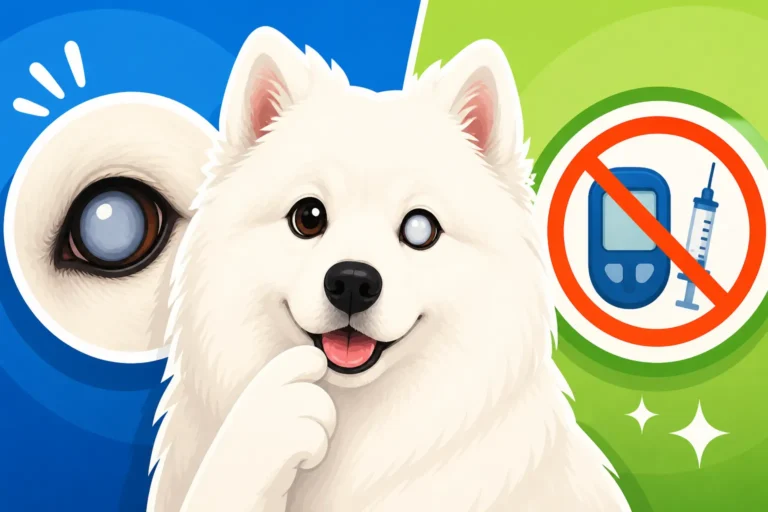
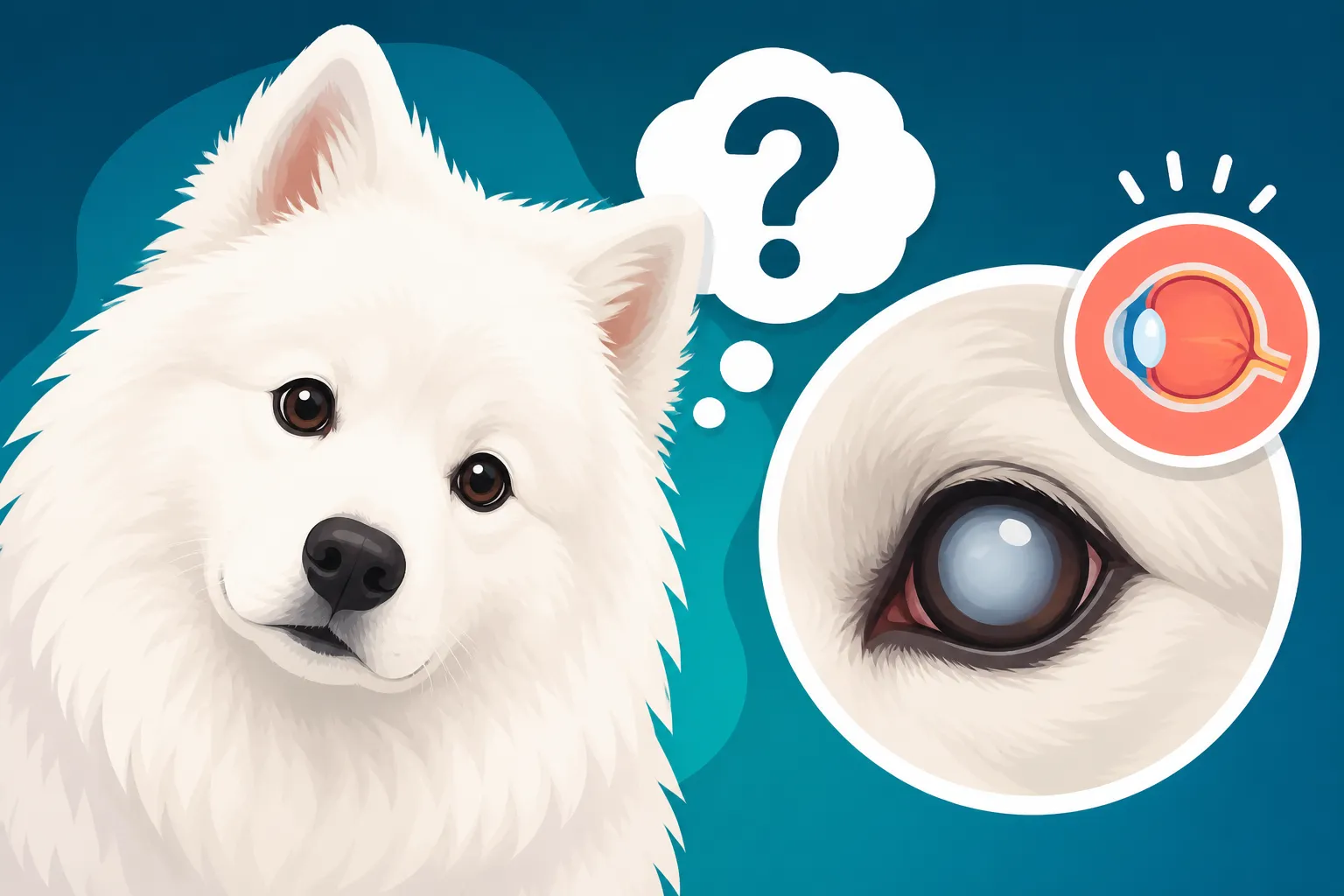
- Slight Cloudiness or Dullness of the Cornea: The clear outer layer of the eye, the cornea, might lose some of its sparkle and appear slightly hazy, like a faint bluish tint. This might only be visible in certain lighting conditions.
- Behavioral Changes: Because glaucoma is painful, your Samoyed might become a bit more withdrawn, less eager to play, or reluctant to be touched around the head. They might sleep more or seem generally more subdued. Remember, How a Samoyed Hides Illness Behind a Smile is a real phenomenon, so even small changes in their usual happy-go-lucky personality should warrant investigation.
- Sensitivity to Light (Photophobia): Your dog might avoid bright areas or try to stay in dimly lit rooms.
More Obvious Symptoms of Developing Glaucoma
If the subtle signs are missed, or if the glaucoma progresses rapidly (especially in acute cases), more overt and alarming symptoms will likely appear. These signs indicate a more advanced stage of the disease and demand immediate veterinary attention.
- 明显 dilated pupil unresponsive to light: In a healthy eye, the pupil constricts in bright light. With glaucoma, the pupil in the affected eye might remain wide and dilated, even in bright conditions, because the optic nerve damage impacts its function. It may also appear oval or irregular.
- Cloudy, Bluish Cornea: The corneal cloudiness becomes much more pronounced, giving the eye a distinct blue or grey appearance, almost like a piece of frosted glass. This is due to corneal edema (swelling) from the high pressure.
- Intense Redness of the Eye (Scleral Injection): The blood vessels in the whites of the eye become engorged and highly visible, making the entire eye look very red, angry, and inflamed.
- Enlarged Eyeball (Buphthalmia): In chronic cases, the prolonged high pressure can actually stretch and enlarge the entire globe of the eye. The affected eye may look noticeably larger or bulge outwards compared to the healthy eye. This is a sign of significant, long-standing pressure.
- Vision Impairment: Your Samoyed might start bumping into objects on one side, misjudging steps, or showing hesitation when navigating familiar environments.
- Lethargy and Loss of Appetite: The severe pain from glaucoma can make your dog feel generally unwell, leading to a noticeable decrease in energy and a lack of interest in food, even their favorite treats.
- Head Pressing: Some dogs, in severe pain, might press their head against walls or furniture in an attempt to relieve pressure, although this can be a sign of many neurological issues, it's worth noting in conjunction with other eye symptoms.
The Urgency of Vision Loss
One of the most heartbreaking consequences of glaucoma is the speed at which it can cause irreversible blindness. If you notice any signs that your Samoyed is losing vision, it is an absolute emergency.
- Bumping into things, especially on one side: If your normally agile Samoyed is suddenly clumsy, running into doorframes, or hesitating when going from a well-lit area to a darker one, it’s a critical red flag. This can be particularly noticeable if one eye is severely affected and the other is still functional.
- Hesitation on stairs or when jumping: Dogs rely heavily on depth perception, and if their vision is compromised, navigating stairs or jumping onto furniture becomes a challenge.
- Startling easily: A dog losing vision might be more easily startled because they can't see approaching objects or people as clearly.
- Sudden blindness: In acute glaucoma, vision can be lost within hours. Your dog might wake up one morning completely blind in an eye, or even both eyes. This level of rapid change requires immediate intervention, as there's a very narrow window to save any remaining vision.
If you suspect any form of vision loss in your Samoyed, do not delay. Get to an emergency veterinary clinic or a veterinary ophthalmologist immediately. The outcome for vision preservation is highly dependent on how quickly treatment can begin. While you might be concerned about other conditions causing vision loss, like Whether a Samoyed Goes Fully Blind From PRA, the suddenness and pain associated with glaucoma make it uniquely urgent.
Diagnosing Glaucoma in Your Samoyed – What to Expect at the Vet
When you suspect your Samoyed might be dealing with glaucoma, a visit to the veterinarian is non-negotiable and needs to happen swiftly. The diagnostic process is crucial for confirming the condition, determining its type (primary or secondary), and formulating an effective treatment plan. Your vet will conduct a thorough examination, often beginning with general observations and then moving to specialized ophthalmic tests.
The Comprehensive Eye Exam
When you bring your Samoyed in with concerns about their eyes, your veterinarian will start with a thorough general physical examination, followed by a detailed assessment of the eyes. This isn't just a quick peek; it's a careful and systematic evaluation.
The vet will observe your Samoyed’s overall demeanor, looking for signs of pain, lethargy, or reluctance to open their eyes fully. They'll assess how the dog navigates the room, checking for signs of vision impairment. Then, they’ll move on to the specifics of the eye itself.
This includes:
- Visual Inspection: Observing the eye’s symmetry, checking for discharge, redness, cloudiness, or any noticeable enlargement of the eyeball. They’ll also look at the pupils – are they the same size? Do they react to light?
- Pupillary Light Reflexes (PLRs): A penlight will be used to shine light into each eye. In a healthy eye, the pupil should constrict in response to light. An absent or sluggish reflex can indicate damage to the retina or optic nerve, which happens with glaucoma.
- Schirmer Tear Test: While not directly for glaucoma, this simple test measures tear production. Dry eye (keratoconjunctivitis sicca) can cause similar symptoms like redness and discomfort, and it's essential to rule it out or address it if present.
- Fluorescein Stain: A special orange dye is applied to the eye. If there's any scratch or ulcer on the cornea, the dye will adhere to it, making it visible under a blue light. This helps differentiate glaucoma from painful corneal injuries.
These initial steps provide valuable clues and help the veterinarian narrow down the possible causes of your Samoyed's symptoms, setting the stage for the most critical diagnostic test for glaucoma.
Measuring Intraocular Pressure (Tonometry)
The definitive way to diagnose glaucoma is by directly measuring the intraocular pressure (IOP) of the eye using a specialized instrument called a tonometer. This is a quick and generally painless procedure that is central to a glaucoma diagnosis.
There are a couple of common types of tonometers used in veterinary medicine:
- Applanation Tonometer (e.g., Tonopen): This small, pen-like device gently taps the surface of the cornea (after a numbing drop is applied) and measures the resistance. It’s very accurate and widely used.
- Rebound Tonometer (e.g., iCare Tonometer): This device gently bounces a tiny probe off the cornea, again with minimal discomfort, to measure the pressure. It’s often used without a numbing drop as it's so gentle.
Your vet will take several readings from each eye to ensure accuracy. Normal IOP in dogs typically ranges from 10 to 25 mmHg (millimeters of mercury), but it can vary slightly between individuals and breeds. A reading significantly higher than this range, especially if accompanied by other clinical signs, strongly indicates glaucoma. The comparison between the two eyes is also crucial; often, the affected eye will have a much higher pressure than the healthy eye, or the 'at-risk' eye if primary glaucoma is suspected.
The immediate and accurate measurement of IOP is paramount, particularly in acute cases where pressure can skyrocket and vision can be lost rapidly. Every minute counts, and a confirmed high IOP reading triggers the need for immediate therapeutic intervention. Regular monitoring of IOP is also essential for Samoyeds at risk or those undergoing treatment, just like Whether a Samoyed Needs Yearly Kidney Bloodwork is important for other health concerns.
Gonioscopy and Other Advanced Diagnostics
While tonometry confirms elevated pressure, further diagnostics are often needed to determine why the pressure is high – specifically, whether it's primary or secondary glaucoma. This often involves a referral to a veterinary ophthalmologist, a specialist in eye diseases.
- Gonioscopy: This is a specialized examination of the drainage angle (iridocorneal angle) within the eye. A contact lens (goniolens) is placed on the eye, allowing the ophthalmologist to directly visualize the drainage structures. This helps determine if the angle is open, narrow, or completely closed, which is critical for differentiating primary glaucoma (often due to an abnormally formed drainage angle) from secondary glaucoma (where the angle might be blocked by inflammation or debris). Gonioscopy is essential for assessing the risk of glaucoma in the "good" eye if one eye is already affected by primary glaucoma.
- Ocular Ultrasound: If the cornea is very cloudy or there’s significant inflammation that prevents a clear view into the eye, an ocular ultrasound can be used. This allows the specialist to visualize the internal structures of the eye, such as the lens, retina, and optic nerve, checking for masses, retinal detachment, or lens luxation – all potential causes of secondary glaucoma.
- Electroretinography (ERG): In some cases, if vision is severely compromised, an ERG might be performed to assess the function of the retina. This can help determine if the retina is still viable, which influences the prognosis for vision.
These advanced diagnostics, often performed by a veterinary ophthalmologist, provide a detailed picture of the eye's health and the specific nature of the glaucoma, guiding more targeted and effective treatment strategies. While it might sound daunting, getting a specialist involved can be invaluable in saving your Samoyed's sight and improving their quality of life.
Treatment Options for Your Samoyed's Glaucoma – Saving Sight and Easing Pain
Discovering your Samoyed has glaucoma can be overwhelming, but there are various treatment options available, ranging from immediate medical interventions to long-term management and, sometimes, surgery. The goal is always twofold: to reduce the intraocular pressure as quickly as possible to prevent further damage to the optic nerve and retina, and to manage the significant pain associated with the condition. The chosen path will depend on whether the glaucoma is acute or chronic, primary or secondary, and the extent of vision loss.
Emergency Medical Management (Acute Cases)
When your Samoyed is diagnosed with acute glaucoma, it is a race against time. The immediate objective is to drastically lower the intraocular pressure (IOP) within hours, as vision can be lost permanently in a very short period. This typically involves aggressive medical therapy, often initiated in a veterinary emergency clinic.
Common medications used in emergency situations include:
- Osmotic Diuretics (e.g., Mannitol): This medication is typically given intravenously and works by drawing fluid out of the eye (and the brain), rapidly reducing pressure. It's a powerful and fast-acting drug, but usually a one-time emergency treatment due to potential side effects.
- Topical Carbonic Anhydrase Inhibitors (CAIs) (e.g., Dorzolamide, Brinzolamide): These eye drops work by decreasing the production of aqueous humor, thereby lowering the pressure. They are often started immediately and continued long-term.
- Prostaglandin Analogues (e.g., Latanoprost, Travoprost): These highly effective eye drops increase the outflow of aqueous humor from the eye. They are extremely potent in lowering IOP and often provide rapid relief, but they may not be suitable for all types of glaucoma (e.g., those caused by lens luxation).
The initial emergency treatment aims to bring the pressure down into a safe range. Once the immediate crisis is stabilized, the focus shifts to a long-term management plan to maintain normal pressure and preserve any remaining vision. This might involve staying at the veterinary clinic for a day or two for intensive monitoring.
Long-Term Medical Management
For many Samoyeds with glaucoma, ongoing medical management with eye drops and sometimes oral medications becomes a lifelong commitment. This phase is about consistency and vigilant monitoring to keep the IOP controlled and prevent flare-ups.
- Prescription Eye Drops: Your vet or a veterinary ophthalmologist will prescribe specific eye drops that your Samoyed will likely need several times a day, every day, for the rest of their life. These often include the topical CAIs and prostaglandin analogues mentioned above, sometimes in combination. The exact regimen will be tailored to your dog's specific needs and response to treatment.
- Oral Medications: In some cases, oral carbonic anhydrase inhibitors (e.g., Methazolamide) might be prescribed in addition to eye drops, particularly if topical treatments alone aren't sufficient to control pressure.
- Frequent Re-checks: Regular follow-up appointments with your veterinarian or ophthalmologist are essential. These visits will involve repeated IOP measurements to ensure the medication regimen is effective. The frequency might be weekly initially, then monthly, and eventually every few months, depending on stability.
- Pain Management: Because glaucoma is inherently painful, pain relief is a continuous aspect of management. This might involve NSAIDs (non-steroidal anti-inflammatory drugs) or other pain medications, especially during flare-ups.
The commitment required for long-term medical management can be substantial, both in terms of time and finances. The cost of specialized eye drops can add up significantly over months and years. This is where pet insurance, such as Healthy Paws, can be a lifesaver, helping to offset the considerable expenses of prescription medications, frequent vet visits, and specialist consultations, making long-term care more feasible for families. Understanding What Insuring a Samoyed Costs Monthly is an important part of preparing for potential health challenges like glaucoma.
Surgical Interventions
While medical management is the first line of defense, it isn't always sufficient, especially in advanced cases or when vision is already lost. In such situations, surgical options may be considered.
- Gonioimplantation (Drainage Implants): For certain types of glaucoma, especially in breeds prone to primary glaucoma, a tiny shunt or valve (gonioimplant) can be surgically placed in the eye to create a new drainage pathway for the aqueous humor. This can help to control IOP more effectively than drops alone, but it is a specialized procedure with its own set of potential complications.
- Cyclophotocoagulation (Laser Surgery): This procedure uses a laser to selectively destroy some of the cells in the ciliary body, which are responsible for producing aqueous humor. By reducing fluid production, the IOP decreases. This can be done either transsclerally (through the sclera, the white of the eye) or endoscopically (from inside the eye). Laser surgery can be very effective in preserving vision in early cases or controlling pressure when drops fail.
- Intravitreal Gentamicin Injection: If an eye has already lost vision and is persistently painful due to high pressure, a gentamycin injection can be given into the eye. This medication destroys the cells that produce fluid, thereby lowering pressure and often making the eye more comfortable, though it will not restore vision.
- Enucleation (Eye Removal): This is often the most humane option for a completely blind, chronically painful eye that doesn't respond to medical or other surgical treatments. While it sounds drastic, removing the source of constant pain can dramatically improve a Samoyed's quality of life. Dogs adapt incredibly well to living with one eye or even no eyes, especially when the alternative is ongoing, severe discomfort. It ensures your Samoyed is finally pain-free. When making such a difficult decision, thinking about Whether an Affected Samoyed Feels Pain and prioritizing their comfort is key.
The decision for surgery, particularly enucleation, is a deeply personal and difficult one for owners. Your veterinary ophthalmologist will guide you through the pros and cons of each option, always with your Samoyed's best interest and quality of life at heart.
Living with a Samoyed with Glaucoma – Quality of Life Matters
A diagnosis of glaucoma doesn't mean the end of a good life for your Samoyed, even if vision is compromised. Many Samoyeds learn to adapt remarkably well, especially if they have devoted owners who are willing to make adjustments to their home and routine. The focus shifts from curing the disease to managing it effectively, preventing pain, and ensuring your dog enjoys the best possible quality of life for The Twelve to Fourteen Years a Samoyed Lives.
Adapting Your Home for a Visually Impaired Samoyed
If your Samoyed's vision is significantly affected by glaucoma, or if they've lost an eye, making a few simple modifications to your living environment can greatly enhance their safety, confidence, and overall well-being. Dogs, with their incredible senses of smell and hearing, adapt much better to blindness than humans often imagine.
- Maintain Consistency: This is perhaps the most important rule. Try to keep furniture and object placement consistent. Once your Samoyed learns the layout, they’ll navigate it with surprising ease. Avoid moving furniture around unnecessarily.
- Create Safe Pathways: Ensure clear, unobstructed paths throughout your home. Move any tripping hazards – loose rugs, shoes, clutter – that could cause your dog to bump into things.
- Use Scent Cues: You can apply essential oils (like vanilla or lavender, heavily diluted and safe for pets) to furniture legs or doorways. This provides olfactory landmarks that your Samoyed can use to navigate. Alternatively, textured mats near doorways or steps can also provide tactile cues.
- Protect from Hazards: Block off stairs with gates or create ramps for easier access if your dog is struggling. Pad sharp furniture corners with bumpers to prevent injury. Consider child-proofing your home, but for your dog.
- Outdoor Safety: If your Samoyed spends time outside, ensure your yard is securely fenced. Always supervise them, and don’t leave them unattended near pools, steep drops, or busy streets. Whether a Blind Samoyed Copes at Home is often dependent on how safely and consistently their environment is set up.
- Consistent Routine: Dogs thrive on routine, and a visually impaired Samoyed will especially appreciate a predictable schedule for feeding, walks, and playtime. This helps them anticipate what's next and reduces anxiety.
- Verbal Cues: Use verbal cues consistently. Words like "step up," "step down," "stop," "left," and "right" can be incredibly helpful for guiding your dog. Always approach your Samoyed with a verbal greeting to avoid startling them.
Managing Pain and Discomfort
While vision loss is a devastating consequence of glaucoma, the chronic pain it causes is equally, if not more, impactful on a dog's quality of life. Effective pain management is paramount, both during acute episodes and for long-term comfort.
- Regular Pain Medication: Your veterinarian will likely prescribe pain medication, such as NSAIDs, to be given regularly. It's crucial to administer these exactly as directed, even if your Samoyed appears to be doing well, as the medication is actively keeping the pain at bay.
- Recognizing Subtle Pain Signals: As mentioned, Samoyeds are incredibly stoic. You might not see overt yelping or limping. Instead, look for subtle signs like decreased activity, reluctance to play, changes in appetite or sleep patterns, irritability, increased panting, or simply a duller expression. Even small changes in behavior should prompt a call to your vet, especially if you know your dog is prone to How a Samoyed Hides Illness Behind a Smile.
- Eye Care Routine: Beyond pressure-lowering drops, your vet might prescribe lubricating eye drops to keep the eyes comfortable, especially if tear production is also affected. Keeping the area around the eyes clean is also important to prevent secondary infections.
- Close Monitoring: Pay close attention to any changes in the affected eye – increased redness, cloudiness, or swelling. These can indicate a flare-up in pressure and require immediate veterinary attention to adjust medication or intervene further.
Regular check-ups are key, not just for monitoring IOP, but for assessing your Samoyed's overall comfort and adjusting pain management strategies as needed. As your Samoyed ages, other health concerns, such as arthritis (which might be discussed in Arthritis in an Older Samoyed), can complicate pain management, so a holistic approach is best.
The Emotional Toll on Owners
Let's be honest, living with a dog with a chronic, potentially blinding, and painful condition like glaucoma is incredibly tough. It's not just the financial burden, which can be significant even with pet insurance like Healthy Paws helping with eligible costs; it's the emotional toll. Seeing your once vibrant Samoyed struggle, administering multiple eye drops daily, rushing to emergency vets, and making difficult decisions about their eyes can be emotionally exhausting.
It's completely normal to feel:
- Guilt: Wondering if you missed early signs or if there was anything more you could have done.
- Sadness: Grieving the potential loss of your dog's sight and the changes it brings.
- Frustration: With the constant need for medication and the unpredictability of the disease.
- Overwhelm: From the medical jargon, the cost, and the responsibility.
Please know that these feelings are valid and you are not alone. It's crucial to acknowledge these emotions and seek support when needed.
- Talk to Your Vet: Your veterinary team is not just there for your dog; they are there for you. They can explain things in detail, offer practical tips, and reassure you that you are doing everything you can.
- Connect with Other Owners: Online forums, social media groups, or local support groups for owners of visually impaired dogs or those with chronic illnesses can be an invaluable source of empathy, practical advice, and shared experience.
- Prioritize Self-Care: You cannot pour from an empty cup. Make sure you are taking care of your own mental and emotional health.
- Focus on Quality of Life: Sometimes, the most loving decision is not to save vision at all costs, but to prioritize your Samoyed's freedom from pain and overall happiness. A blind dog can live a joyful, fulfilling life, especially with your love and support. The goal is to maximize their comfort and joy for Caring for a Samoyed Past Nine or throughout their life, regardless of their visual acuity.
Remember, you are doing an amazing job. Your Samoyed relies on you, and your dedication to their well-being, even through difficult times, truly makes a difference.
Disclaimer
This article is intended for informational purposes only and does not constitute veterinary medical advice. Always consult with a qualified veterinarian or veterinary ophthalmologist for any health concerns or before making any decisions about your Samoyed’s care. The information provided here is not a substitute for professional veterinary examination, diagnosis, or treatment.