The Kidney Disease That Kills Samoyed Males Before Fifteen Months
There’s almost nothing more heartbreaking than bringing a sweet, fluffy Samoyed puppy into your home, only to watch him fade away before he even reaches his first birthday. The sheer unfairness of it, the confusion and despair, is a grief no dog owner should ever have to face. This guide is here to shed light on Samoyed Hereditary Glomerulopathy, a devastating kidney disease that tragically claims the lives of young male Samoyeds, explaining what it is, how to recognize it, and what can be done to prevent such a loss.
Understanding Samoyed Hereditary Glomerulopathy (SHG)
When we talk about kidney disease, many of us think of older dogs, perhaps those in their golden years battling age-related issues. But Samoyed Hereditary Glomerulopathy, or SHG, is a completely different beast, attacking puppies and adolescents with a ferocity that leaves families reeling. It's a genetic time bomb, specific to our beloved Samoyeds, and understanding its unique nature is the first step toward combating it.
What Exactly is SHG?
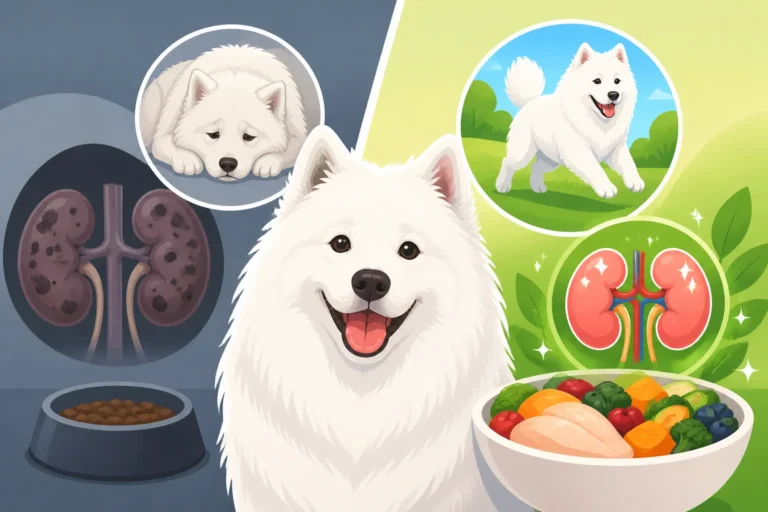
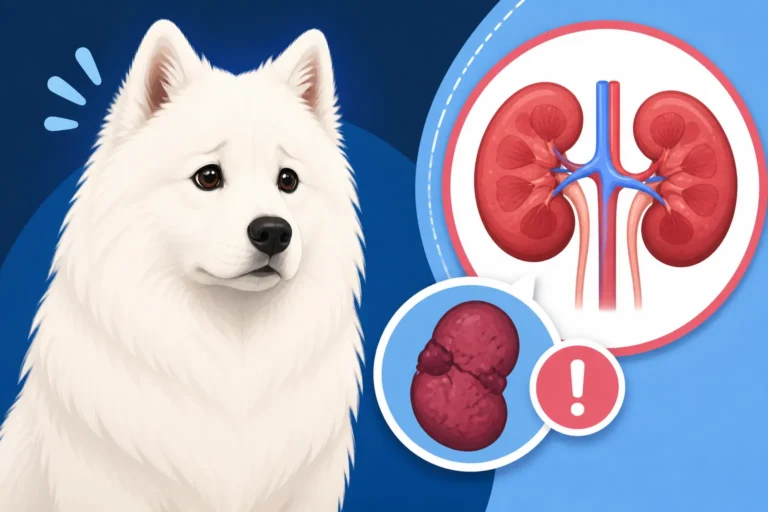
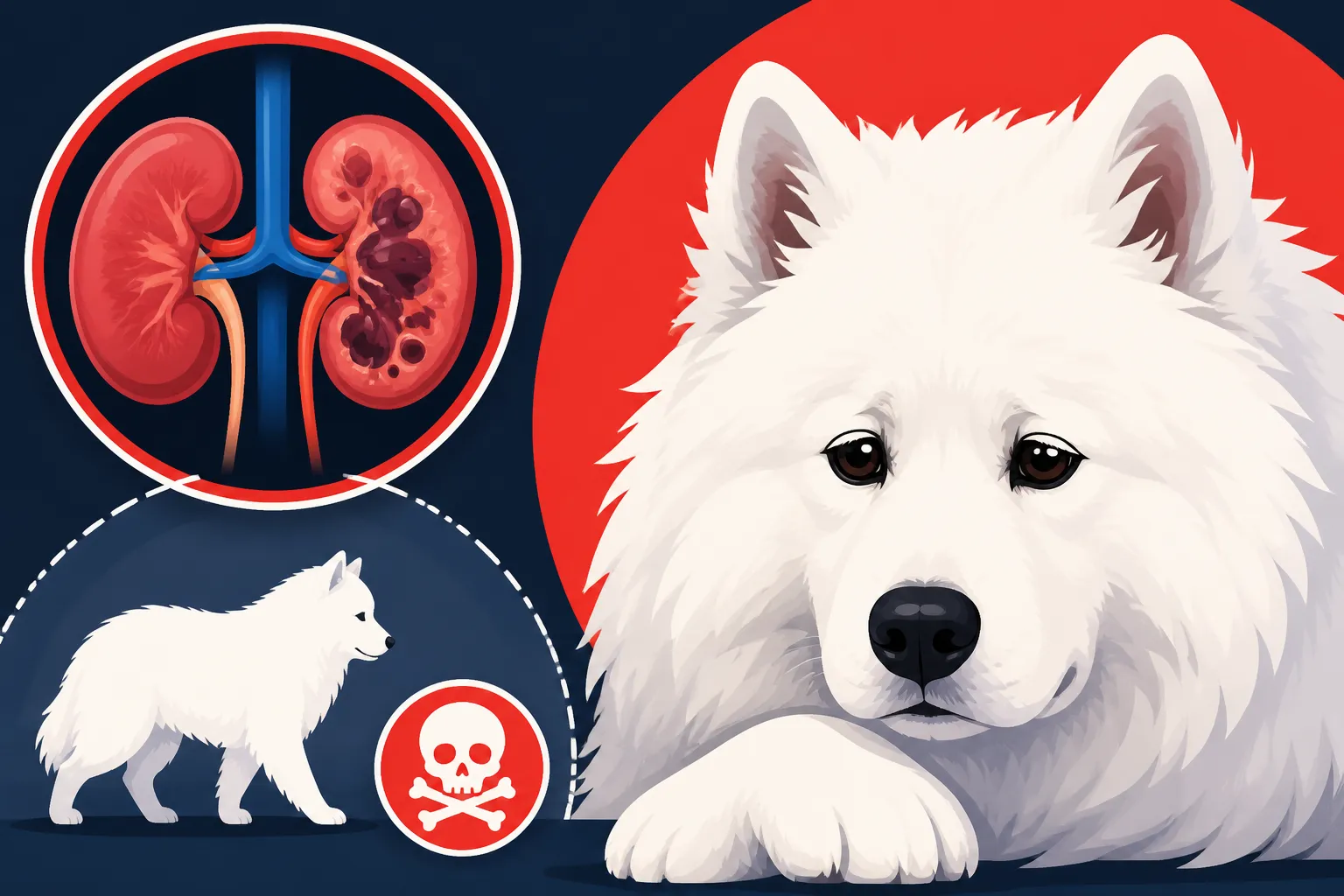
At its core, Samoyed Hereditary Glomerulopathy is a genetic disorder affecting the kidneys, specifically the tiny filtering units called glomeruli. Imagine your dog's kidneys as incredibly sophisticated coffee filters, meticulously sifting waste products from the blood while keeping essential proteins in. In dogs with SHG, the "filter" itself is defective. This isn't just any kidney disease; it's a specific type of collagen disorder, where the collagen fibers that make up the basement membrane of the glomeruli—the actual sieve—are improperly formed. This structural flaw means that instead of perfectly filtering blood, these damaged glomeruli start leaking vital proteins, like albumin, out of the body and into the urine. This constant loss of protein leads to progressive and irreversible kidney damage, eventually resulting in full-blown kidney failure. It’s a silent, insidious thief, stealing health from the inside out.
How SHG Differs from "Regular" Kidney Disease
The distinction between SHG and other forms of kidney disease is crucial for Samoyed owners and breeders. "Regular" kidney disease, often seen in older dogs of various breeds, can stem from a multitude of causes: infections, toxins, age-related wear and tear, or other underlying health conditions. The progression can often be slow, and in some cases, with early intervention, managed for quite some time. SHG, however, is hereditary – meaning it's passed down through generations – and it's early-onset. This isn't a condition that develops gradually over a decade; it manifests in puppies and rapidly progresses. The specific type of collagen affected, alpha-5 type IV collagen, is unique to this inherited condition in Samoyeds, making it fundamentally different from general kidney degeneration. The devastating aspect is that it impacts dogs when they should be at their most vibrant, full of youthful energy, rather than winding down in old age. For a deeper dive into the mechanics, you might want to read about Why Collagen Failure Destroys a Samoyed's Kidney.
The Genetic Basis of This Devastating Condition
The pain of SHG is magnified by its genetic origins. It’s not something you can prevent with diet or exercise; it's woven into the very fabric of a Samoyed's DNA. Understanding how it's inherited is key to both preventing future cases and appreciating the challenges faced by affected families.
Why It Primarily Affects Males
This is perhaps one of the most puzzling and tragic aspects of SHG for many owners: why does it almost exclusively devastate males? The answer lies in genetics, specifically X-linked inheritance. The defective gene responsible for SHG, known as COL4A5, is located on the X chromosome. Think back to basic biology: females have two X chromosomes (XX), while males have one X and one Y chromosome (XY).
Here’s where it gets complicated:
- Males (XY): If a male inherits just one copy of the faulty COL4A5 gene on his single X chromosome, there's no backup. He will develop the disease. Because he only has one X, that single faulty gene is expressed, and the condition will progress rapidly and severely, often leading to death before 15 months of age. This explains Why Samoyed Hereditary Glomerulopathy Only Devastates the Boys.
- Females (XX): Females, with their two X chromosomes, have a crucial advantage. If a female inherits one faulty COL4A5 gene from one parent, she still has a healthy COL4A5 gene on her other X chromosome. This "healthy" gene can largely compensate for the faulty one, making her a carrier rather than being severely affected. She might show very mild symptoms or none at all, making her appear perfectly healthy while still able to pass the gene on to her offspring. This genetic lottery is why the disease is so heartbreakingly selective in its victims.
The Role of Carrier Females
While carrier females might seem like innocent bystanders in this genetic drama, they are, in fact, the key to its perpetuation. A carrier female possesses one normal COL4A5 gene and one defective COL4A5 gene. Most carrier females lead perfectly normal, healthy lives and never develop severe kidney disease. Some may show very subtle, late-onset signs of protein in their urine much later in life, but it's rarely life-threatening for them. They are essentially healthy themselves.
However, every time a carrier female is bred, there’s a 50% chance she will pass on her X chromosome containing the faulty gene.
- If she has a female puppy, that puppy has a 50% chance of being a carrier (inheriting the faulty X from the mother and a normal X from the father).
- If she has a male puppy, that puppy has a 50% chance of inheriting the faulty X chromosome from her and will, therefore, be affected by SHG. These male puppies will typically develop the severe form of the disease. This is why it’s absolutely paramount for breeders to identify carrier females and breed them responsibly, ideally only to clear males, or even better, remove them from the breeding program entirely to prevent the devastating cycle.
Recognizing the Early Signs and Progression
One of the most insidious aspects of Samoyed Hereditary Glomerulopathy is how subtly it can begin, often mimicking common puppy ailments before escalating into a full-blown crisis. Being attuned to these early, fleeting signals can be incredibly challenging for even the most vigilant owner.
Subtle Indicators in Young Puppies
Initially, an affected Samoyed male puppy might not show any dramatic symptoms. They might seem perfectly normal, playful, and charming – exactly what you expect from a young Sammy! However, as early as 3-6 months of age, you might start to notice very subtle differences if you're looking closely. Perhaps your puppy isn't growing quite as robustly as his littermates, or he seems a touch smaller for his age. He might seem a little less energetic than a typical Samoyed puppy, who usually bounds with boundless enthusiasm.
Another potential early indicator is a change in thirst or urination. You might find yourself refilling his water bowl more often, or notice him asking to go outside more frequently. This increased thirst (polydipsia) and urination (polyuria) are classic signs of early kidney dysfunction, as the damaged kidneys struggle to concentrate urine effectively. His coat, usually so vibrant and fluffy, might lack that healthy sheen, appearing a bit duller or less dense. Owners often dismiss these as normal puppy variations or growth spurts, which makes early detection so difficult. It’s vital to recognize that The Age a Samoyed Male First Shows Kidney Signs is remarkably young, making these subtle clues critically important.
The Rapid Decline in Adolescent Males
Once the initial, subtle signs progress, the disease unfortunately accelerates, typically between 6 and 15 months of age. This is when the true devastation of SHG becomes agonizingly apparent. The protein loss through the kidneys intensifies, leading to a host of more overt and severe symptoms. You might notice significant weight loss, despite your Samoyed eating normally, sometimes even ravenously. He's simply losing vital proteins faster than his body can replace them.
Vomiting and diarrhea become more frequent as toxins build up in his system, making him feel constantly unwell. His once-bright eyes may appear dull, and he'll exhibit profound lethargy, losing interest in play, walks, and even interacting with his family. Muscle wasting becomes noticeable, especially over the hindquarters, as his body starts breaking down muscle to compensate for protein loss. The beautiful white coat that usually defines the breed can start to look bedraggled and unkempt. His breath might develop an unpleasant, metallic or ammonia-like odor due to accumulating waste products. This rapid deterioration is characteristic of How Fast a Samoyed Male Declines once SHG takes hold. It's a cruel process that robs a young dog of his vitality and happy disposition.
The Critical Age Range for Diagnosis
The window of 3 to 15 months of age is critically important for both recognizing symptoms and pursuing diagnosis for Samoyed Hereditary Glomerulopathy. While some subtle signs might appear earlier, it's typically during this adolescent period that the disease truly takes hold and progresses to severe kidney failure. Most affected males tragically succumb to the disease before reaching 15 months, though some may linger a bit longer with intensive supportive care. This concentrated period of rapid decline means that any Samoyed male exhibiting persistent, unexplained symptoms like excessive thirst, increased urination, poor growth, weight loss, or vomiting within this age bracket should be immediately suspected of having SHG. It's a devastating race against time, where early diagnosis, while not offering a cure, can at least provide precious weeks or months of supportive care to maintain comfort. Understanding this critical timeline can help owners advocate for prompt veterinary attention and specific diagnostic tests.
Diagnosing Samoyed Hereditary Glomerulopathy
Receiving a diagnosis of Samoyed Hereditary Glomerulopathy is crushing, but it's an essential step in understanding what's happening to your beloved dog and making informed decisions about care. The diagnostic process often begins with routine tests but quickly moves to more specific, targeted investigations.
The Importance of a Urinalysis
When kidney issues are suspected, a simple urinalysis is often the first and most crucial diagnostic tool. For SHG, the key indicator is proteinuria, meaning an abnormal amount of protein in the urine. Healthy kidneys retain almost all protein in the bloodstream, so finding significant protein in the urine of a young, otherwise seemingly healthy Samoyed is a massive red flag.
Your veterinarian will collect a urine sample, ideally a first-morning sample, and analyze it. They'll look for protein, blood, and other abnormalities. While a dipstick test can indicate the presence of protein, it's not quantitative. The next step is usually a Urine Protein:Creatinine (UPC) ratio test. This is a more precise measurement that helps quantify the amount of protein being lost. A persistently elevated UPC ratio in a young Samoyed is a strong indicator of glomerular disease, and in the context of the breed, immediately raises suspicion for SHG. Regular monitoring of urine protein levels is a critical step in both diagnosis and tracking disease progression, as outlined in Signs a Samoyed Is Losing Protein in Its Urine. This initial, relatively inexpensive test can steer your vet toward more specific diagnostics.
Advanced Diagnostic Tools
Once proteinuria is confirmed, veterinarians will often recommend more advanced diagnostics to pinpoint the exact nature of the kidney disease.
- Bloodwork: This typically includes a complete blood count (CBC) and a biochemistry panel. In early stages of SHG, blood urea nitrogen (BUN) and creatinine levels (markers of kidney function) might still be normal or only slightly elevated. As the disease progresses, these will rise significantly, indicating kidney failure. Electrolyte imbalances and anemia are also common findings in later stages.
- Kidney Biopsy: This is considered the definitive diagnostic tool for SHG. A small tissue sample is taken from the kidney and examined under a microscope by a veterinary pathologist. The characteristic structural abnormalities in the glomerular basement membrane—specifically, splitting and lamellation—are pathognomonic for SHG. This procedure, while invasive, provides an undeniable diagnosis.
- Genetic Testing: For Samoyeds, a specific DNA test is available for the COL4A5 gene mutation. This test can identify affected males and carrier females. It’s a non-invasive test, usually done with a cheek swab, and provides a definitive answer regarding the genetic status. This test is vital not just for diagnosis, but, more importantly, for responsible breeding practices, which we’ll discuss later. You can learn more about this by researching The DNA Test That Finds the Samoyed Kidney Gene.
Interpreting Test Results and What They Mean
Getting test results back can be a nerve-wracking experience, and understanding what they signify is paramount.
- Elevated UPC Ratio: A consistently high UPC ratio, especially >0.5-1.0 in a young Samoyed, strongly suggests protein-losing nephropathy. While not definitively SHG on its own (other kidney diseases can cause proteinuria), it points the investigation in that direction.
- Abnormal Kidney Biopsy: If the biopsy reveals the characteristic structural changes in the glomeruli (basement membrane thickening, splitting, and lamellation), the diagnosis of SHG is confirmed.
- Positive Genetic Test: A positive COL4A5 genetic test result in a male Samoyed confirms he is affected. For a female, a positive test means she is a carrier. This test is incredibly powerful because it can definitively identify carriers before they are bred, and affected males even before they show overt symptoms.
Understanding these results allows you and your veterinarian to formulate a clear picture of your Samoyed's condition. It means facing a difficult reality, but also empowers you to seek the most appropriate care and, for breeders, to prevent future tragedies.
Living with and Managing an Affected Samoyed
Learning your Samoyed has SHG is devastating. There's no cure, and the prognosis for affected males is poor. However, management focuses on maximizing comfort and quality of life for the time they have left. This journey is incredibly taxing, both emotionally and financially.
Supportive Care and Palliative Measures
Since there is no cure for Samoyed Hereditary Glomerulopathy, treatment focuses entirely on supportive and palliative care to slow the progression of kidney damage and manage symptoms. This often involves a multi-pronged approach:
- Renal Diet: A low-protein, phosphorus-restricted, and sodium-controlled prescription renal diet is a cornerstone of management. Reducing protein intake lessens the workload on the kidneys and helps reduce the accumulation of nitrogenous waste products. Examples include Hill's k/d, Royal Canin Renal, or Purina Pro Plan Veterinary Diets NF.
- ACE Inhibitors: Medications like enalapril or benazepril (ACE inhibitors) are often prescribed. These drugs help reduce protein loss in the urine by lowering blood pressure within the glomeruli, thereby theoretically slowing down further damage.
- Fluid Therapy: As kidney function declines, dogs can become dehydrated. Subcutaneous (under the skin) fluid administration at home can help flush toxins and maintain hydration. Your vet can teach you how to do this.
- Antiemetics: Medications to control vomiting (e.g., maropitant citrate) are often necessary as kidney failure progresses and toxins build up, causing nausea.
- Phosphate Binders: If blood phosphorus levels become too high, binders can be given with food to reduce its absorption from the gut.
- Calcitriol: This active form of Vitamin D can sometimes be used to help regulate calcium and phosphorus balance, which is often disrupted in kidney disease.
The goal with these interventions is not to reverse the disease, but to make your Samoyed feel as good as possible, for as long as possible. The costs associated with these treatments can be substantial, and this is where having pet insurance like Healthy Paws can truly make a difference, helping to cover a significant portion of the ongoing veterinary expenses without adding financial strain to an already emotionally difficult situation. It’s a sad reality that while we can offer comfort, we cannot stop the inevitable progression of this cruel disease. For a deeper look into treatment options, you may find Whether an Affected Samoyed Can Be Treated to be informative.
The Emotional Toll on Owners
Witnessing a young, once-vibrant Samoyed decline so rapidly is an immense emotional burden. The frustration of knowing there's no cure, the guilt of wondering if you missed early signs, and the sheer helplessness in the face of progressive illness are all very real feelings. You might find yourself constantly monitoring your dog, analyzing every subtle change in appetite, energy, or urination. The joy of puppyhood is tragically cut short, replaced by the heavy weight of managing a severe chronic illness. It's a journey filled with heartbreak, dashed hopes, and the agonizing decision of when to say goodbye. Many owners describe it as a rollercoaster of emotions, clinging to good days while bracing for the inevitable downturns. It’s important to acknowledge and validate this profound grief; it is a profound loss, and seeking support from online communities or pet loss counselors can be invaluable.
Exploring Experimental Treatments
Given the devastating nature of SHG and the young age of affected dogs, owners often desperately search for experimental treatments or therapies that might offer a glimmer of hope. Unfortunately, due to the specific genetic mutation and the structural damage it causes to the kidneys, truly curative experimental treatments are largely non-existent for SHG.
While research is always ongoing into new therapies for kidney disease in general, those specifically targeting the unique collagen defect of SHG are limited. Some avenues might include investigating gene therapies, stem cell treatments, or more advanced filtration techniques, but these are typically in very early experimental stages, highly specialized, extremely costly, and rarely accessible for the average pet owner. Moreover, the rapid progression of SHG in males often means there isn't enough time for such long-term experimental therapies to be developed or applied. For now, the focus remains on tried-and-true palliative care, ensuring comfort and quality of life.
Prevention and Responsible Breeding Practices
The most effective "treatment" for Samoyed Hereditary Glomerulopathy is preventing it from happening in the first place. This requires diligent, responsible breeding practices and informed choices by prospective puppy owners.
The Essential DNA Test for Breeding Samoyeds
The breakthrough that truly allows breeders to combat SHG effectively is the availability of a specific DNA test for the COL4A5 gene mutation. This test definitively identifies whether a Samoyed carries the gene responsible for the disease. It's a simple, non-invasive cheek swab test that can be performed on any Samoyed, male or female, at any age, even before breeding.
The results categorize dogs as:
- Clear: Does not carry the COL4A5 mutation and cannot pass it on.
- Carrier: Carries one copy of the COL4A5 mutation. Females are typically healthy but can pass the gene to 50% of their offspring. Males with this result would be affected by the disease.
- Affected: Carries two copies of the COL4A5 mutation (for females, extremely rare and usually severe), or one copy in males (which causes the disease).
This test is absolutely critical for any Samoyed used in a breeding program. Every breeder serious about the health of the breed should be testing their breeding stock. The results empower them to make informed decisions and prevent affected puppies from being born. As a future owner, asking about The COL4A5 Test Every Samoyed Buyer Should Ask About is non-negotiable.
How Breeders Can Eliminate SHG
With the availability of the COL4A5 DNA test, eliminating SHG from the Samoyed gene pool is an achievable goal, although it requires commitment and careful planning from breeders. Responsible breeding strategies include:
- Testing All Breeding Stock: Every male and female intended for breeding should be DNA tested for the COL4A5 mutation.
- Informed Pairings:
- Clear x Clear: This pairing will produce 100% clear offspring, guaranteeing no affected puppies. This is the ideal.
- Clear x Carrier: This pairing will produce 50% clear and 50% carrier offspring. No affected males will be born, but carrier females will continue to perpetuate the gene. If a carrier female is bred, she should only be bred to a clear male, and all her female offspring should be tested before breeding. Many responsible breeders choose to remove carrier females from their breeding programs entirely, but some might breed them once to a clear male to preserve other valuable traits, provided all offspring are tested.
- Carrier x Carrier or Carrier x Affected: These pairings must be avoided at all costs, as they carry a high risk of producing affected males and more severely affected females (if a female gets two copies).
By strictly adhering to a testing protocol and making responsible breeding choices, Samoyed breeders can systematically reduce and eventually eliminate the incidence of SHG. This isn't just good practice; it's an ethical imperative. This thorough approach is precisely How a Samoyed Breeder Avoids Producing Affected Males.
Questions Prospective Owners Should Ask
If you're considering bringing a Samoyed into your home, especially a male puppy, being proactive about health is your responsibility. Don't be afraid to ask tough questions of potential breeders. A reputable breeder will welcome your inquiries and be transparent about their health testing.
Here’s what you should ask:
- "Have both parents been DNA tested for Samoyed Hereditary Glomerulopathy (COL4A5 mutation)?" Demand to see copies of the official test results from a reputable laboratory (like Optigen or Embark). Look for "Clear" results for both parents.
- "Can I see the health clearances for both parents, including OFA (Orthopedic Foundation for Animals) certifications for hips and elbows, and CERF (Canine Eye Registry Foundation) or OFA Eye certifications?" While these don't relate to SHG, they demonstrate a breeder's overall commitment to health testing.
- "What is your health guarantee, and does it specifically cover hereditary kidney disease?" A strong health guarantee, particularly for conditions like SHG, indicates the breeder's confidence and responsibility.
- "At what age do you recommend my puppy's first urinalysis or UPC ratio check?" A knowledgeable breeder will emphasize the importance of early monitoring, suggesting your vet performs a urinalysis, perhaps around 3-6 months, to establish a baseline. You might also want to ask Why a Samoyed's Urine Should Be Tested Young.
Choosing a puppy from parents with clear health tests, especially for SHG, significantly increases your chances of bringing home a healthy companion who will live out the full The Twelve to Fourteen Years a Samoyed Lives, free from this devastating condition.
The Future of Samoyed Health and Research
While Samoyed Hereditary Glomerulopathy continues to be a tragic reality for too many families, the scientific advancements in genetic testing offer genuine hope for its eventual eradication. The future of Samoyed health lies in continued research, breed club dedication, and the collective efforts of owners and breeders alike.
Ongoing Research and Hope for a Cure
The identification of the COL4A5 gene mutation was a monumental step forward, transforming SHG from an enigmatic, inevitable killer to a preventable disease. However, research doesn't stop there. Scientists are continually exploring the precise mechanisms by which this faulty collagen devastates the kidney, hoping to uncover more subtle pathways or secondary effects that could potentially be targeted by future therapies. While a cure for affected individuals remains elusive due to the extensive and irreversible structural damage by the time symptoms appear, understanding these mechanisms might pave the way for early interventions that could mitigate the severity or delay the onset if a puppy is known to be affected. Imagine if, one day, we could intervene with gene-editing therapies or advanced cellular treatments early enough to prevent the collapse of those tiny kidney filters. That's the dream researchers are working towards.
The Role of Breed Clubs in Eradication Efforts
Breed clubs, like the Samoyed Club of America, play an absolutely vital role in the fight against hereditary diseases. They act as central hubs for information, education, and advocacy. Historically, these clubs have championed health initiatives, funded research, and encouraged responsible breeding practices among their members. For SHG, breed clubs are instrumental in:
- Promoting Genetic Testing: They educate members and the wider public about the importance of the COL4A5 DNA test.
- Maintaining Health Databases: Some clubs encourage members to submit health testing results to public databases like the Orthopedic Foundation for Animals (OFA) or the Canine Health Information Center (CHIC), allowing prospective buyers to verify health clearances.
- Funding Research: They often allocate funds to support ongoing scientific studies into SHG and other Samoyed-specific health concerns.
- Educating New Breeders and Owners: They provide resources, seminars, and mentorship to ensure that newcomers understand the gravity of SHG and the steps needed to prevent it.
By working together, these organizations help ensure that the collective knowledge and effort of the Samoyed community are channeled effectively toward a healthier future for the breed.
What Owners Can Do to Help
Even if your Samoyed is healthy and clear of SHG, or if you've tragically lost a dog to the disease, you can still contribute to the collective effort to eradicate it.
- Support Research: Consider donating to reputable canine health foundations that fund research into hereditary diseases. Organizations like the AKC Canine Health Foundation or your national breed club's health and rescue trust are excellent places to start.
- Spread Awareness: Talk to other Samoyed owners. Share information about the COL4A5 DNA test and the importance of responsible breeding. The more informed the community is, the greater the pressure on breeders to test their dogs.
- Participate in Health Surveys: If breed clubs or researchers launch health surveys for Samoyeds, participate in them. Data, even on healthy dogs, helps scientists identify trends and patterns.
- Support Responsible Breeders: When looking for a future Samoyed, prioritize breeders who are transparent about their health testing, including SHG, and are actively working to improve the health of the breed. This sends a clear message that buyer demand for healthy, tested puppies is strong.
- Consider Pet Insurance: For any Samoyed owner, especially those who might face unexpected health challenges, pet insurance is a wise investment. Companies like Healthy Paws can provide peace of mind by covering a significant portion of vet bills for illnesses and accidents, ensuring you can always make health decisions based on what's best for your dog, not just your wallet. It's an important part of holistic care, helping you manage the financial side of potential health issues, so you don't have to face those impossibly tough choices alone.
Together, through education, testing, and dedicated support, we can work towards a future where the phrase "the kidney disease that kills Samoyed males before fifteen months" becomes a tragic footnote in history, rather than a present-day heartbreak.
Disclaimer
The information provided in this guide is for educational purposes only and should not be considered a substitute for professional veterinary advice. Always consult with a qualified veterinarian regarding any health concerns or before making any decisions about your dog's care.