Whether a Samoyed Should Have a Yearly Eye Exam
It’s a natural thing to assume that if your Samoyed’s beautiful, almond-shaped eyes look clear and bright, everything must be perfectly fine. We often don't think about veterinary eye exams unless there’s an obvious problem – maybe they’re squinting, or there’s discharge, or a sudden cloudiness. But the truth is, many serious eye conditions in Samoyeds can develop silently, progressing in the background long before you notice any visible symptoms. This comprehensive guide will explain why a yearly eye exam is not just a nice-to-have, but a crucial part of proactive care for your beloved Samoyed, designed to catch potential issues early and protect their precious sight.
The Silent Threat: Why Samoyed Eye Conditions Sneak Up on You
It’s easy to be lulled into a false sense of security with a Samoyed. Their perpetually smiling faces and generally stoic nature mean they can often hide discomfort or illness for quite a while. This applies just as much to their eyes as it does to any other health issue. You might not see them pawing at their face, or notice subtle changes in their vision until a condition is quite advanced.
The Difficulty of Spotting Early Signs
Imagine a typical day with your Samoyed, playing in the yard or cuddling on the couch. Their thick ruff can obscure minor swelling or discharge. Their playful demeanor might mask subtle vision loss, especially if it’s happening gradually. Dogs are incredibly adaptable creatures, and if their vision starts to decline slowly, they learn to compensate by relying more on their hearing and sense of smell, especially in familiar environments. You might not notice your Samoyed hesitating on stairs or bumping into furniture until their vision is significantly impaired. This is particularly true for conditions that affect night vision first, like some forms of Progressive Retinal Atrophy in a Samoyed. During the day, they might seem completely normal, making it even harder for an owner to pick up on the initial stages of a problem.
Samoyed Specific Eye Conditions and Predispositions
Samoyeds, like many purebred dogs, have genetic predispositions to certain eye conditions. It’s not just bad luck; it’s a reality of their lineage, which is why responsible breeders prioritize health testing.
One of the most concerning conditions is Progressive Retinal Atrophy (PRA). This is a group of degenerative diseases that affect the photoreceptor cells in the retina, eventually leading to blindness. In some forms, affected dogs first develop night blindness, often in their early adulthood, gradually losing all vision over several months to years. The Age a Samoyed's Retinal Atrophy Shows can vary, making early, regular screening vital. Imagine your once confident Samoyed suddenly becoming hesitant in dim light, bumping into furniture, or seeming disoriented after dusk. That's PRA at work, and by the time you notice these signs, the disease is already well underway.
Another condition to be aware of is Retinal Dysplasia in a Samoyed. This is a developmental abnormality of the retina, meaning the retina doesn't develop correctly. It can range from small, benign folds in the retina to more severe forms that can lead to retinal detachment and blindness. While severe cases might be detected in puppyhood, milder forms might go unnoticed without a specialized eye exam. This is why it’s so important that a Samoyed Litter Needs an Eye Exam by a certified veterinary ophthalmologist, ideally around eight weeks of age, before they go to their new homes.
Cataracts are also a concern, though not always as dire as PRA. While we often associate cataracts with diabetes, a Samoyed can get cataracts without diabetes. These can develop due to genetics, trauma, or simply age. They cause the lens of the eye to become cloudy, impairing vision. While some cataracts progress slowly, others can rapidly lead to significant vision loss.
Glaucoma, though less common, is another serious condition that involves increased pressure within the eye. It's incredibly painful and can lead to rapid, irreversible blindness if not treated promptly. Symptoms often include a red, watery, bulging eye, and the dog may be reluctant to open it or seem generally unwell.
Understanding these predispositions helps you understand why those annual checks are so important. It’s not just a fishing expedition; it’s targeted vigilance based on known breed risks.
The Deep Dive: What a Comprehensive Ophthalmic Exam Entails
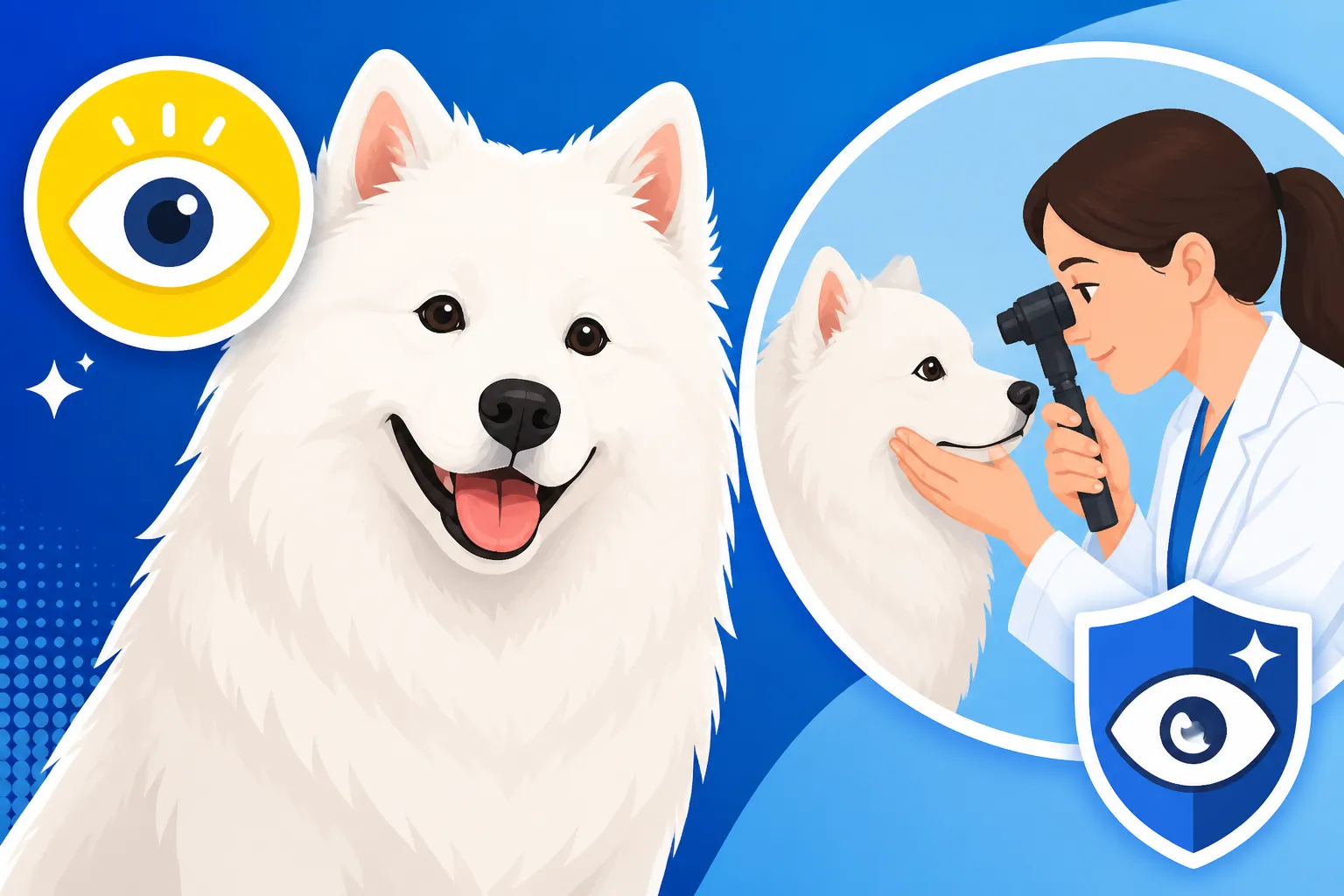
A yearly eye exam for your Samoyed isn't just a quick glance by your general practice vet. While your family vet is wonderful for overall health, a comprehensive ophthalmic exam is a specialized procedure performed by a board-certified veterinary ophthalmologist. These specialists have advanced training and equipment dedicated solely to eye health.
Beyond the Basic Vet Check: The Specialist's Role
Your regular veterinarian will, of course, check your Samoyed's eyes during their annual physical. They'll look for obvious signs of infection, inflammation, or injury. They might perform a basic eye pressure test if they suspect glaucoma or a Schirmer tear test to check for dry eye. However, their examination is typically a screening. A general vet simply doesn't have the advanced diagnostic tools or the extensive experience in subtle ophthalmic conditions that a specialist does.
Think of it this way: your family doctor can check your vision, but if you have a complex retinal issue, they'll refer you to an ophthalmologist. It's the same for your Samoyed. A veterinary ophthalmologist has dedicated their career to understanding the intricate workings of animal eyes and detecting even the most minute anomalies.
The Comprehensive Ophthalmic Exam: A Step-by-Step Look
When you take your Samoyed for a specialized eye exam, it's a thorough process, far more detailed than what happens at a routine check-up. Here’s what you can expect:
- History Taking: The ophthalmologist will ask about your Samoyed's history, any changes you’ve noticed, their general health, and family history of eye conditions. This is where you can mention anything, no matter how small, like slight clumsiness in the dark or a change in pupil size.
- External Examination: They'll start by examining the eyelids, eyelashes, conjunctiva (the pink tissue surrounding the eye), and cornea (the clear outer layer). They’ll look for any abnormalities, growths, or signs of irritation.
- Schirmer Tear Test: This simple test measures tear production to rule out dry eye, a condition where insufficient tears can lead to discomfort and damage to the cornea.
- Fluorescein Stain: A yellow-orange dye is applied to the eye. If there's any abrasion or ulcer on the cornea, the dye will stick to it, making it visible under a special light.
- Tonometry: This measures the pressure inside the eye, a crucial test for detecting glaucoma. It’s quick and painless, often done with a special pen-like device that gently taps the cornea.
- Pupil Dilation: This is a key step. Eye drops are administered to dilate the pupils, allowing the ophthalmologist a much clearer view of the interior structures of the eye, particularly the lens and the retina. This might take 15-30 minutes for the drops to take full effect.
- Ophthalmoscopy: Using specialized lights and lenses, the ophthalmologist examines the lens for cataracts and, most importantly, the retina at the back of the eye. This is where conditions like PRA and retinal dysplasia are diagnosed. They can detect subtle changes in the retina that indicate early disease, long before your Samoyed might show symptoms.
- Gonioscopy: In some cases, if glaucoma is suspected or as a prophylactic measure, a gonioscopy might be performed. This involves placing a special lens on the eye to examine the drainage angle, which is where fluid leaves the eye. Anomalies in this area can predispose a dog to glaucoma.
For many Samoyeds, particularly those intended for breeding, these exams are part of the OFA Eye Certification Registry (CAER/CERF) program. This certification helps breeders make informed decisions to reduce the incidence of heritable eye diseases in future generations. Even if your Samoyed isn't a breeding dog, this standard of care offers the best protection for their vision.
The Lasting Impact: Benefits of Proactive Eye Care
The idea of taking your perfectly healthy-looking Samoyed for a yearly specialized eye exam might seem excessive or an unnecessary expense. However, the long-term benefits for their quality of life, and indeed your own peace of mind, are truly invaluable.
Protecting Their Vision and Quality of Life
Early detection is paramount in managing many eye conditions. For example, if a veterinary ophthalmologist identifies the early stages of PRA in a Samoyed, while there isn't a cure, knowing about it allows you to prepare and make adjustments. You can start creating a safer, more consistent environment at home, avoid rearranging furniture, and work on verbal cues to help your dog navigate as their vision declines. This foresight can significantly reduce their stress and improve their ability to cope. It means you can support them better through the process of Whether a Samoyed Goes Fully Blind From PRA.
For conditions like cataracts that can be treated surgically, catching them early often means better surgical outcomes. The longer a cataract matures, the more complicated the surgery can become. Similarly, if glaucoma is detected in its earliest stages, aggressive medical management might be able to preserve some vision and reduce pain, buying precious time and comfort for your Samoyed. Without regular checks, these conditions might only be noticed once the vision loss is substantial or irreversible.
Think about the joy your Samoyed gets from seeing you, playing fetch, or exploring new scents on a walk. Their eyes are crucial to their experience of the world. By being proactive, you're not just treating a disease; you're preserving their ability to interact with their environment and enjoy life to the fullest for as long as possible.
Financial and Emotional Peace of Mind
Let's be realistic – specialized veterinary care isn't cheap. An ophthalmic exam itself has a cost, and if a condition is found, treatment can involve medication, surgeries, and follow-up appointments. However, consider the alternative: an emergency visit when your Samoyed is suddenly blind or in severe pain due to an undiagnosed, advanced eye condition. Emergency care is almost always more expensive and more stressful for both you and your dog. Proactive, yearly exams can catch issues when they are smaller, potentially simpler to manage, and less costly to treat in the long run.
This is also where pet insurance can be a real lifesaver. Many owners find that a good pet insurance plan, like one from Healthy Paws, helps cushion the financial impact of unexpected veterinary bills. While pre-existing conditions are typically not covered, if you have coverage from a young age, many plans will cover specialized exams and treatments for conditions that develop later. Mentioning Healthy Paws here isn't a sales pitch, but a realistic acknowledgment that the cost of specialized care is a concern for many families, and insurance can provide essential support, especially when facing something like the potential costs of managing eye disease throughout The Full Cost of Thirteen Years With a Samoyed. Making sure you understand What Insuring a Samoyed Costs Monthly and what it covers is a smart step for any owner. Knowing you're financially prepared removes a huge layer of stress if your Samoyed does develop an eye issue.
Emotionally, there's immense peace of mind in knowing you're doing everything you can for your Samoyed. Their health and happiness are intertwined with your own. When you know you’re staying ahead of potential problems, it reduces anxiety and allows you to simply enjoy your companion more. It validates the commitment you made when you brought that fluffy, smiling face into your home.
Practicalities: When to Start and How Often
So, when should you begin these eye exams, and how frequently do they need to happen? The answer is generally straightforward, but with nuances depending on your Samoyed's age and health status.
From Puppyhood to Senior Years: A Lifelong Commitment
The journey of eye health for a Samoyed actually begins even before you bring them home. A responsible breeder will have ensured that Whether a Samoyed Puppy's Eyes Are Checked at Eight Weeks by a veterinary ophthalmologist. This initial exam is critical for detecting congenital issues like severe retinal dysplasia. It gives you a baseline and peace of mind about your puppy's initial eye health. If your breeder hasn’t done this, it should be a red flag and something you absolutely arrange as soon as you get your puppy.
Once your Samoyed is home, the general recommendation from veterinary ophthalmologists and breed clubs is a yearly eye examination by a board-certified specialist. This should start in early adulthood and continue throughout their entire life.
- Young Adults (1-6 years): Even if they seem perfectly healthy, this is the time when some hereditary conditions like certain forms of PRA can begin to show subtle signs that only a specialist would catch.
- Middle-Aged (7-9 years): As your Samoyed matures, the risk of age-related conditions, including non-diabetic cataracts and even some forms of glaucoma, increases. Keeping up with annual exams is crucial.
- Senior Samoyeds (9+ years): When you're Caring for a Samoyed Past Nine, eye health becomes even more vital. Older dogs are more prone to cataracts, dry eye, and other degenerative changes. Vision loss can be particularly disorienting for senior dogs. Regular checks can help manage these conditions, keeping them comfortable and safe as they age.
Addressing the "They Seem Fine" Argument
It’s easy to skip appointments when "they seem fine." Your Samoyed may be zooming around the yard, fetching balls, and navigating the house with no apparent issues. But this is exactly why yearly exams are so important. They are designed to detect problems before they become obvious to you.
Remember that a Samoyed is notoriously good at How a Samoyed Hides Illness Behind a Smile. Their stoicism, combined with their thick coats and adaptability, means overt symptoms often appear only when a condition is significantly advanced. By the time you notice your Samoyed consistently bumping into things or showing obvious signs of discomfort, the window for early, effective intervention might have narrowed considerably.
Consider the potential for undetected issues: a small retinal fold that could worsen, a cataract just beginning to form, or a subtle change in intraocular pressure that, if left unchecked, could lead to painful glaucoma. These are the "silent threats" that a yearly specialist exam is designed to uncover. Think of it as preventative maintenance for their vision – you don't wait for your car engine to seize up before getting an oil change, right?
Investing in these annual specialized eye exams, even when your Samoyed seems perfectly healthy, is one of the most proactive and loving things you can do to ensure their long-term health and quality of life. It’s an ongoing commitment to their well-being, from the day they’re a fluffy puppy to their golden years.
| Eye Condition | Samoyed Predisposition | Typical Age of Onset | Key Symptoms | Prognosis (Untreated) |
|---|---|---|---|---|
| Progressive Retinal Atrophy (PRA) | High | Young to Adult | Night blindness, reduced vision in dim light, dilated pupils, eventual complete blindness | Gradual, irreversible blindness |
| Retinal Dysplasia | High | Congenital (puppyhood) | Localized retinal folds, geographic lesions, retinal detachment | Variable, from mild to severe vision impairment or blindness |
| Cataracts (non-diabetic) | Moderate | Middle-aged to Senior | Cloudy lens, blurry vision, eventual blindness; can be genetic or age-related | Progressive vision loss |
| Glaucoma | Moderate | Middle-aged to Senior | Red, painful, bulging eye, dilated pupil, vision loss; can be acute or chronic | Rapid, irreversible blindness if untreated |
| Entropion / Ectropion | Moderate | Puppyhood to Young Adult | Eyelid rolls inward/outward, irritation, discharge | Discomfort, corneal damage |
Disclaimer
The information provided in this article is for educational purposes only and is not a substitute for professional veterinary advice. Always consult with a qualified veterinarian or a board-certified veterinary ophthalmologist for any health concerns or before making any decisions about your Samoyed's care.