Whether a Samoyed Dies Suddenly From Heart Disease
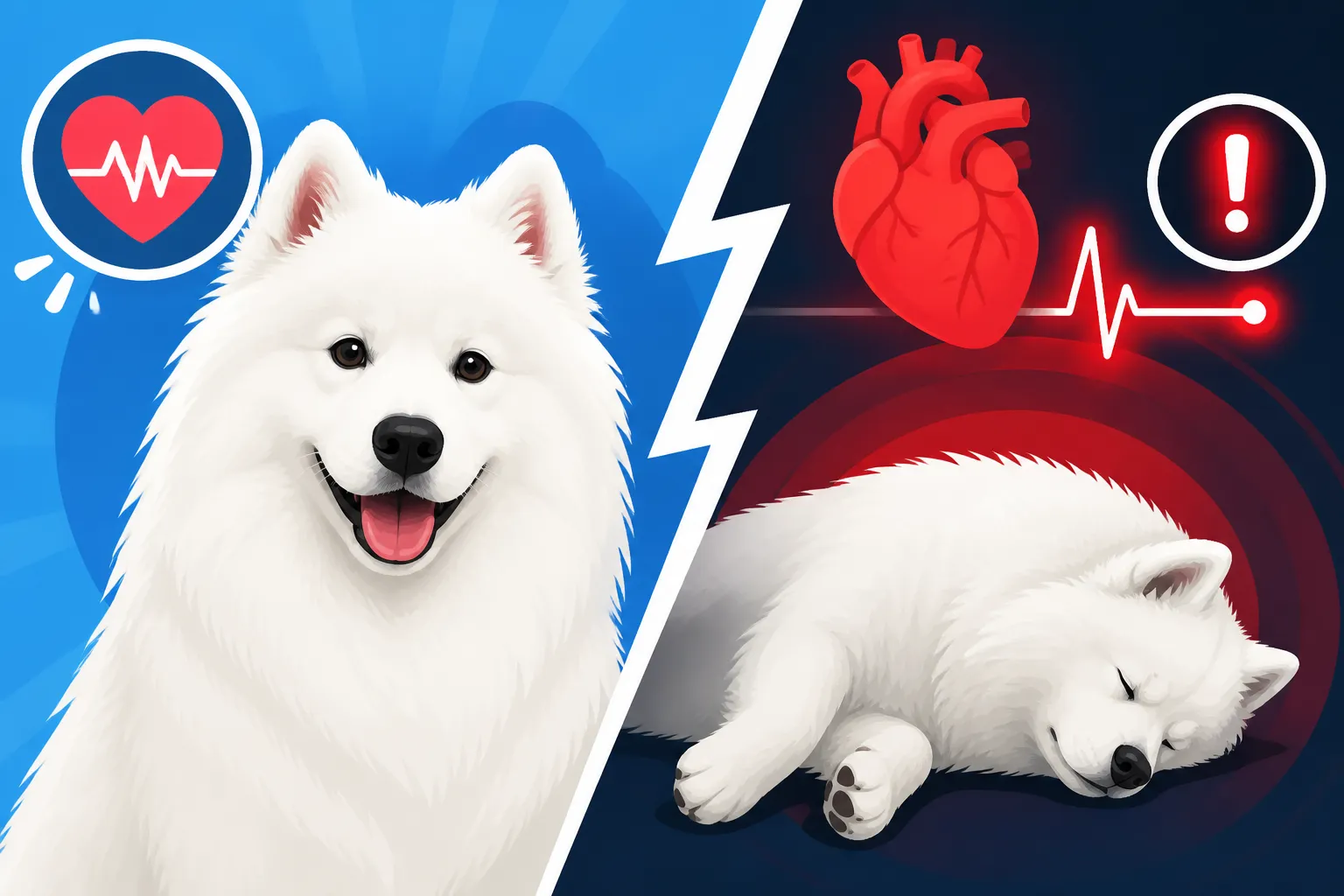
It’s a fear every Samoyed owner holds close to their heart, often whispered in hushed tones: the terrifying thought of your beloved, smiling cloud suddenly collapsing due to an unforeseen heart issue. The suddenness of cardiac events in seemingly healthy dogs can be utterly heartbreaking and bewildering. This comprehensive guide aims to shed light on whether Samoyeds are particularly prone to sudden death from heart disease, what signs to look for, and how proactive care can help mitigate these risks, giving you peace of mind and your furry family member the best possible chance at a long, healthy life.
Understanding Heart Disease in Samoyeds
When we talk about heart disease in our Samoyeds, it’s not always the dramatic, movie-like collapse that comes to mind. Often, it's a quiet, insidious progression that can go unnoticed until it reaches a critical stage. While Samoyeds aren't typically identified as a breed with an overwhelmingly high prevalence of specific sudden cardiac death conditions compared to some other large breeds like Doberman Pinschers or Boxers, they are not immune to cardiac issues that can, in unfortunate circumstances, lead to sudden and unexpected demise.
Common Cardiac Conditions Affecting Samoyeds
Like all breeds, Samoyeds can develop various heart conditions throughout their lives. It's crucial to understand that "heart disease" is a broad term, encompassing many different structural or functional problems of the heart.
One of the conditions that can affect Samoyeds, and often is screened for by responsible breeders, is Subaortic Stenosis in a Samoyed. This is a congenital (present from birth) condition where there is a narrowing (stenosis) just below the aortic valve, which is the main artery carrying blood from the heart to the rest of the body. This narrowing forces the heart to work much harder to pump blood, which can lead to thickening of the heart muscle and, over time, heart failure or even sudden death, particularly during strenuous exercise. The severity can vary greatly; some dogs might have a very mild case and live long, normal lives, while others can be severely affected and face significant risks.
Another concern for any larger breed, including Samoyeds, is Dilated Cardiomyopathy (DCM). While not as commonly associated with Samoyeds as it is with certain giant breeds, DCM causes the heart chambers to enlarge and the heart muscle to thin, leading to a reduced ability to pump blood effectively. This condition can lead to congestive heart failure and arrhythmias (irregular heartbeats), which can sometimes be a precursor to sudden death. It often develops gradually, but an acute worsening can present as a sudden crisis.
It's also important to remember that as Samoyeds age, they can develop degenerative valve disease, particularly mitral valve disease, which is the most common heart condition in older dogs of all breeds. While less likely to cause sudden death directly in the way a severe arrhythmia might, it can lead to congestive heart failure, which severely impacts quality of life and, if unmanaged, can culminate in acute decompensation. Owners of senior Samoyeds should be especially vigilant for signs of heart trouble. For more insights on caring for your older companion, you might want to read our article on Caring for a Samoyed Past Nine.
The Silent Nature of Canine Heart Disease
One of the most frustrating and terrifying aspects of heart disease in dogs is its often silent progression. Our Samoyeds are incredibly stoic creatures, experts at hiding discomfort or illness, as beautifully described in How a Samoyed Hides Illness Behind a Smile. They've evolved over millennia to conceal weakness, a survival mechanism from their days in the harsh Arctic. This means that by the time overt symptoms of heart disease become noticeable, the condition might already be quite advanced.
For instance, a Samoyed with a mild heart murmur due to subaortic stenosis might show no outward signs for years. They might still enjoy their walks, play with enthusiasm, and maintain their happy-go-lucky demeanor. The heart is remarkably compensatory, meaning it can work harder and adapt to problems for a significant period before showing outward signs of distress. This compensation, however, eventually runs out.
When the heart can no longer compensate, that's when you start to see clinical signs. These can be subtle at first – perhaps a slight decrease in their usual boundless energy, or taking a little longer to recover after play. Many owners, understandably, might attribute these changes to normal aging or just a "lazy day." This delay in recognizing symptoms is precisely why regular veterinary check-ups are so vital, as a veterinarian might pick up on a subtle heart murmur during a routine exam long before your Samoyed starts showing any signs at home. Early detection can make a world of difference in managing the condition and extending their healthy lifespan.
Signs and Symptoms of Heart Trouble
Recognizing the signs of heart trouble in your Samoyed can be challenging due to their stoic nature and thick coats, which can obscure physical changes. However, being attuned to subtle shifts in their behavior and physical well-being is paramount. We're not talking about a sudden, obvious limp, but often something far more nuanced.
Subtle Early Indicators
Catching heart disease in its early stages can significantly impact the long-term prognosis and quality of life for your Samoyed. These early signs are often non-specific and easily mistaken for other issues or normal aging, but if you notice a combination of them, it’s definitely time for a vet visit.
One of the first things you might notice is a decrease in exercise tolerance. Your Samoyed, who usually loves to pull on walks or play vigorous games of fetch, might tire more quickly. They might lag behind on a hike they used to bound through, or stop playing sooner than usual. It’s not necessarily a dramatic refusal to move, but a gradual reduction in their stamina.
A persistent, soft cough, especially after exercise or when lying down, can also be an early indicator. This isn't just a cough from a tickle in the throat; it's often caused by fluid accumulating in the lungs (pulmonary edema) as the heart struggles to pump blood efficiently. The Samoyed's fluffy coat can sometimes make it harder to notice subtle changes like a slight pot-belly that might indicate fluid buildup in the abdomen, which is why paying attention to their coughing patterns is so important.
You might also observe changes in their breathing pattern. While a healthy Samoyed might pant after a good run, an early sign of heart disease can be an increased resting respiratory rate or effort. Try counting their breaths when they are completely relaxed or sleeping. More than 30 breaths per minute while resting in a cool environment could be a concern.
Another subtle sign is lethargy or unexplained weakness. Your normally vibrant Samoyed might seem a bit "off," less interested in their usual activities, or simply sleep more. This isn't always obvious; it can manifest as a general lack of zest that you might initially dismiss. They might not be as eager to greet you at the door or solicit attention as frequently. It's a general malaise that can creep in slowly.
When Symptoms Become Urgent
While subtle signs warrant investigation, some symptoms indicate a more urgent situation and require immediate veterinary attention. These are often signs that the heart disease has progressed significantly and your Samoyed might be in crisis.
Severe difficulty breathing is a critical red flag. This can manifest as exaggerated abdominal effort to breathe, gasping, or an outstretched neck with open-mouth breathing. Their tongue or gums might appear bluish or purple (cyanosis) due to lack of oxygen. If your Samoyed is struggling to breathe, do not wait; this is an emergency.
Collapse or fainting (syncope) is another alarming sign. This usually happens when the heart's pumping action is so severely compromised that blood flow to the brain is temporarily insufficient, often during periods of excitement or exertion. Your Samoyed might suddenly drop, lose consciousness for a brief period, and then recover. Even if they recover quickly, this indicates a serious underlying cardiac problem that needs urgent assessment. This is one of the scenarios where the fear of Whether a Samoyed Dies Suddenly From Heart Disease becomes very real.
A sudden and significant distention of the abdomen can indicate fluid accumulation (ascites) due to right-sided heart failure. While it can develop gradually, a sudden onset or rapid worsening, especially when accompanied by breathing difficulties, is an emergency. This swollen appearance might be harder to detect under a thick Samoyed coat initially, making regular full-body checks important.
Persistent, hacking coughing that produces foamy, pink-tinged fluid is a grave sign, indicating severe pulmonary edema. This means the lungs are filling with fluid, and your Samoyed is essentially drowning. Again, this is an immediate emergency.
If you observe any of these urgent symptoms, contact your veterinarian or an emergency veterinary clinic immediately. Quick action can save your Samoyed's life, even if they have to travel to a specialized facility. Pet insurance providers like Healthy Paws can often help with the significant costs associated with emergency cardiac care, offering a vital safety net for these unexpected situations.
Diagnostic Approaches and Management
Once you suspect heart disease, the next steps involve a thorough veterinary examination and diagnostic testing to accurately identify the problem. Early and accurate diagnosis is key to effective management, which can significantly improve your Samoyed's quality of life and potentially extend their lifespan.
Veterinary Examinations and Tests
When you bring your Samoyed in with concerns about their heart, your veterinarian will begin with a comprehensive physical examination. They’ll listen to your dog’s heart with a stethoscope – this is called auscultation. They’re listening for abnormal heart sounds like murmurs (whooshing sounds caused by turbulent blood flow) or arrhythmias (irregular heartbeats). Even if you didn't notice a murmur, a vet might pick up on Why a Samoyed Puppy's Heart Should Be Listened To early in life.
If a murmur or arrhythmia is detected, or if your Samoyed is showing concerning symptoms, your vet will likely recommend further diagnostics.
- Chest X-rays (radiographs): These images allow the vet to assess the size and shape of the heart, as well as look for fluid in or around the lungs (pulmonary edema or pleural effusion) which is a sign of congestive heart failure. They can also check the size of the major blood vessels.
- Electrocardiogram (ECG or EKG): An ECG measures the electrical activity of the heart. It helps identify arrhythmias, which are abnormal heart rhythms that can sometimes lead to sudden collapse or death. Some forms of heart disease, like DCM, are often associated with life-threatening arrhythmias.
- Echocardiogram (cardiac ultrasound): This is considered the gold standard for diagnosing most heart diseases. An echocardiogram uses sound waves to create real-time images of the heart's structure and function. It allows the cardiologist to visualize the heart chambers, valves, and major blood vessels, measure the thickness of the heart walls, assess pumping ability, and identify specific abnormalities like subaortic stenosis or dilated cardiomyopathy. This detailed imaging is crucial for pinpointing the exact type and severity of heart disease.
- Blood pressure measurement: High blood pressure can sometimes be associated with heart disease or kidney disease, so it's often checked as part of a cardiac workup.
- Blood tests: While not directly diagnostic for heart disease, blood tests can assess overall health, kidney function (as heart and kidney disease can impact each other), and levels of certain cardiac biomarkers, like NT-proBNP, which can indicate cardiac stretch and stress.
For breeders, genetic testing, if available for specific conditions, is also a vital tool. For instance, while not directly cardiac, the DNA test for The COL4A5 Test Every Samoyed Buyer Should Ask About is crucial for kidney health. Similarly, knowing if any cardiac genetic markers exist for Samoyeds could be beneficial.
Treatment Options and Prognosis
The treatment for heart disease in Samoyeds depends entirely on the specific diagnosis, the severity of the condition, and whether it has progressed to congestive heart failure. The goal of treatment is generally to manage the symptoms, slow the progression of the disease, and improve your Samoyed's quality of life, rather than to cure the underlying condition.
For conditions like subaortic stenosis, medical management often focuses on medications that reduce the workload on the heart or control arrhythmias. Beta-blockers, for example, can help slow the heart rate and reduce the heart's oxygen demand. In very severe cases, surgical interventions might be considered, though they are less common and carry significant risks.
For congestive heart failure, treatment typically involves a combination of medications:
- Diuretics (e.g., Furosemide): These help remove excess fluid from the body, reducing fluid buildup in the lungs and abdomen, which alleviates breathing difficulties.
- ACE inhibitors (e.g., Enalapril, Benazepril): These drugs help relax blood vessels, making it easier for the heart to pump blood, and can slow the progression of heart disease.
- Pimobendan (Vetmedin): This medication is a positive inotrope (improves heart muscle contraction) and a vasodilator (dilates blood vessels), significantly improving heart function and quality of life in many cases of heart failure.
- Anti-arrhythmic drugs: If arrhythmias are present and contributing to the clinical signs or risk of sudden death, specific medications are used to stabilize the heart rhythm.
Lifestyle modifications are also incredibly important. This includes careful management of exercise (avoiding strenuous activity that could overtax the heart, especially for dogs with conditions like severe subaortic stenosis), dietary changes (often a low-sodium diet to help control fluid retention), and weight management to reduce stress on the heart. Monitoring their breathing rate at home, especially their resting respiratory rate, is a simple yet powerful tool for owners to track their Samoyed's heart health.
The prognosis varies widely. Some Samoyeds with mild heart conditions might live a full and happy life with minimal intervention. Others with more severe disease, particularly those that have progressed to congestive heart failure, might have a significantly reduced life expectancy. However, with appropriate medication and dedicated care, many Samoyeds with heart disease can still enjoy many good months or even years of comfortable life. Regular follow-up appointments with your veterinarian or a veterinary cardiologist are essential to adjust medications as needed and monitor the disease's progression. It's in these challenging times that comprehensive pet insurance from providers like Healthy Paws can truly alleviate the financial burden, allowing you to focus on your Samoyed's health without added stress.
Preventing and Monitoring Heart Health
While not all heart conditions are entirely preventable, there's a lot we can do as Samoyed owners to minimize risks and ensure early detection, which is crucial for managing any issues that arise. Being proactive is always better than being reactive, especially when it comes to something as vital as heart health.
The Importance of Regular Vet Checks and Breeder Screening
The cornerstone of preventing and managing heart disease in your Samoyed is regular veterinary care. Just like we have yearly physicals, our dogs need them too!
During these annual check-ups, your vet will perform a thorough physical exam, including listening carefully to your Samoyed's heart. A skilled veterinarian can often detect a heart murmur or an irregular rhythm long before your dog shows any outward signs. Early detection of Aortic Stenosis in a Samoyed, for instance, during a routine check-up, allows for baseline diagnostics and monitoring before the condition becomes critical.
Breeder screening is perhaps the most powerful preventative measure you can take, even before your Samoyed puppy comes home. Responsible Samoyed breeders are committed to health testing their breeding stock for known genetic conditions. For cardiac health, this includes OFA (Orthopedic Foundation for Animals) cardiac evaluations, which often involve auscultation by a board-certified veterinary cardiologist and, ideally, an echocardiogram. Breeders should be transparent about their dogs' health clearances, including cardiac screening results. Asking a breeder about the cardiac history of their breeding dogs and their lines is not just acceptable, it's essential. This proactive approach by breeders helps to reduce the incidence of congenital heart diseases in future generations. You should certainly ask about The Health Tests Both Samoyed Parents Should Have.
| Heart Condition | Typical Onset | Common Signs | Diagnostic Tests | Potential for Sudden Death |
|---|---|---|---|---|
| Subaortic Stenosis (SAS) | Congenital | Murmur, exercise intolerance, collapse, sudden death | Auscultation, X-ray, ECG, Echocardiogram | Moderate to High |
| Dilated Cardiomyopathy (DCM) | Middle/Older | Lethargy, cough, exercise intolerance, collapse, sudden death | Auscultation, X-ray, ECG, Echocardiogram | Moderate to High |
| Mitral Valve Disease (MVD) | Older | Murmur, cough, difficulty breathing, lethargy | Auscultation, X-ray, ECG, Echocardiogram | Low (more often heart failure) |
| Arrhythmias (Primary) | Variable | Weakness, collapse, irregular heartbeat | ECG, Holter monitor | Moderate to High |
Lifestyle Factors for a Healthy Samoyed Heart
Beyond genetics and vet visits, daily lifestyle choices play a significant role in supporting your Samoyed's heart health throughout their life.
Maintaining a healthy weight is paramount. Obesity puts extra strain on the heart, making it work harder to pump blood throughout the body. An overweight Samoyed is also at higher risk for other health issues, including Diabetes in a Middle Aged Samoyed. It can be tricky to assess a Samoyed's weight due to their fluffy coat, so make sure you can feel their ribs easily without pressing hard. Your vet can help you determine an ideal body condition score for your individual dog.
Appropriate exercise is vital. Samoyeds are active dogs, bred for work and endurance. Regular, moderate exercise helps keep their cardiovascular system strong. However, if your Samoyed has been diagnosed with a heart condition, your vet will provide specific guidelines on appropriate activity levels. For a healthy Samoyed, engaging in activities like hiking, jogging, or even Pulling: What a Samoyed Was Actually Bred to Do in cooler weather, can be beneficial. Just be mindful of the heat, as Samoyeds are highly susceptible to overheating. For more on keeping them safe, check out Water, Shade and the Summer Plan for a Samoyed.
A balanced, high-quality diet supports overall health, including heart function. While specific "heart diets" are prescribed for dogs with diagnosed heart disease, a generally wholesome diet rich in appropriate nutrients, vitamins, and minerals helps maintain a strong body and heart. Discuss any dietary concerns or supplements with your veterinarian. For instance, some veterinarians might recommend omega-3 fatty acids for their anti-inflammatory benefits, which can be supportive for cardiac health.
Finally, reducing stress where possible and ensuring a loving, stable home environment contributes to their overall well-being. A happy dog is often a healthier dog. Knowing your Samoyed is protected by pet insurance, such as Healthy Paws, can also reduce your stress as an owner, enabling you to make health decisions based on medical need, not just cost.
By combining responsible breeding practices, consistent veterinary check-ups, and a healthy lifestyle, we can significantly reduce the risks associated with heart disease in our Samoyeds and help them live out their full, joyful The Twelve to Fourteen Years a Samoyed Lives.
Disclaimer
This article is for general informational purposes only and does not constitute professional advice. Laws, prices and regulations vary by location and change over time. Consult a qualified professional for guidance on your specific situation.