Whether a Samoyed Needs Yearly Thyroid Bloodwork
It's a common question that swirls in the minds of Samoyed owners, especially as our fluffy companions start getting a little gray around the muzzle: "Does my Samoyed really need yearly thyroid bloodwork?" The truth is, it's not just a box to tick off at the annual vet visit. For a breed like our Samoyeds, who are unfortunately predisposed to certain thyroid conditions, understanding when and why to test can be absolutely crucial for their long-term health and happiness. This guide will walk you through the nuances of Samoyed thyroid health and help you make informed decisions.
Understanding Thyroid Function in Samoyeds
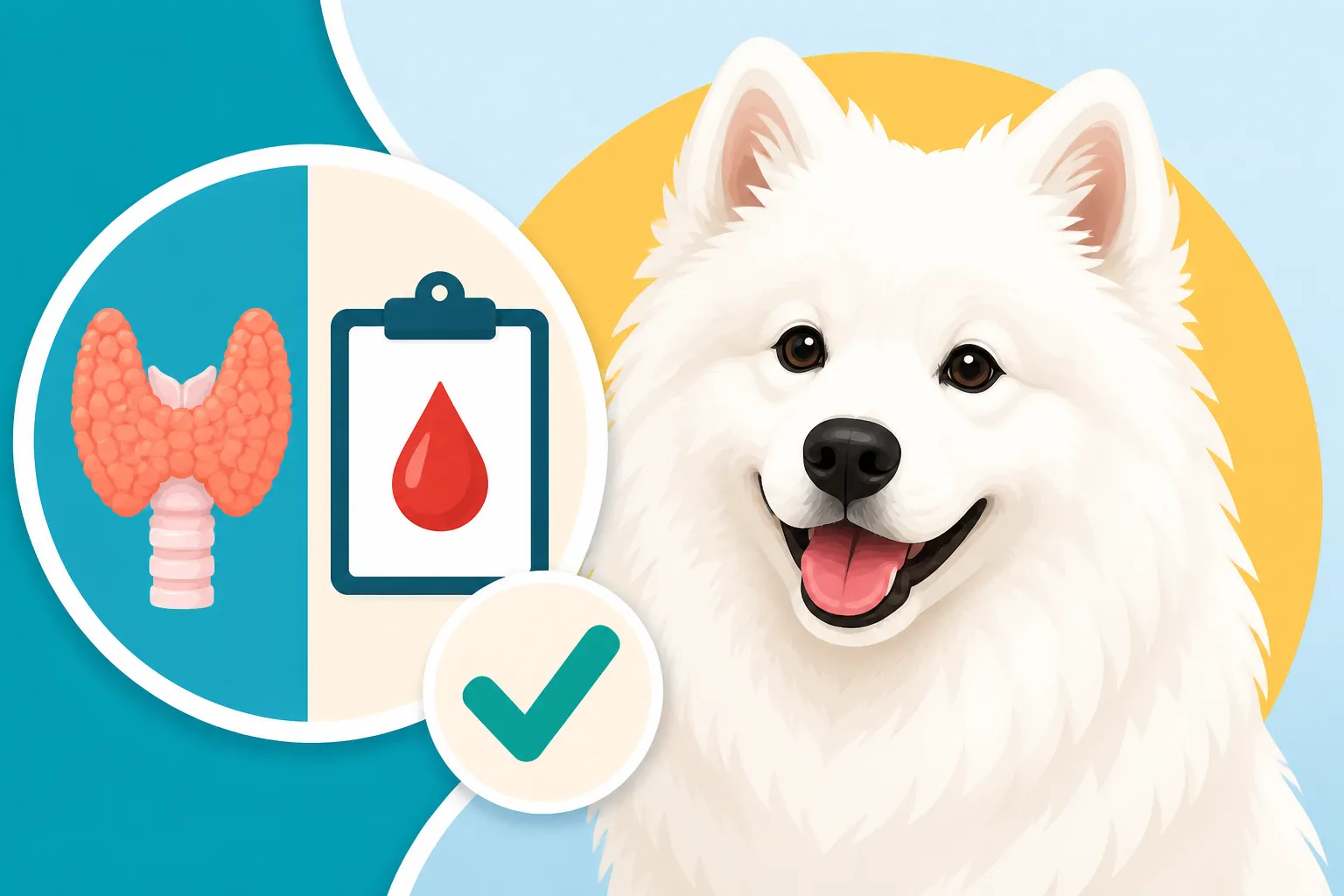
When we talk about thyroid health, we're really focusing on the thyroid gland, a small but mighty organ in your Samoyed's neck. This butterfly-shaped gland plays a massive role in almost every bodily function, from metabolism and energy levels to coat health and even temperament. When it's not working correctly, the effects can be widespread and often insidious, creeping up on us slowly over time.
What is Hypothyroidism and Why Samoyeds Are Prone to It?
Hypothyroidism is the most common thyroid disorder in dogs, and sadly, Samoyeds are on the list of breeds with a higher predisposition to develop it. This condition occurs when the thyroid gland doesn't produce enough thyroid hormones. It’s not like they just wake up one day with a completely non-functional thyroid; often, it’s a gradual decline. This makes it particularly tricky to spot in the early stages, as the symptoms can be vague and easily dismissed as "just getting older."
The primary cause of hypothyroidism in Samoyeds is typically autoimmune thyroiditis, where the dog's immune system mistakenly attacks and destroys the thyroid gland. Another, less common, cause is idiopathic thyroid atrophy, which is essentially the gradual shrinking and dysfunction of the gland for unknown reasons. Because of this genetic component and breed susceptibility, being proactive with monitoring your Samoyed's thyroid health isn't just a suggestion; it's often a necessary part of responsible ownership.
The Role of the Thyroid Gland
Imagine the thyroid gland as the body's master regulator of metabolism. It produces two main hormones, T3 (triiodothyronine) and T4 (thyroxine), which are vital for controlling how your Samoyed's cells use energy. Think of them as the gas pedal for nearly every cell in their body. If there isn't enough of these hormones circulating, everything slows down.
This slowdown can manifest in a myriad of ways. You might notice your once-energetic Samoyed becoming sluggish and less interested in walks or playtime. Their beautiful double coat, usually a hallmark of the breed, might start thinning, becoming dry, brittle, or slow to regrow after shedding. Some owners report that their Samoyed's coat thins with thyroid disease, which can be quite noticeable on a breed renowned for its glorious fur. Weight gain, even without an increase in food, is another common sign, as their metabolism just isn't burning calories efficiently. Beyond the physical, there can be behavioral changes too, like increased irritability or lethargy. It's a complex system, and when it's off-kilter, it really throws everything out of whack.
The Case for Routine Thyroid Bloodwork
So, given the subtlety of early symptoms and the breed's predisposition, when does regular thyroid bloodwork move from optional to essential? For many Samoyed owners, especially those with breeding animals or older dogs, it's a vital part of their preventative care routine. It's about catching problems early, before they progress to a point where they significantly impact your dog's quality of life.
When Yearly Testing Becomes Important
For a Samoyed, yearly thyroid bloodwork can be highly beneficial, and in some cases, absolutely critical. If you have a breeding Samoyed, regular thyroid testing is standard practice, often recommended by breed clubs. This is to ensure that affected dogs aren't unknowingly passed through the gene pool, contributing to the breed's inherited predisposition. Even if your Samoyed isn't a breeding animal, age can be a significant factor. As our beloved "Sammies" enter their middle and senior years, their body systems, including the thyroid, naturally start to show more wear and tear.
Consider the general guideline: once a Samoyed reaches about six or seven years of age, annual thyroid screening becomes a very wise preventative measure. However, if your Samoyed has been experiencing any subtle changes—things like unexplained weight gain, a dull or thinning coat, increased lethargy, or even a sudden intolerance to cold—then a thyroid panel should be on the priority list, regardless of age. These seemingly minor issues can often be the earliest clues that something deeper is amiss, and waiting too long can mean more advanced disease that is harder to manage.
What Thyroid Bloodwork Actually Measures
When your veterinarian draws blood for a thyroid panel, they're typically looking at a few key markers. It's not just a single number; it's a comprehensive picture. Here’s what those different measurements generally mean:
- Total T4 (TT4): This is often the first screening test. It measures the total amount of T4 hormone in the blood. A low TT4 can suggest hypothyroidism, but it can also be influenced by other illnesses or medications, which is why further tests are needed.
- Free T4 (fT4): This measures the unbound, "active" form of T4. Because it's less affected by non-thyroidal illnesses than TT4, fT4 is generally considered a more accurate indicator of actual thyroid function, especially when TT4 results are borderline.
- Total T3 (TT3) and Free T3 (fT3): While T3 is the most active form of the hormone, T3 levels can fluctuate quite a bit due to other factors and aren't as reliable for diagnosing hypothyroidism in dogs as T4 measurements. They are sometimes included in a full panel but are less critical for diagnosis.
- Thyroid-Stimulating Hormone (TSH): This hormone, produced by the pituitary gland, tells the thyroid to make more T4. In cases of primary hypothyroidism, the thyroid gland isn't producing enough T4, so the pituitary gland tries to compensate by pumping out more TSH. Therefore, a high TSH level combined with low T4 and fT4 is a strong indicator of hypothyroidism.
- Thyroglobulin Autoantibodies (TgAA): This test checks for antibodies that attack the thyroid gland itself. A positive result indicates autoimmune thyroiditis, a common cause of hypothyroidism in Samoyeds. Even if the other thyroid hormone levels are currently normal, a positive TgAA can signal that your Samoyed's immune system is attacking its thyroid, meaning they are likely to develop overt hypothyroidism in the future. This is a critical marker for a breed with a genetic predisposition like the Samoyed.
Understanding these components helps you have a more informed discussion with your vet about the results. For example, if you see a normal T4 but a high TSH, that might indicate subclinical hypothyroidism or early disease that needs monitoring.
Here’s a quick overview of what these tests reveal:
| Test Component | What it Measures | Indication of Hypothyroidism (generally) | Notes |
|---|---|---|---|
| Total T4 (TT4) | Overall T4 in blood (bound + unbound) | Low | Can be affected by other illnesses, medications. Good initial screening. |
| Free T4 (fT4) | Active, unbound T4 | Low | More accurate than TT4, less influenced by non-thyroidal factors. Often confirmed with TSH. |
| Total T3 (TT3) | Overall T3 in blood | Less reliable for diagnosis | Highly variable, not primary diagnostic for canine hypothyroidism. |
| TSH | Thyroid-Stimulating Hormone from pituitary | High | Pituitary tries to compensate for low thyroid output. Strong indicator when combined with low fT4. |
| Thyroglobulin Autoantibodies (TgAA) | Antibodies against thyroid gland | Positive (present) | Indicates autoimmune thyroiditis, a common cause. Can be positive before clinical signs. |
Interpreting Results and What to Do Next
Getting those bloodwork results back can feel a bit like reading a foreign language if you're not used to all the abbreviations. It's really important to lean on your veterinarian to help you understand what they mean for your unique Samoyed. While there are "normal" ranges, what's normal for one dog might be borderline for another, especially in a breed with specific health concerns like ours.
What Constitutes a "Normal" Samoyed Thyroid Panel?
This is where it gets a little nuanced. While standard reference ranges exist for canine thyroid tests, Samoyeds, along with other Northern breeds, sometimes have naturally lower baseline thyroid hormone levels compared to other breeds. This can make interpretation tricky; a result that might be considered low in a German Shepherd could be perfectly normal for a healthy Samoyed. That's why your vet's experience with the breed, and often consulting with a veterinary internal medicine specialist or a lab that specializes in canine thyroid testing, can be invaluable.
A truly "normal" Samoyed thyroid panel would show T4 and fT4 levels within or on the higher end of the reference range, a TSH level that is normal (not elevated), and ideally, a negative TgAA test, indicating no autoimmune attack on the thyroid. However, even with all "normal" results, if your Samoyed is showing any suspicious symptoms, it's always worth discussing them thoroughly with your vet. Remember, our Samoyeds are incredibly stoic, and sometimes a change in their energy or coat is their subtle way of saying something isn't quite right. They are masters at how a Samoyed hides illness behind a smile.
When to Be Concerned and Seek Further Advice
If your Samoyed's thyroid panel shows any abnormal or borderline results, especially if combined with clinical signs, it's definitely time to take action. Don't panic, but do be proactive. Low T4/fT4 with an elevated TSH is a strong indicator of primary hypothyroidism and usually warrants starting treatment. If the TgAA test is positive, even with otherwise normal hormone levels, it suggests that your Samoyed is in the early stages of autoimmune thyroiditis and is highly likely to develop full-blown hypothyroidism in the future. In these cases, regular re-testing (every 6-12 months) would be prudent to monitor the progression of the disease.
For borderline cases, your vet might recommend a retest in a few months, or they might suggest a full diagnostic workup by a specialist. This could involve looking into other underlying health issues that might be affecting thyroid levels, as many non-thyroidal illnesses or even certain medications can suppress thyroid hormone production. Never hesitate to ask for a referral to an internal medicine specialist if you're unsure or if your Samoyed's case seems complicated. Getting a clear diagnosis is the first step towards getting your beloved Samoyed feeling like themselves again.
Beyond Yearly Bloodwork: Other Factors to Consider
While yearly thyroid bloodwork can be a cornerstone of preventative care for many Samoyeds, it's not the only piece of the puzzle. A holistic approach to your dog's health means considering all the factors that can influence their well-being, including how other conditions might mimic or affect thyroid disease, and tailoring a testing schedule that makes sense for their individual circumstances.
The Impact of Other Health Issues on Thyroid Results
It's a tricky truth that thyroid levels can be impacted by conditions completely unrelated to the thyroid gland itself. This phenomenon is often called "euthyroid sick syndrome" or "non-thyroidal illness." Essentially, when a dog is very sick with another disease – perhaps an infection, kidney disease, heart disease like Aortic Stenosis in a Samoyed, or even certain cancers – their body's metabolism can slow down, which in turn lowers thyroid hormone levels. This doesn't mean they have hypothyroidism, but rather that their thyroid levels are depressed due to another illness.
Certain medications can also throw off thyroid test results. For example, steroids (like prednisone) or some anti-inflammatory drugs can suppress T4 and TSH levels. If your Samoyed is on any long-term medication, make sure to inform your vet about it before thyroid testing, as this context is crucial for accurate interpretation. This is why a thorough physical exam and medical history are always the starting point, even before bloodwork. The vet isn't just looking at the numbers; they're looking at the whole dog. It's also why having pet insurance, such as a plan from Healthy Paws, can offer such peace of mind, knowing that unexpected tests or treatments for complex conditions like this are financially manageable.
When to Start Testing and How Often
There's no single "right age" to start thyroid testing for every Samoyed, but general recommendations do exist. For Samoyeds intended for breeding, the Samoyed Club of America and other breed health organizations often recommend initial thyroid screening around two years of age, or even earlier, before breeding. This helps breeders make informed decisions and prevent passing on genetic predispositions. For pet Samoyeds, some vets might suggest a baseline thyroid panel around 4-5 years old, especially if there's any family history of thyroid issues.
After that initial baseline, the frequency of testing really depends on the individual dog and any symptoms they might be exhibiting. As mentioned earlier, for senior Samoyeds, generally those past nine, or even starting at six or seven, annual thyroid bloodwork becomes a very prudent part of their routine senior wellness panel. If your Samoyed is displaying subtle signs that could point to thyroid issues, such as those related to the coat, weight, or energy, don't wait for the annual check-up; get them tested sooner. Early detection and management of hypothyroidism can significantly improve your Samoyed's quality of life and potentially help manage other long-term health concerns. Remember that responsible long-term care for our Samoyeds extends to understanding their unique breed health needs, and being proactive means they can continue to bring us joy for as long as possible. Many caring owners find that comprehensive pet insurance, like the policies offered by Healthy Paws, helps them commit to consistent wellness testing and timely interventions without financial stress.
Disclaimer
This article is intended for informational purposes only and does not constitute veterinary advice. Always consult with a qualified veterinarian for any health concerns or before making any decisions about your Samoyed's medical care.