Whether an ACE Inhibitor Slows a Samoyed’s Kidney Loss
Discovering that your beautiful Samoyed is facing Samoyed Hereditary Glomerulopathy (SHG) is a truly heartbreaking moment, leaving many owners grappling with fear and a desperate search for any intervention that might extend their beloved companion's precious life. This rapid and often devastating kidney disease can feel relentless, making the question of effective treatments, like ACE inhibitors, incredibly urgent. This comprehensive guide will explore whether ACE inhibitors can genuinely slow kidney loss in Samoyeds, offering realistic insights into their role and what you can truly expect from these medications.
The Relentless Progression of Samoyed Hereditary Glomerulopathy
Samoyed Hereditary Glomerulopathy, often abbreviated as SHG, is a formidable opponent, a genetic kidney disease primarily affecting male Samoyeds. It’s caused by a defect in the COL4A5 gene, which leads to abnormalities in the Type IV collagen found in the basement membranes of the kidney's glomeruli – the tiny filtering units. This isn't just general kidney failure; it's a specific, progressive breakdown that leaves owners feeling incredibly helpless. The disease typically manifests with signs of protein leaking into the urine, or proteinuria, often appearing subtly and then progressing alarmingly quickly.
The frustration is immense because, unlike some other conditions, SHG isn't something that can be "fixed" with a simple surgery or a short course of medication. It's a fundamental structural flaw in the kidney filters that gradually deteriorates. Owners often observe a decline in their male Samoyed's health, starting with increased thirst and urination, and eventually leading to more severe symptoms as the kidneys struggle to perform their vital functions. This insidious progression is why so many of us look for anything that can even slightly delay the inevitable.
It’s crucial to understand that this condition uniquely devastates male Samoyeds, often leading to kidney failure and death before they reach two years of age. Females can be carriers, and some might develop milder symptoms later in life, but the fulminant form is almost exclusively seen in males. This genetic predisposition means that proactive screening is vital, with many breeders now utilizing DNA tests to identify carriers and affected individuals. Early detection, while painful, allows for monitoring and the implementation of supportive care from the earliest possible stage. For more depth on this, consider reading The Kidney Disease That Kills Samoyed Males Before Fifteen Months and Why Samoyed Hereditary Glomerulopathy Only Devastates the Boys.
What Samoyed Hereditary Glomerulopathy Does to the Kidneys
At a microscopic level, SHG is a story of collapsing filters. The glomeruli in the kidneys are like tiny sieves, meant to allow waste products to pass through while retaining essential proteins in the blood. In Samoyeds with SHG, the defective collagen causes these filters to become leaky and eventually scarred. This means that vital proteins, particularly albumin, start escaping into the urine. This protein loss, known as proteinuria, is a hallmark sign of the disease and a key indicator of kidney damage.
As the glomeruli are progressively damaged, their ability to filter blood and remove waste declines, leading to a build-up of toxins in the body. This is renal failure. Initially, the body tries to compensate, but over time, more and more nephrons—the functional units of the kidney—are destroyed. The frustration here is that by the time overt clinical signs like lethargy, nausea, or significant weight loss become obvious, a substantial portion of kidney function might already be lost, highlighting the importance of regular screening for signs a Samoyed is losing protein in its urine.
The scarring and inflammation within the kidneys also contribute to hypertension, or high blood pressure, which further accelerates kidney damage in a vicious cycle. This is why interventions that address protein loss and blood pressure are so critical, even if they can't reverse the underlying genetic defect. Understanding the profound damage this disease inflicts helps us appreciate the urgency and the necessity of exploring every possible avenue for treatment. You can learn more about the specifics of the disease by looking into What Samoyed Hereditary Glomerulopathy Does to the Kidneys.
Identifying Early Signs of Kidney Trouble
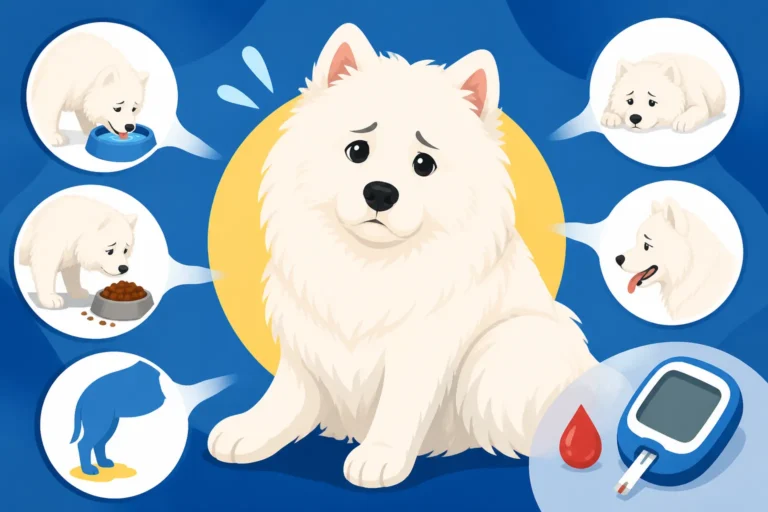
One of the most disheartening aspects of kidney disease, including SHG, is its stealthy nature. Dogs are masters at hiding illness, and Samoyeds, with their ever-present smiles, can be particularly good at masking discomfort until the disease is quite advanced. This makes it incredibly hard for caring owners to spot trouble early. Initially, signs can be very subtle: maybe your Samoyed is just drinking a little more water than usual, or needing to go outside to urinate more frequently. You might attribute it to hotter weather or increased activity, not realizing it's a whisper of serious trouble.
As the disease progresses, these signs become more pronounced. Increased thirst (polydipsia) and increased urination (polyuria) are classic indicators that the kidneys are struggling to concentrate urine. Your dog might start having accidents inside, even if perfectly house-trained. Later, more severe symptoms like lethargy, loss of appetite, nausea, vomiting, and even a dullness to their usually vibrant coat can appear. It's a painful watch for any owner, seeing their joyful companion slowly fade.
This is why veterinary intervention and regular check-ups are so vital, especially for Samoyeds. Simple urine tests, like a urine protein:creatinine ratio (UPC), can detect proteinuria long before your dog shows any outward signs of illness. Early detection is not about panicking, but about empowering you and your vet to start supportive therapies, like the consideration of ACE inhibitors, as early as possible. This proactive approach is the best defense against the rapid decline that can accompany SHG.
Unpacking ACE Inhibitors: How They Function
Angiotensin-Converting Enzyme (ACE) inhibitors are a class of medications widely used in both human and veterinary medicine to treat various cardiovascular and kidney conditions. The names often sound complicated – enalapril, benazepril, ramipril – but their core function is quite elegant: they interfere with a specific system in the body called the Renin-Angiotensin-Aldosterone System (RAAS). This system plays a crucial role in regulating blood pressure, fluid balance, and kidney function. When this system goes into overdrive, it can exacerbate kidney damage and elevate blood pressure.
So, how do they work their magic? ACE inhibitors essentially block the enzyme (ACE) that converts angiotensin I to angiotensin II. Angiotensin II is a powerful vasoconstrictor, meaning it narrows blood vessels, which increases blood pressure. It also promotes the release of aldosterone, a hormone that causes the body to retain sodium and water, further increasing blood pressure and fluid volume. By inhibiting ACE, these medications prevent the formation of angiotensin II, leading to several beneficial effects.
The overall goal is to reduce the workload on the heart and kidneys, thereby preserving function. For kidney disease, specifically, they are incredibly valuable because they help reduce proteinuria, which is a key contributor to kidney damage progression. This ability to mitigate protein loss is what makes ACE inhibitors a significant tool in the arsenal against diseases like SHG.
The Mechanism of Action
To truly appreciate ACE inhibitors, it’s worth diving a little deeper into their specific effects. When ACE is inhibited, several things happen:
- Vasodilation: Blood vessels relax and widen because angiotensin II, a potent constrictor, is no longer being produced in high amounts. This leads to a decrease in overall blood pressure. Crucially, they also dilate the efferent arterioles (blood vessels leading out of the glomerulus), which reduces the pressure within the glomerular capillaries. This internal pressure reduction is a huge win for struggling kidneys.
- Reduced Proteinuria: By lowering the pressure within the glomeruli and altering the selective permeability of the filtration barrier, ACE inhibitors significantly reduce the amount of protein leaking into the urine. This is a primary benefit for dogs with protein-losing nephropathies like SHG. Less protein in the urine means less inflammation and scarring within the kidney, potentially slowing down the disease's progression.
- Decreased Aldosterone Secretion: With less angiotensin II, less aldosterone is released. This means less sodium and water retention, which helps manage fluid balance and further contributes to lower blood pressure.
This multi-pronged approach helps to break the vicious cycle of high blood pressure and ongoing kidney damage. While they don't fix the underlying genetic flaw in SHG, they certainly provide a supportive environment for the remaining healthy kidney tissue and protect against further injury from hypertension and excessive protein loss.
Common ACE Inhibitors for Canine Use
In veterinary medicine, a couple of ACE inhibitors are commonly prescribed for dogs. Enalapril (often sold under brand names like Enacard) and benazepril (Fortekor is a well-known brand) are the most prominent. Your veterinarian will choose the most appropriate one based on your dog's specific condition, other medications it might be taking, and its overall health profile.
These medications are typically given orally, often once or twice daily. The dosage is carefully calculated based on your dog's weight, and your vet will usually start with a lower dose and gradually increase it while monitoring your Samoyed's response. Regular blood work to check kidney values (creatinine, BUN) and electrolyte levels, as well as blood pressure measurements, are essential to ensure the medication is working effectively and not causing adverse side effects.
It’s important to remember that these are prescription medications and should only be used under the guidance of a veterinarian. Self-medicating or adjusting dosages without professional advice can be dangerous for your dog. For severe conditions like SHG, a close working relationship with your vet is paramount. When dealing with such serious health concerns, proactive measures like seeking out comprehensive pet insurance, such as through providers like Healthy Paws, can really help manage the costs of ongoing medications and veterinary visits.
The Role of ACE Inhibitors in Managing Samoyed Hereditary Glomerulopathy
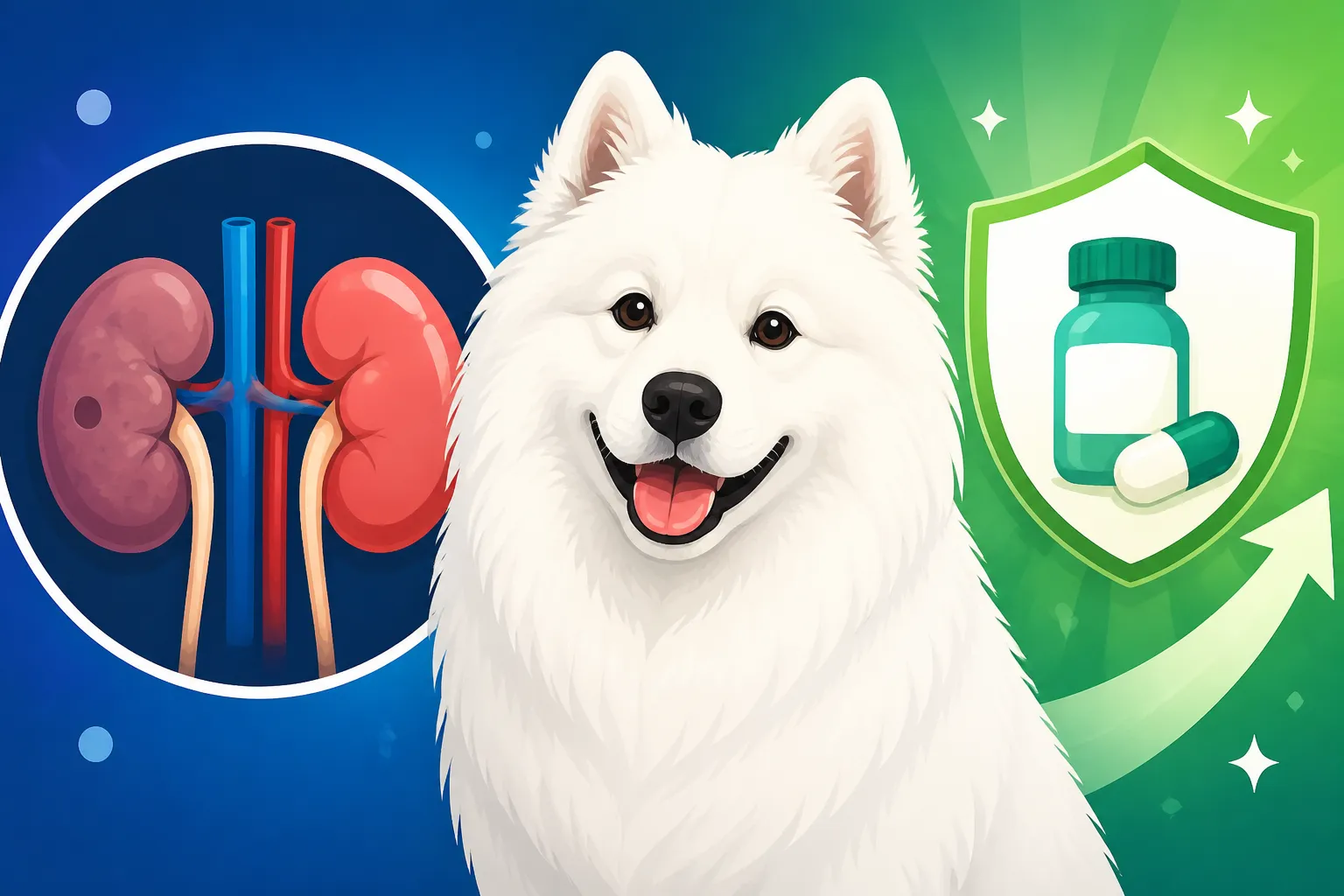
So, can ACE inhibitors truly slow kidney loss in a Samoyed battling SHG? The realistic answer is yes, they can be a critical part of a comprehensive management plan, but they are not a cure. For a disease as aggressive and genetically determined as SHG, "slowing" the progression is the best outcome we can hope for with current medical interventions. ACE inhibitors excel at reducing the protein loss (proteinuria) that is a direct consequence and a major driver of kidney damage in SHG. This reduction in proteinuria lessens the burden on the kidneys and mitigates the inflammatory and scarring processes that contribute to the relentless decline.
Veterinarians often introduce ACE inhibitors as soon as proteinuria is detected, sometimes even before other overt signs of kidney failure appear, especially in young male Samoyeds known to be at risk or genetically affected. The aim is to protect the remaining kidney function for as long as possible. By reducing glomerular pressure and limiting protein leakage, ACE inhibitors effectively buy time, potentially extending the quality of life for your Samoyed. It’s a bitter pill to swallow knowing it’s not a cure, but every extra good day with our furry family members is a gift. The discussion around whether an affected Samoyed can be treated often centers on these very medications.
However, it's vital to manage expectations. While these drugs can slow the rate of decline, they cannot stop or reverse the underlying genetic defect that causes SHG. The disease will still progress, but hopefully at a gentler, more manageable pace. This nuanced understanding is key for owners, preventing false hope while still embracing the tangible benefits these medications offer in managing symptoms and improving comfort. Knowing the genetic status through a test like The COL4A5 Test Every Samoyed Buyer Should Ask About can prompt earlier intervention.
Evidence and Limitations in SHG
While extensive, specific clinical trials on ACE inhibitors solely for Samoyed Hereditary Glomerulopathy are challenging due to the breed-specific and relatively rare nature of the disease, the broader scientific evidence for their effectiveness in protein-losing nephropathies in dogs is strong. Veterinary nephrologists widely recommend them for conditions characterized by significant proteinuria. The physiological benefits—reduced glomerular hypertension, decreased protein leakage, and systemic blood pressure control—are directly relevant to the pathology of SHG.
The limitations, as mentioned, stem from the genetic origin of SHG. ACE inhibitors don't fix the faulty collagen production. They manage the consequences of that defect. Therefore, while they can significantly improve the clinical picture and delay the onset of end-stage renal disease, they cannot prevent it entirely. The disease will ultimately run its course, and the decline, though hopefully slower, is still inevitable. This is the hard truth that every owner of an SHG-affected Samoyed faces. The question of how fast a Samoyed male declines is unfortunately still relevant, even with treatment.
For optimal effectiveness, ACE inhibitors must be part of a multi-modal approach. This means they work best when combined with other supportive therapies, such as a special renal diet, omega-3 fatty acid supplementation, and potentially other blood pressure medications if hypertension is severe. This integrated strategy aims to tackle kidney damage from multiple angles, maximizing the chances of slowing progression and maintaining quality of life. Owners might find that a comprehensive pet insurance plan, such as those offered by Healthy Paws, is a significant help in covering the array of treatments and ongoing veterinary care required.
When to Start and What to Monitor
The decision of when to initiate ACE inhibitor therapy for a Samoyed with SHG typically revolves around the detection of proteinuria. Many veterinarians recommend starting these medications as soon as consistent proteinuria is identified, even if the dog's other kidney values (like creatinine) are still within the normal range. The logic here is proactive protection: addressing the protein loss before it causes irreversible damage to more nephrons. For young male Samoyeds from lines known to carry the SHG gene, screening for proteinuria should begin early and regularly.
Once treatment begins, vigilant monitoring becomes your new normal. This involves regular veterinary visits for several key assessments:
- Urine Protein:Creatinine (UPC) Ratio: This test is essential for tracking the effectiveness of the ACE inhibitor in reducing protein loss. Your vet will want to see this ratio decrease or stabilize.
- Blood Pressure: ACE inhibitors can lower blood pressure, which is generally good, but your vet will monitor to ensure it doesn't drop too low, which can also be harmful to the kidneys.
- Kidney Blood Values (BUN, Creatinine): While ACE inhibitors aim to protect the kidneys, some dogs may initially experience a slight increase in creatinine as their kidneys adjust. Your vet will monitor these closely to ensure they remain stable or improve.
- Electrolyte Levels (Potassium): ACE inhibitors can sometimes cause an increase in potassium levels. Regular checks are needed to ensure this doesn't become dangerous.
This ongoing monitoring is crucial not just for assessing the medication's efficacy, but also for adjusting dosages or adding other treatments as the disease progresses. It’s a marathon, not a sprint, and requires a dedicated partnership between you and your veterinary team. While the cost of treating an affected Samoyed male before he dies can be substantial, focusing on early and consistent care can make a meaningful difference.
Realistic Expectations and Comprehensive Care for SHG
Living with a Samoyed diagnosed with Hereditary Glomerulopathy requires a profound shift in perspective. It means accepting that there is no cure, but also embracing the hope that careful management can significantly improve your dog's quality of life and potentially extend their time with you. Realistic expectations are paramount: an ACE inhibitor isn't a magic bullet that will make the disease disappear. Instead, it's a powerful tool in a comprehensive toolkit designed to mitigate symptoms and slow the rate of decline.
The journey will involve consistent veterinary care, adherence to medication schedules, and often significant dietary adjustments. It can feel overwhelming, watching your vibrant Samoyed battle a silent enemy within. Empathy and support from your veterinary team, and from other Samoyed owners who understand this challenging diagnosis, are invaluable. Focus on the good days, cherish the moments, and provide as much comfort and joy as you possibly can. This holistic approach, integrating medical intervention with attentive daily care, offers the best chance for your Samoyed to live as comfortably as possible.
Remember that while ACE inhibitors are fantastic for managing proteinuria and blood pressure, they work best when supported by other strategies. It’s about building a robust defense system for your Samoyed’s remaining kidney function. This may include changes to their diet, specific supplements, and careful management of their daily routine to minimize stress and maximize comfort.
The Importance of a Renal Diet
Alongside ACE inhibitors, a specially formulated renal diet is one of the cornerstones of managing kidney disease, including SHG. These diets are designed to reduce the workload on the kidneys and slow the progression of the disease. They typically feature:
- Reduced Protein: Not necessarily low protein, but controlled high-quality protein. This lessens the amount of waste products the kidneys have to filter, but still provides enough protein to maintain muscle mass.
- Reduced Phosphorus: Phosphorus is a mineral that accumulates in the blood when kidneys are failing, leading to severe health problems. Renal diets significantly restrict phosphorus levels.
- Controlled Sodium: Lower sodium helps manage blood pressure, which is beneficial for kidney health.
- Added Omega-3 Fatty Acids: These have anti-inflammatory properties that can further protect the kidneys. Research into whether omega threes help a Samoyed's kidneys is promising for overall kidney health.
- Increased B Vitamins: These are often lost in the urine when kidneys are unhealthy, so renal diets typically supplement them.
Transitioning to a new diet can sometimes be tricky, especially if your Samoyed is already feeling unwell. Your vet will guide you on the best commercial renal diet or help you formulate a home-cooked one. Patience and gradual introduction are key. The cost of a renal diet for a Samoyed owner monthly can be a factor, but its benefits are undeniable in managing the disease. For deeper insight, you might want to look into Whether a Renal Diet Extends an Affected Samoyed's Life.
Additional Supportive Therapies
Beyond ACE inhibitors and a renal diet, several other supportive therapies can play a vital role in managing SHG and improving your Samoyed's comfort:
- Antihypertensives: If ACE inhibitors alone aren't enough to control blood pressure, your vet might prescribe additional medications specifically for hypertension.
- Phosphate Binders: These are given with food to reduce the absorption of phosphorus from the gut, helping to control blood phosphorus levels.
- Potassium Supplements (if needed): While ACE inhibitors can sometimes increase potassium, in some cases of kidney disease, potassium levels can drop. Your vet will monitor this closely.
- Anti-nausea Medications: As toxins build up, dogs with kidney failure often experience nausea and vomiting. Medications like maropitant (Cerenia) can help alleviate these symptoms.
- Appetite Stimulants: If your Samoyed is reluctant to eat, appetite stimulants can be a lifesaver, ensuring they get the necessary nutrition.
- Fluid Therapy: In advanced stages or during acute crises, subcutaneous or intravenous fluid therapy can help flush toxins from the system and rehydrate your dog. This can be a huge relief for a dog that feels constantly unwell.
It's a lot to manage, and the cumulative cost of these treatments can be daunting. This is where pet insurance can truly shine. Companies like Healthy Paws, for example, offer comprehensive coverage options that can help offset the significant expenses associated with chronic conditions, allowing you to focus on your Samoyed's care rather than worrying about the bills. Understanding What Treating an Affected Samoyed Male Costs Before He Dies makes clear the value of such support.
Quality of Life Considerations
Ultimately, our goal as Samoyed owners is to provide the best possible quality of life for our dogs, especially when facing a terminal illness like SHG. This means not just managing the disease medically, but also ensuring their emotional and physical comfort.
Consider these aspects:
- Comfortable Environment: Provide a warm, quiet, and easily accessible resting place. Ensure fresh water is always available.
- Gentle Exercise: While strenuous activity may need to be curtailed, gentle walks and playtime are still important for mental and physical well-being as long as your Samoyed feels up to it. Signs an affected Samoyed male feels pain are subtle, so observe changes in activity closely.
- Emotional Support: Your Samoyed relies on your presence and affection. Continue to engage with them, offer gentle grooming, and provide a sense of normalcy and security.
- Regular Communication with Your Vet: Openly discuss your Samoyed's quality of life with your veterinarian. They can help you assess pain levels, discuss palliative care options, and guide you through difficult decisions, including when to consider euthanasia if your Samoyed's suffering becomes unmanageable. It’s never an easy conversation, but it’s a loving one.
| Intervention Type | Primary Goal | Specific Benefits for SHG | Key Monitoring |
|---|---|---|---|
| ACE Inhibitors | Reduce Proteinuria, Lower Blood Pressure | Slows kidney damage progression, protects remaining nephrons | UPC ratio, Blood Pressure, Kidney values (BUN, Creatinine), Potassium |
| Renal Diet | Reduce Kidney Workload, Balance Nutrients | Lowers phosphorus, controlled protein, helps manage toxins | Weight, Appetite, Blood Phosphorus |
| Omega-3 Fatty Acids | Anti-inflammatory | Reduces inflammation in kidneys, overall organ support | General health, coat condition |
| Phosphate Binders | Control Phosphorus Levels | Prevents secondary health issues from high phosphorus | Blood Phosphorus |
| Antiemetics | Relieve Nausea/Vomiting | Improves appetite, enhances comfort and well-being | Appetite, Vomiting frequency |
| Fluid Therapy | Hydration, Toxin Flushing | Supports kidney function, helps dog feel better (acute/advanced stages) | Hydration status, Kidney values |
While the journey with a Samoyed affected by SHG is undoubtedly challenging, with modern veterinary care, including the judicious use of ACE inhibitors and a comprehensive supportive plan, we can often provide these wonderful dogs with additional time and an improved quality of life. Embrace the power of early detection, consistent medical management, and boundless love.
Disclaimer
The information provided in this article is for general informational purposes only and does not constitute veterinary medical advice. Always consult with a qualified veterinarian for any health concerns or before making any decisions related to your pet's health or treatment.