The Average Age a Samoyed Reaches
It’s a question that tugs at every Samoyed parent’s heartstrings: just how long will our beloved cloud live? We invest so much love, time, and care into these fluffy, smiling companions, and the thought of them not being with us for as long as possible is truly heartbreaking. This comprehensive guide will delve into the typical lifespan of a Samoyed, explore the many factors that can influence their longevity, and equip you with the knowledge to help your furry family member live a long, joyful, and healthy life.
Understanding the Samoyed Lifespan Spectrum
When you welcome a Samoyed into your home, you're not just getting a dog; you're gaining a family member with a unique personality and a zest for life. Naturally, one of the first things people wonder is how many years they’ll have with their happy, vocal companion. It’s a very practical question, but also one deeply rooted in the emotional bond we form with our pets.
The Expected Years: What the Books Say
Generally speaking, the average lifespan of a well-cared-for Samoyed falls within the range of 12 to 14 years. This is a pretty solid run for a medium-to-large breed, especially when you consider that some larger breeds often have shorter life expectancies. However, it's crucial to understand that "average" is just that—an average. It’s not a strict deadline, nor is it a guarantee. Some Samoyeds, sadly, might not reach this age, while others will happily bound past it, surprising everyone with their enduring youthfulness.
The foundational genetics play a significant role here. Reputable breeders are meticulously working to produce healthy puppies, selecting breeding stock that is free from known hereditary diseases and comes from long-lived lines. When you acquire a Samoyed from such a breeder, you're stacking the odds in favor of a longer, healthier life, simply by starting with a strong genetic foundation. They understand that while a beautiful coat and a charming smile are wonderful, a robust constitution is truly priceless.
Beyond the Average: Pushing the Envelope
While 12 to 14 years is the standard expectation, it’s not uncommon to hear wonderful stories of Samoyeds reaching 15, 16, or even 17 years old. These incredible elders are a testament to excellent care, a bit of luck, and sometimes, simply phenomenal genetics. Imagine an old Samoyed, perhaps a sweet girl named Anya, still greeting you with a gentle tail wag and a soft nudge for a cuddle at 16, her muzzle perfectly frosted with white, but her eyes still sparkling with intelligence and affection. These are the dogs that truly push the boundaries, reminding us that every year is a gift.
What contributes to these exceptional lifespans? Often, it's a combination of factors, including a low-stress environment, consistent high-quality nutrition throughout their lives, a proactive approach to veterinary care, and owners who are keenly attuned to their dog's subtle needs and changes. It also often comes down to early detection and effective management of any health issues that do arise. For instance, catching a condition like Diabetes in a Middle Aged Samoyed early and managing it diligently can add years of good quality life. The journey with a Samoyed is one of partnership, and that partnership grows even stronger as they reach their golden years.
Key Influencers on Samoyed Longevity
While genetics provide the blueprint, a Samoyed's actual longevity is shaped by a multitude of environmental factors, daily choices, and the quality of care they receive throughout their lives. It's a holistic picture, where every piece contributes to the overall masterpiece of their health.
Genetic Heritage and Responsible Breeding
This is perhaps the single most impactful factor you can control from the very beginning. The genetic health of your Samoyed directly influences their susceptibility to a host of inherited conditions. Responsible breeders go to great lengths to screen their breeding stock for known issues prevalent in the breed. This isn't just a recommendation; it's an ethical imperative.
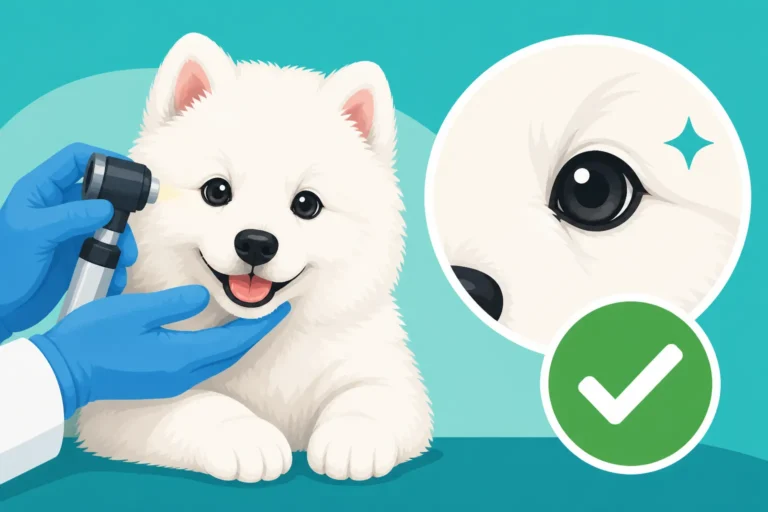
For Samoyeds, critical health clearances typically include hip and elbow evaluations to screen for Hip Dysplasia in a Samoyed, eye examinations to detect conditions like Eye Disease and the Samoyed's Retina, and cardiac screenings. Most importantly, any reputable breeder will be knowledgeable about Samoyed Hereditary Glomerulopathy (SHG) and will conduct the specific DNA test for COL4A5 to ensure they are not producing affected males. Understanding The Kidney Disease That Kills Samoyed Males Before Fifteen Months is crucial for prospective owners. By choosing a puppy from parents with all appropriate health certifications, you're not just buying a dog; you're investing in a future with a higher probability of health and a reduced risk of devastating early-onset diseases. This initial choice sets the stage for a lifetime of health.
Nutrition, Exercise, and Weight Management
What you put into your Samoyed's bowl and how much they move their fluffy bodies directly impacts their long-term health. A high-quality diet, appropriate for their age, activity level, and any specific health needs, provides the building blocks for a strong immune system, healthy organs, and resilient joints. Avoid overfeeding, which can lead to obesity—a silent killer that exacerbates joint problems, strains the heart, and increases the risk of metabolic diseases like diabetes.
Samoyeds are active dogs, and they thrive on regular exercise. This doesn't mean they need to run marathons daily, but consistent, moderate activity is vital. Daily walks, playtime in a secure yard, or even canine sports like agility or canicross keep their muscles strong, their minds engaged, and help maintain a healthy weight. However, it's important to tailor exercise to their age and the weather; remember, they're built for cold climates, so extreme heat can be dangerous. A fit Samoyed has a stronger cardiovascular system and more flexible joints, both of which contribute significantly to a longer, more comfortable life. Ensuring they maintain a healthy weight can prevent a myriad of issues later on.
Proactive Veterinary Care and Early Detection
Think of your veterinarian as a partner in your Samoyed's long-term health plan. Regular veterinary check-ups are not just for shots; they are crucial opportunities for early detection of potential health problems. A skilled vet can spot subtle changes that you might miss, such as changes in heart sounds, early signs of dental disease, or indicators of organ dysfunction in blood work.
Annual wellness exams, including routine blood work and urinalysis, become even more important as your Samoyed ages. For instance, Whether a Samoyed Needs Yearly Kidney Bloodwork is a question often asked by concerned owners, and the answer is usually yes, especially given breed predispositions. Similarly, screening for thyroid issues with Whether a Samoyed Needs Yearly Thyroid Bloodwork can catch problems before they become severe. Early detection of conditions like kidney disease or diabetes allows for prompt intervention and management, which can significantly extend a dog's life and improve its quality. Investing in a robust pet insurance plan, like one from Healthy Paws, can provide peace of mind and ensure you can afford necessary diagnostic tests and treatments without financial strain. This allows you to focus solely on your dog's health, rather than the cost of care.
Common Health Challenges That Can Shorten Life
No matter how careful an owner you are, Samoyeds, like all breeds, can be susceptible to certain health issues that can impact their overall longevity. Being aware of these common challenges empowers you to be vigilant and seek veterinary attention promptly.
Kidney Disease: A Silent Threat
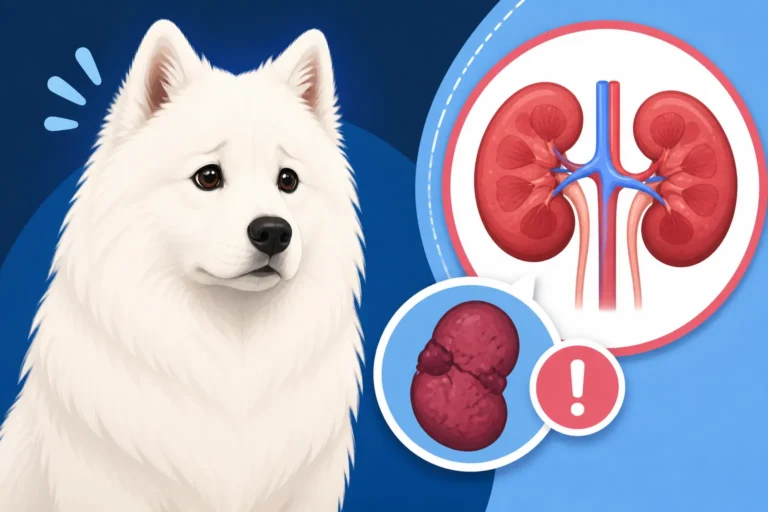
One of the most devastating health challenges specific to the Samoyed breed is Samoyed Hereditary Glomerulopathy (SHG). This is a genetic kidney disease that primarily affects male Samoyeds, often leading to kidney failure and death before they reach two years of age. Female carriers can show milder signs later in life but rarely succumb to the disease in the same way. The insidious nature of this disease is that its early signs, such as increased thirst or changes in urination, can be subtle, and How a Samoyed Hides Illness Behind a Smile means you might not notice serious symptoms until the disease is quite advanced.
The impact of SHG is profound and heartbreaking. It’s why DNA testing for the COL4A5 gene is so critical for breeders. For owners, understanding the signs of protein loss in urine and advocating for early screening can be life-saving. While there's no cure for SHG, managing symptoms and supporting kidney function can sometimes extend life quality for a short period, but the prognosis remains grim for affected males. This is why a comprehensive pre-purchase health check, including knowing the parents' genetic status, is absolutely paramount.
Metabolic and Orthopedic Concerns
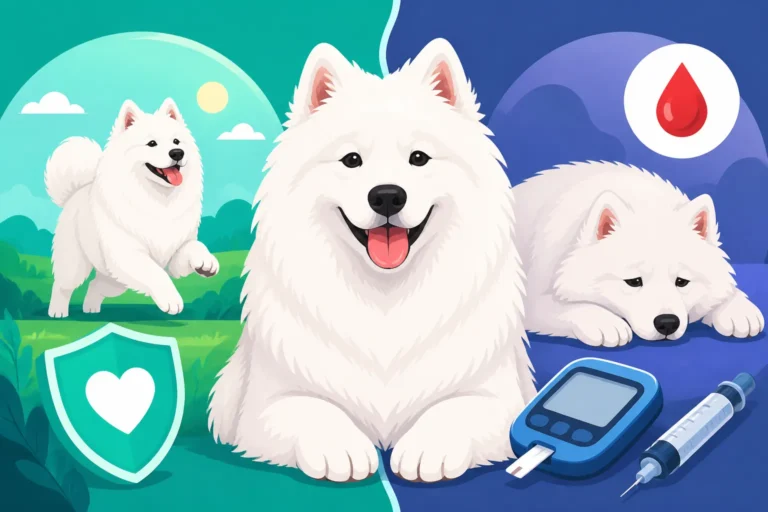
Beyond SHG, Samoyeds can face other significant health hurdles. Diabetes Mellitus, a condition where the body either doesn't produce enough insulin or can't effectively use the insulin it produces, is a concern. Diabetes in a Middle Aged Samoyed is a fairly common occurrence, and it requires lifelong management with insulin injections, dietary changes, and regular veterinary monitoring. Untreated or poorly managed diabetes can lead to severe complications, including blindness, kidney damage, and life-threatening ketoacidosis. Early diagnosis and consistent care are essential for these dogs to live a full and happy life.
Orthopedic issues, such as hip and elbow dysplasia, are also prevalent in many medium to large breeds, including Samoyeds. While reputable breeders screen for Hip Dysplasia in a Samoyed to minimize its occurrence, it can still appear. These conditions involve abnormal development of the joints, leading to pain, arthritis, and reduced mobility. Severe cases can significantly impact a dog’s quality of life and, in rare instances, their lifespan due to chronic pain and secondary health issues from inactivity. While not always fatal, the chronic discomfort can wear on a dog and owner, requiring extensive management, which could be financially supported by a good pet insurance plan from Healthy Paws. Managing these conditions often involves medication, physical therapy, and sometimes surgery, all aimed at improving comfort and function.
Cancers and Other Age-Related Ailments
As Samoyeds move into their senior years, like all dogs, they become more susceptible to various forms of cancer. Lymphoma, osteosarcoma, and mast cell tumors are among the types of cancer that can affect Samoyeds. The prognosis and treatment options vary widely depending on the type of cancer, its stage, and how early it's detected. Unfortunately, cancer is a leading cause of death in older dogs, and What Samoyeds Actually Die Of often includes various neoplastic diseases.
Beyond cancer, other age-related issues can impact longevity and quality of life. Heart conditions, though less common than in some other breeds, can emerge. Eye conditions like Progressive Retinal Atrophy (PRA) can lead to blindness, which while not directly life-threatening, necessitates adjustments to a dog's environment and care. Canine cognitive dysfunction, similar to Alzheimer's in humans, can also affect older Samoyeds, leading to confusion, anxiety, and changes in sleep patterns. While these conditions don't always directly shorten life, they significantly impact the quality of life and require dedicated, compassionate care.
Embracing the Senior Samoyed Years
Watching your energetic Samoyed puppy transform into a wise, frosted-faced senior is a journey filled with love and, inevitably, some changes. These golden years are precious, and with understanding and adapted care, you can ensure they remain comfortable and cherished.
Recognizing the Signs of Aging
It's a subtle shift, but eventually, even the most playful Samoyed will start showing Signs a Samoyed Is Getting Old. Their boundless energy might wane slightly, their sleep patterns could change, or they might not be as quick to greet you at the door. You might notice their beautiful white coat starting to yellow a bit, or perhaps a thinning of their fur in certain areas. It’s often a slow, gradual process, making it easy to overlook the earliest indicators.
Arthritis is a common companion for The Age a Samoyed Counts as a Senior, which is generally around nine years old. They might move a little slower, hesitate before jumping, or seem stiff after lying down. Their eyesight or hearing may begin to diminish, leading to them being startled more easily or bumping into things they once navigated with ease. Because How a Samoyed Hides Illness Behind a Smile, it’s crucial for owners to be extra observant during these years, looking for even the slightest changes in appetite, water intake, mobility, or demeanor. Don't dismiss these as "just old age"; many can be managed to improve comfort.
Tailoring Care for an Older Companion
Caring for an older Samoyed means adjusting their routine and environment to meet their changing needs. Caring for a Samoyed Past Nine involves a holistic approach. Their diet might need to be tweaked to a senior formula, which is typically lower in calories to prevent weight gain (as their metabolism slows) and often enriched with joint-supporting supplements. Smaller, more frequent meals can also be beneficial for easier digestion.
Exercise should remain a part of their daily life, but it should be gentler and shorter. Instead of long hikes, think multiple short, leisurely walks on soft surfaces. Ramps or pet stairs can help them access favorite spots like the couch or bed without straining arthritic joints. A comfortable, orthopedic dog bed can make a world of difference for their aching bones. Increased veterinary visits, often twice a year, become vital for monitoring their overall health, managing pain, and catching any new issues early. Discussing options for joint supplements, anti-inflammatory medications, or even physical therapy with your vet can significantly enhance their comfort. Remember, your vet is your best resource for keeping your senior Samoyed happy and mobile. This continued, dedicated care, often supported by the financial flexibility that a good pet insurance policy, such as one from Healthy Paws, can provide, ensures their twilight years are as comfortable and joyful as possible.
Here's a quick overview of some factors influencing a Samoyed's lifespan:
| Factor | Impact on Longevity |
|---|---|
| Genetics | High: Predisposition to hereditary diseases like SHG, hip dysplasia, eye conditions. |
| Nutrition | High: Quality diet, appropriate caloric intake, avoids obesity, supports organ health. |
| Exercise | High: Maintains healthy weight, muscle tone, joint flexibility, cardiovascular health. |
| Veterinary Care | High: Early disease detection, preventative care, management of chronic conditions. |
| Environment/Stress | Moderate: Low-stress home, safe outdoor space, protection from extreme weather. |
| Weight Management | High: Prevents strain on joints, heart, reduces risk of diabetes and other illnesses. |
| Dental Hygiene | Moderate: Prevents systemic infections from gum disease, maintains overall health. |
Disclaimer
This article is for general informational purposes only and does not constitute professional advice. Laws, prices and regulations vary by location and change over time. Consult a qualified professional for guidance on your specific situation.