Why Samoyeds Reach Rescue at Eighteen Months
It's a heartbreaking reality that many beautiful Samoyeds find themselves in rescue organizations around the age of eighteen months. What starts as a fluffy, adorable puppy, captivating hearts with its smiling face and playful antics, can quickly become an overwhelming challenge for unprepared owners as it matures. This guide will explore the common reasons why these wonderful dogs end up needing a new home at such a pivotal stage in their development, helping potential owners understand the full commitment required to raise a Samoyed from puppyhood to a well-adjusted adult.
The Puppy Illusion and Teenage Reality
The journey with a Samoyed often begins with that utterly enchanting puppy phase. Those tiny, snowy fluffballs are irresistible, and it's easy to get swept away by their charm. However, without a deep understanding of the breed's intrinsic nature, that sweet puppy can quickly grow into a strong-willed, vocal, and incredibly energetic adolescent that feels like a completely different dog.
The Irresistible Samoyed Puppy Charm
Let's be honest, few things are cuter than a Samoyed puppy. Their soft, white fur, sparkling dark eyes, and tiny "Sammy smile" are pure magic. It’s a common story: someone sees a picture or meets a puppy, falls instantly in love, and brings one home without fully grasping the long-term commitment. These puppies are manageable in size, relatively quiet compared to their adult selves, and their energy is often seen as endearing playfulness. They snuggle, they tumble, and they melt hearts effortlessly. It's during this phase that many people make an emotional decision, perhaps overlooking the breeder’s advice or skipping crucial research into the breed's origins and temperament. They might assume that their puppy's current docile nature will simply scale up to a larger, equally docile adult, which is a significant miscalculation. The initial months are often filled with joy and wonder, creating an almost idyllic picture that unfortunately doesn't always reflect the future.
The Adolescent Avalanche: What Changes at 18 Months
Suddenly, it feels like overnight, that charming puppy transforms into a powerful, opinionated adolescent. By 18 months, a Samoyed is typically nearing its full physical size and has hit peak adolescence. This is often when their innate traits truly begin to blossom, sometimes in ways that are entirely unexpected by their owners. Their energy levels rocket, their vocalizations—which can range from enthusiastic "woo-woos" to ear-splitting "Samoyed screams"—become more pronounced, and their famous independent streak solidifies into a firm "negotiator" personality. The once-cute nipping and playful roughhousing become more forceful, demanding clear boundaries and consistent training. Owners who might have scraped by with basic obedience during puppyhood suddenly find their adolescent Samoyed "forgetting" commands, testing limits, and asserting its opinions with unwavering determination. This clash between the owner's fading memory of a cute puppy and the burgeoning will of a powerful adolescent often marks the beginning of the end for many Samoyed placements.
Unrealistic Expectations and Lack of Preparation
One of the biggest culprits in Samoyeds ending up in rescue is a fundamental mismatch between owner expectations and the reality of living with this unique breed. The breed's striking appearance often overshadows the practicalities of their care and temperament.
Overlooking Breed-Specific Needs
Many people fall in love with the Samoyed's stunning appearance and famous smile, but they often fail to delve deep into the core needs that make this breed thrive. Samoyeds were bred for a specific, demanding lifestyle in the Arctic: herding reindeer, pulling sleds, and sleeping close to humans for warmth. These roles fostered their intelligence, their independence, their incredible endurance, and their deep need for companionship.
What does this mean for a modern Samoyed? It means they are often highly vocal, not necessarily "barky" in the traditional sense, but they "talk" with a wide range of howls, grumbles, and that characteristic "Samoyed scream." It means they possess a remarkable prey drive, making off-leash reliability a constant challenge, if not an impossibility, for most. It means they need a lot of physical exercise and mental stimulation, far more than a simple walk around the block. Without outlets for these innate drives, they can become bored, frustrated, and destructive. Owners who expected a fluffy, docile companion are often bewildered by a dog that is constantly seeking stimulation, vocalizing loudly, and making its own fun, which might involve chewing furniture or digging up the yard. This isn't a flaw in the dog; it's a testament to powerful genetics not being met. For a deeper dive into their unique vocalizations, you might find our article on The Samoyed Scream and Why It Is Not Barking insightful.
The Cost Shock
Beyond the daily care, the financial commitment of owning a Samoyed can be a significant surprise. It's not just the initial purchase price; it's the ongoing expenses that accumulate rapidly as the dog grows from a puppy into an adult. Many owners simply don't budget for the true cost of ownership.
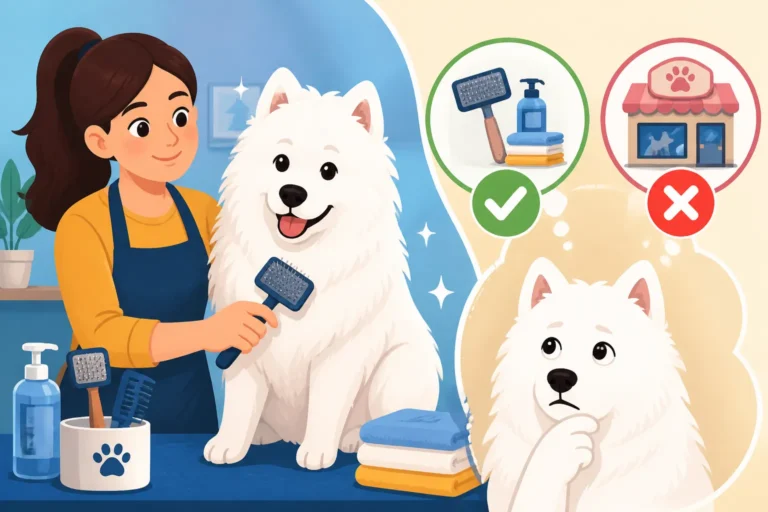
Consider the grooming alone: that magnificent double coat requires regular, thorough brushing, especially during twice-yearly "coat blows." Professional grooming sessions, necessary for many owners, can be quite costly due to the sheer volume of fur and the time involved. Then there's the food – Samoyeds are large, active dogs, and quality food isn't cheap. If you're looking into specific brands, you might consider options available through platforms like Chewy, which offers a wide range of dog food and supplies, or even explore fresh food providers like Ollie if that suits your budget and your dog's needs.
Vet bills are another major factor. Routine check-ups, vaccinations, parasite prevention, and unexpected illnesses or injuries can add up rapidly. While Samoyeds are generally healthy, they are prone to certain breed-specific health issues like hip dysplasia or certain eye conditions. Understanding the potential financial strain, many proactive owners opt for pet insurance, with providers like Healthy Paws offering plans that can help mitigate unforeseen medical expenses. Thinking about the potential long-term costs, especially for conditions like kidney disease or diabetes, is crucial. Our article What Insuring a Samoyed With Two Known Diseases Costs provides a stark look at how these medical needs can impact a budget, and highlights the importance of financial planning.
| Cost Category | Puppyhood Expectation | Adolescent/Adult Reality |
|---|---|---|
| Initial Cost | Purchase price, initial supplies | Purchase price, initial supplies, plus first vet visits |
| Food | Small puppy portions | Large adult portions, specialized diets (if needed) |
| Grooming | Minimal brushing | Daily brushing, professional grooming, "coat blow" management |
| Vet Care | Vaccinations, check-ups | Annual exams, emergency care, potential breed-specific health issues |
| Training | Puppy classes | Ongoing classes, private lessons for behavioral issues |
| Exercise | Playtime in yard, short walks | Daily vigorous activity, structured walks, dog sports |
| Containment | Crate, basic fence | Escape-proof fencing, GPS collar, secure leash/harness |
| Vocalization | Cute puppy yips | Persistent "talking," howling, Samoyed screams |
| Home Impact | Minimal fur, occasional puppy messes | Constant fur, potential destruction if bored |
Behavioral Challenges That Surface with Maturity
The Samoyed’s unique personality traits, while endearing to those who understand them, can become significant behavioral challenges for owners who are caught off guard. These traits are often amplified during adolescence, pushing unprepared owners to their limits.
The Samoyed Scream and Vocalizations
One of the most defining, and often challenging, characteristics of a Samoyed is its vocal repertoire. Unlike many breeds that simply bark, Samoyeds "talk." This can range from soft grumbles and conversational "woo-woos" to an incredibly loud, piercing "Samoyed scream" that can startle even the most seasoned dog owner. During puppyhood, these noises might be infrequent or dismissed as cute. However, as the Samoyed matures, its vocalizations become more frequent, more powerful, and often used to express everything from excitement and demand to boredom and frustration.
Imagine living in a quiet suburban neighborhood or an apartment complex, and your 18-month-old Samoyed decides to serenade the mail carrier or express its displeasure at being left alone with a full-throated, sustained howl or scream. Neighbors can quickly become exasperated, and owners can feel immense pressure and embarrassment. Attempts to suppress this natural behavior often backfire, leading to more insistent vocalizations or other undesirable coping mechanisms. It’s crucial for potential owners to understand that this isn’t a training flaw but an inherent breed trait. Learning to manage it, rather than eradicate it, through proper exercise, mental stimulation, and training, is key. Our guide on Why a Samoyed Vocalizes Instead of Barking explains this in greater detail.
Houdini Hounds: Escape Artists and Wanderers
Samoyeds are intelligent, resourceful, and driven by an innate desire to explore their surroundings. This drive, combined with their incredible athleticism and problem-solving skills, often makes them expert escape artists. A fence that seems perfectly secure for other breeds can be an open invitation for a determined Samoyed. They will jump over, dig under, or even figure out how to open latches and doors. This behavior often becomes fully pronounced around 18 months, when they are strong enough to clear formidable barriers and confident enough to venture further from home.
The consequences of a constantly escaping dog are severe. There's the risk of traffic accidents, encounters with aggressive dogs or wildlife, and the sheer panic of a lost pet. For an owner, it can lead to constant anxiety, expensive repairs to fencing, and potentially legal troubles if the dog causes damage or frightens someone. An invisible fence system, which relies on a static correction, is often ineffective against a Samoyed's drive, as they'll endure the momentary discomfort to explore the world beyond. Many owners don't realize that a Samoyed’s recall, even a well-trained one, often cannot be trusted when a squirrel or interesting scent enters the picture. This independent spirit and wanderlust are not malicious; they are simply strong instincts. Our article, How a Samoyed Gets Out of Anything You Build, delves into the specific ways these dogs can outsmart their enclosures. Investing in a robust, physical fence and considering a GPS collar for added peace of mind are often necessities.
Training Frustrations and the Independent Streak
Training a Samoyed is an exercise in patience, consistency, and a good sense of humor. While intelligent, they are not typically eager-to-please, robotic learners. They process commands, weigh their options, and then decide if it's worth their while to comply. This independent streak, often described as "stubbornness," becomes more pronounced during adolescence. Owners who may have had success with early puppy classes suddenly find their 18-month-old Samoyed seemingly "forgetting" commands it knew perfectly well, or simply offering a charming "Samoyed smile" instead of the requested sit.
This can be incredibly frustrating for new owners, particularly those accustomed to breeds that live to obey. Traditional, harsh training methods are usually ineffective and can damage the bond with a Samoyed, leading them to shut down or become more resistant. Positive reinforcement, patience, and making training feel like a fun game are crucial. They thrive on variety and short, engaging sessions rather than repetitive drills. Understanding that a Samoyed is a partner, not a servant, is key. They will question, negotiate, and sometimes politely decline. This requires an owner who is resilient, creative, and willing to adapt their training style. Without this understanding, the lack of perceived obedience can lead to feelings of inadequacy for the owner and a breakdown in the relationship with the dog. For more insights into their unique learning style, read Training a Samoyed That Finds Obedience Negotiable.
Grooming Nightmares and Shedding Season Shock
The Samoyed's iconic white coat is one of its most defining features, but it also demands a level of care that many prospective owners simply don't anticipate. What looks like a soft cloud of fur is actually a highly functional, dense double coat designed for extreme cold.
The Legendary Double Coat and Its Demands
The Samoyed’s coat is nothing short of magnificent – but it's a working coat, not just a pretty one. It's composed of a harsh, long outer coat (guard hairs) and a dense, woolly undercoat. This ingenious design provides insulation against sub-zero temperatures and even helps protect them from the sun's harsh rays in summer. Many people only see the beauty and don't grasp the maintenance required. This isn't a wash-and-wear kind of dog.
During puppyhood, the coat is softer and easier to manage. But by 18 months, the adult coat has fully come in, complete with its characteristic density and length. This is when the true grooming demands become apparent. Samoyeds require thorough brushing several times a week, ideally daily, to prevent mats and tangles, especially behind the ears, under the legs, and around the "ruff" and "breeches." And then there are the "coat blows." Twice a year, typically in spring and fall, a Samoyed will shed its entire undercoat over a period of several weeks. This isn't just a little extra fur; it's an absolute avalanche of soft, white fluff. If not diligently brushed out, the shedding undercoat can quickly mat against the skin, leading to painful hot spots, skin infections, and severe discomfort for the dog. Owners often find themselves overwhelmed by the sheer volume of fur and the time commitment required to keep their Samoyed's coat healthy. Our article A Samoyed's Coat Is Insulation, Not Decoration highlights the functional aspects of this amazing coat.
The Never-Ending Snowstorm Indoors
Living with a Samoyed means living with fur. Everywhere. All the time. During the coat blow, it intensifies to an almost unbelievable degree. Owners quickly learn that a clean house is a relative term. Fur floats through the air, settles on furniture, carpets, and clothes, and finds its way into every nook and cranny. For individuals with allergies or those who are meticulous about cleanliness, this can quickly become a significant source of stress and frustration.
Many owners who were prepared for "some shedding" are utterly shocked by the reality of Samoyed fur. Regular vacuuming becomes a daily chore, sometimes multiple times a day during a coat blow. Specialized vacuums are often a necessity. While the fur can be collected and even spun into yarn, the daily reality of managing it can be exhausting. This constant battle against fur, especially when coupled with other challenges, can erode an owner's patience and lead them to believe they can no longer cope. Our post What Twenty Pounds of Samoyed Undercoat Does to a House paints a vivid picture of this particular challenge, emphasizing that it's a lifestyle, not just a seasonal event.
The Lifestyle Mismatch: Energy, Exercise, and Environment
The Samoyed is a powerhouse of a dog, bred for endurance and activity. Many people underestimate the sheer volume of exercise and mental engagement these dogs require, leading to destructive behaviors and an unhappy household.
High Energy, High Demands
Beneath that smiling, fluffy exterior lies a highly athletic dog with a deep need for physical activity and mental engagement. Samoyeds were bred to run for miles, pulling sleds, and actively herding reindeer. This isn't a breed content with a leisurely stroll around the block or a quick romp in the backyard. An adult Samoyed at 18 months needs significant, structured exercise daily – often an hour or two of vigorous activity. This could be jogging, long hikes, off-leash play in a secure area (where appropriate), or participation in dog sports like agility, canicross, or carting.
When their substantial exercise needs aren't met, Samoyeds become bored, restless, and inventive. Their intelligence, combined with pent-up energy, often leads to destructive behaviors. This might manifest as excessive chewing, digging craters in the yard, barking persistently, or developing separation anxiety. An owner who works long hours, has a sedentary lifestyle, or simply doesn't have the time or energy to dedicate to their Samoyed's needs will quickly find themselves with a frustrated dog and a chaotic home. The dog isn't being "bad"; it's simply trying to fulfill its genetic programming in inappropriate ways. Understanding their natural drive is essential; our article The Job a Samoyed Actually Needs goes into depth on this.
Climate Challenges: Arctic Dog in a Warm World
The Samoyed's dense double coat is a marvel of natural engineering, perfectly suited for the frigid Arctic climates where they originated. This coat insulates them not just against cold, but also against heat. However, it doesn't make them invincible in warm weather. In fact, owning a Samoyed in a hot or humid climate presents a significant challenge that many owners fail to fully appreciate.
During puppyhood, their smaller size and less dense coat might make them seem more tolerant of warmth. But by 18 months, with a full adult coat and high energy levels, a Samoyed can quickly overheat in even moderately warm temperatures, let alone true summer heat. This means drastically altering exercise schedules to early mornings or late evenings, avoiding midday sun, and constantly monitoring for signs of heat stress. Access to air conditioning, cooling mats, and plenty of fresh water becomes not a luxury, but a necessity. Owners in regions like the southern United States often face immense difficulty ensuring their Samoyed stays cool and comfortable, leading to dogs that are largely confined indoors for large portions of the year or unable to exercise adequately. This inability to enjoy the outdoors during significant parts of the year can lead to a dog's exercise needs going unmet, compounding behavioral issues, and ultimately adding to the owner's stress. For advice on managing a Samoyed in heat, refer to our article A Samoyed Built for Sixty Below in an American Summer.
When Owners Give Up: The Path to Rescue
The culmination of these challenges often leads to a heartbreaking decision: surrendering the Samoyed to a rescue or shelter. The 18-month mark is particularly common because it represents a critical turning point in the dog's life and the owner's journey.
The Breaking Point: Why 18 Months?
The period around 18 months is often the perfect storm for Samoyed owners. The dog has reached its full physical size and strength, its energy levels are at their peak, and its independent, vocal personality is fully developed. All the endearing puppy quirks have matured into strong, sometimes challenging, adult behaviors.
For many owners, the initial "puppy love" has worn off, replaced by daily frustrations. The amount of fur, the constant noise, the digging, the escaping, the "stubbornness" in training, and the endless need for exercise become too much to handle. The romanticized image of a fluffy companion has been replaced by the reality of a demanding, high-maintenance dog. Owners might feel exhausted, defeated, and guilty that they can't provide the life their Samoyed needs. They may have tried various training methods or consulted trainers, only to find that the Samoyed's inherent traits are difficult to fundamentally change without an immense, sustained commitment. This isn't always a reflection of "bad" owners, but often of unprepared owners who, despite good intentions, find themselves utterly overwhelmed by a dog that is simply being a Samoyed. It's at this stage that the dog's personality is fully formed, and if it clashes significantly with the owner's lifestyle or expectations, the relationship can unravel completely. Our article Why Samoyeds Are Surrendered delves deeper into the common reasons behind these difficult decisions.
The Role of Responsible Breeding and Education
The prevalence of Samoyeds in rescue at 18 months highlights the critical importance of responsible breeding practices and comprehensive owner education. Ethical breeders don't just sell puppies; they screen potential owners rigorously, educate them about the breed's needs and challenges, and offer lifelong support. They understand their responsibility for every puppy they produce and often have clauses in their contracts requiring the dog be returned to them if the owner can no longer care for it, rather than going to a shelter.
Responsible breeders conduct health testing for genetic conditions common in the breed, such as hip dysplasia and hereditary kidney disease, ensuring they are not contributing to health problems that could later become a financial or emotional burden for owners. They strive to produce well-tempered dogs and work to match the right puppy with the right family. However, even with the best intentions from breeders, the ultimate responsibility falls on the prospective owner to perform due diligence. This means doing more than just admiring a photo; it means researching breed standards, talking to multiple Samoyed owners, visiting dog shows or events to observe adult Samoyeds, and being brutally honest about whether their lifestyle can truly accommodate such a demanding, yet rewarding, companion. This upfront education and commitment can prevent many heartbreak stories down the line.
Preventing the Eighteen-Month Crisis
Bringing a Samoyed into your life is a significant decision, but with proper preparation and realistic expectations, you can navigate the adolescent period and enjoy a fulfilling, lifelong companionship. The key lies in understanding the breed deeply and preparing for the challenges ahead.
Thorough Research and Self-Assessment
Before even considering a Samoyed, dive headfirst into comprehensive research. Go beyond the cute pictures and glowing descriptions. Seek out information on their history, temperament, exercise requirements, grooming needs, and potential health issues. Read books, scour reputable breed club websites, and join online forums where experienced Samoyed owners share their unfiltered experiences. Talk to multiple Samoyed owners – the more, the better – to get a diverse perspective on the realities of living with this breed. Ask them about their biggest challenges, their daily routines, and what they wish they had known before getting their first Sammy.
Crucially, engage in honest self-assessment. Consider your lifestyle:
- Do you have the time and energy for daily vigorous exercise, rain or shine, snow or heat?
- Are you prepared for constant vocalizations and an independent mind that may not always choose to obey?
- Can you commit to regular, thorough grooming and tolerate a certain amount of fur in your home?
- Do you have the financial resources for quality food, routine vet care, potential specialized medical needs, and possibly professional grooming?
- Is your living situation, including your yard and neighborhood, suitable for a high-energy, vocal dog that excels at escaping?
It’s often helpful to spend time with adult Samoyeds, not just puppies, to truly understand their size, energy level, and personality. This can provide a much clearer picture of what the future holds, helping you decide if this truly is the right breed for you.
Proactive Training and Socialization
Starting early and maintaining consistency are paramount when raising a Samoyed. Puppyhood is a critical window for socialization and foundational training. Enroll your Samoyed puppy in puppy classes as soon as it's fully vaccinated to expose it to new people, dogs, sights, and sounds in a controlled, positive environment. Early socialization helps build confidence and appropriate responses to novel situations.
When it comes to training, understand that a Samoyed needs positive reinforcement, patience, and creativity. They respond best to reward-based methods using high-value treats and praise. Keep training sessions short, fun, and varied to hold their attention. Focus on building a strong bond based on trust and mutual respect, rather than attempting to force compliance. Teach them basic obedience cues, but also consider enrolling in advanced classes like Canine Good Citizen, rally, or even beginner sledding or agility, to provide essential mental and physical outlets. Remember, their intelligence needs to be channeled productively. Our guide, The First Year With a Samoyed Puppy, offers a roadmap for navigating this crucial developmental period successfully, emphasizing the importance of early intervention and consistent effort.
Financial Planning and Support Systems
The financial commitment of a Samoyed extends far beyond the initial purchase price. Budget for quality food; for example, you can find a wide variety of reputable dog food brands, including those that offer subscription services, on Chewy. If you are exploring fresh food diets, brands like Ollie can also be considered, though it’s important to research what suits your dog’s specific needs and your budget. Beyond food, factor in routine veterinary care, vaccinations, parasite prevention, and unexpected emergencies. Having a dedicated savings fund for your pet or investing in pet insurance from a provider like Healthy Paws can provide a crucial safety net against unforeseen medical expenses, which can be significant, especially as your Samoyed ages.
Consider the cost of professional grooming or invest in quality grooming tools (like a high-velocity dryer and undercoat rakes) if you plan to do it yourself. Factor in the cost of sturdy, escape-proof fencing, durable toys, and training classes. Think about your support system: who will care for your Samoyed if you travel? Can they handle a large, active, and potentially vocal dog? Do they understand its specific needs? Having a network of trusted friends, family, or professional pet sitters who are experienced with northern breeds can make a world of difference. Being prepared for the financial realities and having a robust support system in place can greatly reduce stress and help ensure your Samoyed remains a cherished member of your family for its entire lifespan.
Disclaimer
This article is for general informational purposes only and does not constitute professional advice. Laws, prices and regulations vary by location and change over time. Consult a qualified professional for guidance on your specific situation.