What Twenty Pounds of Samoyed Undercoat Does to a House
If you've ever welcomed a Samoyed into your home, you know the absolute joy, the constant smile, and, inevitably, the omnipresent fluff. It's a truth universally acknowledged among Samoyed parents that their glorious, cloud-like coat, while beautiful, is a force of nature when it decides to shed. This guide is dedicated to tackling the very real, often overwhelming, experience of living with what feels like twenty pounds of Samoyed undercoat constantly migrating through your home, offering empathetic advice and practical solutions for keeping your sanity (and your floors) in check.
The Magnificent, Yet Menacing, Samoyed Coat
Let's face it: the Samoyed's double coat is one of its most defining features, a fluffy halo that makes them look like living snow angels. But what makes it so beautiful and functional in sub-zero temperatures makes it a significant undertaking in a modern home. Understanding the nature of this coat is the first step in managing the fur tsunami.
The Sheer Volume of a Samoyed's Double Coat
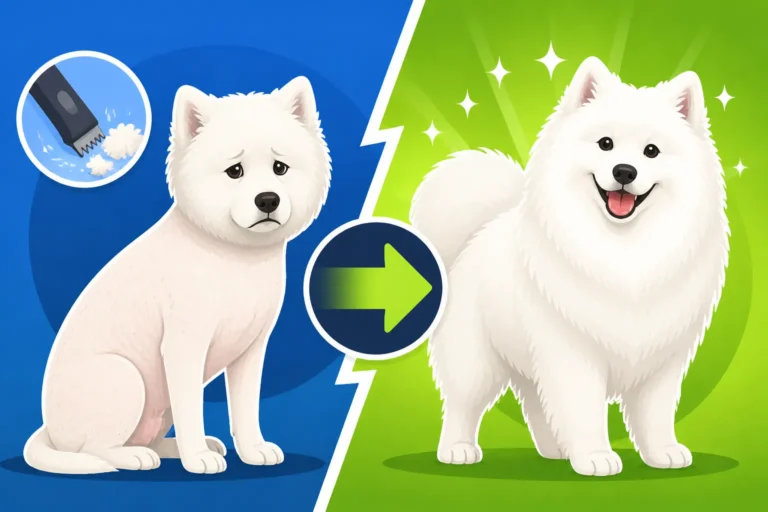
Your Samoyed isn't just fluffy; they're built fluffy. Their coat consists of two distinct layers: a harsh, straight outer guard coat that repels dirt and moisture, and a soft, dense, woolly undercoat that provides incredible insulation. It's this undercoat, especially, that contributes to the legendary "Samoyed glitter" that blankets every surface of your home. We're not talking about a few stray hairs here and there, but a continuous, almost manufacturing-level production of fine, white fluff. When you run your hands through that plush coat, you're touching a dense forest of hair, each strand designed to keep them warm in the Arctic. And when those strands decide it's time to depart, they do so with gusto.
This magnificent insulation, while perfect for snowy tundras, means your Samoyed is carrying a lot of hair. And when you live with them, you’re also living with a substantial portion of that hair. It’s not uncommon to brush out enough fur to knit a small sweater in a single session, and yet, they still look just as fluffy. This sheer volume is what separates Samoyed shedding from that of many other breeds – it’s a full-body event, not just a daily dusting.
The Seasonal Deluge: Understanding the Coat Blow
While Samoyeds shed year-round, there are specific times of the year when their shedding intensifies to what we lovingly (or perhaps despairingly) call a "coat blow." This usually happens twice a year, typically in spring as they shed their heavy winter coat for a lighter summer one, and in the fall as they prepare for colder weather. However, factors like indoor temperatures, spaying/neutering status, and even hormonal cycles can influence the timing and intensity.
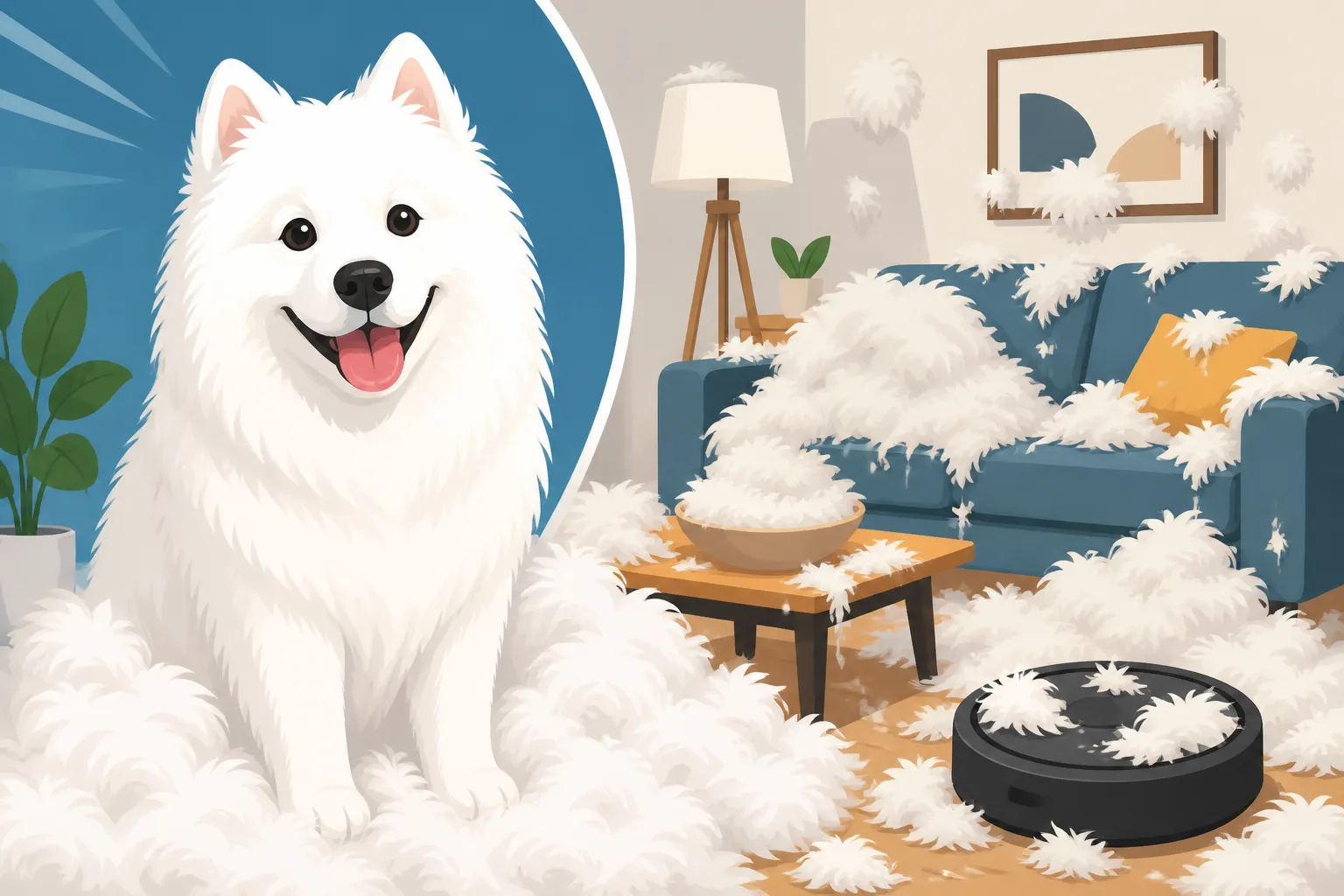
During a coat blow, you're not just finding fur; you're finding tufts, clumps, and clouds of it. It detaches from the dog in sheets, forming tumbleweeds that roll across your floors as if powered by an unseen arctic wind. This isn't just an inconvenience; it can be overwhelming. You might brush your Samoyed for an hour, only to turn around and see a fresh pile of fluff where they were just lying. It truly feels like an endless battle, especially when you consider How Long a Samoyed's Coat Blow Lasts. It’s a period where cleanliness takes a back seat to survival, and you learn to view your home as a temporary fur repository.
Why "Just Brushing" Isn't Enough
Many people think a good brush once a week will solve the shedding problem. Oh, if only that were true for a Samoyed! While regular brushing is absolutely critical—and we'll delve into effective strategies later—it's rarely enough to completely contain the undercoat. The density of their coat means that surface brushing barely scratches, or rather, barely brushes, the surface. You need specialized tools and techniques to truly get down to the undercoat and remove the loose, dead hair before it embarks on its journey through your home.
Without thorough, deep brushing, the loose undercoat can quickly mat, especially behind the ears, under the legs, and around the tail. Mats can be painful for your Samoyed, pulling on their skin and creating hotspots, and they make the shedding problem even worse by trapping more dead hair. So, while brushing is essential, it's not a magic bullet that makes the fur disappear entirely. It's a preventative measure that reduces the overall load, but the reality is, some amount of fur will always make its way into your living space.
The Impact on Household Cleaning: A Never-Ending Task
Living with a Samoyed means accepting that your definition of "clean" will undergo a significant revision. That pristine, magazine-worthy home you once envisioned? It now has a permanent, fluffy overlay.
Your Floors Become Fur Carpets
No matter the type of flooring you have, Samoyed fur will find a way to cover it. On hardwood, tile, or laminate, it forms ghostly tumbleweeds that drift with every open door or air current, gathering in corners, under furniture, and clinging to baseboards. You might sweep or vacuum in the morning, only to find new fur bunnies by lunchtime. It’s a Sisyphean task.
If you have carpeting, especially darker carpet, the fur weaves itself into the fibers, becoming an integral part of the floor covering. It can be incredibly difficult to extract, even with powerful vacuums. You'll find yourself needing to vacuum far more frequently than you ever imagined, perhaps even daily during a coat blow. That satisfying feeling of a clean floor becomes fleeting, replaced by the immediate reappearance of white fluff. You might even find yourself checking What a Samoyed's Shedding Costs in Vacuum Bags more often than you'd like to admit, realizing just how much goes into keeping up.
Furniture: A Furry Landscape
Your couch, your armchairs, your favorite reading nook—they all become prime real estate for Samoyed fur. Even if your dog isn't allowed on the furniture, gravity and air currents ensure that their undercoat makes its way onto cushions, blankets, and even decorative pillows. Darker fabrics, in particular, act as a stark canvas for every white strand, making the fur incredibly noticeable.
This means a constant routine of lint rolling, vacuuming upholstery attachments, and frequent washing of couch covers and throws. For guests, it's often the first thing they notice, despite your best efforts. You learn to strategically place blankets or throws that are easier to wash, or simply accept that your home has a distinct "Samoyed chic" aesthetic. It’s not just about aesthetics either; if you’ve ever sat down on a fur-covered couch in dark pants, you know the frustration of standing up looking like you’ve wrestled a polar bear.
The Invisible Invasion: Fur in Every Nook and Cranny
It’s not just the obvious places. Samoyed fur is an expert at infiltration. It clings to curtains, accumulates on lampshades, settles on bookshelves, and even finds its way into drawers and cabinets. You open a cupboard and a puff of fur wafts out. You pull out a clean shirt from your closet, and there’s a stray white hair stuck to it. It’s truly astonishing how pervasive it can be.
Dusting becomes an exercise in futility, as the fur re-settles almost immediately. Electronic screens, like TVs and computer monitors, seem to attract it like magnets. This isn't just about superficial cleanliness; it means a constant battle against dust and dander that can exacerbate allergies for sensitive household members. You might find yourself investing in air purifiers just to try and manage this invisible (and sometimes visible) invasion.
Air Quality and Allergies: Beyond the Visible Fluff
While the visible fur is a headache, the microscopic dander and fine hairs floating in the air can have a more significant impact on your home environment and your family's health.
Floating Fur and Dander: An Airborne Challenge
A Samoyed's dense undercoat produces a lot of dander—tiny flakes of skin that shed along with the hair. These particles are incredibly light and easily become airborne, circulating throughout your home's ventilation system. Even if you're meticulously cleaning surfaces, these invisible particles are constantly present, settling on everything from kitchen counters to bed linens.
This airborne dander can significantly impact indoor air quality. It can make the air feel heavy, contribute to a "dog smell" even in a clean house, and requires constant filtration to mitigate. For those living in smaller spaces or without robust ventilation, the concentration of these particles can feel quite high. It's not just about the hair you see; it's about the particles you breathe.
The Battle Against Pet Allergies
For individuals with pet allergies, living with a Samoyed requires an entirely different level of management. While no dog is truly "hypoallergenic" (as allergies are to dander, not just hair), a heavy-shedding breed like a Samoyed can be a significant trigger. The constant presence of dander and fine fur in the air and on surfaces can lead to chronic sneezing, itching, watery eyes, and even respiratory issues for sensitive individuals.
Managing these allergies often means creating "fur-free zones" in the home, like bedrooms, where the Samoyed is not allowed. It also requires constant vigilance with cleaning, laundry, and air filtration. Sometimes, it means medication for the allergic person, or, in severe cases, the heartbreaking decision that a Samoyed may not be the right fit for the household. It’s a very real and sometimes painful consequence of living with such a gloriously fluffy breed.
Maintaining a Healthy Home Environment
Beyond allergies, a heavy fur load can impact the general "health" of your home. Accumulated fur and dander can attract dust mites, create breeding grounds for certain molds if moisture is present, and generally make a home feel less fresh. A clean environment isn't just about appearances; it's about promoting well-being for both humans and pets.
Regular cleaning, beyond just vacuuming, becomes paramount. This includes wiping down surfaces, washing all linens frequently, and ensuring good air circulation. It's about establishing a consistent routine that tackles the fur at every level, from its source on your Samoyed to its eventual resting place in every corner of your home. It’s a commitment, but one that leads to a much more pleasant living experience for everyone.
Appliance and HVAC Woes: Mechanical Manifestations of Fluff
The impact of Samoyed fur isn't just aesthetic or allergenic; it can be downright destructive to your household appliances and systems. This is where the true cost of twenty pounds of undercoat can start to rack up.
Vacuum Cleaners: Your Unsung Heroes (and Their Limits)
If there's one appliance that will bear the brunt of your Samoyed's coat, it's your vacuum cleaner. You'll quickly discover that not all vacuums are created equal when battling Samoyed fur. Cheap or underpowered models will quickly clog, lose suction, and require constant emptying and cleaning of their brushes. You'll find yourself buying replacement filters and belts more often than you'd like.
Investing in a high-quality vacuum designed for pet hair is not a luxury; it's a necessity. Look for models with strong suction, tangle-free brush rolls, and HEPA filtration to trap airborne dander. Even with the best vacuum, you’ll be emptying the canister (or changing the bag) multiple times per cleaning session. It can feel like your vacuum spends more time processing Samoyed fur than anything else, and you might consider Whether a Samoyed Owner Needs a Better Vacuum a true life investment. The filters especially become overwhelmed, turning the air you breathe while vacuuming into a fur-laden mist if they aren’t maintained.
HVAC Filters: Clogged and Struggling
Your home's heating, ventilation, and air conditioning (HVAC) system is constantly pulling air from your living space, filtering it, and recirculating it. This means it's also pulling in all that airborne Samoyed fur and dander. Standard furnace filters simply aren't designed to handle the sheer volume of fine fur produced by a Samoyed. They clog quickly, restricting airflow and making your HVAC system work harder.
A clogged HVAC filter leads to several problems: reduced air quality, decreased system efficiency (meaning higher energy bills), and potentially even damage to your furnace or air conditioner over time. You'll need to check and replace your HVAC filters much more frequently than the manufacturer's recommendations, possibly monthly, depending on the intensity of your Samoyed's shedding and the filter type. Consider investing in higher MERV-rated filters, but be aware that these can also restrict airflow more, so consult with an HVAC professional to find the right balance for your system and your fur situation.
Laundry Woes: Fur in Your Clothes and Washer
The fight against Samoyed fur extends to your laundry room. Your clothes, towels, and bedding will inevitably collect fur, which then transfers into your washing machine and dryer. The fur can clog the lint trap in your dryer, reducing its efficiency and becoming a potential fire hazard. In the washing machine, fur can cling to other items, redistribute itself, and even potentially clog drains over time.
You'll quickly learn the art of "pre-laundering": vigorously shaking out clothes outdoors, using a lint roller before washing, and perhaps even running an empty rinse cycle on your washer periodically to clear out accumulated fur. Specialized laundry balls designed to collect pet hair can also be helpful. It’s a constant battle to keep your clean clothes actually fur-free, and you'll find that some items are simply destined to be forever adorned with a bit of "Samoyed sparkle."
Strategies for Managing the Fur: Taming the Tsunami
Living with a Samoyed doesn't mean surrendering to a sea of fur, but it does require proactive strategies and a consistent routine. It's about containment, not eradication.
Brushing Routines: More Than Just a Quick Swipe
The most crucial line of defense against household fur is a diligent brushing routine. This isn't just a casual stroke with a slicker brush; it requires dedicated time and the right tools. During non-shedding periods, aiming for 2-3 thorough brushing sessions a week can make a significant difference. During a coat blow, you might be brushing daily, sometimes for an hour or more.
You'll need a variety of tools:
- Pin brush: Great for general detangling and getting through the top coat.
- Slicker brush: Excellent for removing loose undercoat and smoothing the coat.
- Undercoat rake: This is your secret weapon. Designed with long teeth that penetrate the topcoat, an undercoat rake pulls out enormous amounts of loose undercoat without damaging the guard hairs. Brands like the Furminator are popular, but many varieties exist.
- Force dryer: This isn't just for bathing; a high-velocity force dryer (like those groomers use) can be incredibly effective at blowing out loose undercoat. A dedicated "blow-out" session can remove an astonishing amount of fur, often more effectively than brushing alone. Consider getting one to save on grooming bills and to keep the mess outside or in a garage. What a Force Dryer Costs a Samoyed Owner might seem like an investment, but it pays off quickly.
The key is to brush in layers, getting down to the skin, and making sure to tackle all the common matting areas like behind the ears, under the chin, and the "pantaloons" on the hind legs. This proactive removal prevents mats and significantly reduces the amount of fur that ends up on your floors.
The Power of the Right Vacuum
As mentioned, your vacuum is your fur-fighting ally. Investing in a powerful model specifically designed for pet hair is non-negotiable. Look for:
- Strong suction: Essential for pulling fur from carpets and upholstery.
- Brush roll technology: Tangle-free or self-cleaning brush rolls are a godsend, preventing hair from wrapping around and seizing the mechanism.
- HEPA filtration: To capture dander and fine airborne particles, preventing them from being recirculated.
- Large capacity dustbin: You'll be emptying it a lot, so a bigger bin means fewer trips to the trash.
- Specialized attachments: Upholstery tools, crevice tools, and mini-motorized brushes are invaluable for furniture, stairs, and tight spaces.
Many owners find robotic vacuums incredibly helpful for daily maintenance, running them once or twice a day to pick up the majority of the surface fur. While they can't replace a thorough manual vacuuming, they significantly reduce the constant build-up. You can find excellent options on Amazon or specialized pet supply retailers like Chewy.
Air Purification and Filtration Systems
To combat the airborne fur and dander, consider integrating air purification into your home strategy. A good quality air purifier with a HEPA filter can capture a significant amount of these floating particles, improving air quality and reducing allergy symptoms. Place them in areas where your Samoyed spends the most time, or in bedrooms to create fur-reduced zones.
Beyond standalone purifiers, ensure your home's HVAC system has a good quality filter (again, HEPA or high MERV rating, balanced with airflow considerations) and that you change it regularly. This helps to clean the air circulating throughout your entire house. While these systems won't eliminate all fur, they can certainly lessen the "snow globe" effect that can sometimes accompany Samoyed ownership.
Professional Grooming: When to Call for Backup
Even with a dedicated home routine, there will be times when a professional groomer is your best friend. Groomers have industrial-strength force dryers, specialized tools, and techniques that can extract an astonishing amount of undercoat in one session. A professional "deshedding" treatment can be a game-changer, especially during a heavy coat blow.
Many Samoyed owners schedule professional grooming every 6-8 weeks, or more frequently during peak shedding season. This not only helps manage the fur but also keeps your Samoyed’s coat healthy, prevents mats, and helps them regulate their temperature more effectively, especially if you live in a warmer climate. While it's an added expense, the relief it brings to your cleaning efforts and your Samoyed's comfort can be well worth What a Full Groom on a Samoyed Costs.
Living with the Fur: Mindset and Acceptance
Ultimately, successful Samoyed ownership involves a degree of acceptance. You can fight the fur, but you'll never truly defeat it. Learning to live with it is part of the journey.
Embracing the "Samoyed Glitter"
Many Samoyed owners jokingly refer to the ubiquitous white fur as "Samoyed glitter." It's a way of embracing the reality that fur is simply part of the package. Your clothes will have it, your car will have it, and yes, sometimes your food will have it (a particularly fine strand of undercoat is surprisingly hard to spot).
This isn't to say you give up on cleaning, but rather that you adjust your expectations. Instead of striving for a perfectly sterile, fur-free environment, you aim for a manageable level of cleanliness. You learn to appreciate the warmth and affection of your fluffy companion, understanding that a bit of fur is a small price to pay for such a wonderful dog. It's about finding joy in their presence, even amidst the fluffy chaos.
Setting Realistic Expectations for Cleanliness
Before getting a Samoyed, it’s vital to have realistic expectations about household cleanliness. If you are someone who thrives on a spotless, pristine home, a Samoyed might test your limits significantly. You will spend more time cleaning than you ever have before. Your house will never be truly fur-free, and that's okay.
Instead of getting frustrated by every stray hair, focus on maintaining hygiene and comfort. Establish a regular cleaning schedule that is sustainable for you, rather than trying to achieve an impossible standard. This might mean daily quick vacuums and weekly deep cleans, with extra sessions during coat blows. Remember, your Samoyed doesn't care if there's a few hairs on the rug; they care about your love and attention.
The Unavoidable Truth: Fur is a Part of Life
The undeniable truth of Samoyed ownership is that fur is simply a part of life. It’s an inherent characteristic of the breed, a legacy of their Arctic heritage. Just as they possess that incredible smile and a desire to be near their people, they also possess a coat that sheds with impressive dedication. You'll find it endearing, frustrating, and just plain normal, all at different times.
Over time, you'll develop your own routines, discover your favorite tools, and learn to laugh at the sheer volume of fluff. You'll probably find yourself sharing stories with other Samoyed owners, commiserating over the latest fur tumbleweeds, and bonding over this shared, fluffy experience. It’s a small trade-off for the boundless joy, loyalty, and sheer beauty these incredible dogs bring into our lives.
Specific Tools and Products for the Fur-Filled Home
Equipping your home with the right tools is paramount to winning (or at least, drawing) the battle against Samoyed fur. Here’s a breakdown of what you’ll likely need.
Essential Grooming Tools for a Samoyed Home
Having the right arsenal of brushes is non-negotiable. Don't skimp here; quality tools will save you time and frustration, and be more comfortable for your Samoyed.
| Tool Type | Purpose | Key Features to Look For |
|---|---|---|
| Undercoat Rake | Deeply penetrates the thick undercoat to remove loose hair. | Rounded teeth, comfortable handle, multiple blade options. |
| Slicker Brush | Breaks up mats, removes loose hair, and smooths the coat. | Self-cleaning features, curved head for ergonomics. |
| Pin Brush | Gentle for detangling outer coat, suitable for general brushing. | Long, sturdy pins with rounded tips. |
| Deshedding Blade | Curved metal edge with small teeth to pull out dead hair. | Two-sided options, comfortable grip. |
| Force Dryer | High-velocity air stream to blow out loose undercoat and dry coat. | Multiple heat/speed settings, durable hose, noise reduction. |
| Grooming Table | Elevates your Samoyed for easier, more thorough brushing and grooming. | Sturdy, non-slip surface, adjustable height. |
You can often find these specialized grooming tools on platforms like Chewy or Amazon, which offer a wide variety of brands and price points. Remember, regular grooming is the first and best defense against a house full of fur. Don't underestimate the power of a good undercoat rake during When a Samoyed Blows Its Coat.
Vacuum Cleaner Features That Make a Difference
When selecting a vacuum, think of it as an investment in your sanity. Prioritize these features:
- Powerful Suction: This is critical. Look for models explicitly advertised for pet hair.
- Bagless Canister vs. Bagged: Bagless is convenient for emptying frequently, but bagged systems can offer better filtration and contain allergens more effectively. Choose based on your preference and allergy considerations.
- Motorized Brush Roll: Essential for agitating carpets and dislodging embedded fur. Look for models with anti-tangle technology.
- HEPA Filtration: Traps tiny particles like dander, keeping them out of the air.
- Attachments: A mini-motorized tool for upholstery and stairs is a game-changer.
- Cord Length/Cordless: Cordless offers freedom, but often less power and shorter run times. A long cord on an upright can cover more ground.
Brands like Dyson, Shark, and Bissell often have excellent pet-specific models. Don't be afraid to read reviews from other pet owners to find the vacuum that truly stands up to the challenge of twenty pounds of undercoat.
Keeping Your Samoyed's Space Clean
Even your Samoyed's bed will accumulate fur. Choose beds with removable, washable covers that can be thrown into the laundry frequently. Some beds even have water-resistant liners to protect the inner cushion. For food and water bowls, stainless steel is easy to clean and sanitize. You don’t need a fancy subscription food like Ollie to understand that their eating area still contributes to the overall fur situation through crumbs and water droplets.
Consider placing washable mats or rugs in high-traffic areas where your Samoyed spends a lot of time, such as near their bed or by the door. These can be easily picked up, shaken out, and tossed into the washing machine. Regularly washing these items, along with your dog’s toys and blankets, will prevent fur and dander from building up and spreading throughout the rest of your home. It’s a constant rotation, but it helps to contain the fluff to specific zones.
Disclaimer
This article is for general informational purposes only and does not constitute professional advice. Laws, prices and regulations vary by location and change over time. Consult a qualified professional for guidance on your specific situation.