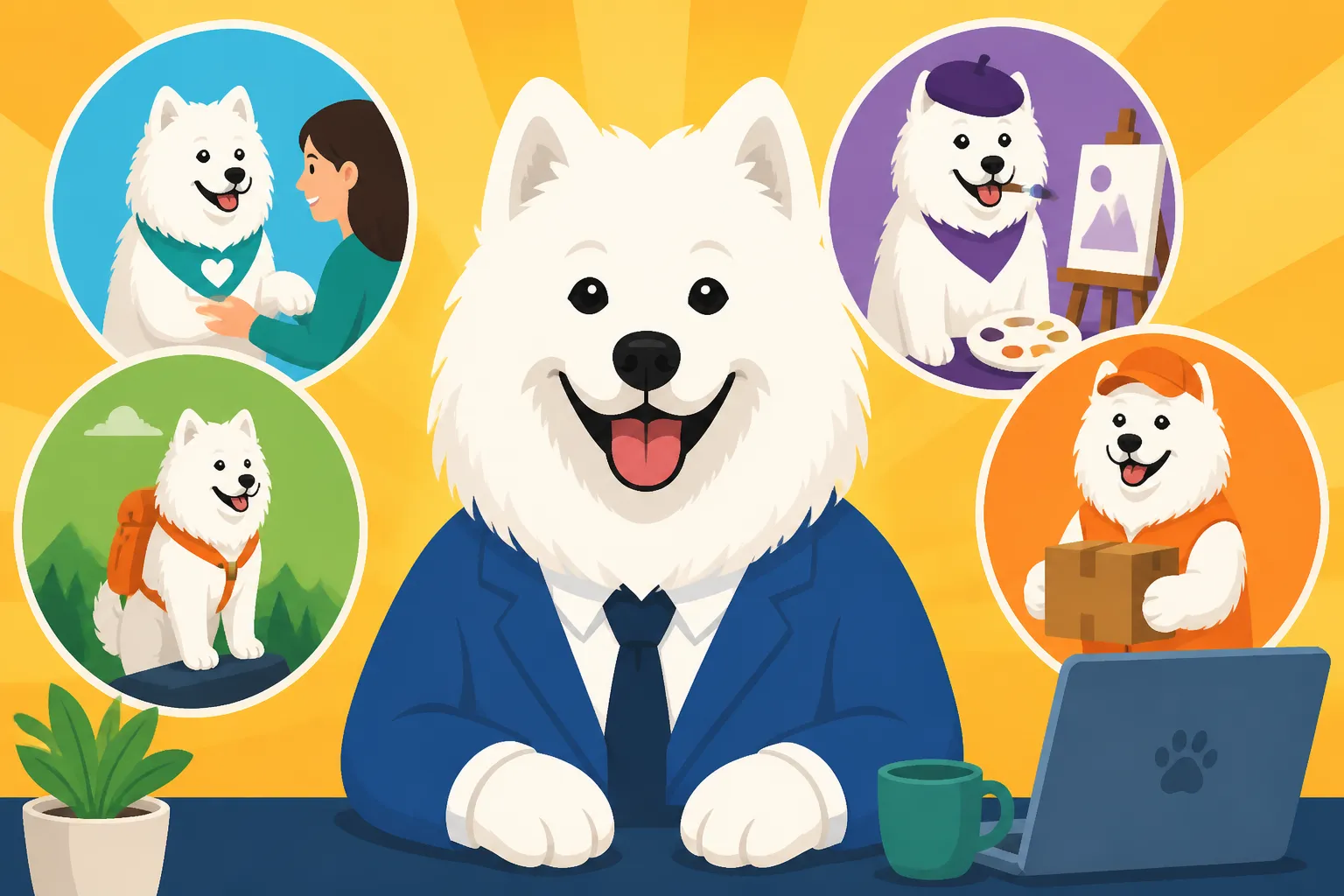
The Job a Samoyed Actually Needs
Many Samoyed owners find themselves utterly bewildered by their fluffy companion's endless energy, mischievous antics, or sometimes even destructive tendencies. You might be pulling your hair out wondering why your sweet, smiling Sammy is chewing up the couch or digging craters in the backyard, even after a long walk. The truth is, these behaviors often stem from a deeply ingrained need that isn't being met: the need for a "job." This guide is all about helping you understand that fundamental drive and how to channel it into positive, fulfilling activities that will make both you and your Samoyed much happier.
Understanding the Samoyed's Innate Drive
Let's face it, your Samoyed isn't just a fluffy cloud of affection designed for cuddles and Instagram photos. They are working dogs, through and through, bred for centuries to perform vital tasks in harsh environments. Ignoring this fundamental aspect of their being is like buying a high-performance sports car and only driving it to the grocery store once a week. You're simply not tapping into its potential, and both you and the car will feel frustrated.
More Than Just a Pretty Face: The Samoyed's Ancestral Role
The history of the Samoyed breed is one of purpose and partnership. Originating from the nomadic Nenets people of Siberia, these dogs weren't pampered pets; they were integral to survival. Their roles were incredibly diverse and demanding. They herded reindeer, guarding them from predators and keeping the flock together across vast, unforgiving landscapes. They pulled sleds, transporting goods and people across snowy tundras. And crucially, they slept with their human families in the chooms (tents) for warmth, forming an incredibly strong bond that emphasized constant interaction and cooperation.
This heritage means that a Samoyed's brain is wired for activity, problem-solving, and collaboration. They thrive when they have a task, when they feel useful, and when they are engaged with their human companions. It’s not just about physical exercise; it’s profoundly about mental and social engagement. Without this outlet, all that genetic programming for work doesn't just disappear; it finds its own, often inconvenient, expression.
Why Boredom Is the Enemy of a Samoyed Owner
A bored Samoyed is a destructive Samoyed. It's a tale as old as time for owners of intelligent, high-drive breeds. If your Samoyed isn't given appropriate mental and physical stimulation, they will absolutely invent their own entertainment. And let me tell you, their ideas for fun rarely align with ours. This might manifest as excessive barking or howling – after all, they used to communicate with their human companions and their herd, and vocalizing is a natural outlet. The Samoyed Scream and Why It Is Not Barking is a phenomenon many owners learn about the hard way.
Boredom can lead to all sorts of unwanted behaviors: digging up your prize-winning petunias, chewing furniture legs, incessant counter-surfing, or even obsessive tail-chasing. These aren't signs of a "bad" dog; they're distress signals from a smart, energetic animal whose needs aren't being met. They crave engagement, and if you don't provide it, they'll create it, often to your detriment and their own frustration. Think of it as a creative canine trying to solve a very real problem: "What do I do with all this untapped potential?"
The Trouble with "Just a Pet" Expectations
One of the biggest pitfalls for new Samoyed owners is approaching them with the mindset that they are "just a pet" who will be happy with a few walks and some belly rubs. While they are incredibly loving companions and do enjoy cuddles, reducing them to just a decorative fluffball does a great disservice to their inherent nature. These dogs are intelligent, independent thinkers, and they were bred to contribute meaningfully to their human tribe.
Expecting a Samoyed to be content with minimal mental stimulation often leads to a mismatch in expectations and ultimately, frustration for everyone involved. They need a purpose beyond just existing in your home. They need to feel like they're part of something important, just as their ancestors were vital to the Nenets' survival. If you don't give them a productive channel for their energy and intellect, they'll find unproductive ones. This isn't stubbornness; it's instinct.
Identifying Your Samoyed's Unique Talents
Every Samoyed is an individual, but they all share common breed traits that make them excel at certain activities. Discovering what lights up your particular Sammy's soul is a journey of observation and experimentation. You might be surprised by what they truly enjoy, and by how much their overall behavior improves once they have a fulfilling outlet.
The Pulling Instinct: Harnessing Natural Strength
If there's one thing almost all Samoyeds are born to do, it's pull. Their ancestors pulled sleds across vast distances, and that drive is still very much alive in them. Many Samoyed owners struggle with their dogs pulling on the leash during walks, viewing it as a problem behavior. But what if we reframed that "problem" as a natural talent? Instead of fighting it, we can channel it.
Activities like skijoring (where your dog pulls you on skis), canicross (where your dog pulls you while you run), bikejoring (your dog pulls your bike), or even just recreational carting or sledding, give your Samoyed a fantastic physical and mental workout. A properly fitted harness and the right equipment can turn a frustrating walk into a purposeful adventure. It allows them to use their powerful bodies and minds in a way that feels natural and deeply satisfying. This isn't just about exercise; it's about fulfilling their genetic blueprint. Pulling: What a Samoyed Was Actually Bred to Do delves deeper into this inherent trait.
The Herding Whisper: Understanding Their Subtle Cues
While often overshadowed by their pulling prowess, Samoyeds also possess a strong herding instinct. Many people are surprised to learn about The Herding Instinct Nobody Expects From a Samoyed, imagining herding only for Border Collies. But remember, their ancestors herded reindeer. This instinct doesn't always look like traditional sheep herding; it might manifest as circling family members, gently nudging you in a certain direction, or trying to keep children or other pets "grouped."
For some Samoyeds, engaging this instinct can be incredibly rewarding. Herding instinct tests are available in many areas, where professionals can evaluate your dog's natural drive and guide you on how to develop it safely and productively. Even if you don't have access to livestock, games that simulate herding, like large herding balls or directing them around cones, can tap into this innate desire to control movement and gather. It's a wonderful way to engage their problem-solving skills and give them a sense of purpose.
Nose Work and Brain Games: Engaging the Samoyed Mind
Beyond physical jobs, Samoyeds thrive on mental stimulation. They are clever dogs, and their minds need just as much exercise as their bodies. Nose work, often called "scent work," is an incredible activity for Samoyeds. Their sense of smell is far more powerful than ours, and allowing them to use it to solve puzzles is immensely satisfying for them. Hiding treats around the house or yard and letting them sniff them out, or enrolling in formal nose work classes, can transform a bored dog into a focused, happy one.
Puzzle toys are also excellent for engaging their minds. There's a wide range available, from simple treat-dispensing balls to more complex multi-step puzzles. Brands like KONG offer a variety of interactive toys. Just be sure to choose durable options for a Samoyed. You can find many options on platforms like Amazon. These toys require them to think, strategize, and problem-solve to get their reward, providing mental enrichment when you might not have time for a full training session. Regular short bursts of mental challenges can be just as tiring, if not more so, than a long walk. What Actually Motivates a Samoyed often comes down to these kinds of engaging activities.
Practical Ways to Give Your Samoyed a "Job"
Now that we understand why your Samoyed needs a job and what kind of talents they possess, let's talk about the practical application. Integrating a "job" into your Samoyed's daily life doesn't have to be complicated or require a full-time commitment to competitive sports. It's about consistency, creativity, and understanding your dog.
Structured Exercise: Beyond the Daily Walk
A simple walk around the block, while pleasant, often isn't enough to satisfy a Samoyed's profound need for purposeful movement. They need more than just a stroll; they need structured, engaging exercise that challenges both their body and mind. This might mean longer, more vigorous hikes on varied terrain, or specialized activities that cater to their working breed heritage.
Consider activities like urban mushing, even if you don't have snow. Many communities have dryland sledding or carting clubs where you can learn to safely engage your Samoyed in pulling a scooter, bike, or cart. This is a fantastic way to satisfy their natural pulling instinct and build incredible endurance. For those who love to run, canicross is a superb option, turning your daily jog into a team sport. Even simple games of fetch or tug-of-war, when played with rules and structure, can be turned into a mini "job" that requires focus and energy. Always be mindful of the weather, especially with their thick coats, and prioritize their safety when exercising. How Much Exercise a Samoyed Needs is more than just a number; it's about quality and purpose.
Training as a Lifestyle: Ongoing Mental Stimulation
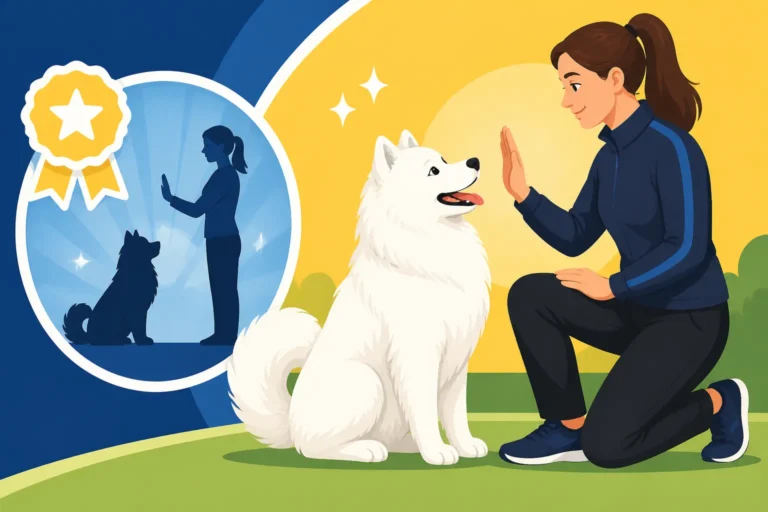
Training isn't just for puppies; it's an ongoing, lifelong conversation with your Samoyed that provides immense mental stimulation. These intelligent dogs thrive on learning, even if Training a Samoyed That Finds Obedience Negotiable can sometimes feel like a negotiation! Regular training sessions, even short 10-15 minute bursts daily, can be incredibly fulfilling for them. Think beyond basic obedience. Consider advanced tricks, rally obedience, or even agility.
Online training platforms can be a huge help here. Programs like BAXTER & Bella offer comprehensive, step-by-step guidance on everything from basic manners to more advanced skills, allowing you to give your Samoyed a sense of accomplishment right from home. These structured learning opportunities are a "job" in themselves, requiring focus, problem-solving, and cooperation. It's about building communication and reinforcing the bond you share. This consistent mental engagement can significantly reduce boredom-induced behaviors.
| Job Category | Examples of Activities | Key Benefits |
|---|---|---|
| Physical Jobs | Sledding, Canicross, Bikejoring, Hiking, Long-distance fetch | Fulfills pulling instinct, builds endurance, reduces excess physical energy |
| Mental Jobs | Nose Work, Puzzle Toys, Advanced Obedience, Trick Training | Engages problem-solving, builds focus, reduces destructive boredom |
| Social Jobs | Therapy Dog Work, Assisted Living Visits, Dog Sports Teams | Fulfills desire for partnership, builds confidence, strengthens human bond |
| Household Jobs | "Help" with chores (e.g., carrying items, fetching slippers) | Provides purpose, reinforces training, integrates dog into family life |
Life Enrichment and Independent Play
Beyond structured activities and formal training, providing a rich, stimulating environment is crucial for a Samoyed. This is where "life enrichment" comes in. It's about creating opportunities for your Samoyed to engage their senses and make choices, even when you're busy. Rotating toys, providing appropriate chew items (durable bones, antlers, or quality chew toys from a trusted supplier like Amazon), and creating safe spaces for them to dig (if The Digging a Samoyed Does Because It Is Hot is a factor, or just for fun) can all contribute to a fulfilling life.
Independent play is also important. While Samoyeds love to be with their people – Why a Samoyed Wants to Be in the Room With You is a classic trait – they also benefit from learning to entertain themselves. Scent-hiding games with a favorite toy or treat, snuffle mats, or even just providing a variety of textured toys can keep their minds engaged. For those moments when you're busy, a long-lasting chew or a food puzzle can be an excellent "solo job" that keeps them occupied and happy, giving them a sense of control and accomplishment.
Giving your Samoyed a job isn't a luxury; it's a necessity for their well-being and your peace of mind. By understanding their history, respecting their instincts, and providing consistent outlets for their incredible minds and bodies, you'll discover the true joy of living with a happy, fulfilled Samoyed.
Disclaimer
This article is for general informational purposes only and does not constitute professional advice. Laws, prices and regulations vary by location and change over time. Consult a qualified professional for guidance on your specific situation.