The First Year With a Samoyed Puppy
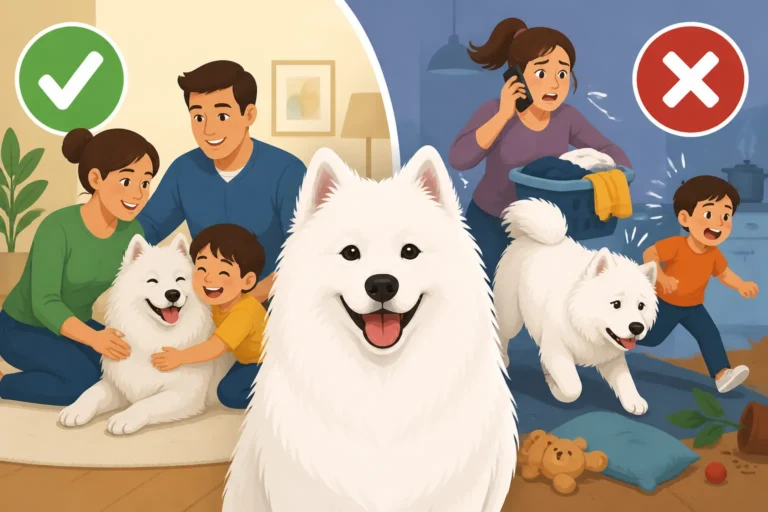
Bringing a Samoyed puppy home is an exhilarating, fluffy whirlwind, but let's be honest, it's also a massive undertaking that can feel completely overwhelming. From the moment those tiny paws cross your threshold, you're not just getting a cute dog; you're embarking on a year-long journey of growth, learning, and plenty of "Sammy smiles" mixed with moments of pure puppy chaos. This comprehensive guide will walk you through that crucial first year, helping you navigate the joys and challenges of raising a well-adjusted, happy Samoyed.
Bringing Your Samoyed Puppy Home: The First Few Weeks
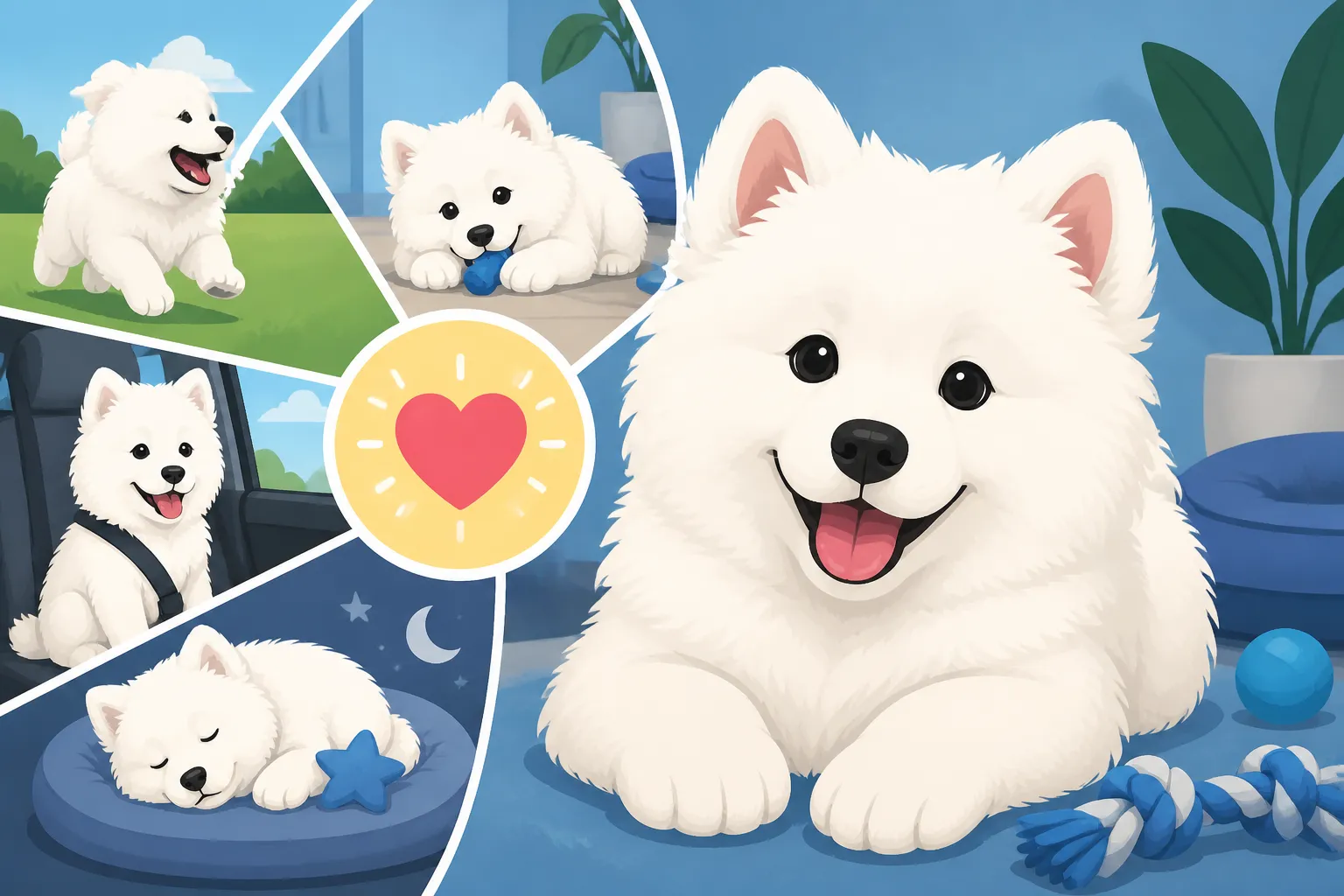
The first few weeks with your Samoyed puppy are a foundational period, akin to laying the groundwork for a sturdy house. Everything you do now, from how you set up their space to how you introduce them to the world, will profoundly impact their development. It's a time of immense change for your little fluffball, moving from their littermates and mother to an entirely new environment, and your patience and consistency are absolutely key.
Setting Up Your Puppy's Safe Space
Imagine being plucked from everything familiar and dropped into a strange new world. That's how your Samoyed puppy feels. Providing a secure, comfortable "den" immediately gives them a sense of safety. This usually involves a crate, a cozy bed, water, and appropriate chew toys. Place this safe space in a common area where they can still feel connected to you, but have their own retreat. Think about the kitchen or living room – somewhere they aren't isolated but can observe household activity.
The crate isn't a punishment; it's their personal bedroom, a sanctuary. Introduce it positively with treats and praise, and never force them in. You can toss a favorite toy or a delicious chew inside, letting them explore it on their own terms. This initial positive association is crucial for future Whether a Samoyed Puppy Should Be Crated success. Many owners find setting up a small pen or puppy-proofed room adjoining the crate to be a fantastic bridge, offering more space while still containing their curious minds. This gives them options and reduces feelings of confinement, especially during those early, uncertain nights.
Remember, Samoyeds are inherently social creatures who thrive on companionship. While their crate provides a secure retreat, it should not be a place of prolonged isolation. Ensure their safe space is always accessible and that they have plenty of opportunities for interaction, play, and training outside of it. The goal is to build confidence and independence within their personal area, not to create separation anxiety.
The Critical Period of Socialization
The window for critical socialization starts closing surprisingly early, typically around 16 weeks, meaning the first few months are paramount for exposing your Samoyed puppy to a vast array of sights, sounds, people, and other friendly, vaccinated dogs. This isn't just about meeting new friends; it's about building resilience and confidence so they aren't fearful or reactive later in life. Think of it as an emotional vaccination against future anxieties.
Begin slowly and positively, making every new experience a good one. This could mean simply sitting on a park bench watching people and dogs from a distance, or letting them sniff a variety of surfaces on a short walk around the block. Remember to keep experiences brief, positive, and never overwhelming. If your puppy seems stressed or scared, back off and try again another day with less intensity. Treats, praise, and a calm demeanor from you will go a long way in shaping their perception of the world. For great guidance on how to approach this, you might consider an online program like BAXTER & Bella, which offers structured ways to introduce new things safely and positively.
It's tempting to keep them isolated until they've had all their vaccinations, but the risks of missing this critical socialization window can often outweigh the minimal risk of disease exposure in a carefully controlled environment. Discuss with your vet Where to Socialize a Samoyed Puppy Before Full Vaccination safely, perhaps through puppy classes with strict health protocols or supervised playdates with known, healthy dogs. Early, positive exposure helps your Samoyed grow into the friendly, confident companion they were meant to be.
Establishing a Routine from Day One
Samoyeds, like most dogs, thrive on predictability. Establishing a consistent daily routine from the moment your puppy arrives home provides a sense of security and significantly aids in house-training, feeding, and general behavior management. Puppies don't arrive knowing your schedule; it's up to you to teach them what to expect and when. This means consistent feeding times, regular potty breaks, designated play sessions, and predictable nap times.
For example, a typical puppy schedule might involve waking up, immediate potty break, breakfast, play, another potty break, nap. Repeat this pattern throughout the day, ensuring the last potty break is right before bed. Consistency is truly the magic word. If you're haphazard with potty breaks, your puppy won't learn when and where they're expected to relieve themselves, leading to frustrating accidents. A good routine helps you anticipate their needs, teaching them to hold it for longer periods and reinforcing good habits.
This structured approach also helps manage their energy and prevent over-stimulation, which can often lead to "witching hour" zoomies or destructive behavior. Knowing that a nap follows play, or that a quiet chew toy is available during your work calls, helps them settle into the rhythm of your home. It’s also incredibly helpful for house training, as it lets you know when your pup is likely to need to go out next.
Navigating the Puppy Chewing and Biting Phase
Ah, puppy teeth! Those needle-sharp little nubs can feel like tiny piranhas, and the urge to chew seems almost unstoppable. This phase, while sometimes painful for owners, is a completely normal and necessary part of your Samoyed's development. Understanding why they bite and chew is the first step in effectively managing it, preventing frustration for both you and your furry friend.
Understanding Puppy Nipping and Play Biting
When your Samoyed puppy is little, nipping and play biting are their primary ways of exploring the world and interacting with their littermates. They learn bite inhibition from their siblings and mother; a yelp from a littermate teaches them to soften their bite. When they come to your home, you become their new "littermate," and it's your job to continue this education. If you're finding those nips more painful than playful, it's time to teach them appropriate mouth manners.
The goal isn't to stop them from ever putting their mouth on you (that's unrealistic and can even be detrimental), but to teach them to do so gently. When your puppy bites too hard, let out a sharp, high-pitched "ouch!" or "yip!" and immediately withdraw your attention. Stop playing, turn away, or even leave the room for 30-60 seconds. This teaches them that hard bites make the fun stop. Consistency is key here; every family member needs to react the same way every time. The Age a Samoyed Puppy Stops Mouthing varies, but consistent training can significantly shorten this phase.
Some puppies are more persistent than others. If simply disengaging isn't enough, you might need to try a "reverse time-out." Instead of you leaving, gently guide your puppy into their designated safe space (like their crate or a puppy pen) for a brief time-out until they calm down. This still communicates that biting too hard ends playtime, but does so in a way that allows you to manage the situation without excessive frustration. Always reward calm behavior and gentle mouthing with praise and continued play.
Redirecting Inappropriate Chewing
Beyond nipping, puppies have an undeniable urge to chew everything. This is partly due to teething (their baby teeth falling out and adult teeth coming in), but also a natural way for them to explore their environment, relieve stress, and expend energy. Without proper direction, your furniture, shoes, and even walls can become prime targets. The trick is not to stop chewing, but to redirect it to appropriate outlets.
Provide a wide variety of safe and durable chew toys. Think different textures and shapes: rubber toys, nylon chews, natural chews, puzzle toys. Rotate them regularly to keep things interesting. When you catch your Samoyed chewing something inappropriate, calmly interrupt them (a gentle "ah-ah" or clap works) and immediately offer them an acceptable chew toy. When they take the toy, praise them enthusiastically! This positive reinforcement teaches them what they should chew on. You can find excellent selections of durable chew toys on sites like Amazon.
It's vital to puppy-proof your home. Just like baby-proofing for a toddler, remove tempting items from their reach. Cords, small rugs, remote controls, and shoes are all fair game to a curious puppy. If you can't supervise your Samoyed directly, confine them to their puppy-proofed area with plenty of approved chew toys. Prevention is far easier than trying to correct a deeply ingrained habit. Remember, a bored Samoyed is often a destructive Samoyed, so ensure they have enough mental and physical stimulation.
Dealing with Destructive Chewing
Sometimes, regular redirection isn't quite enough, and your Samoyed puppy moves beyond simple exploration to genuinely destructive chewing. This might look like gnawing on baseboards, ripping up carpet, or destroying their bedding. This level of chewing often stems from underlying issues like boredom, anxiety (especially separation anxiety), or a lack of adequate exercise and mental stimulation. It's a cry for help, not just naughtiness.
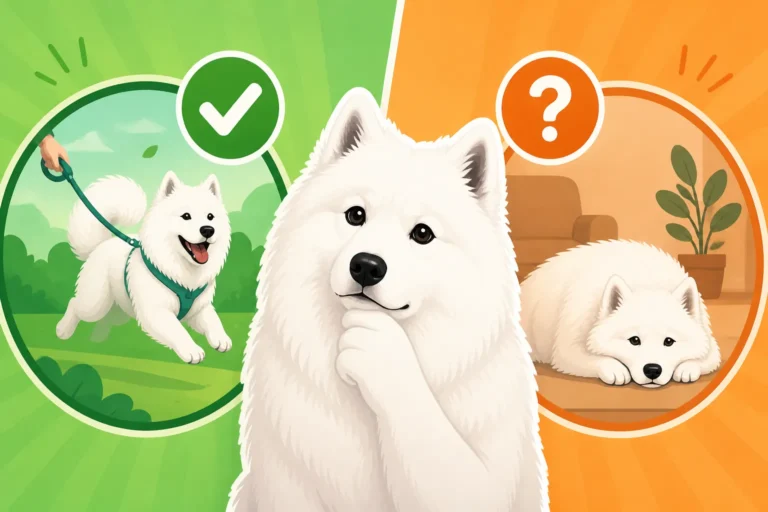
First, rule out basic needs: Is your puppy getting enough physical exercise for their breed? Samoyeds are energetic dogs and need more than a quick stroll around the block. Are they mentally stimulated with puzzle toys, training sessions, or interactive games? A tired puppy is a good puppy, and a mentally engaged puppy is less likely to resort to destructive behaviors out of sheer boredom. A long walk, a game of fetch, or even a structured training session can often make a huge difference.
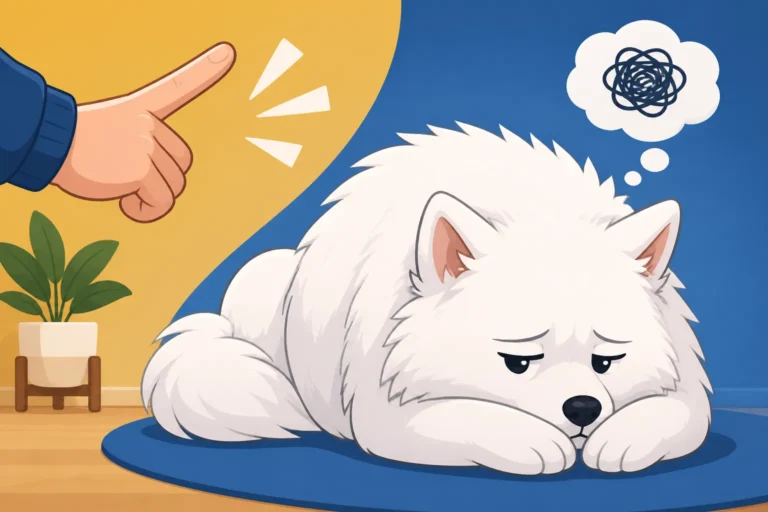
If you suspect separation anxiety is at play, where the destructive chewing occurs primarily when you're away, you'll need a different approach. This can be a complex issue and might require consulting with a professional dog trainer or veterinary behaviorist. In the meantime, ensure their safe space is truly calming, consider a camera to monitor their behavior, and gradually increase the time they're left alone. Separation Anxiety in a Samoyed is a real concern and requires understanding and patience. Never punish destructive chewing after the fact, as your puppy won't connect the punishment to the act, only to your return, which can worsen anxiety.
Potty Training and Crate Training Success
These two critical components of puppy raising go hand-in-hand, creating a structured environment that teaches your Samoyed puppy appropriate house manners and gives them a secure space of their own. While it can feel like a full-time job in those early weeks, consistency and patience will pay off immensely.
Mastering the Art of Potty Training
Potty training a Samoyed puppy can sometimes feel like a marathon, not a sprint, but it’s entirely achievable with the right approach. The core principle is simple: take your puppy out frequently, reward them lavishly for going in the right spot, and prevent accidents indoors. Frequency is key, especially in the beginning. Puppies have tiny bladders! Think every 30 minutes to an hour when they're awake, immediately after waking up, after eating, after playing, and before bed.
Always take them to the same designated potty spot outside. This helps them associate that area with relieving themselves. When they do their business, praise them enthusiastically and give them a high-value treat immediately afterward. Don't wait until you're back inside; the reward needs to be given while they are still in the act or right as they finish, to create that strong association. Avoid scolding for accidents indoors; simply clean them up thoroughly with an enzymatic cleaner to eliminate odors that might entice them to go there again. For more detailed guidance, read How Long a Samoyed Puppy Takes to House Train.
One of the biggest mistakes owners make is not taking their puppy out enough or not supervising them closely indoors. If your puppy is not in their crate, they should be tethered to you or in a contained, puppy-proofed area. This prevents them from sneaking off to have an accident. Learning your puppy's pre-potty signals – sniffing around, circling, sudden pauses in play – will become your superpower. Catching them before an accident allows you to scoop them up and rush them outside for a successful potty break.
Making the Crate a Safe Haven
A well-introduced crate becomes a valuable tool for potty training, managing destructive behaviors, and providing your Samoyed puppy with a secure den. The idea is to make the crate a positive place they want to be, not a prison. Start by feeding meals in the crate, offering special high-value chew toys only when they're in the crate, and making short, positive stays a regular occurrence. Never use the crate for punishment.
Gradually increase the time your puppy spends in the crate. Begin with a few minutes while you're in the room, then step out for a few seconds, then a minute, and so on. Always return before they start to whine or fuss. The goal is to build their confidence that you will always come back. Many owners cover the crate with a blanket to create a more den-like, private atmosphere, which can be particularly comforting for a puppy. A durable crate purchased from a retailer like Amazon will serve you well through their growth.
For nighttime, the crate is invaluable. Place it near your bed initially so your puppy can hear and smell you, reducing anxiety. They might cry for a few nights, which is tough but normal. If they cry, first rule out a potty need by taking them directly outside (no play, no fuss, just business), then put them back in. If they're just fussing, often ignoring it (as long as you're sure they don't need to potty) is the best way to teach them to self-soothe.
Troubleshooting Common Crate and Potty Issues
Despite best efforts, you might encounter some bumps in the road with potty training or crate acclimation. It's perfectly normal, and recognizing the root cause is half the battle. If your Samoyed puppy is having accidents frequently despite a consistent schedule, consider if you're taking them out often enough or if the rewards for outdoor success are high value enough. Are you giving them too much freedom too soon? Confine them more strictly until success rates improve.
For crate aversion, sometimes puppies will cry incessantly or resist going in. Re-evaluate your positive associations: Are you still feeding meals in there? Are you giving them irresistible chews only when in the crate? Never force a puppy into a crate; instead, entice them with treats and toys. If crying persists, ensure the crate is not too large (it should be just big enough for them to stand up, turn around, and lie down comfortably – too much space can lead to accidents) and that they've had sufficient exercise before going in.
Sometimes, a puppy might seem perfectly crate trained during the day but cry all night. This often relates to needing to go potty. A young puppy simply can't hold it for eight hours. Set an alarm to take them out for a quick potty break in the middle of the night for the first few weeks, gradually extending the time between breaks as their bladder control improves. Remember, consistency, patience, and positive reinforcement are your greatest allies through these challenges.
Early Training Foundations: What to Teach First
Beyond house manners, the first year is crucial for laying down essential obedience foundations. Samoyeds are intelligent but can be independent thinkers, so starting early and building a strong, positive relationship based on trust and clear communication is paramount. These early lessons aren't just about tricks; they're about safety, management, and fostering a well-behaved companion.
Building a Strong Recall from the Start
A reliable recall – your Samoyed coming back to you every single time you call, regardless of distractions – is perhaps the most important command you will ever teach. It's literally a lifesaver, keeping your fluffy friend safe from traffic, other dogs, and getting lost. Why a Samoyed's Recall Cannot Be Trusted inherently, especially once adolescence hits, underscores the absolute necessity of rigorous, positive recall training from day one.
Start training recall in a quiet, low-distraction environment, like your living room or fenced yard. Use a happy, enthusiastic tone and a high-value treat or favorite toy. Say your puppy's name followed by your chosen recall word ("Come!" or "Here!"), then immediately back away and get excited as they come towards you. When they reach you, praise them lavishly and give them that amazing treat or start a quick game of tug. Make coming to you the most wonderful thing in the world.
As they get better, gradually introduce distractions. Practice in different locations, with other people present, or with mild background noises. Always practice on a long line (a lightweight leash that's 15-30 feet long) in unfenced areas. This allows you to reinforce the command and prevent them from ignoring you. Remember, a Samoyed's strong prey drive and independent nature mean you'll be Proofing a Samoyed's Recall for years, not just weeks. Never punish your Samoyed for eventually coming back to you, even if it took a while, as this will only teach them not to come at all.
Leash Training and Polite Walking
Walking on a leash might seem straightforward, but for a Samoyed, whose ancestors pulled sleds, it's an instinct they have to unlearn. Why a Samoyed Pulls on a Walk is deeply ingrained, making early leash training critical. The goal is a loose-leash walk, where your puppy walks calmly by your side without tugging, allowing you both to enjoy your outings.
Start with short, positive sessions in a quiet area. Use a comfortable harness or flat collar and a lightweight leash. Encourage your puppy to walk beside you, rewarding them with treats and praise every few steps they take without pulling. If they pull ahead, simply stop dead in your tracks. Don't move forward until the leash loosens. The moment it slackens, even for a second, praise and start walking again. This teaches them that pulling gets them nowhere, while a loose leash means forward momentum.
Consistency is, again, key. Every walk, every time you put on the leash, is a training opportunity. Avoid letting them practice pulling, as every time they succeed, they reinforce the behavior. As they grow, their strength will increase exponentially, making it much harder to teach polite leash manners if you don't start early. Consider a front-clip harness for additional leverage if needed, as it redirects their pulling power.
Basic Obedience Cues and Their Importance
Beyond recall and loose-leash walking, teaching a few foundational obedience cues like sit, stay, down, and leave it provides a solid framework for communication and control. These aren't just party tricks; they're essential tools for managing your Samoyed in various real-life situations and strengthening your bond.
Start with "sit." Hold a treat near their nose and slowly move it back over their head. As their bottom touches the ground, say "Sit!" and immediately reward them. Practice in short, fun sessions, keeping it positive and upbeat. Once they understand the verbal cue, you can add a hand signal. For "stay," have them sit, say "Stay," take one step back, then immediately step forward and reward. Gradually increase distance and duration. Many online puppy training courses, such as those from BAXTER & Bella, provide excellent step-by-step guidance for these commands.
The "leave it" command is incredibly valuable for preventing your Samoyed from picking up dangerous items on walks or snatching food off counters. Start by placing a low-value treat on the floor, covering it with your hand. When your puppy tries to get it, say "Leave it!" and wait until they look away from your hand. Immediately reward them with a higher-value treat from your other hand. Gradually increase the temptation and reduce the level of containment. Remember, Samoyeds are smart and can quickly learn these commands, but they might decide Why a Samoyed Ignores a Cue It Knows if they perceive a better option available. Keep training fun, rewarding, and consistent!
Managing Samoyed Vocalizations and Energy Levels
Living with a Samoyed means embracing their unique vocalizations and understanding their inherent need for activity. These traits are deeply rooted in their breed history and, if not properly managed, can lead to frustrations for owners and boredom for the dog. The first year is your chance to shape these natural tendencies positively.
Understanding the Samoyed Scream and Vocal Tendencies
One of the most defining characteristics of a Samoyed is their incredible range of vocalizations. They don't just bark; they howl, talk, grumble, sing, and yes, sometimes they scream. This isn't usually a sign of aggression or distress (though it can be), but often an expression of excitement, joy, or a desire for attention. The Samoyed Scream and Why It Is Not Barking is a phenomenon many owners encounter, and it's something to understand rather than suppress entirely.
While you might not be able to eliminate all Samoyed vocalizations (they're just too chatty!), you can manage when and how loudly they vocalize. For attention-seeking vocalizations, the best strategy is often to ignore it completely. Turn your back, leave the room, or stop interacting. The moment they quiet down, even for a second, reward them with praise or attention. This teaches them that quiet gets attention, screaming doesn't. This requires extreme patience, as it often gets worse before it gets better.
For excitement-based vocalizations, like when guests arrive or during playtime, teach a "quiet" cue. When they're being noisy, say "Quiet," wait for a brief lull, then reward them. You can also channel their excitement into a designated toy or activity. If your Samoyed is vocalizing due to boredom or lack of exercise, address those root causes first. A tired Samoyed is generally a quieter Samoyed.
Channeling That Abundant Samoyed Energy
Samoyeds are working dogs, bred for endurance and activity in harsh Arctic conditions. This means your puppy will have a significant amount of energy to burn. Without appropriate outlets, this energy can manifest in destructive behaviors, excessive vocalizing, or general "naughtiness." How Much Exercise a Samoyed Needs is often underestimated by new owners, but it's vital for their physical and mental well-being.
During the first year, be mindful of their growing joints. While they need exercise, avoid high-impact activities like intense jogging or jumping until their growth plates have closed (typically around 12-18 months). Focus on consistent, moderate exercise like daily walks, supervised playtime in a fenced yard, and puppy playdates. Think more about duration and consistency than intensity. Games of fetch, tug, and even hide-and-seek indoors can also be great ways to burn off steam.
As they mature, you can gradually introduce more strenuous activities. Samoyeds often excel in dog sports like agility, obedience, canicross, bikejoring, or even actual sledding. They love having a job to do. If you're an active person, your Samoyed will be a fantastic companion for hiking, snowshoeing, or long walks. If you're not, consider activities that engage their minds, like scent work or advanced trick training, to balance their energy needs.
Preventing Boredom and Destructive Habits
A bored Samoyed is a recipe for disaster. These intelligent dogs need mental stimulation just as much as physical exercise. Without it, they'll invent their own entertainment, which often involves chewing your furniture, digging up your yard, or barking at shadows. Preventing boredom is a proactive measure that saves your sanity and your belongings.
Incorporate mental enrichment into their daily routine. This includes interactive puzzle toys that dispense treats, sniffari walks (letting them explore and sniff on their terms), short and engaging training sessions, and rotating their toys to keep them novel and exciting. Chews and toys that require them to work for a reward can keep them occupied for extended periods. Consider filling a Kong with peanut butter or plain yogurt and freezing it for a long-lasting distraction.
For Samoyeds, digging is also an instinct, particularly in warmer weather as they try to create a cool spot. The Digging a Samoyed Does Because It Is Hot is a prime example of a natural behavior that can become destructive if not managed. Providing a designated digging pit in your yard can sometimes redirect this behavior. Ultimately, a combination of adequate exercise, consistent training, and plenty of mental enrichment will help keep your Samoyed puppy happy, well-behaved, and out of trouble during their critical first year.
Social Development: Dogs, Kids, and the World Beyond
The first year is a whirlwind of new experiences for your Samoyed puppy, and how you guide them through these interactions will shape their overall temperament and confidence. Samoyeds are generally known for their friendly, outgoing nature, but proper socialization ensures these traits flourish rather than being overshadowed by fear or reactivity.
Introducing Your Samoyed to Other Dogs
A well-socialized Samoyed is typically a joy to be around, greeting other dogs politely and engaging in appropriate play. Early, positive exposure to a variety of vaccinated, friendly dogs is crucial. Puppy classes are an excellent, structured way to do this, providing supervised play and exposure to different breeds and sizes. It allows them to learn appropriate doggie etiquette.
When introducing your Samoyed puppy to a new dog, always ensure it's a controlled, positive experience. Start on neutral territory, if possible, with both dogs on leash. Keep the initial meeting brief and positive, looking for relaxed body language. A good sign of healthy play is when dogs take turns chasing, wrestling, and disengaging. Avoid dog parks until your puppy is older, fully vaccinated, and has solid social skills, as uncontrolled environments can sometimes create negative experiences.
Remember that while Samoyeds are generally friendly, they are still dogs, and every dog has a unique personality. Pay close attention to your puppy's comfort level and never force an interaction. If they seem overwhelmed or scared, remove them from the situation. Gradually build up their confidence by pairing them with calm, gentle dogs first. A positive introduction to other canine companions helps foster that inherent Samoyed friendliness.
Samoyeds and Children: Building Safe Interactions
Samoyeds are often lauded as "family dogs" and can be wonderful companions for children. However, it's critical to establish clear boundaries and teach both your Samoyed puppy and your children how to interact safely and respectfully. A puppy's sharp teeth and clumsy exuberance can accidentally hurt a child, and an overzealous child can frighten or injure a puppy. A Samoyed With Children and Other Animals requires thoughtful management from day one.
The foundation is supervision. Never leave young children unsupervised with a puppy, no matter how gentle either seems. Teach children to be gentle, to respect the puppy's space (especially when eating or sleeping in its crate), and how to properly pet and play with the dog. Explain that puppies need quiet time and that pulling ears or tails is not acceptable. For the puppy, teach bite inhibition and manners around children, like not jumping up. Reward calm interactions between them.
It's also important to teach your Samoyed puppy that children are a source of good things. Allow children to give treats (under supervision), play gentle fetch, or participate in training sessions. This positive association builds a strong, trust-filled relationship. As your Samoyed grows, their boisterous nature can still accidentally knock over a small child, so continued training on polite greetings and impulse control is essential. Many families find that having strict rules about where and how the dog and children interact creates a harmonious home.
Exposing Your Puppy to New Experiences
Beyond just other dogs and people, broad environmental socialization is vital for a confident Samoyed. This means exposing them to a variety of sights, sounds, textures, and environments during their crucial developmental window. Think about all the things they might encounter in daily life: vacuum cleaners, doorbells, cars, bicycles, different floor surfaces, stairs, loud noises, people wearing hats or carrying umbrellas.
The key is positive exposure. Introduce new things slowly, one at a time, and always pair them with something good – treats, praise, or a favorite toy. For example, if your puppy is nervous about the vacuum cleaner, turn it on in a distant room while giving them treats. Gradually move it closer over days or weeks. If they're scared of a strange noise, pair the noise with a game of tug. The goal is to create positive associations rather than fear.
Taking your Samoyed puppy on short, positive outings to various places – a pet-friendly store, a quiet park, a friend's house – helps them generalize their good manners to new environments. The more diverse their positive experiences are in their first year, the more resilient, confident, and adaptable they will be as adults. This continuous positive exposure builds a well-adjusted dog capable of handling the unexpected, rather than shrinking from it.
Grooming Essentials for Your Growing Samoyed
The Samoyed's glorious double coat is their crowning glory, but it's also a commitment. Regular grooming isn't just about aesthetics; it's crucial for their health and comfort. Getting your Samoyed puppy accustomed to grooming routines from an early age will make a world of difference for both of you throughout their life.
Early Brushing and Handling for a Lifetime of Grooming
A Samoyed's double coat is designed for extreme cold, consisting of a soft, dense undercoat and longer, harsher guard hairs. This combination requires regular, thorough brushing to prevent matting, especially during seasonal "coat blows." Starting early teaches your puppy to tolerate and even enjoy being brushed and handled. How Often a Samoyed Needs Brushing is often more frequent than new owners expect.
Begin with short, positive sessions. Use a soft slicker brush and a wide-toothed comb. Let your puppy sniff the tools, then offer a treat. Gently brush a small section of their body for a few seconds, then immediately praise and treat. Slowly increase the duration and the areas you brush. Pay special attention to areas prone to matting, like behind the ears, armpits, and under the tail. Pair every grooming session with high-value treats and praise.
Beyond brushing, get your puppy used to having their paws handled, their ears checked, and their mouth examined. This makes future vet visits and essential care much easier. Practice gently squeezing their toes, lifting their lips, and looking into their ears. Again, keep it positive with rewards. If you introduce these things early and gently, grooming becomes a bonding experience rather than a battle. A good undercoat rake and slicker brush are indispensable tools, readily available on Amazon.
Bathing Your Samoyed Puppy
While Samoyeds are known for their self-cleaning coats that shed dirt easily, occasional baths are necessary, especially for a playful puppy who seems to find every mud puddle. However, bathing a Samoyed isn't like bathing a short-haired dog; their dense double coat requires a thorough process, particularly in drying.
Introduce bathing slowly and positively. Start by getting them used to the bathtub or wash area without water. Use lukewarm water and a dog-specific shampoo. Lather thoroughly, making sure to get down to the skin, but be very careful not to get water in their ears. The most critical step with a Samoyed bath is the drying. Drying a Samoyed to the Skin is non-negotiable. If their undercoat remains damp, it can lead to skin irritation, hot spots, or even fungal infections.
Invest in a high-velocity force dryer. This tool not only significantly speeds up drying time but also helps to "blow out" loose undercoat, reducing shedding in your home. Blow dry your puppy until they are completely, absolutely dry down to the skin. This can take a surprisingly long time, sometimes an hour or more for a full-grown Samoyed, so practice with your puppy in short bursts. Again, pair the experience with treats and praise, making it as stress-free as possible.
Nail Trims and Ear Care
Two often-overlooked but crucial grooming tasks are nail trims and ear care. Neglecting these can lead to discomfort, pain, and potentially serious health issues for your Samoyed. Starting these routines early in their first year will make them much more tolerable for your growing puppy.
Regular nail trims are essential. Overly long nails can be painful, affect their gait, and even lead to splayed feet or arthritis over time. Introduce nail clippers or a dremel slowly. Show them the tool, let them sniff it, then give a treat. Gently touch their paw with the tool, then treat. Gradually work up to trimming just the tip of one nail, then immediately reward. If you hit the quick (the pink part of the nail that contains nerves and blood vessels), it will bleed and hurt, potentially making your puppy fearful of future trims. If you're unsure, ask your vet or a professional groomer to show you how.
Samoyeds have erect, thickly furred ears that generally stay clean on their own. However, it's still good practice to check them regularly for any signs of redness, odor, or excessive wax, which could indicate an ear infection. Get your puppy used to having their ears gently examined. If you need to clean them, use a vet-approved ear cleaner and cotton balls, never cotton swabs, which can push debris deeper into the ear canal. If you notice any discharge or a strong odor, consult your veterinarian.
| Grooming Task | Frequency (Puppy's First Year) | Importance | Tips for Success |
|---|---|---|---|
| Brushing | 2-3 times per week, daily during coat blows | Prevents mats, removes loose fur, promotes healthy skin and coat. Essential for managing shedding. | Use slicker brush & metal comb. Start short & positive with treats. Focus on prone areas like armpits & behind ears. |
| Bathing | As needed (every 4-8 weeks, or after muddy adventures) | Cleans coat, keeps skin healthy. Over-bathing can strip natural oils. | Use dog-specific shampoo. Thoroughly dry to the skin with a high-velocity dryer to prevent skin issues. |
| Nail Trims | Every 2-4 weeks | Prevents overgrown nails, pain, and gait issues. | Introduce clippers/dremel slowly, positively. Trim small amounts frequently. Have styptic powder on hand. |
| Ear Checks | Weekly | Monitors for infections, mites, or excess wax. | Gently lift ear flap, check for redness, odor, or discharge. Clean only if necessary with vet-approved cleaner. |
| Teeth Brushing | Daily (ideal) or several times a week | Prevents dental disease, bad breath, and pain later in life. | Use dog-specific toothpaste & brush. Start by just letting them lick toothpaste, then gradually introduce brushing. |
Preparing for Adolescence: The "Teenage" Samoyed
Just when you think you've got this puppy thing down, your Samoyed hits adolescence. This can be one of the most challenging phases, as your sweet, compliant puppy transforms into a testing, independent, and sometimes stubborn teenager. Understanding what to expect can help you navigate this period with grace and humor.
Understanding the Adolescent Phase
Adolescence in Samoyeds typically begins around 6-8 months of age and can last until they're 18-24 months old. During this time, your puppy's hormones are surging, their body is growing rapidly, and their brain is undergoing significant changes. They're pushing boundaries, testing limits, and generally trying to figure out where they stand in the world. It often feels like they've forgotten every single thing you've taught them. The Age a Samoyed Starts Testing Boundaries is precisely this period, and it can be incredibly frustrating.
Be prepared for a regression in training. Potty accidents might reappear, recall might become "selective," and they might suddenly be more interested in sniffing a lamppost than listening to you. This isn't defiance; it's a normal developmental stage. They're trying out their newfound independence. Your job is to be patient, consistent, and to re-engage with their training, reinforcing what they already know.
This is also the time when fear periods might emerge, where your previously confident puppy might suddenly become wary of new objects, people, or situations. Continue with positive, gentle exposure, and avoid forcing them into situations that scare them. Provide comfort and reassurance, but don't coddle, as this can reinforce the fear. Keep social interactions positive and low-pressure.
Continuing Training and Reinforcing Boundaries
The adolescent phase is not the time to slack off on training; in fact, it's when you need to double down on consistency. Continue with daily training sessions, but keep them short, fun, and highly rewarding. Revisit all the basic cues they learned as puppies, practicing them in increasingly distracting environments. Whether Puppy Class Is Enough for a Samoyed is a resounding no when you consider the adolescent phase. Continued training, whether at home or in advanced classes, is essential.
Focus on impulse control exercises. Teaching "wait" at the door, "stay" when you drop a treat, or "leave it" when there's a tempting squirrel can be incredibly beneficial for a high-energy, impulsive Samoyed. These exercises help them learn self-control, which is crucial for a well-behaved adult dog. Remember, every interaction is a training opportunity – from waiting patiently for their food bowl to walking nicely on a leash.
Reinforce your household rules and boundaries with unwavering consistency. If jumping on guests was occasionally tolerated as a puppy, it needs to be consistently discouraged now. If certain furniture was off-limits, it remains off-limits. Adolescents are masters at finding loopholes, and if they find one, they'll exploit it. Everyone in the household needs to be on the same page regarding rules and consequences.
Tackling Stubbornness and Independence
Samoyeds are intelligent, but they are also known for their independent and sometimes stubborn nature. This trait often becomes more pronounced during adolescence as they assert their individuality. They might look at you with that classic Samoyed smile, and then proceed to do exactly what they want to do, not what you've asked. It can be endearing, but also incredibly challenging.
To combat stubbornness, make training a game. Samoyeds love to work for things they value. Figure out what truly motivates your Samoyed – is it a specific treat, a favorite squeaky toy, or a game of chase? Use these high-value rewards to your advantage. Avoid repetitive drilling; instead, incorporate training into fun activities like walks, playtime, or puzzle toys. Vary your rewards to keep them guessing and engaged.
Instead of trying to force compliance, seek cooperation. Offer choices when appropriate, such as "Do you want to play tug or fetch?" or "Do you want to sit here or lie down in your bed?" This gives them a sense of agency without sacrificing your authority. Remember that patience is your most valuable tool during this phase. Your consistent, positive guidance through their "teenage" antics will shape them into the magnificent, well-adjusted adult Samoyed you've always dreamed of.
Disclaimer
This article is for general informational purposes only and does not constitute professional advice. Laws, prices and regulations vary by location and change over time. Consult a qualified professional for guidance on your specific situation.