How Much Samoyed Fur Makes a Sweater
Samoyed undercoat collection requirements and seasonal shedding details reveal the exact amount of fur needed for knitting a sweater.
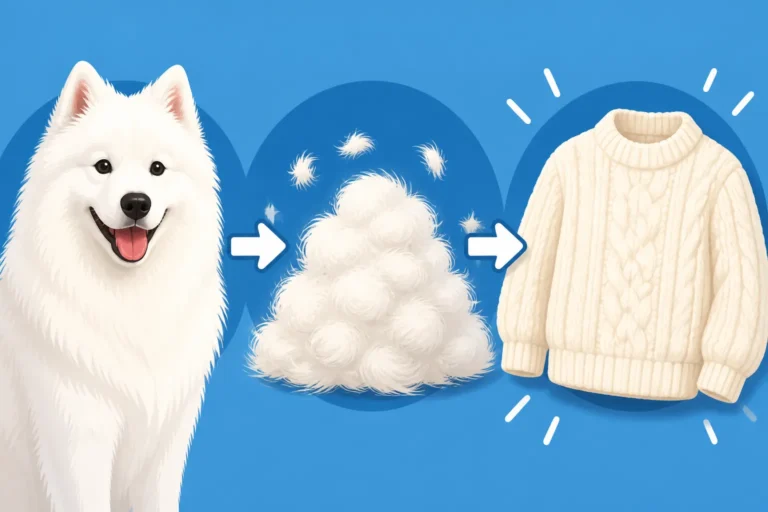
Samoyed undercoat collection requirements and seasonal shedding details reveal the exact amount of fur needed for knitting a sweater.
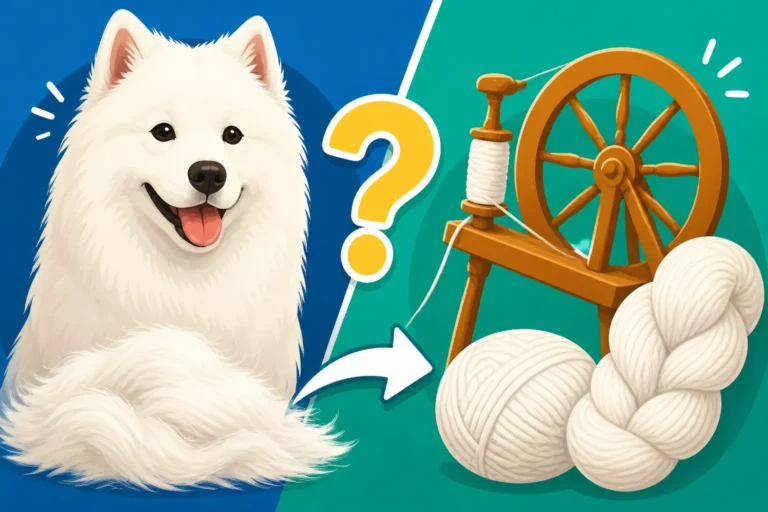
Samoyed fur can be spun into warm yarn during the biannual coat blow, creating soft keepsakes from dense undercoat fibers.
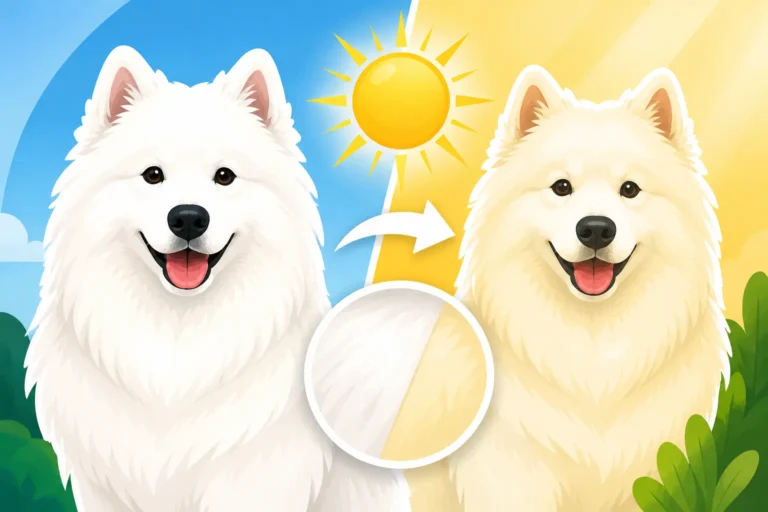
Samoyed coat yellowing and sun exposure explained, including guard hair protection and natural breed pigmentation variations.
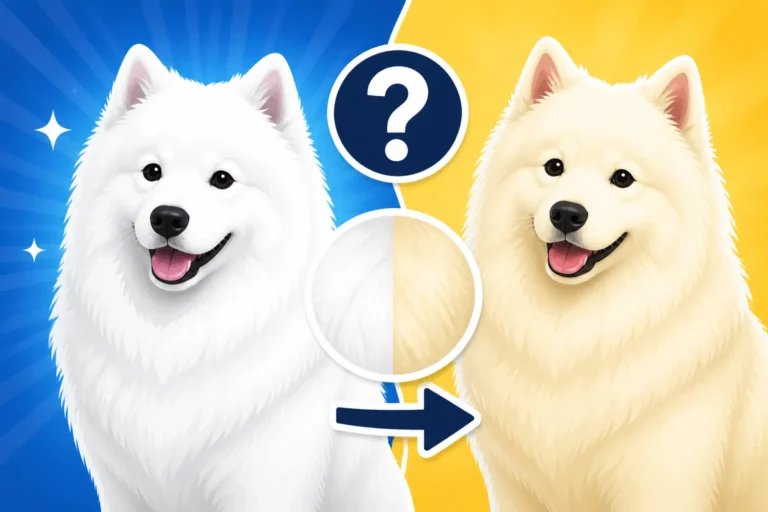
Samoyed coat yellowing with age is explained, detailing natural pigment variations, environmental factors, and care steps.
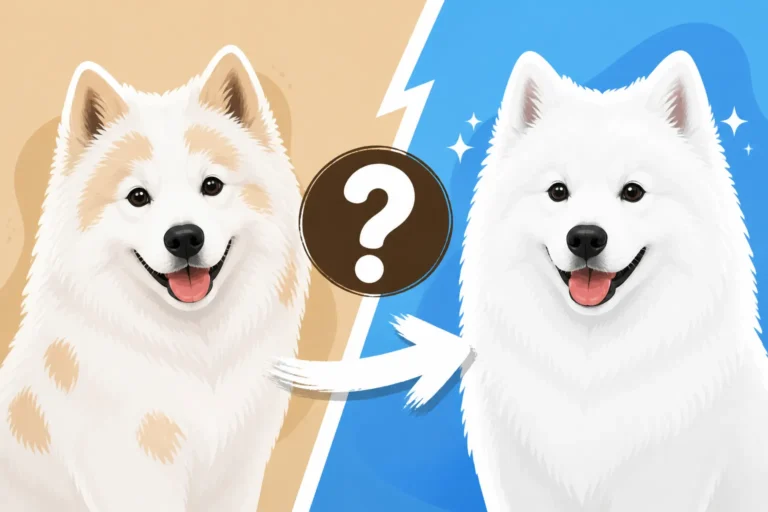
Biscuit Samoyed coat colors, official breed standards, and cream markings on ears or tails explain if these dogs remain white.
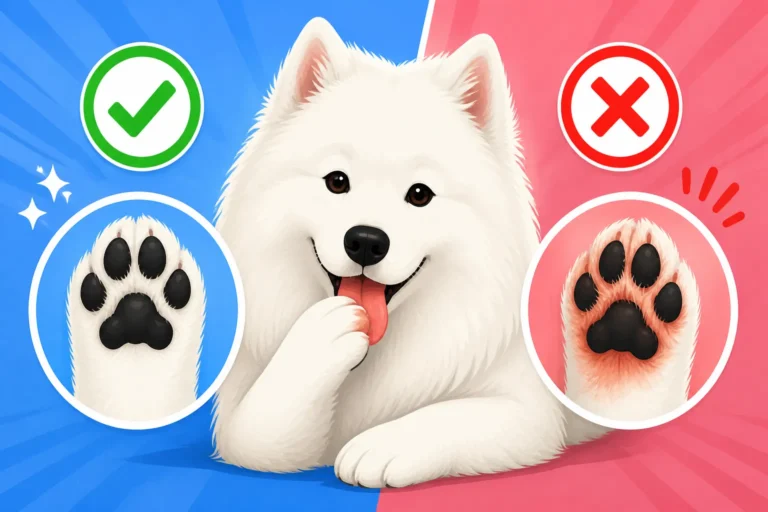
Samoyed paw licking and reddish-brown fur stains result from allergies, joint pain, infections, anxiety, or boredom.
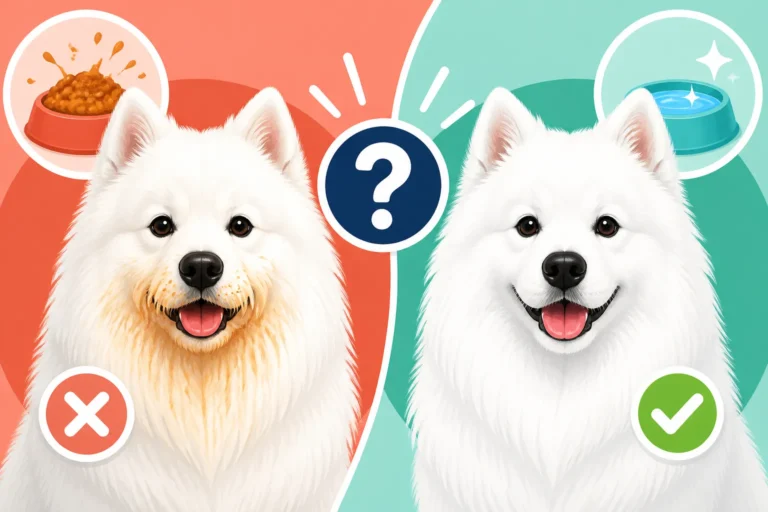
Samoyed beard staining happens because dense facial fur absorbs food moisture, pigments, and kibble dust during meals.
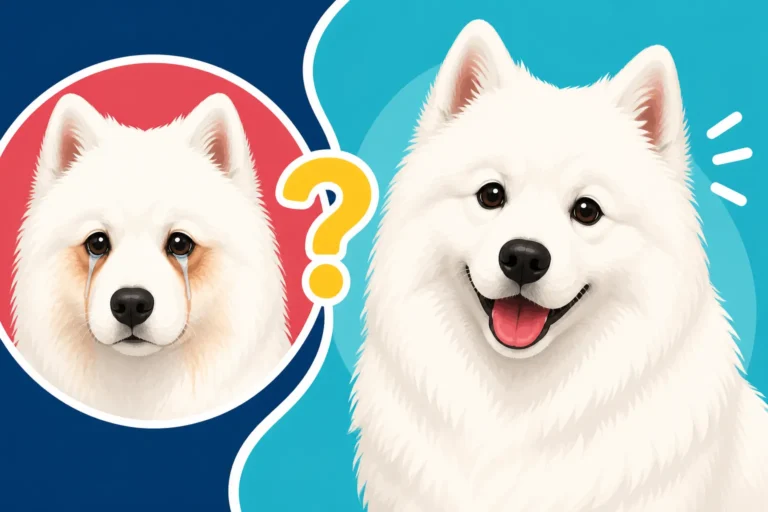
Samoyed tear stains caused by porphyrins and bacteria, explaining why reddish brown marks appear and how to minimize them.
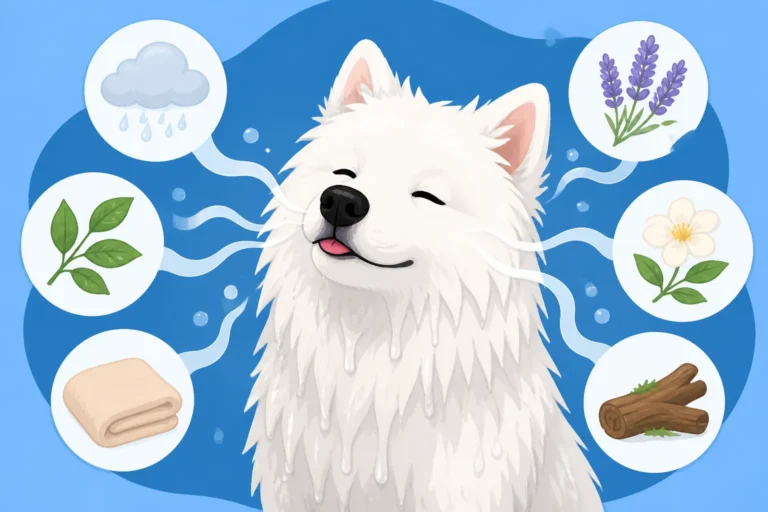
Wet Samoyed odor comes from water activating microorganisms, natural oils, and volatile organic compounds inside the dense double coat.
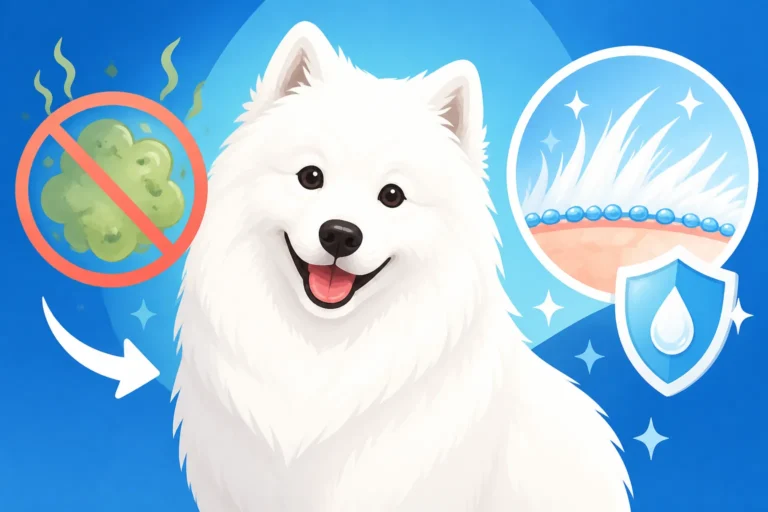
Samoyed low body odor comes from a self-cleaning double coat, dry skin, and historical selective breeding practices.