Whether a Samoyed’s Beard Stains From Food
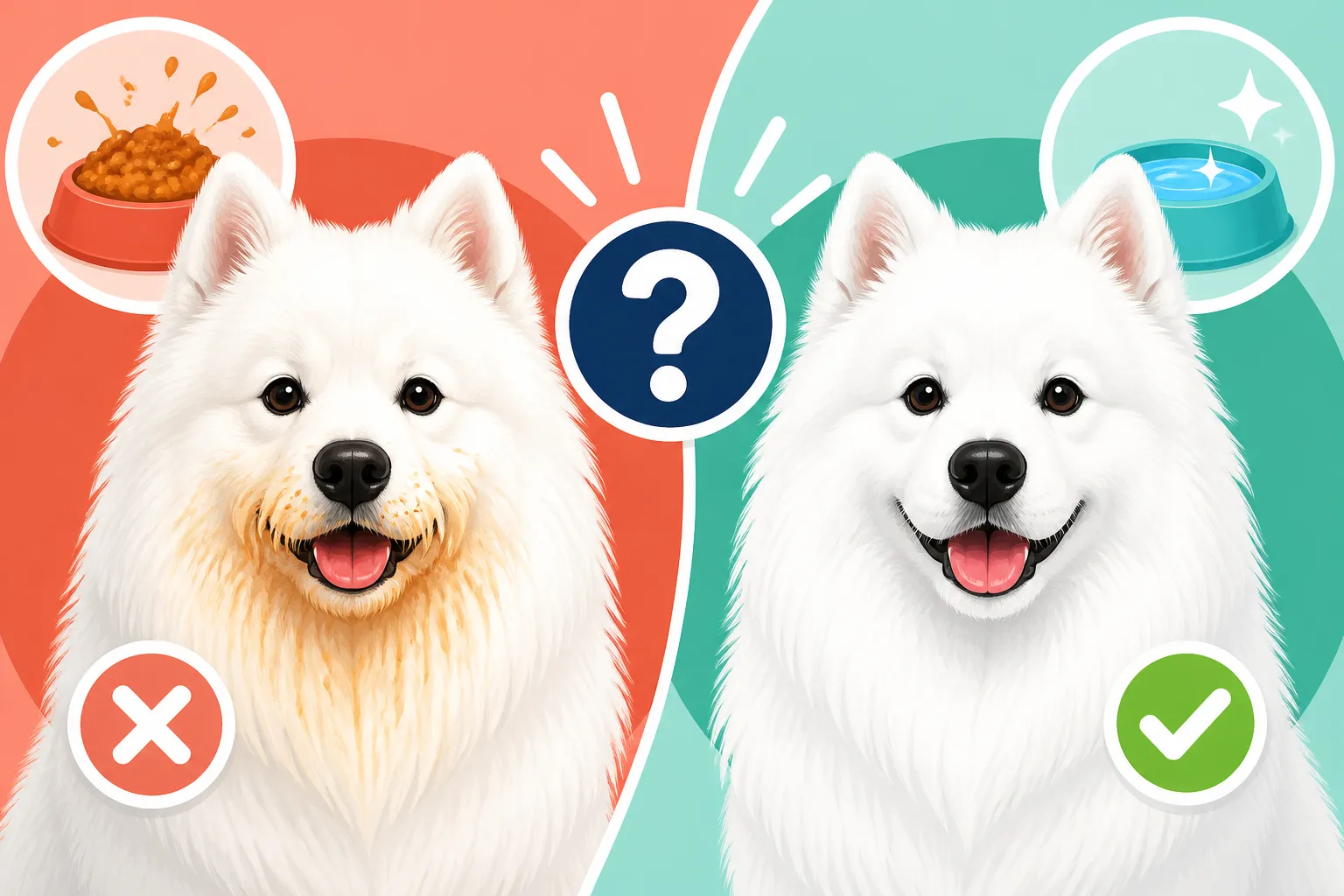
It's a familiar sight for any Samoyed owner: that gorgeous, pristine white beard, only to be utterly dismayed after mealtime when it looks like your sweet, cloud-like companion has attempted to eat a bowl of spaghetti with gusto. The concern is real – does a Samoyed's beard always stain from food, and what can you do about it? This guide is here to unravel the mystery behind the beard stains and arm you with practical tips to keep your Samoyed looking their brilliant best, even after a hearty dinner.
Why Your Samoyed's Beard Seems to Be a Magnet for Stains
Let's face it, that magnificent Samoyed coat, especially around the face, is just begging to pick up every speck of dirt, dust, and yes, food. It's not just bad luck; there are a few key factors at play that make your Samoyed's beard particularly susceptible to staining after a meal. Understanding these can help you strategize your approach.
The Anatomy of the Samoyed Beard
First, consider the sheer volume and texture of a Samoyed's facial fur. Unlike some breeds with shorter muzzles and tighter fur, Samoyeds boast a luxurious, dense double coat that extends to their cheeks and chin, forming that characteristic "beard." This fur isn't just fluffy; it's designed to insulate, meaning it has a slightly coarser outer guard hair and a soft, thick undercoat. When your Samoyed plunges their face into a food bowl, these fine hairs act almost like a natural sponge or a mop, readily absorbing liquids and clinging to food particles. It's not a design flaw, just a consequence of their stunning good looks and historical purpose. The same traits that keep them warm and protected in icy conditions also make them excellent at trapping rogue kibble dust and gravy.
Think about it: when they drink, their whole muzzle gets wet, and those tiny water droplets cling. The same happens with food particles, especially if it's wet food or something they chew enthusiastically. It's a testament to their beautiful coats that they pick up so much, but also a source of endless grooming dilemmas.
The Role of Food Type and Consistency
Not all foods are created equal when it comes to staining power. This might seem obvious, but it's worth a deeper dive.
Wet vs. Dry Food Stains
- Wet Food: This is often the biggest culprit. Canned food, fresh food like what Ollie offers, or even homemade meals can be high in moisture, oils, and sometimes pigments from ingredients like carrots, sweet potatoes, or meat. When your Samoyed enthusiastically dives into a bowl of wet, gravy-rich food, those particles readily transfer to their beard. The moisture content makes it stickier and easier for the color to bleed into the white fur. Imagine trying to eat soup without getting any on your chin – nearly impossible for a human, let alone a dog with a fluffy beard!
- Dry Kibble: While less immediately dramatic than wet food, dry kibble isn't entirely innocent. The dust from kibble can settle on the beard, creating a dull, off-white appearance over time. If your Samoyed is a messy eater and dribbles water while eating kibble, those wet particles can then create a pasty residue that dries and becomes difficult to remove. Some kibble, especially those with darker ingredients or artificial colors, can also leave subtle stains.
The Impact of Food Color
Darker foods, especially those rich in iron or certain plant pigments, are more likely to cause noticeable discoloration. Red meats, dark vegetables, and even some treats can transfer color. It's similar to how a white shirt might pick up a stain from a brightly colored food. Over time, even mild discoloration can accumulate, giving the beard a yellowish or reddish tint that seems impossible to shift. This is why many Samoyed owners carefully consider their dog's diet, not just for health, but for coat maintenance. Beard staining from food is a constant struggle for many owners.
Strategies to Prevent Food Stains on Your Samoyed's Beard
Prevention is almost always easier than cure when it comes to keeping that Samoyed beard pristine. A little bit of proactive effort goes a long way in avoiding stubborn stains.
Smart Feeding Practices
How and what you feed your Samoyed can make a huge difference in how much food ends up on their face.
Choosing the Right Bowl
This is a game-changer for many. Traditional dog bowls, especially deep ones, force your Samoyed to plunge their entire muzzle into the food, guaranteeing a messy beard.
- Elevated Bowls: Raising the food bowl can help some dogs eat more neatly, as they don't have to bend their neck down as far. This can reduce the angle at which their beard dips into the food. You can find many options on Amazon or Chewy.
- Wide, Shallow Bowls: Consider a wide, shallow bowl or even a plate. This allows your Samoyed to eat without their entire lower jaw and beard getting submerged. They can usually get to the food without excessive contact with the edges of the bowl.
- Slow Feeder Bowls: If your Samoyed is a vacuum cleaner when it comes to food, a slow feeder bowl can help. By making them work a little harder and eat slower, it often results in less frantic eating and less mess. However, some designs might still involve their muzzle dipping deeply, so choose wisely.
- Stainless Steel or Ceramic: These materials are generally non-porous and easy to clean, preventing bacteria build-up that can also contribute to discoloration over time if bowls aren't thoroughly washed.
Monitoring Food Consistency and Ingredients
If certain foods are consistently causing severe staining, it might be worth investigating alternatives.
- Less Pigmented Foods: Consider lighter-colored foods if possible. While you should prioritize nutrition, if two equally healthy options exist, the one with fewer dark, staining ingredients might be preferable for a white-coated breed.
- Firm Kibble: For dry food, look for kibble that's less crumbly or dusty. Large, firm pieces might create less residue.
- Reducing "Gravy": If you add water or broth to your kibble, try reducing the amount to make it less soupy, or add it only after your Samoyed has eaten most of the solid food.
Post-Meal Clean-Up Rituals
No matter how careful you are, some food will inevitably find its way onto the beard. A quick clean-up after every meal is crucial.
The Power of a Damp Cloth
This is your first line of defense. Immediately after your Samoyed finishes eating, gently wipe their beard with a damp cloth. A soft microfiber cloth, a pet wipe designed for faces, or even just a warm, wet paper towel can do the trick. The key is to do it before the food has a chance to dry and set into the fur.
- Gentle Technique: Be gentle, especially around their eyes and mouth. You don't want to tug on their fur or irritate their skin.
- Warm Water: Warm water can help dissolve oily residues better than cold water.
- Consistency is Key: Make this a non-negotiable part of their routine. They'll get used to it quickly, especially if it's associated with positive reinforcement.
Regular Grooming and Brushing
Beyond immediate wiping, consistent grooming is essential. Keeping a Samoyed White Without Bathing It Every Week involves a lot of diligence.
- Daily Brushing: A quick brush of the facial fur daily, or even several times a week, helps remove any dried food particles or dust that might have been missed. A small slicker brush or a fine-toothed comb can work wonders.
- Trim Around the Mouth: For some Samoyeds, a very slight, careful trim of the longest hairs directly around their mouth can reduce the surface area for food to cling to. Always use blunt-nosed scissors and be extremely cautious. If you're unsure, ask a professional groomer to do it.
Specialized Products for Stain Prevention
While good hygiene is paramount, certain products can also help.
- Water Additives: Some owners use water additives designed to reduce tear and saliva staining. While primarily for tear stains, they might offer some benefit for general oral staining by altering the pH or reducing bacteria. Always consult your vet before adding anything to their water.
- Barrier Creams: For very persistent staining, some people use a thin layer of pet-safe barrier cream or Vaseline on the beard before meals. This creates a protective layer that makes food less likely to stick directly to the fur. It needs to be wiped off immediately after eating to prevent greasiness and further issues.
Addressing Existing Beard Stains
So, the stains are already there. Don't despair! While it takes patience, many food stains can be significantly lightened or removed.
Gentle Cleaning Solutions
When a damp cloth isn't cutting it, it's time to bring in some reinforcements.
Dog-Specific Whitening Shampoos
For more set-in stains, a quality whitening shampoo formulated for dogs is your best friend. Brands like Chris Christensen (available on Chewy or Amazon) are popular among Samoyed owners.
- How to Use:
- Wet the stained area thoroughly with warm water.
- Apply a small amount of whitening shampoo directly to the stained fur.
- Gently lather and work it into the fur. Let it sit for the recommended time (usually 5-10 minutes) to allow the brightening agents to work.
- Rinse thoroughly. Absolutely ensure all shampoo is rinsed out to prevent skin irritation or residue build-up.
- Repeat if necessary, but don't overdo it. Excessive washing can dry out the skin.
- Patch Test: Always do a patch test on a small, less visible area first to ensure your dog doesn't have a reaction.
Homemade Remedies (Use with Caution)
Some owners swear by natural remedies, but always proceed with caution and consult your vet if you have concerns.
- Baking Soda Paste: A paste made from baking soda and water can be gently applied to stained areas. Baking soda is a mild abrasive and can help lift stains. Apply, let sit for a few minutes, then rinse thoroughly. Be very careful not to get it in their eyes or mouth.
- Diluted Apple Cider Vinegar (ACV): A very diluted solution (1 part ACV to 10 parts water) can sometimes help with discoloration, especially if it's yeast-related (which can contribute to reddish staining). Apply with a cotton ball, let sit for a few minutes, then rinse. Again, avoid eyes and mouth, and test a small area first. ACV can be irritating if too strong or left on too long.
- Hydrogen Peroxide (Extreme Caution): Some old grooming tricks involve highly diluted hydrogen peroxide. I strongly advise against this for home use. Hydrogen peroxide can be irritating, dry out fur, and in rare cases, damage the coat or skin. If you are considering this, only do so under the direct guidance of a professional groomer or vet.
Professional Grooming
Sometimes, the best approach is to call in the experts. A professional groomer experienced with Samoyeds can work wonders.
- Deep Cleaning: They have access to professional-grade whitening products and specialized tools (like high-velocity dryers) that can thoroughly clean and dry the dense Samoyed coat, often achieving results difficult to replicate at home.
- Trimming: They can safely and expertly trim any unruly beard hairs that are prone to staining without making it look awkward or risking injury. What a Full Groom on a Samoyed Costs can vary, but for stubborn stains, it might be worth it.
Dealing with Stubborn Stains Over Time
Persistent staining might indicate a deeper issue, or simply that the stain has been there too long.
- Patience and Persistence: Removing deep-set stains isn't a one-and-done job. It often requires consistent, gentle cleaning over several weeks. You'll gradually see the fur lighten.
- New Growth: Remember, stained fur is damaged fur, meaning the color has penetrated the hair shaft. While you can lighten it, sometimes the best solution is simply to wait for new, unstained fur to grow in. Regular brushing and healthy nutrition promote new coat growth. What a Samoyed's Coat Changes With Age can also play a role, as older fur might be more susceptible to staining.
When Beard Stains Might Indicate a Larger Issue
While most beard stains are just cosmetic, sometimes they can be a signal that something else is going on with your Samoyed's health or hygiene. It's important to know when to pay closer attention.
Skin Irritation and Infection
Persistent wetness and trapped food particles around the muzzle can create a breeding ground for bacteria and yeast, leading to skin irritation or even infection.
- Redness and Inflammation: If you notice the skin under the stained fur is red, inflamed, or bumpy, this is a sign of irritation.
- Odor: A foul or yeasty smell emanating from the beard area is a strong indicator of bacterial or yeast overgrowth.
- Excessive Licking/Itching: If your Samoyed is constantly pawing at their face, rubbing their muzzle, or licking the area excessively, it might be itchy and uncomfortable due to a skin issue.
- Matted Fur: When fur around the beard becomes constantly wet and sticky, it can easily mat, trapping moisture and debris against the skin, exacerbating skin problems.
If you observe any of these symptoms, a trip to the vet is in order. They can diagnose any underlying skin infections and prescribe appropriate treatment, such as medicated shampoos or oral medications.
Dental Health Concerns
Believe it or not, your Samoyed's dental health can also indirectly contribute to beard staining.
- Drooling: Dogs with dental pain, gum disease, or excessive tartar buildup might drool more. This extra moisture around the mouth, combined with potential bacteria in the saliva, can lead to staining and skin irritation.
- Difficulty Eating: If eating is painful, your Samoyed might become a messier eater, dropping more food or chewing awkwardly, leading to more food ending up on their beard.
- Oral Infections: Infections in the mouth can lead to discolored discharge or changes in saliva composition that can contribute to staining.
Regular dental check-ups and a good oral hygiene routine, including brushing your Samoyed's teeth regularly, are vital for their overall health and can sometimes help with persistent staining issues around the mouth. Whether a Samoyed Needs Its Teeth Brushed is a common question, and the answer is usually a resounding yes!
Allergic Reactions
In some cases, specific food ingredients can cause mild allergic reactions in dogs, leading to skin issues that manifest around the mouth and face.
- Facial Itching and Rubbing: If your Samoyed is particularly itchy around their face, even after thorough cleaning, it could be an allergic response.
- Reddish/Brown Stains: Allergic reactions can sometimes lead to excessive licking or moisture, promoting yeast growth which often causes reddish-brown staining.
If you suspect food allergies, discussing a food elimination trial with your vet might be beneficial. This involves feeding a novel protein or hydrolyzed protein diet for a period to identify potential allergens. Brands like Royal Canin or Hill's Prescription Diet offer veterinary-approved hypoallergenic options, or your vet might recommend a specific fresh food diet like some options from Ollie, carefully chosen for limited ingredients.
Living with a Perfectly Imperfect Samoyed Beard
Ultimately, owning a Samoyed means embracing a certain level of grooming commitment. Their magnificent coat is part of their charm, but it also comes with its challenges, and a perfectly spotless beard 100% of the time might be an unrealistic expectation.
Managing Expectations
It's okay if your Samoyed's beard isn't always picture-perfect white. They are dogs, and they eat, play, and explore. A little bit of happy-go-lucky stain from a particularly delicious meal is part of their joyful existence. The goal isn't sterile perfection, but rather good hygiene and health.
Focus on:
- Regular, gentle cleaning: Make it a habit.
- Preventative measures: Choose appropriate bowls and consider food types.
- Monitoring for health issues: Be vigilant for signs of irritation or infection.
Embracing the "Samoyed Smile" (Even if It's a Little Beige)
The Samoyed smile is legendary, and it’s what melts our hearts every single day. Even if that smile is occasionally framed by a slightly off-white beard after a particularly enthusiastic meal, it doesn't diminish their beauty or their happy spirit. Many owners find creative ways to manage the fur, like What a Deshedding Treatment Costs on a Samoyed at a groomer, which can help keep the coat in top condition overall, including the beard.
Your Samoyed is a cherished member of your family, and their health and comfort far outweigh the occasional cosmetic imperfection of a stained beard. With consistent care, smart choices, and a good sense of humor, you can keep your furry friend looking and feeling fantastic, ready to flash that famous Samoyed smile, beard and all!
Disclaimer
This article is for general informational purposes only and does not constitute professional advice. Laws, prices and regulations vary by location and change over time. Consult a qualified professional for guidance on your specific situation.