Whether a Samoyed’s Feet Stain From Licking
If you've ever found yourself admiring your Samoyed's pristine white coat, only to glance down at their feet and discover unsightly reddish-brown or yellowish stains between their toes, you are absolutely not alone. It's a common frustration for Samoyed owners, especially when those stains seem to be accompanied by a persistent licking habit. This guide is here to walk you through why those adorable paws might be staining, what causes the licking, and most importantly, how you can address both issues to help keep your fluffy companion's feet as bright and beautiful as the rest of them.
Unpacking the Mystery: Why Your Samoyed Licks Their Paws So Much
It’s easy to dismiss paw licking as just "something dogs do," but for a Samoyed, particularly if it's frequent or leading to noticeable stains, it's often a sign that something deeper is going on. Their exquisite white coat acts like a beacon, highlighting issues that might go unnoticed on darker-furred breeds. Understanding the root cause of the licking is the very first step toward solving the staining problem.
Medical Reasons Behind the Licking Frenzy
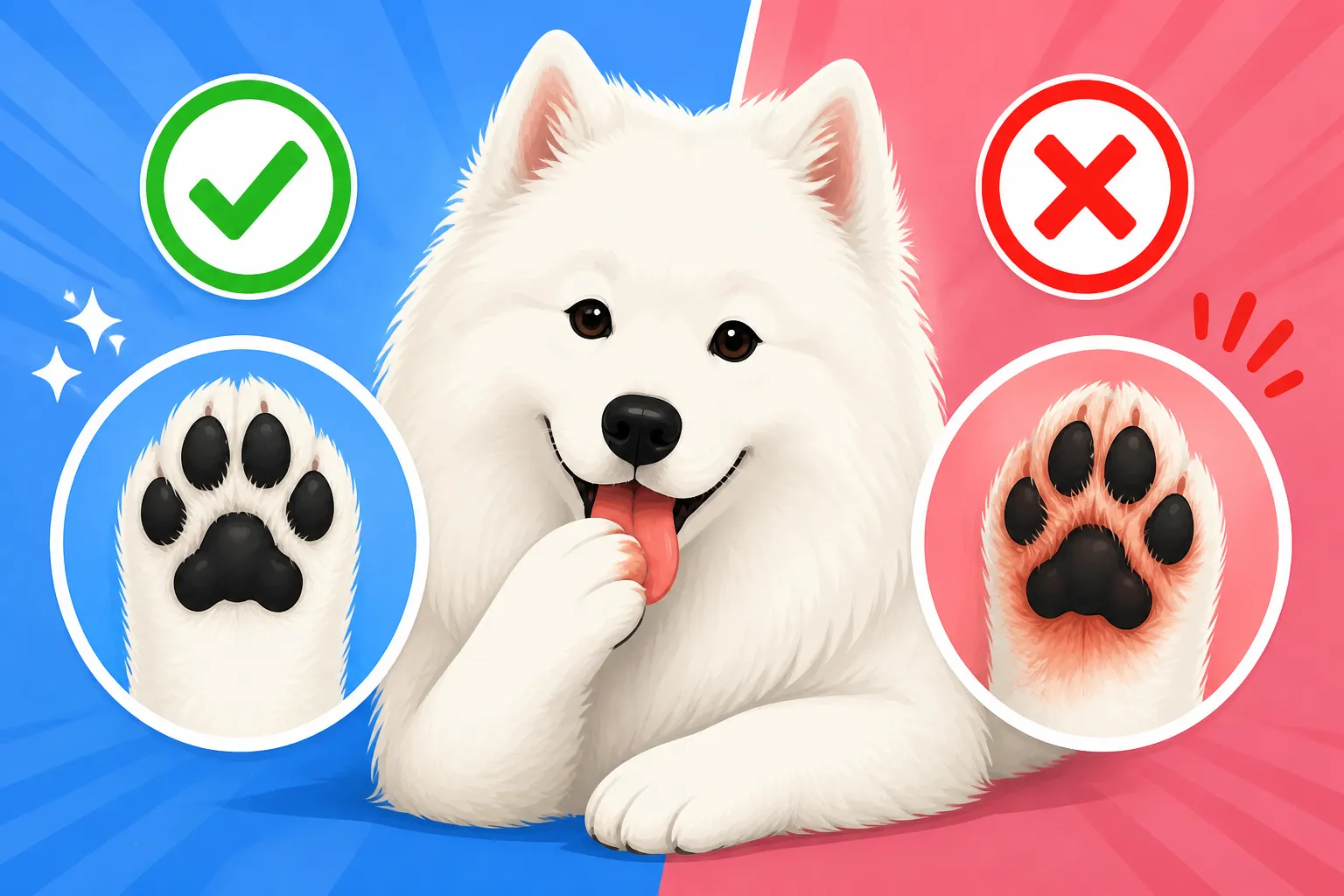
When your Samoyed starts obsessively licking their paws, it's usually their way of telling you they're uncomfortable. Unlike us, they can't point to where it hurts or tell you their skin is itchy. Licking is their self-soothing mechanism, and it can unfortunately perpetuate a cycle of irritation and staining.
One of the most common culprits for persistent paw licking is allergies. Just like people, Samoyeds can suffer from environmental allergies (atopy), reacting to things like pollen, dust mites, or certain grasses. When these allergens are present, their immune system goes into overdrive, leading to itchy skin. Often, the paws are a primary target because they come into direct contact with these irritants. Food allergies or sensitivities can also manifest as itchy paws, making them lick almost compulsively. If you notice licking, especially accompanied by redness or inflammation, it’s always best to consult your veterinarian to rule out underlying health issues. A vet can help you navigate potential culprits and discuss options like dietary changes or specific allergy medications.
Beyond allergies, pain or discomfort in the paw itself can trigger excessive licking. Imagine stepping on a tiny burr or a shard of glass during a walk – your Samoyed will instinctively lick at the area to try and remove it or soothe the soreness. Arthritis in an older Samoyed can also lead to paw licking, as they might be trying to alleviate the discomfort in their joints. Even something as subtle as a strained toe or a bruise can make them focus their attention there. It’s crucial to gently examine their paws regularly, checking between the pads and toes for any cuts, punctures, redness, swelling, or foreign objects. Sometimes, How a Samoyed Hides Illness Behind a Smile can make it hard to tell if they're in pain, so careful observation is key.
Then there are infections, often a direct consequence of chronic licking. When paws are constantly wet from saliva, it creates a warm, moist environment – the perfect breeding ground for yeast (like Malassezia) and bacteria. These secondary infections are incredibly itchy themselves, leading to more licking, which then leads to more moisture, and so on. Yeast infections, in particular, are notorious for causing that distinctive reddish-brown staining on white fur, which we'll delve into more later. Your vet can perform simple tests, like skin scrapes or cytology, to identify these infections and prescribe appropriate antifungal or antibiotic treatments, often alongside medicated paw soaks.
Behavioral and Environmental Factors
Sometimes, the licking isn't purely medical, but rather a complex interplay of behavior and the world around them. Even when a medical cause is addressed, the habit can linger.
Anxiety and boredom are significant drivers of self-soothing behaviors like paw licking. Samoyeds are intelligent, social dogs who thrive on interaction and mental stimulation. If they're left alone for long periods without adequate exercise or engaging activities, they can become bored or anxious. Licking their paws can become a way to self-entertain or cope with stress. It's akin to a person biting their nails or twirling their hair when nervous. Providing plenty of enrichment, puzzle toys, and consistent mental and physical challenges can go a long way. Think about How Much Exercise a Samoyed Needs and whether they're truly getting enough to satisfy their active minds and bodies.
Once paw licking starts, for whatever reason, it can quickly turn into a deeply ingrained habit. Even if the original trigger (like an allergic flare-up) subsides, the dog might continue the behavior out of routine. Breaking a habit can be tougher than addressing the initial cause. This is where consistent redirection, positive reinforcement, and sometimes, even protective measures like soft Elizabethan collars or paw coverings, come into play to interrupt the cycle and allow the paws to heal and the fur to dry out.
Finally, environmental irritants can kick off the licking cycle. Think about walking your Samoyed on sidewalks treated with de-icing salts in winter, or through grass recently sprayed with pesticides. These chemicals can be harsh and irritating to their sensitive paw pads and skin between their toes. Similarly, hot pavement in summer can cause discomfort, as can rough terrain that leads to minor abrasions. After walks, especially in areas where irritants might be present, a quick rinse of their paws with plain water can remove residues and prevent irritation that might otherwise lead to licking.
The Science of Stains: What Exactly is Turning Those Paws Brown?
So, your Samoyed is licking, but why does that particular action lead to those distinct, stubborn reddish-brown or yellow stains? It’s not just plain dirt (though that certainly doesn’t help!). There's a bit of canine biology and microbiology at play.
Porphyrins and Yeast: The Usual Suspects
The primary reason for those tell-tale reddish-brown stains is often related to two things: porphyrins in saliva and the presence of yeast. When dogs lick excessively, they deposit saliva onto their fur. Dog saliva contains compounds called porphyrins, which are iron-containing molecules. When these porphyrins are exposed to air and light, they oxidize, much like an apple turning brown when cut, and create a reddish-brown discoloration on white fur. This is a very common cause of staining around the mouth, under the eyes, and on the paws if there's a lot of licking. The more they lick, the more porphyrins are deposited, and the deeper the stain becomes.
Beyond porphyrins, yeast, particularly Malassezia pachydermatis, is another major contributor to those reddish-brown stains. Yeast are naturally present on a dog's skin and in their ears, but when conditions are right – specifically, warm, moist environments – they can overgrow. Chronic paw licking creates exactly this kind of environment. The yeast thrives, and as it multiplies, it produces a reddish-brown pigment that gets embedded in the fur. This is often accompanied by an unpleasant yeasty odor and intense itchiness, driving the dog to lick even more, creating a vicious cycle. If you suspect yeast, your vet can confirm it with a simple swab and recommend appropriate anti-fungal treatments. This is often linked to underlying allergies that cause skin inflammation and an environment conducive to yeast overgrowth.
Environmental Contributions
While the internal factors of saliva and yeast are key, we can't ignore the external world. Our Samoyed's glorious white coat is simply a magnet for every bit of grime the world has to offer, and their paws are on the front lines.
The most obvious cause of staining is, of course, dirt, mud, and grass stains. Samoyeds love to dig and explore, and their thick paw fur can easily pick up all sorts of natural pigments from the ground. A good romp in a muddy park or a long walk on damp soil can quickly turn those pristine white paws into a mosaic of earth tones. While these stains are usually easier to wash out than porphyrin or yeast stains, they still contribute to the overall dinginess and can be frustrating to manage, especially during wet seasons.
Beyond natural dirt, various chemicals and salt found in our environment can also contribute to paw staining and irritation. As mentioned earlier, de-icing salts on winter roads, fertilizers, or weed killers in parks can not only irritate a Samoyed's paws, leading to increased licking, but some of these substances can also directly stain the fur. Certain minerals in hard water could even leave a subtle tint if paws are frequently wet and air-dried without proper care. Being mindful of where your Samoyed walks and promptly cleaning their paws after outdoor excursions, particularly in urban or treated areas, is an important preventative measure.
Proactive Paw Care: Preventing Stains Before They Start
The best defense against stained Samoyed paws is a good offense. This means tackling the root causes of licking and integrating consistent, preventative grooming habits into your routine. Remember, those stunning white feet don't stay that way by magic!
Addressing the Root Cause of Licking
Since excessive paw licking is often the precursor to staining, stopping the licking is paramount. This almost always begins with a trip to your veterinarian. As we discussed, allergies, pain, or infections are incredibly common underlying issues. Your vet can perform a thorough examination, possibly run blood tests for allergies, check for parasites, or take samples for cytology to look for yeast or bacterial infections. They can also check for subtle injuries or signs of Arthritis in an Older Samoyed, which might require anti-inflammatory medication or Joint Supplements for a Samoyed. Getting a proper diagnosis means you can target the actual problem, rather than just treating the symptom.
If allergies are suspected, managing them is a long-term strategy. For food sensitivities, your vet might recommend an elimination diet to pinpoint problematic ingredients. Brands like Ollie, which offer fresh, limited-ingredient dog food, or other reputable hypoallergenic diets (often found on Chewy or Amazon) can be part of this process. For environmental allergies, your vet might suggest antihistamines, specialized shampoos, or even allergen-specific immunotherapy. Reducing exposure to known allergens, such as wiping paws after walks, can also help.
Beyond medical interventions, ensuring your Samoyed is mentally and physically satisfied can significantly reduce anxiety- or boredom-induced licking. Samoyeds are not couch potatoes; they need purpose and engagement. Provide plenty of opportunities for walks, playtime, and training sessions. Puzzle toys that dispense treats, sniff mats, or engaging games of fetch can burn off excess energy and provide mental stimulation. A bored Samoyed is a creative Samoyed, and that creativity can sometimes manifest in destructive or obsessive behaviors like licking.
Regular Grooming and Hygiene Habits
Once any underlying medical issues are under control, establishing a diligent paw grooming routine is your next big step in prevention. Consistency is key here.
A simple yet highly effective habit is daily paw wiping, especially after outdoor activities. Keep a towel or a package of pet-safe paw wipes by the door. As soon as your Samoyed comes inside, take a moment to wipe down their paws, paying close attention to the spaces between the pads and toes. This removes dirt, pollen, salt, and any other irritants before they have a chance to dry, rub in, or cause itching. For deeper cleaning, Spot Cleaning a Samoyed Instead of Bathing It can be very effective for the paws.
Trimming the fur between your Samoyed's paw pads regularly is another game-changer. Excess fur in this area can collect moisture, dirt, debris, and allergens, creating a breeding ground for yeast and bacteria. It also makes it harder to properly clean and dry the paws. Using blunt-nosed grooming scissors or a small clipper (like a Wahl mini clipper, often available on Amazon) can make this task easier and safer. You don't need to shave it down to the skin, just keep it tidy and flush with the pads. This practice helps with traction and comfort too.
Speaking of moisture, proper drying after baths or wet walks is crucial. Samoyeds have a dense double coat, and their paw fur is no exception. If left damp, the skin and fur between their toes can become a haven for yeast and bacteria, leading to infections and those dreaded reddish stains. After any bath or if their paws get thoroughly wet, use a towel to blot away as much water as possible, then use a low-heat setting on a pet dryer (a force dryer is ideal for Samoyeds, as detailed in What a Force Dryer Costs a Samoyed Owner) to ensure the fur is completely dry right down to the skin. Remember, Drying a Samoyed to the Skin is vital for overall coat health, and especially for preventing issues in moisture-prone areas like the paws.
Consider using protective gear, especially during certain seasons or in harsh environments. Dog booties can be a lifesaver in winter to protect against de-icing salts and ice balls, or in summer to shield paws from scorching pavement. They can also act as a physical barrier to prevent licking if your Samoyed is struggling to break a habit, though they should always be comfortable and properly fitted.
Tackling Existing Stains: Getting Those Pearly Whites Back
Once the prevention strategies are in place and the licking is under control, you're left with the task of tackling those existing, stubborn paw stains. It's not always an overnight fix, but with patience and the right approach, you can significantly lighten or even remove them.
Gentle Cleaning Methods for Stained Paws
You don't need harsh chemicals to clean your Samoyed's feet. Gentle, consistent methods are far more effective and safer for their sensitive skin. Start with a good quality mild dog shampoo. A puppy shampoo or one specifically designed for white coats (often called "whitening" or "brightening" shampoos) can work wonders. When bathing, lather up the paws thoroughly, letting the shampoo sit for a few minutes before rinsing. Focus on scrubbing gently between the toes with your fingertips or a soft washcloth. Repeat if necessary. Products from brands available on Chewy or Amazon often include specific whitening formulas.
For more stubborn porphyrin or yeast stains, a baking soda paste can be surprisingly effective. Mix a small amount of baking soda with water to create a thick paste. Apply this paste directly to the stained areas, making sure it coats the fur. Let it sit for about 5-10 minutes (you might need to distract your Samoyed with a treat or toy to prevent them from licking it off), then rinse thoroughly. Baking soda is a natural deodorizer and a mild abrasive, which can help lift stains. However, always ensure a complete rinse to prevent skin irritation.
Diluted apple cider vinegar (ACV) can also be a fantastic tool, especially if yeast is a factor in the staining. ACV is naturally acidic and can help rebalance the skin's pH, making it less hospitable for yeast. Mix equal parts apple cider vinegar and water. After shampooing and rinsing the paws, you can either soak their paws in this diluted solution for a few minutes or spray it onto the stained areas. Again, thorough rinsing is essential, as concentrated ACV can be irritating, and you want to remove the vinegar smell. Always ensure the ACV is diluted and do a patch test first if your dog has sensitive skin. Remember, this is a complementary approach, not a replacement for veterinary-prescribed anti-fungals.
Essential Tools and Techniques
Having the right tools can make all the difference in your paw cleaning routine. Beyond appropriate shampoos and rinses, a few items can elevate your game.
A soft brush, like a small facial brush or even a clean, soft toothbrush, can be incredibly helpful for gently scrubbing stained areas. These brushes can get into the nooks and crannies between the toes and around the pads, helping to loosen dirt and work the cleaning solution into the fur more effectively. Always use a light touch to avoid irritating the skin. A good microfiber towel is also indispensable for blotting excess water quickly and efficiently.
As mentioned earlier, a force dryer is a true game-changer for Samoyed owners. After washing, ensuring their paws are completely dry is critical to prevent new yeast or bacterial growth. A force dryer (not a human hairdryer, which can be too hot) blasts water out of the coat quickly and efficiently, drying the fur down to the skin without overheating. This not only prevents health issues but also makes the coat fluffier and cleaner-looking. If you're serious about keeping that Samoyed coat pristine, it's an investment worth considering. What an Undercoat Rake Costs a Samoyed Owner or other grooming tools might also be needed for the rest of their coat, but for paws, specific drying is paramount.
Ultimately, tackling stained paws comes down to consistency. These stains didn't appear overnight, and they won't disappear with a single wash. Regular cleaning, combined with addressing the root causes of licking and vigilant preventative measures, will gradually lighten the existing stains and prevent new ones from forming. It's a continuous commitment, but the reward is seeing your Samoyed's beautiful white paws restored to their former glory, complementing that iconic Samoyed smile.
Disclaimer
This article is for general informational purposes only and does not constitute professional advice. Laws, prices and regulations vary by location and change over time. Consult a qualified professional for guidance on your specific situation.