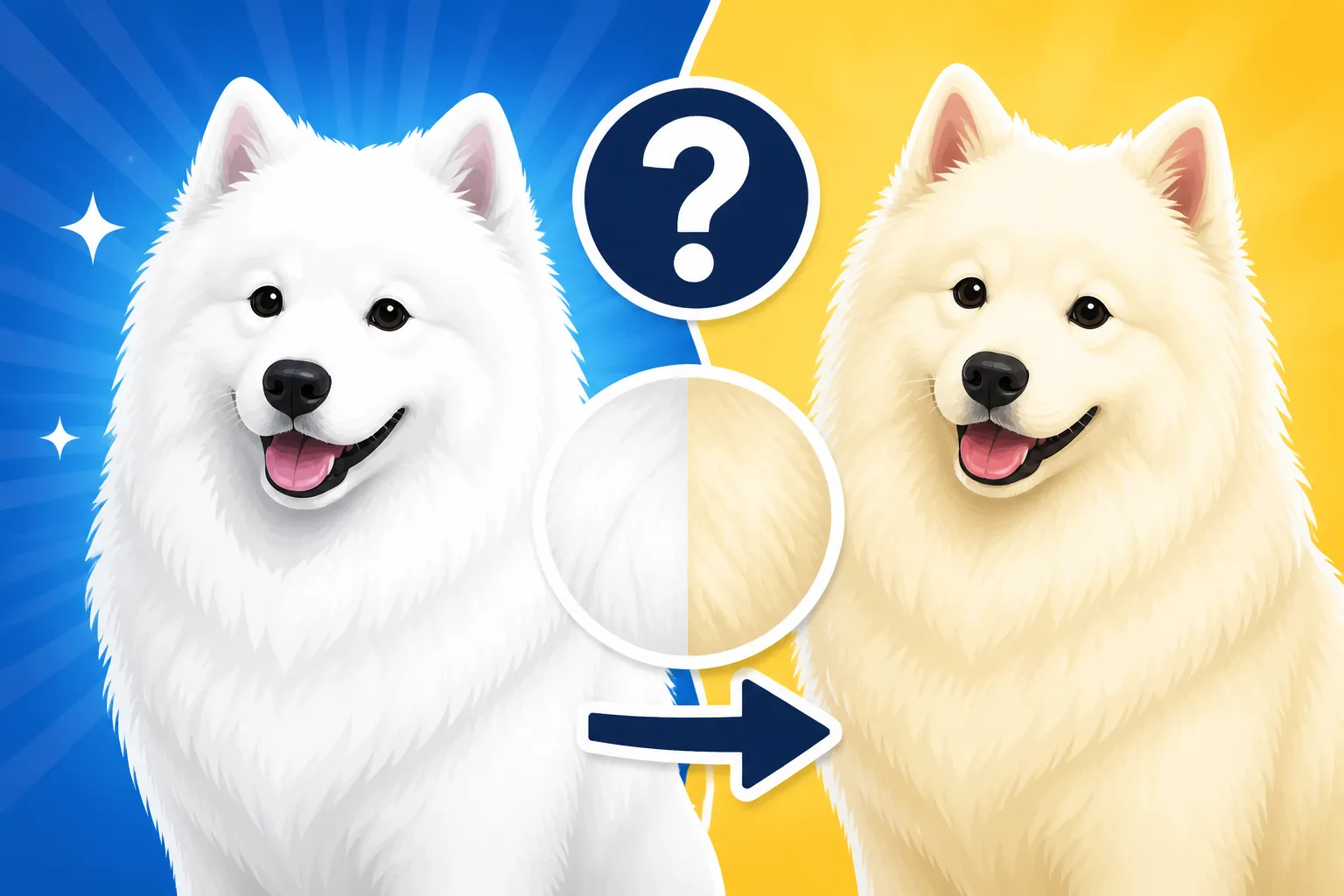
Whether a Samoyed’s Coat Yellows With Age
It’s a truly frustrating experience, isn’t it? You adore your Samoyed's dazzling white coat, a hallmark of their beauty, only to wake up one morning and notice a subtle, unwelcome yellowish tinge creeping in, especially as they get older. You might find yourself wondering if it's just a normal part of aging, something inevitable that happens to all Samoyeds, or if there's something you could be doing differently. This guide is here to shed some light on why Samoyed coats can appear to yellow with age, what environmental factors are truly at play, and what practical steps you can take to keep your fluffy companion looking as pristine as possible, even into their golden years.
Understanding the Samoyed's Unique Coat Structure
Let's start by appreciating the sheer marvel that is a Samoyed's coat. It’s not just for show; it's a finely engineered piece of natural insulation that allowed their ancestors to thrive in some of the harshest environments on Earth. Understanding its unique characteristics is the first step to knowing how to care for it and why it might change over time.
The Double Coat and Its Purpose
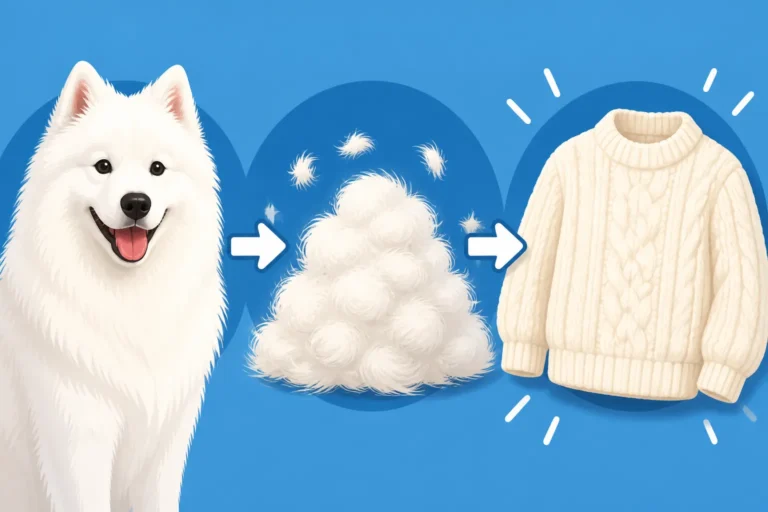
The Samoyed's coat is a magnificent double coat, a defining characteristic of the breed. This isn't just a fluffy exterior; it's a sophisticated two-layer system designed for extreme temperature regulation and protection. The outer layer consists of long, coarse, straight "guard hairs." These hairs are somewhat stiff and repel water, snow, and dirt, acting like a protective shield. They’re what give the Samoyed that sparkling, almost iridescent sheen in the sunlight. You might notice that when your Samoyed rolls in the mud, once it dries, a good shake can send much of that dirt flying off, leaving a relatively clean coat underneath. This self-cleaning property is largely thanks to these guard hairs.
Beneath this protective outer layer lies the second, crucial part of the double coat: the dense, woolly undercoat. This soft, downy layer is incredibly thick and provides superior insulation, trapping air close to the body to keep the dog warm in freezing temperatures and, surprisingly, cool in warmer weather by preventing heat from penetrating to the skin. This undercoat is what makes them so incredibly soft to pet, and it's also responsible for the famous "Samoyed floof" that we all love. Because this undercoat is so dense, it can sometimes trap fine particles of dust or debris against the skin, which can, over time, contribute to a duller appearance if not regularly brushed out. The unique structure is why a Samoyed's coat offers such incredible insulation, repelling elements and maintaining their body temperature.
Natural Pigmentation and Coat Color
When we talk about a Samoyed's coat color, the ideal is often described as "pure white." However, it's important to understand that "pure white" isn't the only acceptable or natural color for the breed, and there can be subtle variations that are completely normal and not indicative of staining or yellowing. The breed standard typically allows for pure white, cream, or biscuit. Biscuit, in particular, refers to a charming, light tan or beige tint, usually appearing on the ears, back, or around the muzzle. These aren't stains; they are natural, genetically determined pigmentations within the coat.
So, when you look at a Samoyed, don't immediately assume any hint of color beyond stark white is a sign of trouble. Many Samoyeds carry these natural biscuit markings, and they are a beautiful, accepted part of their appearance. These natural variations are present from puppyhood and generally don't change or intensify with age in the way that staining does. Understanding this distinction is key: a true biscuit marking is part of the dog's inherent color, while "yellowing" is usually an acquired discoloration from external factors or a change in coat health. If you're ever in doubt about your Samoyed's natural hue, comparing photos from when they were younger can often help differentiate between their natural color progression and actual accumulation of stains.
Why Samoyed Coats Appear to Yellow Over Time
The perception that a Samoyed's coat yellows with age is incredibly common, and it’s a valid observation. However, it's rarely about the hair itself changing its inherent pigment due to chronological age. Instead, it’s usually a combination of environmental factors, dietary influences, and subtle changes in coat texture and maintenance capabilities that accumulate over time.
Environmental Factors and Everyday Staining
The most significant contributor to a Samoyed's coat appearing yellowed or dull is simply the accumulation of everyday dirt, grime, and natural bodily secretions. Imagine wearing a pristine white shirt every day for years; it’s bound to pick up some marks, right? The same principle applies to your Samoyed's gorgeous white coat, especially in specific areas.
Think about common culprits:
- Grass and Mud: A joyous roll in the wet grass or a playful romp in the muddy park will leave immediate, visible stains. While the guard hairs do a fantastic job of shedding dirt once dry, some fine particles, especially organic matter, can get embedded in the softer undercoat.
- Urine and Feces: Accidents happen, and even careful potty breaks can lead to urine splashing onto legs, bellies, or the long "pants" around their rear. Over time, these can lead to stubborn yellow stains that are difficult to remove. This is a particularly prevalent issue for older dogs who might have less control or spend more time lying down.
- Tears and Saliva: Many Samoyeds develop "tear stains" around their eyes, a reddish-brown discoloration caused by porphyrins in their tears. Similarly, persistent licking of paws or certain body parts can cause saliva to stain the fur a yellowish-brown. Their beautiful beard (Whether a Samoyed's Beard Stains From Food) is also a very common problem area.
- Pollutants and Dirt: Just living in the world exposes their coats to dust, smog, and other airborne pollutants. These tiny particles can settle into the coat, especially the dense undercoat, and over months and years, contribute to a general dinginess rather than a pure white luster.
These stains often aren't a sudden appearance but a gradual buildup, which is why they tend to become more noticeable as your Samoyed ages. An older dog might also be less agile, making it harder for them to keep themselves meticulously clean. This isn't their coat changing color; it's their coat reflecting the world they live in.
Dietary Influences on Coat Color
While diet isn't going to turn your Samoyed's genetically white hair yellow, it absolutely plays a crucial role in overall coat health and its ability to resist and shed stains. A healthy coat is a vibrant, strong coat, less prone to dullness and more capable of repelling environmental grime. Conversely, a poor diet can lead to a lackluster coat that appears duller and holds onto stains more readily, creating the illusion of yellowing.
Consider these aspects:
- Essential Fatty Acids: Omega-3 and Omega-6 fatty acids are vital for healthy skin and a shiny, strong coat. Deficiencies can lead to dry, brittle hair that lacks its natural luster and may be more porous, making it easier for dirt and oils to penetrate and stain. Many high-quality dog foods, like those you might find on Chewy or even fresh food options like Ollie, prioritize these nutrients.
- Protein Quality: Hair is primarily made of protein. A diet lacking in high-quality protein can result in weak, unhealthy hair growth. Such hair might appear thinner, duller, and generally less vibrant, which can contribute to the overall impression of a "yellowed" or unhealthy coat.
- Antioxidants and Vitamins: Vitamins A, E, and C, along with various antioxidants, support skin health and cellular regeneration. A deficiency in these can impact the skin barrier and, consequently, the health of the hair follicles, leading to a less robust coat.
It's less about a specific food causing yellowing and more about a holistic approach to nutrition. A well-nourished Samoyed will naturally have a healthier, stronger coat that is easier to maintain and appears brighter. If you're concerned about your Samoyed's coat health, discussing their diet with your vet and exploring high-quality options is always a good idea. Many reputable brands offer formulas specifically designed for skin and coat health, often found with detailed reviews and ingredient lists on platforms like Amazon.
Age-Related Changes in Coat Texture and Oil Production
Here's where the "with age" part of the query becomes most relevant, even if it's not a direct pigment change. As Samoyeds, like all dogs, age, their bodies go through a variety of changes. Their coat, being a direct reflection of their overall health, is not immune to these shifts. It's more about how the nature of the coat subtly changes, making it more susceptible to external factors.
- Changes in Hair Texture: As a Samoyed matures and enters its senior years, you might notice subtle shifts in their coat texture. The guard hairs might become slightly coarser, or perhaps the undercoat, while still dense, might become a bit less resilient. This change in texture can alter how light reflects off the coat, making it appear less brilliant or even slightly off-white. More significantly, changes in texture can make the coat more prone to holding onto environmental dust and dirt, or less efficient at shedding it naturally. The beautiful How an Old Samoyed's Coat Changes discusses these broader impacts.
- Alterations in Skin Oil Production: The skin produces natural oils (sebum) that condition the hair and provide a protective barrier. As dogs age, their skin's oil production can either increase or decrease. If it increases, the coat might become slightly greasier, making it a magnet for airborne dust and dirt, which then adheres more stubbornly to the hairs. If oil production decreases, the coat can become drier, making it more brittle and potentially duller in appearance. These oils can also oxidize over time, contributing to a yellowish or dingy hue on the fur itself, especially in areas of constant contact like elbows or the belly.
- Reduced Self-Grooming: A younger, more agile Samoyed is often meticulous about self-grooming, licking and cleaning themselves. As they age, joint pain, decreased flexibility, or general lethargy can reduce their ability or inclination to keep themselves pristine. This means that areas they once kept clean – like paws, legs, or behind the ears – might start to accumulate more stains simply because they're not getting their usual daily tidy-up. This reduced grooming capacity then contributes to the overall appearance of a "yellowed" coat, even though it's external buildup rather than inherent pigment change. For insight into senior care, consider Caring for an Old Samoyed.
It's not that the coat's inherent white pigment turns yellow, but rather that the aging process makes the coat more vulnerable to becoming discolored by external factors and less capable of maintaining its pristine condition without extra help.
Strategies to Maintain a Bright White Samoyed Coat
Now that we understand why a Samoyed's coat appears to yellow with age, let's talk about what you can actively do to combat this and keep your fluffy friend looking their best. It's an ongoing effort, but the results are always worth it for that glorious white cloud.
Regular Grooming and Brushing
This is, without a doubt, your first line of defense against a dull or yellowing coat. Consistent, thorough brushing is absolutely essential for a Samoyed, regardless of age.
- Frequency and Tools: Aim for brushing at least 2-3 times a week, and ideally daily during "coat blowing" seasons when they shed their undercoat profusely. A good quality slicker brush and a long-toothed metal comb are your best friends. The slicker brush helps remove loose undercoat and detangle, while the comb ensures you're getting down to the skin and catching any mats forming. For a deep dive into frequency, check out How Often a Samoyed Needs Brushing.
- Removing Dead Undercoat: The dense undercoat, when dead and shed, can trap dirt, moisture, and odors. Regular brushing removes this dead hair, allowing the skin to breathe and preventing matting, which can cause skin issues and create dark, grimy patches. When you pull out handfuls of fluffy undercoat, you're not just preventing tangles; you're literally removing potential sources of dullness and odor.
- Stimulating Natural Oils: Brushing also helps to distribute the natural oils produced by the skin throughout the coat. These oils are vital for hair health, providing a protective sheen and making the coat more resistant to staining. A well-conditioned coat sheds dirt more easily.
- Spot Checks: During brushing sessions, pay close attention to problem areas prone to staining: around the mouth, under the ears, on the legs and paws, and around the tail and rear. These areas might need extra attention to prevent buildup.
Strategic Bathing and Stain Removal
While Samoyeds are surprisingly self-cleaning, they do need baths – just not too often! Over-bathing can strip natural oils, leading to dry skin and a less healthy coat. The key is strategic bathing and targeted stain removal.
- Bathing Frequency: Generally, a Samoyed only needs a full bath every 1-3 months, or when they're visibly dirty. Their guard hairs naturally repel dirt, and their coat has an amazing ability to shed grime once dry, often making frequent baths unnecessary. Learn more about Why a Samoyed's Coat Stays Clean on Its Own.
- Shampoo Choice: When you do bathe, choose your shampoo wisely. A good quality whitening shampoo formulated for white coats can help brighten the coat without harsh chemicals. Avoid shampoos with artificial dyes or overly strong fragrances that might irritate the skin. For persistent stains, you might consider a clarifying shampoo or a specialized stain remover for dogs, but always patch test first. If you’re looking for options, Which Shampoo Keeps a Samoyed White has some great tips.
- Thorough Rinsing and Drying: This is crucial. Any shampoo residue left in the dense undercoat can cause skin irritation and make the coat feel sticky, attracting more dirt. Rinse until the water runs clear and you can feel no residue. Then, drying – oh, the drying! It must be completely thorough, right down to the skin, using a high-velocity force dryer. Damp undercoat is a breeding ground for yeast and bacteria, which can cause skin issues and, yes, a yellowish or brownish discoloration and odor. For detailed drying instructions, read Drying a Samoyed to the Skin.
- Targeted Stain Removal: For minor, localized stains between baths, try cornstarch or specialized pet stain remover sprays. A paste of baking soda and water can also work wonders on stubborn paw or beard stains, but always rinse thoroughly afterwards. If you’re dealing with tear stains, specific gentle eye washes for dogs can help manage them. For more tips on spot cleaning, check out Removing Stains From a Samoyed's Coat.
Environmental Management and Preventative Measures
Prevention is always easier than cure when it comes to keeping that Samoyed coat pristine. A few simple adjustments to their environment and routine can make a big difference.
- Clean Living Spaces: Ensure your Samoyed’s bedding is kept clean. Dirty beds can transfer grime and oils back onto a clean coat. Regular washing of blankets and dog beds is important.
- Elevated Food and Water Bowls: For Samoyeds, whose long ruffs and beards are often wet and food-stained, elevated bowls can be a game-changer. These reduce the amount of direct contact between their fur and food/water, minimizing staining around the mouth and chest. Regularly wiping their muzzle after meals can also help prevent beard stains (Whether a Samoyed's Beard Stains From Food).
- Paw Wipes and Outdoor Gear: Keep paw wipes or a dedicated towel by the door to quickly clean paws after walks, especially on muddy or dusty days. This prevents them from tracking dirt into the house and onto their own coat. In particularly muddy conditions, some owners even use dog boots, which also protect against road salt in winter.
- Supervised Outdoor Play: While Samoyeds love to play, supervising their outdoor activities can help you steer them away from particularly muddy puddles or areas where they might get excessively dirty.
These small, consistent efforts can dramatically reduce the amount of external staining your Samoyed's coat accumulates, making it easier to maintain their dazzling white appearance as they age.
Nutritional Support for Coat Health
As we discussed earlier, diet has an indirect but significant impact on coat health, and a healthy coat is more resistant to appearing "yellowed." Focusing on quality nutrition can support your Samoyed's skin and fur from the inside out.
- High-Quality Dog Food: The foundation of a healthy coat is a complete and balanced diet from a reputable brand. Look for dog foods where meat is the first ingredient, and which contain a good balance of protein, fats, and carbohydrates. Avoid foods with excessive fillers, artificial colors, or by-products, as these contribute little to nutritional value and may even exacerbate skin sensitivities in some dogs. Many excellent options are available from retailers like Chewy and Amazon, offering a wide range to suit different needs and budgets.
- Omega Fatty Acids: Consider supplementing your Samoyed's diet with additional Omega-3 fatty acids, such as fish oil. These healthy fats are crucial for skin barrier function and coat luster. They can help reduce dryness, flakiness, and improve the overall strength and shine of the hair, making it less prone to becoming dull or holding onto stains. Always consult your veterinarian before adding any supplements to your dog's diet to ensure appropriate dosage and suitability.
- Consistent Hydration: Ensure your Samoyed always has access to fresh, clean water. Good hydration is essential for healthy skin and hair. Just as with humans, dehydration can lead to dry, brittle hair.
- Manage Weight: Maintaining a healthy weight for your Samoyed is also important. Obesity can affect coat quality and make grooming more difficult, especially in hard-to-reach areas. An overweight dog might also have more skin folds where dirt and moisture can accumulate, leading to discolored patches. For comprehensive daily needs, refer to What a Samoyed Needs Every Day.
By supporting your Samoyed’s overall health through excellent nutrition, you're giving their coat the best chance to remain strong, vibrant, and naturally resistant to the factors that can make it appear yellowed over time.
Debunking Myths About Samoyed Coat Yellowing
It's easy to fall prey to misconceptions, especially when dealing with something as visually striking as a Samoyed's white coat. Let's clear up a couple of common myths surrounding "yellowing" to give you a more accurate picture.
The "Yellow Gene" Myth
One common worry is that there's some sort of "yellow gene" or an inevitable genetic predisposition that causes a Samoyed's pure white coat to turn yellow with age. This is largely a myth. While Samoyeds can naturally carry a "biscuit" coloration, which is a pale cream or tan tint, this is a distinct genetic trait present from puppyhood, not something that magically appears or intensifies to yellow in old age. A true biscuit-colored Samoyed will always have those underlying warmer tones, but they are not the same as a white coat turning dingy yellow.
The "yellowing" that owners observe as their Samoyed gets older is almost always a result of the accumulated environmental factors and physiological changes we've discussed, rather than an internal genetic timer for coat discoloration. The individual hair shafts themselves are not changing their intrinsic white pigment to yellow. Instead, they are being stained, coated, or affected by changes in oil production and texture that make them appear less white. Think of it like a white piece of paper that starts off crisp and bright. If you handle it often, expose it to dust, or spill a little coffee on it, it will eventually look dingy, but the paper itself isn't aging into a yellow color. It's collecting the evidence of its life. Understanding this can be reassuring; it means you have agency and can make a difference through proper care, rather than believing it's an unchangeable genetic fate.
Shaving and Coat Color
Another persistent myth, especially when dealing with a dull or seemingly yellowed coat, is the idea that shaving a Samoyed will somehow fix the problem or help the coat grow back whiter and healthier. This is a resounding no. Shaving a Samoyed is almost universally discouraged by reputable breeders and groomers, and it can have detrimental effects on both their coat and their health, potentially making perceived "yellowing" worse in the long run.
Here's why shaving is counterproductive:
- Damaging the Double Coat: Shaving completely disrupts the natural structure of the double coat. The guard hairs, which are vital for protection and repelling dirt, are cut away. The undercoat often grows back much faster and thicker, but without the protective guard hairs, it can become woolly, coarse, and prone to matting. This new texture can actually be more difficult to keep clean and bright, as it will absorb dirt and moisture rather than repelling it.
- Sunburn and Skin Issues: The dense coat provides crucial protection against the sun's harsh UV rays. Shaving exposes their delicate skin, making them highly susceptible to sunburn, which can be painful and lead to skin cancer. It also leaves them vulnerable to insect bites and other skin irritations.
- Temperature Regulation Issues: Remember, the double coat insulates against both cold and heat. By trapping a layer of air, it keeps the dog cool in summer by preventing the sun's heat from reaching the skin. Removing this insulation actually makes them hotter in warm weather, not cooler. You can read more about this in Why Shaving a Samoyed Makes the Heat Worse.
- Permanent Coat Damage: In many cases, a shaved Samoyed's coat never fully recovers its original texture, density, or protective qualities. It might grow back patchy, uneven, and with a coarser texture that looks duller, not whiter. The natural sheen might be lost, making the coat appear perpetually less vibrant than it once was. Many groomers will even refuse to shave a Samoyed because of these known negative effects. For detailed information, see Whether a Groomer Will Refuse to Shave a Samoyed.
So, while the idea of a fresh start with a shave might seem appealing if you're battling a dingy coat, it's a misguided approach that will likely create more problems than it solves and certainly won't magically restore that dazzling white.
Summary of Samoyed Coat Appearance Changes
To help clarify the nuances of why a Samoyed's coat might appear less pristine over time, here's a quick overview of what causes perceived "yellowing" versus natural coat characteristics.
| Factor | Description | Impact on Coat Appearance | Actionable Steps |
|---|---|---|---|
| Natural Biscuit Markings | Genetically determined, subtle cream or light tan areas, often on ears or back. Present from puppyhood. | Not "yellowing." This is part of the dog's natural, accepted color. May be more noticeable in some lighting. | Understand breed standards. Appreciate your dog's unique coloration. No action needed, as this is natural. |
| Environmental Staining | Accumulation of dirt, grass, urine, tears, saliva, pollutants from daily life. | Gradual dullness, yellowish or brownish discoloration, especially in high-contact areas (paws, beard, rear). Becomes more noticeable with age. | Regular brushing, targeted spot cleaning, wiping paws/beard, using elevated bowls, clean bedding. Regular, but not excessive, bathing. |
| Age-Related Coat Changes | Subtle shifts in hair texture (coarser/finer), changes in skin oil production, reduced self-grooming. | Coat may appear less lustrous, more prone to collecting dirt/oils. Areas might oxidize or look perpetually "dingy." | Increase brushing frequency, use appropriate shampoos, ensure thorough drying, provide joint support for comfortable self-grooming, support skin health through diet. |
| Poor Nutrition | Diet lacking essential fatty acids, quality protein, vitamins. | Dull, brittle, unhealthy coat that is more porous and prone to absorbing stains. Lacks natural vibrancy. | Feed a high-quality, balanced diet. Consider vet-approved Omega-3 supplements. Ensure consistent hydration. |
| Sun Exposure | Prolonged time in direct sunlight, especially without the full protective coat. | Can cause actual bleaching or damage to hair, leading to a brassy or yellowish tint, similar to how human hair can lighten in the sun. | Provide ample shade outdoors. Avoid prolonged direct sun exposure, especially during peak UV hours. Never shave the coat for sun protection; it does the opposite. Whether a Samoyed's Coat Yellows in the Sun |
By understanding these distinctions, you can approach your Samoyed's coat care with knowledge and confidence, focusing your efforts where they will be most effective in maintaining that iconic white fluff.
Disclaimer
This article is for general informational purposes only and does not constitute professional advice. Laws, prices and regulations vary by location and change over time. Consult a qualified professional for guidance on your specific situation.