Why a Samoyed Barely Smells at All
One of the most surprising, and frankly delightful, things about sharing your home with a Samoyed is just how little they smell. If you've ever lived with other breeds, you know that "dog smell" can be a real thing, sometimes clinging to furniture, seeping into carpets, and generally announcing a canine presence long before the dog even enters the room. Owners often brace themselves for this reality, only to discover their fluffy white companion remains remarkably fresh. This guide will dive deep into the unique characteristics of the Samoyed breed that contribute to their famously low odor, and how you, as an owner, can help keep them smelling sweet.
The Samoyed's Unique Double Coat: A Self-Cleaning Marvel
It might seem counterintuitive that a thick, luxurious double coat would be less prone to odor than a short, sleek one, but in the case of the Samoyed, it's absolutely true. Their coat is a masterpiece of natural engineering, perfectly adapted for life in the harsh Arctic, and it plays a huge role in their low-odor reputation.
First, let's talk about the structure. A Samoyed’s coat isn’t just long hair; it’s a dense, two-layered system. There’s the harsh, straight, stand-off guard hairs on the outer layer, and underneath, a thick, woolly, soft undercoat. This combination creates an insulating barrier, protecting them from both extreme cold and, perhaps surprisingly, heat. Why a Samoyed's Coat Insulates Against Heat as Well as Cold is a topic many people find fascinating, as they imagine all that fur must make them constantly hot, but it's designed to regulate their body temperature wonderfully.
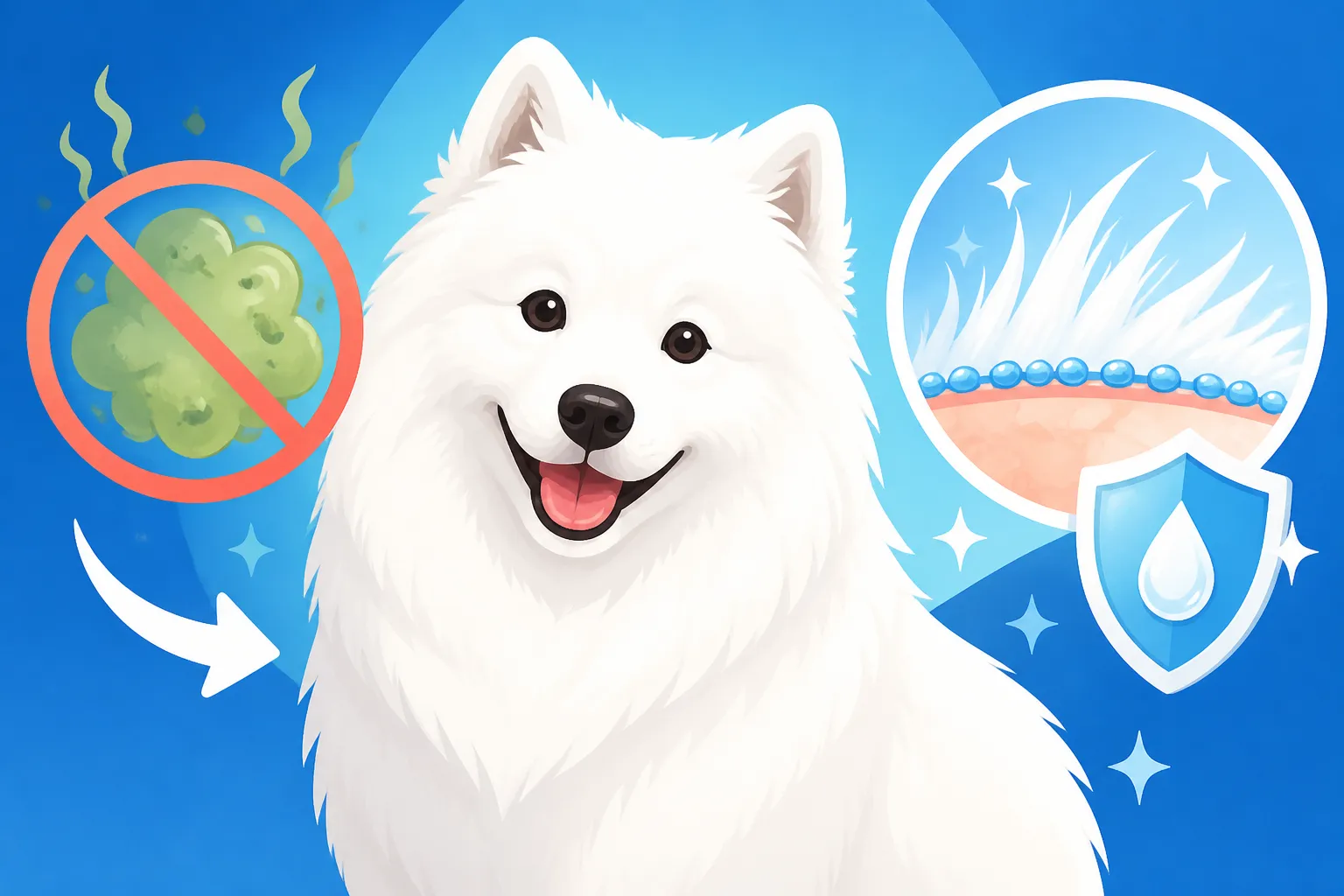
The texture of these guard hairs is crucial. They are designed to repel dirt and moisture, much like a good quality waterproof jacket. When a Samoyed runs through mud or gets a little dirty, often, once the mud dries, it simply crumbles and falls off, leaving the coat surprisingly clean. It's almost as if they have a built-in self-cleaning mechanism. This means less dirt getting trapped against the skin and less accumulation of the organic matter that often leads to unpleasant odors in other dogs. You'll find that their fur has a unique, almost lanolin-like feel to it, which further aids in this repulsion. This natural oiliness, however, isn't greasy in the way some oily dog coats can be; it's more of a protective barrier that seals out environmental grime. This is why How a Samoyed's Coat Sheds Dirt on Its Own isn't just a convenient trait, but a fundamental aspect of their breed.
More Than Just Hair: Natural Factors Contributing to Low Odor
While the coat's structure is a huge player, it’s not the only factor. Several other natural characteristics contribute to the Samoyed’s clean scent, or lack thereof. It's a combination of genetics, skin health, and inherent grooming habits that really sets them apart.
One significant factor is their skin. Samoyeds, generally speaking, tend to have less oily skin than many other breeds. Dog odor often stems from the oils and yeast that accumulate on the skin, which then interact with bacteria. Breeds with naturally oilier skin, or those prone to certain skin conditions, will often develop a stronger, more persistent smell. Because a Samoyed's skin tends to be drier, there's less of a breeding ground for these odor-causing elements. This isn't to say Samoyeds never get skin issues – they can, just like any dog – but their baseline skin chemistry leans towards less oil production.
Their genetic lineage also plays a part. As an ancient working breed, bred to live in close quarters with their human companions in tents, having a low-odor presence would have been a highly desirable trait. Imagine sharing a small, enclosed space for weeks on end with a dog that smelled strongly! Over generations, dogs with less body odor would naturally have been preferred and bred, leading to the pleasant reality we experience today. This isn't just about a thick coat; it's about centuries of selective breeding that unknowingly, or perhaps knowingly, favored a dog that didn't contribute to a pungent environment.
Furthermore, Samoyeds are often meticulous self-groomers. They might not lick themselves with the fervor of a cat, but they do tend to keep their coats quite tidy. You'll often see them nibbling at stray bits of fur, licking their paws, or generally cleaning themselves, particularly after outdoor adventures. This natural fastidiousness helps to remove loose fur, dirt, and debris that could otherwise get trapped and start to smell. This isn't just about vanity; it's another innate behavior that supports their overall cleanliness.
Maintaining the "Scentless" Samoyed: Best Practices for Owners
Even with their natural advantages, Samoyeds still need proper care to maintain their clean scent. Neglecting their hygiene can, of course, lead to odors, just like with any dog. But with a few consistent practices, you can easily keep your Samoyed smelling wonderfully fresh.
Regular brushing is paramount. Because their undercoat is so dense and sheds heavily twice a year during "coat blow" season, regular brushing prevents mats and tangles, which can trap dirt, moisture, and dead hair. These trapped elements are a primary source of odor. Brushing helps distribute natural oils, remove loose fur, and aerate the coat, preventing that stale, dusty smell. Investing in a good quality slicker brush and an undercoat rake from a retailer like Amazon or Chewy will make a huge difference. Aim for at least 2-3 times a week, and daily during a coat blow. How Often a Samoyed Needs Brushing is something you'll quickly learn the importance of!
Diet plays a surprisingly large role in a dog's overall scent. A high-quality diet that supports healthy skin and coat can minimize issues like excessive oil production or flaky skin, which can contribute to odor. Look for foods with good protein sources and healthy fats like Omega-3s. Some owners opt for fresh food diets from services like Ollie, or premium kibble available at Chewy, believing they contribute to better skin and coat health, and indeed, a neutral scent. Conversely, a poor diet, or one that causes digestive upset, can manifest as skin problems or even general body odor.
Dental hygiene is another crucial, yet often overlooked, aspect of a dog's smell. Bad breath can be pervasive, and if a dog has significant dental disease, that odor can transfer to their fur, especially around the face. Regular tooth brushing, dental chews, or professional cleanings can prevent this. Whether a Samoyed Needs Its Teeth Brushed is a question with a definite "yes!" answer if you want to keep them truly odor-free.
Finally, while Samoyeds generally resist getting stinky, external factors can introduce odors. Rolling in something foul, getting into stagnant water, or simply accumulating too much environmental grime can make any dog smell. In these cases, a bath is necessary. However, Samoyeds don't need frequent bathing; too much can strip their natural oils. How Often a Samoyed Should Be Bathed is usually far less often than you might think. When you do bathe them, ensure you dry their double coat thoroughly to the skin to prevent mildewy smells. Drying a Samoyed to the Skin is a multi-hour process that requires patience and a high-velocity dryer!
When a Samoyed Does Smell: Troubleshooting Common Causes
Despite their natural predisposition for cleanliness, if your Samoyed does develop an undeniable odor, it’s a clear sign that something is amiss. This isn't usually just "dog smell"; it often points to an underlying issue that needs addressing. Don't ignore a persistent smell, as it can be your dog's way of telling you they need help.
| Common Dog Odor Source | Samoyed Tendency (Typically Low) | What to Check if Your Samoyed Smells Here |
|---|---|---|
| Body/Skin Odor | Low natural oil production, dirt-repelling coat | Skin infections (bacterial, yeast), allergies, hormonal imbalance, poor diet, matted coat |
| Ears | Can still get ear infections | Ear infections (yeast, bacterial), ear mites, excessive moisture after swimming |
| Mouth/Breath | Prone to dental disease if neglected | Dental disease, retained puppy teeth, oral infections, kidney disease |
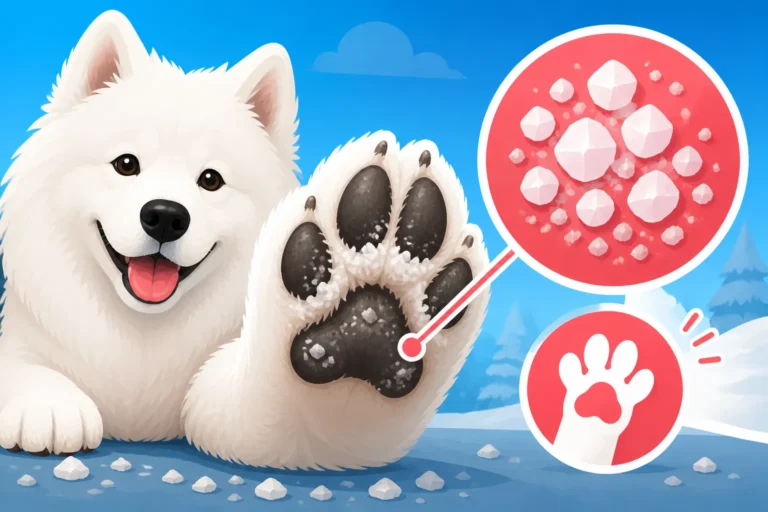
| Feet/Paws | Can accumulate yeast or dirt | Yeast infections between pads, foreign objects, dirty paws after walks |
| Anal Glands | Can become impacted | Impacted or infected anal glands (fishy smell) |
| Urine/Feces | Can get on coat from accidents or diarrhea | Urinary tract infection, incontinence, diarrhea |
If you notice a strong, unpleasant smell coming from your Samoyed, your first step should be a thorough check-over. Start with their ears. Samoyeds have upright ears, which can sometimes collect moisture or debris, leading to infections. Whether a Samoyed's Ears Need Cleaning is an important routine check. A yeasty or foul smell from the ears is a red flag. Next, check their paws, especially between the pads, for any redness, irritation, or foreign objects, which can harbor bacteria or yeast.
Run your hands through their coat, feeling for any lumps, bumps, or areas of moisture that could indicate a skin infection or "hot spot." These can fester under their dense fur if not caught early. Whether a Samoyed Gets Hot Spots Under Its Coat is a definite possibility, especially in humid conditions or if they have underlying allergies. Lift their tail and check their rear for any signs of fecal matter stuck in the fur, or issues with their anal glands, which can produce a very distinct, foul, "fishy" odor if impacted.
Finally, consider their mouth. Halitosis can stem from dental problems like tartar buildup, gingivitis, or even an abscess. If you rule out these external and more obvious causes, and the smell persists, it’s always best to consult your veterinarian. A persistent, unexplained odor can sometimes be a subtle symptom of a more serious internal health issue, such as kidney disease or diabetes. How a Samoyed Hides Illness Behind a Smile reminds us that they are masters at masking discomfort, so a noticeable change like body odor should never be dismissed. A vet can diagnose underlying conditions and recommend appropriate treatments, ensuring your Samoyed not only smells fresh but is also healthy from the inside out.
Disclaimer
This article is for general informational purposes only and does not constitute professional advice. Laws, prices and regulations vary by location and change over time. Consult a qualified professional for guidance on your specific situation.