How a Samoyed Treats a Cat
Samoyed behavior around cats stems from herding instincts, prey drive, and sociability rather than automatic aggression or malice.

Samoyed behavior around cats stems from herding instincts, prey drive, and sociability rather than automatic aggression or malice.

Samoyed compatibility with multi dog households depends on Siberian pack history, early socialization, and controlled introductions.

Samoyed social dynamics, pack instincts, and early socialization explain how two dogs interact and live peacefully together in one home.

Samoyed social behavior with other dogs involves nuanced communication, pack instincts, and selective friendliness requiring careful observation.

Samoyed breed history alongside nomadic Nenets people in Siberia explains why these friendly dogs welcome strangers instead of guarding homes.

Samoyed friendliness stems from Nenets people breeding gentle dogs that slept inside family tents to keep children warm.

Samoyed barking habits and friendly behavior toward strangers explain why these dogs greet unknown people with tail wags.

Bred by the Nenets to herd reindeer, pull sleds and comfort families, the Samoyed was selected for friendliness, so it greets strangers as friends, not threats.
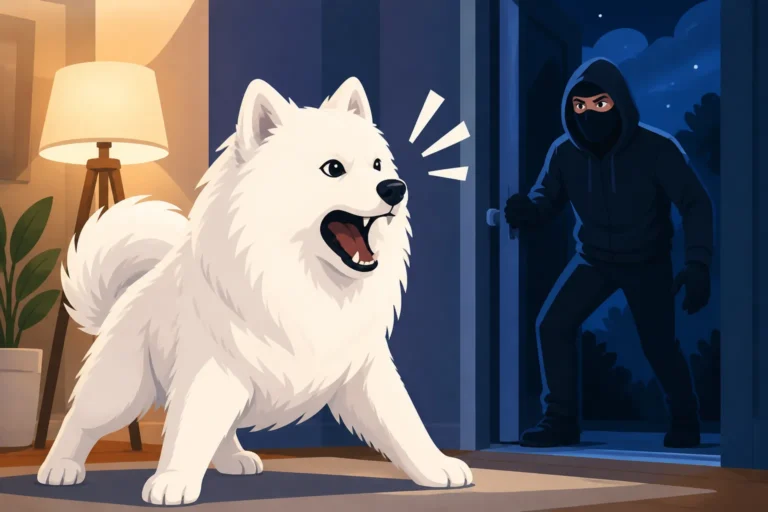
Samoyed behavior toward an unexpected intruder is actually quite friendly because centuries of breeding prioritized human companionship over guarding.

Samoyed temperament traits, vocalizations, and prey drive explain why public dog parks create safety risks for this fluffy breed.