Whether a Samoyed Belongs at a Dog Park
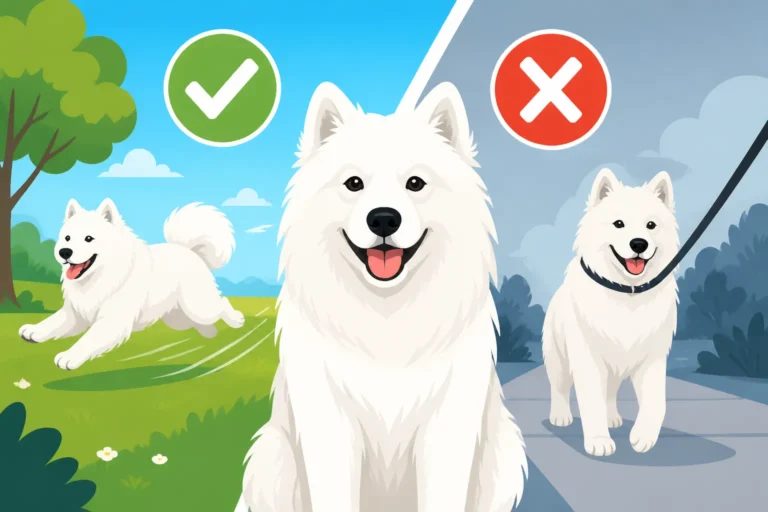
It’s a common scenario: you’ve got your beautiful Samoyed, full of boundless energy and that iconic smile, and you naturally think, "The dog park! A perfect place for them to run, play, and socialize!" While the idea is lovely, and certainly well-intentioned, the reality for many Samoyed owners is that dog parks can be a surprisingly risky and often overwhelming environment for our beloved cloud dogs. This guide will delve into why a Samoyed might not always thrive in a typical dog park setting and explore safer, more enriching alternatives for their unique needs.
The Samoyed Temperament: More Complex Than It Looks
Our Samoyeds are renowned for their friendly, outgoing personalities, often earning them the nickname "Smiley Sammy." They adore people and generally get along well with other dogs, which naturally leads many to believe a dog park is their ideal playground. However, there's a nuanced side to their temperament that often gets overlooked when thrown into the unpredictable chaos of a public dog park.
Natural Friendliness vs. Dog Park Dynamics
A Samoyed's default setting is often "hello, friend!" They greet everyone with exuberance, often involving playful vocalizations and a bouncy approach. In a structured environment, like a puppy class or a pre-arranged playdate, this friendliness is a huge asset. They want to be part of the fun and rarely initiate conflict.
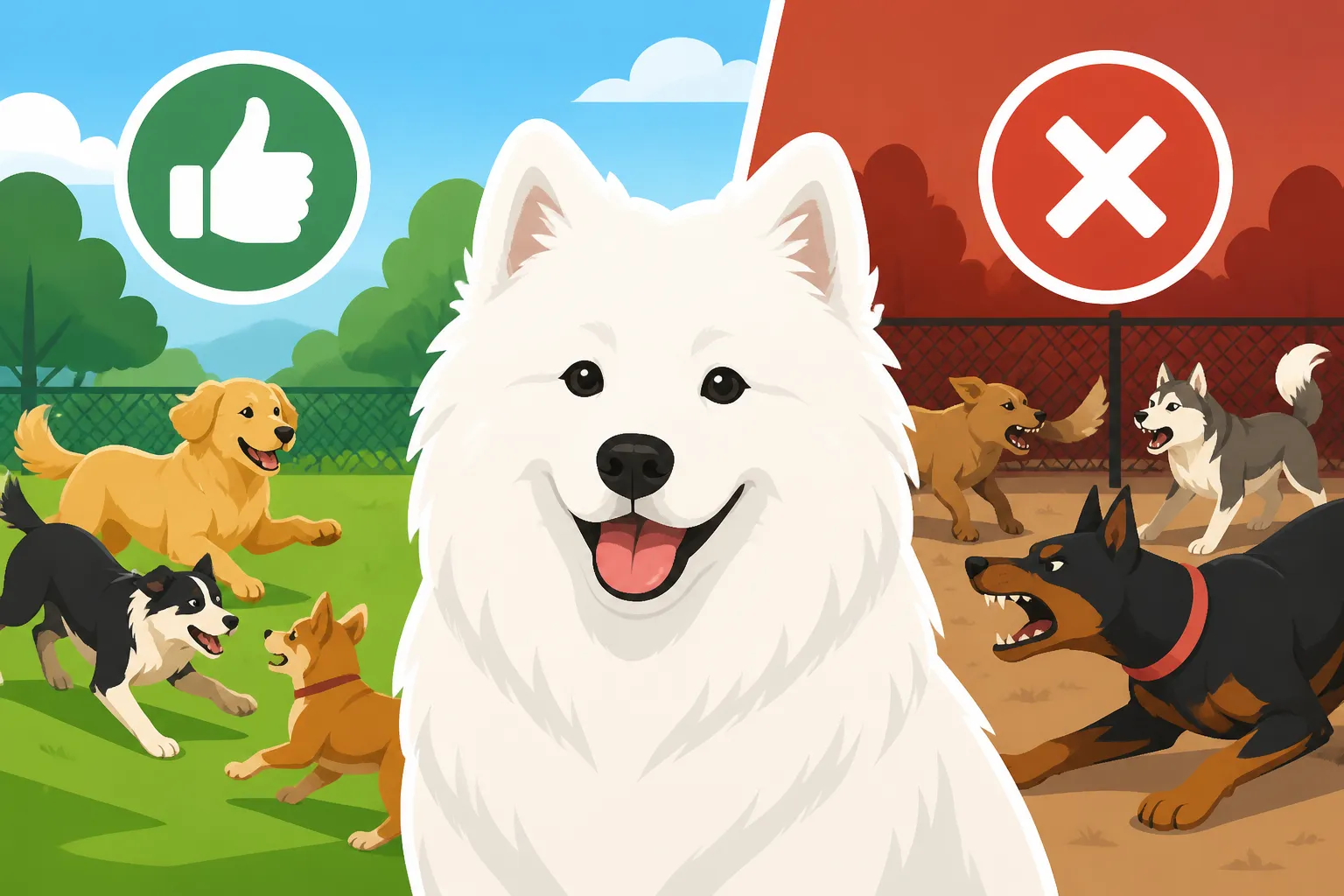
However, a dog park is rarely a structured environment. It's a melting pot of dog personalities, play styles, and owner supervision levels. A Samoyed's enthusiastic greeting might be too much for a shy or anxious dog, leading to a negative interaction. Conversely, their trusting nature can make them vulnerable to less-than-friendly dogs who might take advantage of their open approach. They're not wired for subtle cues or canine politics in the same way some other breeds are, which can put them at a disadvantage when encountering a dominant or aggressive dog whose owner isn't paying attention. It’s not that your Sammy is unfriendly; it’s that their brand of friendliness might not always translate well in a free-for-all.
Instinctive Behaviors and Potential Conflicts
Remember, Samoyeds are Spitz breeds, developed for working alongside humans, herding reindeer, and pulling sleds in harsh environments. While their guarding instincts were often focused on alerting to strangers rather than aggressive protection, they still possess certain inherent traits. One often-surprising instinct is their prey drive. While generally good-natured, a Samoyed might become fixated on a small, fast-moving dog, especially if it mimics the movement of small prey. What starts as playful chasing can quickly become overwhelming or frightening for the smaller dog, potentially escalating into an unpleasant situation.
Another factor is their vocalizations. Samoyeds are famously talkative. They don't just bark; they "woo-woo," they sing, they grumble, and yes, sometimes they "scream" with excitement or frustration. What a Samoyed Sounds Like When It Talks This rich vocabulary, while endearing to us, can be perceived as aggressive or overly boisterous by other dogs and their owners. Imagine your Sammy doing their happy "scream" when another dog approaches, only for that dog to misinterpret it as a challenge. It's a recipe for misunderstanding, and you might find yourself constantly apologizing or explaining your dog's unique communication style. Their play style, too, often involves body-slamming, chasing, and a good deal of rough-and-tumble, which not all dogs appreciate or are equipped to handle.
Safety Concerns and Unforeseen Risks
Beyond temperament mismatches, dog parks present several very real safety concerns that Samoyed owners need to seriously consider. Our beautiful, fluffy companions have specific physical traits that can turn a seemingly innocent outing into a dangerous situation.
The Double-Edged Sword of Their Gorgeous Coat
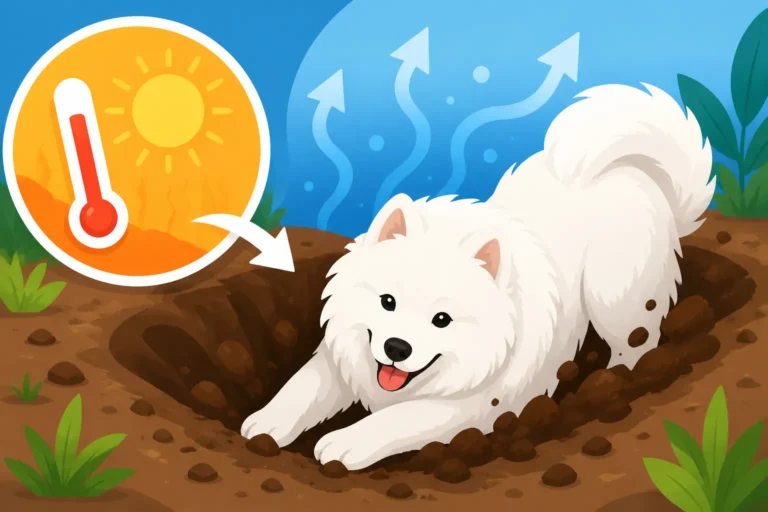
That magnificent double coat, one of the Samoyed's most striking features, is a marvel of insulation. It's designed to keep them warm in freezing arctic temperatures. A Samoyed Built for Sixty Below in an American Summer However, this fantastic insulation works both ways. In warm weather, or during intense physical activity, that dense coat can quickly lead to overheating. Even on a mild day, a highly active Samoyed running and playing at a dog park can reach dangerous body temperatures much faster than a short-coated breed. Signs of overheating can be subtle at first, and in a busy dog park, it’s easy to miss until it’s severe.
Furthermore, their thick fur can act like a cloak, hiding minor injuries such as nips, scratches, or punctures from other dogs. You might not discover a wound until hours later when you're grooming them at home, potentially delaying necessary veterinary care. And speaking of grooming, a romping session in a muddy or dusty dog park, especially if they get wet, can lead to serious matting, particularly behind the ears, under the legs, and on the tail. Where a Samoyed Mats First What was meant to be a fun outing can turn into hours of painful dematting, or even a trip to the groomer, which can be quite costly.
Encountering Ill-Mannered Dogs and Owners
This is perhaps one of the biggest and most unpredictable risks of dog parks. You can have the best-behaved, most social Samoyed in the world, but you cannot control the other dogs or their owners. You will encounter dogs with poor recall who harass other dogs incessantly. You will see owners engrossed in their phones, completely oblivious to their dog's aggressive posturing or bullying behavior. You might even encounter dogs who are genuinely aggressive or poorly socialized, and a friendly, fluffy Samoyed can become an easy target.
Even if a serious fight doesn't break out, constant negative interactions – being jumped on repeatedly, being chased unwillingly, or being snapped at – can quickly erode your Samoyed's confidence and turn them into a dog who dreads seeing other dogs, rather than enjoying their company. Moreover, dog parks are high-traffic areas where parasites like fleas, ticks, and intestinal worms are easily transmitted. More seriously, infectious diseases like kennel cough, canine influenza, and even parvo (for unvaccinated puppies or compromised adults) can spread rapidly in such environments. The risk of coming home with more than just dirt on their paws is significant.
Samoyed Escape Artists and Unreliable Recall
Samoyeds, for all their charm, are notorious for their independent streak and their exceptional ability to escape. They are problem solvers when it comes to fences and gates. A poorly latched gate at a dog park, or a moment of distraction while you're opening or closing it, could be all it takes for your quick-thinking Sammy to make a dash for freedom. How a Samoyed Gets Out of Anything You Build Once they're out, their prey drive, love of exploration, and often questionable recall skills combine to create a truly terrifying situation.
While training a reliable recall is paramount for any dog owner, it's particularly challenging with a Samoyed. They're intelligent, but often choose to listen only when it suits them, especially if there's a more interesting smell or a squirrel to chase. Why a Samoyed's Recall Cannot Be Trusted In the high-stimulus environment of a dog park, even a normally decent recall can fail spectacularly. The sight of a bird, another dog running outside the fence, or simply the thrill of an unexpected escape can override all your training. For this reason, many Samoyed owners opt for safety measures like a GPS collar, which can provide a little peace of mind should the unthinkable happen, and you can find many reliable options on Amazon. But even the best technology is no substitute for a secure environment.
Better Alternatives for Samoyed Socialization and Exercise
So, if dog parks aren't the ideal solution, what's a loving Samoyed owner to do? The good news is there are plenty of wonderful, safer, and often more enriching ways to ensure your Samoyed gets the exercise and socialization they need without the inherent risks of a public dog park.
Structured Playdates and Small Groups
Instead of the free-for-all of a dog park, consider arranging structured playdates with dogs you know and trust. This allows you to hand-pick compatible playmates for your Samoyed, ensuring a positive experience. You can choose a secure, neutral location like a friend's fenced yard or a rented sniff spot. This way, you control the environment, the number of dogs, and the duration of play, minimizing stress and maximizing fun.
Enrolling your Samoyed in small group training classes or dog sports is another fantastic option. Activities like obedience, rally, agility, or even trick training provide controlled socialization opportunities while engaging their minds and bodies. Imagine the joy of seeing your Samoyed navigate an agility course Whether a Samoyed Can Do Agility or earn a sledding title Whether a Samoyed Can Earn a Sledding Title – these activities build confidence, strengthen your bond, and fulfill their working dog instincts in a safe, productive way. Reputable training organizations, or even online platforms like BAXTER & Bella, offer resources and guidance for structured socialization that can be incredibly beneficial.
Leashed Adventures and Controlled Off-Leash Areas
Long, engaging walks on a leash are an underrated form of exercise and mental stimulation for Samoyeds. Exploring new neighborhoods, hiking trails, or even just a brisk walk around the block provides ample sniffing opportunities, which is incredibly enriching for dogs. Focus on varied environments and allow plenty of time for them to investigate smells. A well-fitted harness is key here to prevent strain on their neck and throat, especially if they have a tendency to pull.
For controlled off-leash time, seek out privately rented, fully fenced areas specifically designed for dog exercise. These "sniff spots" often have tall, secure fencing and minimal distractions, allowing your Samoyed to run freely without the worry of escape or unwanted interactions. Another excellent tool is a long line. Whether a Long Line Is Enough for a Samoyed A 30 to 50-foot training leash allows your Samoyed to explore and run in a large open space (like a field or quiet beach) while still being tethered to you for safety. This provides the illusion of off-leash freedom without the risk of an unreliable recall. Always ensure the area is safe and free of hazards before using a long line.
Mental Stimulation and Enrichment at Home
Remember, a tired Samoyed isn't just physically tired; they're mentally tired too. Their intelligence and problem-solving abilities mean they need mental stimulation as much as, if not more than, physical exercise. Incorporate puzzle toys into their daily routine, making them "work" for their meals or treats. Chew toys, snuffle mats, and food-dispensing toys can keep them engaged and prevent boredom-induced mischief.
Regular, short training sessions at home can be incredibly effective. Teach them new tricks, practice their basic obedience cues, or even introduce them to scent work. Whether a Samoyed Takes to Scent Work Hiding treats around the house and encouraging them to find them is a simple yet powerful form of enrichment. A mentally stimulated Samoyed is a much happier, calmer dog, less prone to destructive behaviors like digging up the yard or chewing on furniture. What a Bored Samoyed Does to a House Investing in a variety of these toys and activities, many of which are readily available on Amazon, can significantly improve their quality of life.
Preparing for Any Off-Leash Scenario
Even if you decide against regular dog park visits, life happens. There might be an occasion where your Samoyed finds themselves off-leash, or in a new social situation. Being prepared means having a solid foundation of training and understanding for both you and your furry friend.
Solid Obedience Foundations
For a Samoyed, consistent training isn't just about good manners; it's about safety. While Samoyeds can sometimes be perceived as "negotiable" in their obedience Training a Samoyed That Finds Obedience Negotiable, with patience and positive reinforcement, you can build a strong foundation. Focus intensely on cues like "come," "stay," "leave it," and "drop it." These aren't just tricks; they are lifesavers. A strong "leave it" can prevent them from ingesting something dangerous, and a reliable "come" is essential in any off-leash scenario, planned or accidental.
Practice these commands in various environments, gradually increasing distractions. Start in a quiet room, then move to the backyard, then a park on a long line. Reward heavily and consistently for success. Remember, for a Samoyed, motivation is key. Figure out what truly drives them – whether it's a high-value treat, a favorite squeaky toy, or enthusiastic praise – and use it to your advantage during training.
Understanding Dog Body Language
As your Samoyed's advocate, it's crucial for you to become fluent in canine body language, not just your own dog's, but that of other dogs as well. Learn to recognize signs of stress, fear, anxiety, or aggression in dogs. This knowledge empowers you to intervene before a situation escalates. If you see another dog with a stiff posture, whale eye, or growling subtly, it’s a clear signal to remove your Samoyed from the area immediately.
Conversely, understanding your own Samoyed's cues can help you determine if they are becoming overwhelmed or uncomfortable, even if they're not overtly showing aggression. Are their ears flattened? Are they lip licking excessively? Are they trying to hide behind you? These are all signs that they might be having a less-than-positive experience. Being able to read these signals means you can extract them from a potentially stressful situation, protecting their emotional well-being and preventing future negative associations.
Knowing When to Leave
This is arguably the most important lesson for any dog owner, especially with a Samoyed. It’s absolutely okay to leave. If a dog park (or any social situation) doesn't feel right, if the energy is too chaotic, if there are too many unruly dogs, or if your Samoyed is showing signs of stress or discomfort, do not hesitate to leave. Your dog's safety, both physical and emotional, is your top priority.
There's no shame in deciding that a particular environment isn't suitable for your furry companion. In fact, it's a sign of responsible and caring ownership. Don't feel pressured by other owners or by the idea that your dog "needs" to be there. Trust your gut instinct. If you observe bullying, overly rough play, or disengaged owners, simply gather your Samoyed and calmly exit. There are always other, better ways to fulfill their needs.
| Feature | Dog Park Experience | Controlled Socialization Alternatives |
|---|---|---|
| Supervision | Minimal, reliant on individual owners | High, owner-directed or professional oversight |
| Dog Selection | Random, unknown temperaments and play styles | Curated, known compatible dogs |
| Environment | Unpredictable, potential hazards | Secure, tailored to dog's comfort and safety |
| Injury Risk | Higher due to unknown dogs, unseen conflicts | Lower, controlled interactions reduce risk |
| Disease Risk | Higher due to high traffic, shared spaces | Lower, fewer unknown dogs, cleaner environments |
| Recall Success | Lower due to high distractions, independent nature | Higher, practiced in controlled, less distracting areas |
| Overheating Risk | Higher, especially with intense, uncontrolled play | Managed, allows for breaks and controlled exertion |
| Mental Enrichment | Can be stimulating but often chaotic | Targeted activities like training, scent work, puzzles |
| Bonding | Can be fragmented, dog focused on other dogs | Strengthened through joint activities and training |
Disclaimer
This article is for general informational purposes only and does not constitute professional advice. Laws, prices and regulations vary by location and change over time. Consult a qualified professional for guidance on your specific situation.