How a Samoyed Behaves With Other Dogs
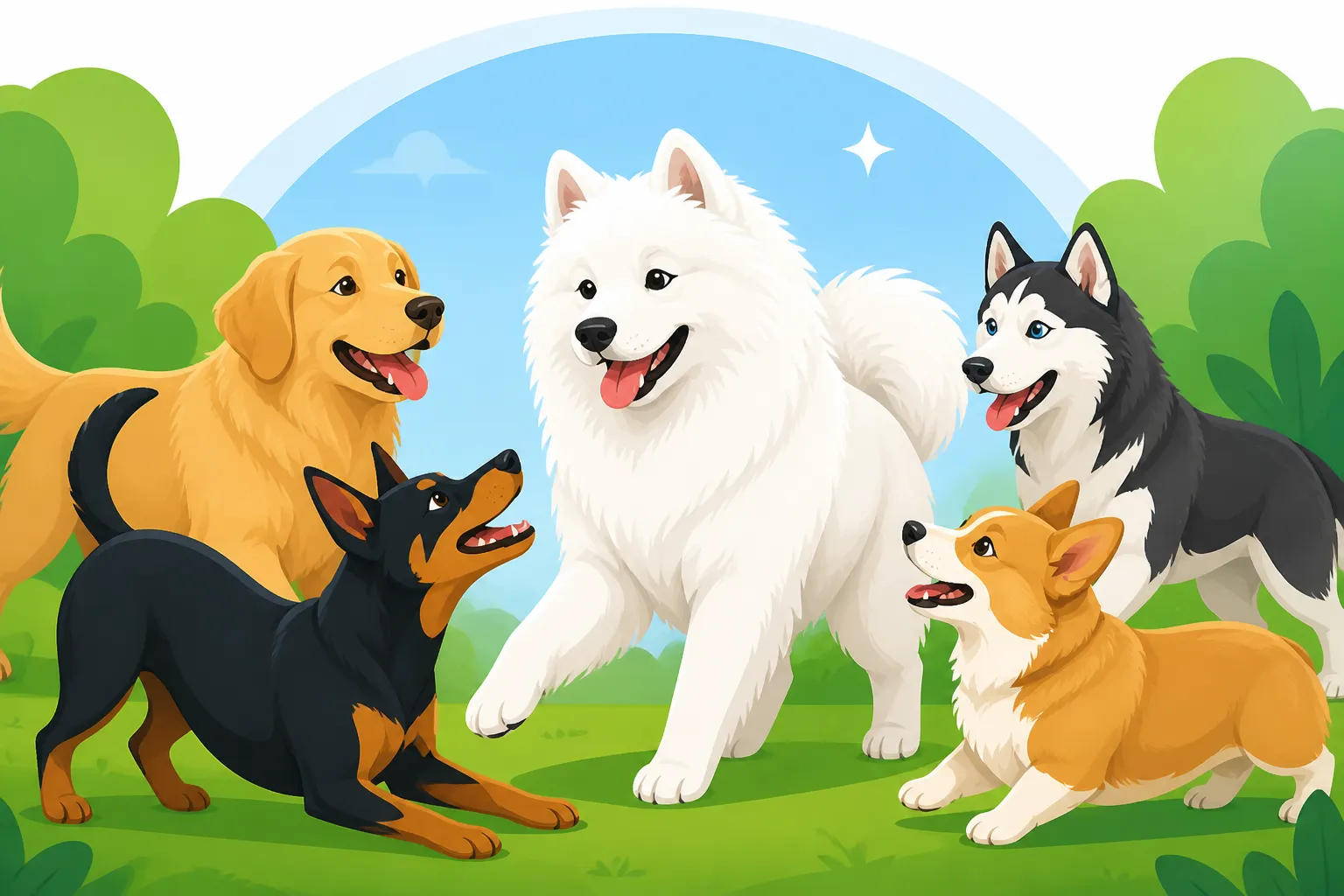
It’s a common sight to see a Samoyed with that iconic, smiling face, looking like the happiest dog on earth. Naturally, many people assume this translates to being endlessly friendly with every other dog they meet. While Samoyeds are generally known for their good nature, their interactions with other canines can be far more nuanced and, at times, downright challenging if you don't understand their unique communication style and inherent instincts. This guide will walk you through the typical behaviors you can expect from your Samoyed when they encounter other dogs, helping you anticipate potential issues and foster positive relationships.
Understanding the Samoyed's Social Nature with Other Dogs
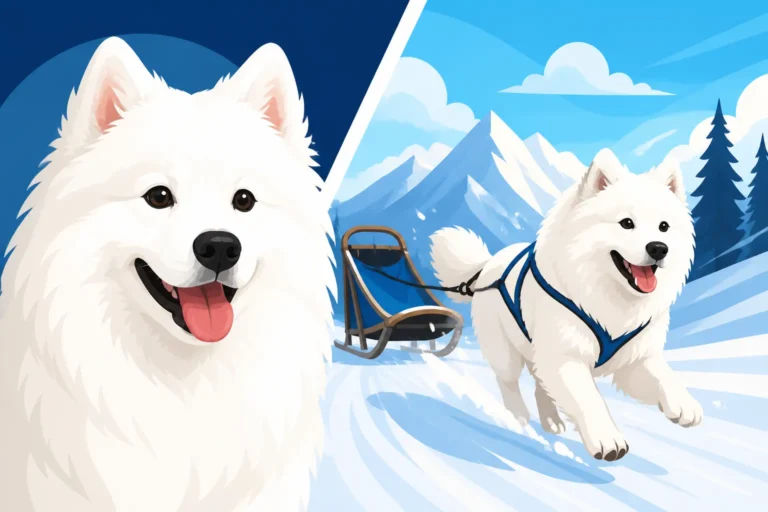
Samoyeds are, at their core, pack animals. They were bred to live and work closely with both humans and other dogs, pulling sleds and herding reindeer in vast, open spaces. This background often makes them quite social, but that socialization often comes with a strong sense of self-preservation and a distinct way of communicating that isn't always universally understood by every breed. They can be incredibly affectionate and playful, yet also have a stubborn streak and a desire for personal space.
The Friendly Façade: More Nuanced Than It Seems
That famous "Samoyed smile" is genuinely charming, but it's important not to misinterpret it as an automatic invitation for every dog to rush up and engage. While many Samoyeds are indeed outgoing and love to play, especially with dogs that match their energy and play style, they can also be selective. Some Samoyeds prefer the company of their established "pack" – whether that's their human family or other dogs they've grown up with – and might be less enthusiastic about strangers. They might tolerate new dogs politely, but not necessarily seek intense interaction.
It's crucial to observe your Samoyed's entire body language, not just their facial expression. Are their ears perked or laid back? Is their tail wagging loosely or held stiffly over their back? Are they leaning into the interaction or trying to create distance? A friendly Samoyed will have relaxed body posture, a loose wagging tail, and may even offer a play bow. Conversely, a stiff body, direct stare, or averted gaze could indicate discomfort. Sometimes, their playful nips and vocalizations might be misinterpreted by more sensitive or less boisterous breeds, leading to misunderstandings.
Puppy Socialization: Setting the Stage for Success
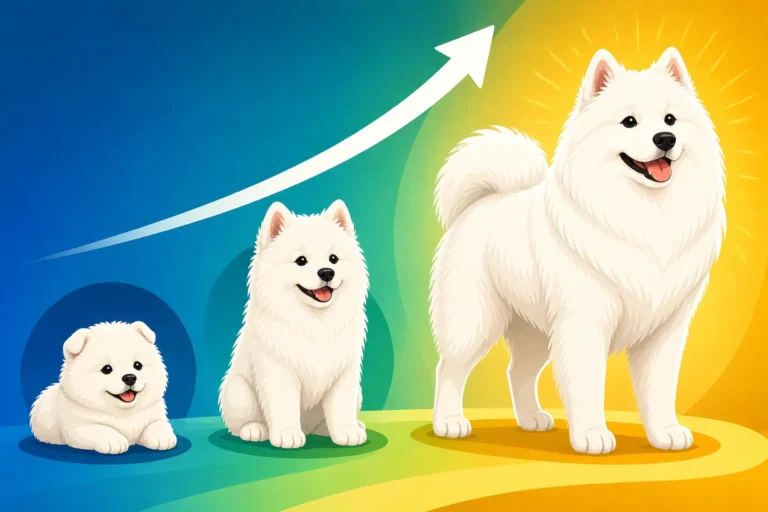
The foundation for positive dog-dog interactions is laid during puppyhood. Proper socialization is absolutely vital for a Samoyed. This isn't just about letting your puppy meet every dog on the street; it's about controlled, positive exposure to a wide variety of dogs, environments, sounds, and people. A well-run puppy class, where interactions are supervised by experienced trainers, can be incredibly beneficial. Companies like BAXTER & Bella offer excellent online resources and training programs that can guide new puppy owners through this critical phase, helping you understand how to introduce your puppy safely and effectively to new experiences.
Early and consistent positive experiences help your Samoyed develop confidence and appropriate social skills. Without it, a naturally friendly Samoyed might become fearful or reactive, simply because they haven't learned how to read and respond to other dogs' cues. However, remember that even the best socialization doesn't guarantee your Samoyed will be best friends with every dog. Each dog has its own personality, and your Samoyed will too. Aim for polite indifference or calm curiosity rather than forced friendships. Always prioritize quality interactions over quantity.
Navigating Common Challenges in Dog-Dog Interactions
Even with the best intentions and thorough socialization, living with a Samoyed and navigating their interactions with other dogs can present specific challenges. Their breed traits, while endearing to us, aren't always universally appreciated by all canine companions. Understanding these common hurdles can help you intervene appropriately and manage situations before they escalate.
Different Play Styles and Misunderstandings
Samoyeds are often enthusiastic, boisterous players. Their play can involve a lot of vocalizations – the famous "Samoyed scream" or talk – as well as nipping, chasing, and body slamming. While this might be perfectly acceptable and even enjoyable for another robust northern breed or a similarly energetic dog, it can be overwhelming or misinterpreted by smaller, more sensitive, or less tolerant breeds. A Samoyed might not realize their playful pounce is too much for a Cavalier King Charles Spaniel, or that their loud "woo-woo" sounds alarming to a shy Greyhound.
Their herding instinct, while often dormant in pet Samoyeds, can sometimes manifest in chasing behaviors, particularly with smaller, fast-moving dogs. This isn't aggression, but an instinct to gather and control movement, which can understandably upset the dog being "herded." It’s important to be aware of your Samoyed’s play style and match them with appropriate playmates. Dog parks can be tricky environments for Samoyeds for this very reason – not all dogs or owners appreciate their intense play. Instead, consider playdates with known, compatible dogs or structured daycare environments that supervise play groups closely.
Leash Reactivity and Over-Excitement
Many Samoyeds, despite their generally friendly nature, can develop leash reactivity. This often stems from frustration or over-excitement rather than true aggression. When they see another dog while on a leash, they might bark, lunge, or pull relentlessly. This behavior isn't about wanting to fight; it's usually about wanting to get to the other dog, to greet them, or to play, but being restrained. The leash acts as a barrier, intensifying their desire.
Managing leash reactivity requires consistency and training. Tools like a front-clip harness or a head halter, easily found on platforms like Amazon, can provide better control than a standard collar. Working on foundational obedience cues like "look at me," "sit," and "stay" in low-distraction environments, then gradually introducing other dogs at a distance, is key. The goal is to teach your Samoyed that seeing another dog while on leash means looking at you for a reward, rather than erupting in excitement. Professional trainers or online programs, such as those offered by BAXTER & Bella, can provide invaluable guidance for these situations. Proofing a Samoyed's Recall is also vital here, as a strong recall helps manage off-leash greetings.
Resource Guarding and Boundaries
While Samoyeds are generally not known for intense resource guarding, it can occur, particularly with high-value items like favorite toys, special treats, or even prime sleeping spots. This isn't unique to Samoyeds; many breeds can exhibit this behavior. It's about a dog's natural instinct to protect what they perceive as theirs.
It's essential to recognize the subtle signs of resource guarding early on: a stiffening of the body, a hard stare, growling, or even snapping if another dog (or human) approaches their prized possession. Management is crucial. In a multi-dog household, always feed dogs separately, in their own crates or different rooms. Pick up all toys when you can't supervise. Teach your Samoyed a strong "drop it" and "leave it" cue. If you're observing significant resource guarding, seeking guidance from a certified professional dog trainer or behaviorist is highly recommended. For more on their natural inclinations, you might be interested in The Herding Instinct Nobody Expects From a Samoyed.
Introducing a New Dog into Your Samoyed's Life
Bringing a new dog into a household that already has a Samoyed can be an incredibly rewarding experience, but it requires careful planning and a slow, methodical approach. Rushing introductions can lead to stress, conflict, and a rocky start to what should be a harmonious multi-dog home. Samoyeds thrive on routine and clear expectations, and a new addition can disrupt that significantly if not handled properly.
Slow and Steady: The Key to Successful Introductions
The first impression truly matters when introducing a new dog to your existing Samoyed. Start introductions in a neutral territory, away from your home or yard, perhaps a park or an open field. Both dogs should be on leashes, handled by separate people. Keep the first few meetings brief and calm. Allow them to sniff each other from a distance initially, then slowly move closer, walking parallel to each other. Avoid direct face-to-face greetings at first, as these can be intimidating.
Look for relaxed body language: loose tails, soft eyes, gentle sniffing. If either dog shows signs of stress (lip-licking, yawning, stiff body, growling, excessive barking), increase the distance or end the session. Never force interaction. Once they seem comfortable on neutral ground, you can bring them home. Introduce them to the yard first, then one room at a time, always supervised. Keep the new dog's belongings separate, especially food and high-value toys, to prevent potential resource guarding. Crates, which you can find a wide variety of on Amazon, can be incredibly useful for safe, supervised downtime for both dogs during this period. For insights into ensuring comfort, consider reading Whether a Samoyed Suits a Multi Dog Household.
Creating Harmonious Multi-Dog Households
Once the initial introductions have gone smoothly, the work isn't over. Building a harmonious multi-dog household with a Samoyed takes ongoing effort and management. Establish clear routines for feeding, walks, and playtime. Always feed dogs separately to prevent competition. Ensure each dog has their own dedicated space – a crate, a bed, or a quiet corner – where they can retreat and feel safe.
Supervise all interactions, especially in the early weeks and months. Look for signs of stress or discomfort and be ready to intervene calmly. Continue with individual training sessions for each dog, reinforcing good manners and obedience. Regular exercise for both dogs, together and separately, can help burn off excess energy and reduce tension. Most importantly, remember that friendships take time to develop. Don't expect instant best friends. With patience, consistent management, and understanding of your Samoyed's unique personality, you can foster a loving multi-dog home. You might find further reading in A Samoyed With Children and Other Animals helpful for understanding their broader family dynamics, or Whether a Samoyed Can Be Left Alone for managing their time apart.
Here's a quick overview of typical Samoyed play styles versus how other dogs might perceive them:
| Samoyed Play Behavior | Typical Intent | Potential Misinterpretation by Other Dogs (or Owners) | Recommended Management |
|---|---|---|---|
| Vocalizations (Screams, Woos) | Excitement, Engagement | Aggression, Distress, Alarm | Educate other owners; pair with dogs tolerant of noise; manage proximity in quiet spaces. Teaching a Samoyed a Quiet Cue |
| Body Slams/Pounces | Invitation to rough play | Overly aggressive, Rude, Dominant | Match with equally robust playmates; intervene if intensity is too high for the other dog. |
| Chasing | Herding instinct, Play | Predatory, Aggressive pursuit | Supervise closely; redirect if chasing becomes obsessive; use a long line in open spaces. |
| Nipping/Mouthiness | Playful interaction | Aggression, Biting | Teach bite inhibition early; redirect to toys; avoid play with mouth-sensitive dogs. |
| Stiffening/Staring | Assessment, Caution | Challenge, Aggression | Interrupt with a "come" or "leave it"; increase distance; avoid forcing direct greetings. |
Ultimately, while Samoyeds generally possess a friendly disposition, their interactions with other dogs are shaped by their individual personality, early socialization, and your ongoing guidance. By understanding their unique communication style and being a proactive, observant owner, you can ensure your Samoyed enjoys positive and safe relationships with canine companions. What a Samoyed Will Work For and Training a Samoyed That Finds Obedience Negotiable can offer useful insights into motivating your particular Samoyed in training situations.
Disclaimer
This article is for general informational purposes only and does not constitute professional advice. Laws, prices and regulations vary by location and change over time. Consult a qualified professional for guidance on your specific situation.