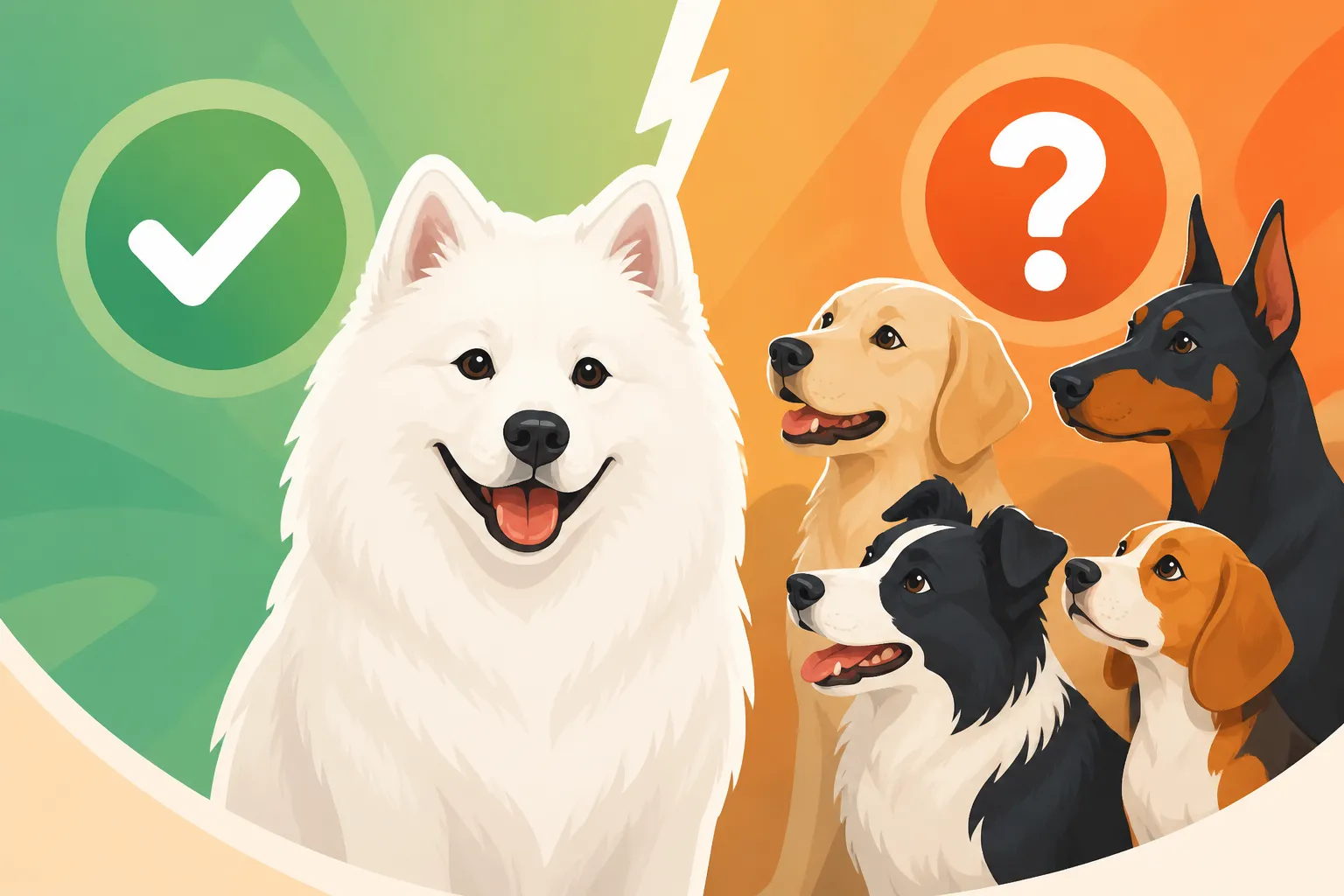
Whether a Samoyed Suits a Multi Dog Household
Bringing a new dog into a home that already has a furry resident can feel like navigating a minefield, and when that new resident is a Samoyed, a breed known for its strong personality and incredible vocalizations, the questions multiply. Many of us dream of a multi-dog household, imagining harmonious play and endless cuddles, but the reality can be far more complex, especially with a breed as unique as the Samoyed. This guide will dive deep into how Samoyeds typically adapt to living with other dogs, the challenges you might face, and practical steps to foster a peaceful, happy multi-dog pack.
The Samoyed's Social Fabric: Understanding Their Innate Pack Instincts
Samoyeds are, at their core, deeply social animals. This isn't just about their love for human companionship; it extends significantly to how they interact with other dogs. Understanding their historical roots can shed a lot of light on why they often thrive in a multi-dog setup.
A History of Community Living
Imagine the ancestral home of the Samoyed, in the freezing Siberian expanses. These dogs weren't solitary hunters or isolated guardians. They were integral members of the nomadic Nenets tribes, living in close quarters not only with humans but also with other dogs. They pulled sleds together, herded reindeer in teams, and even slept huddled with families in tents for warmth. This history means they were inherently bred to cooperate and coexist. You won't typically find the kind of inherent dog-on-dog aggression that might be seen in some other breeds with a more solitary or protective history.
Because of this background, many Samoyeds naturally seek out canine companionship. They often enjoy the rough-and-tumble play, the shared explorations, and the simple presence of another dog. They understand pack dynamics, even if their idea of who's in charge might sometimes differ from yours! It’s this deep-seated need for connection that often makes them excellent candidates for a multi-dog household, assuming the proper introductions and management are in place. They truly appreciate having a buddy to share their world with, whether it's another Samoyed or a different breed entirely.
The Importance of Early Socialization
While Samoyeds generally have a good disposition towards other dogs, it's not an automatic guarantee of harmony. Just like with humans, individual experiences shape personality. Early, positive socialization during puppyhood is absolutely crucial. A Samoyed puppy exposed to a wide variety of friendly, stable dogs of different sizes, breeds, and temperaments learns vital canine communication skills. They learn how to play appropriately, how to read signals, and when to back off.
If your Samoyed missed out on this critical socialization window, perhaps due to circumstances beyond your control, introducing them to a new dog as an adult can be more challenging but certainly not impossible. An adult Samoyed who hasn't had much positive dog interaction might be hesitant, fearful, or even overly exuberant and clumsy in their greetings, which can be misinterpreted by other dogs. In these cases, it’s vital to seek professional guidance, perhaps from a certified dog trainer or behaviorist. They can help you slowly and safely expose your Samoyed to other dogs in a controlled environment, rebuilding their confidence and social skills. Resources like online training platforms, such as BAXTER & Bella, offer structured programs that can guide owners through socialization steps, even for adult dogs, ensuring a consistent and positive approach.
Thoughtful Introductions: Paving the Way for Canine Friendship
Bringing a new dog into an existing canine household needs to be handled with care and patience. You can't just toss them together and hope for the best, especially when you're talking about a Samoyed's spirited personality.
Gradual and Controlled Introductions
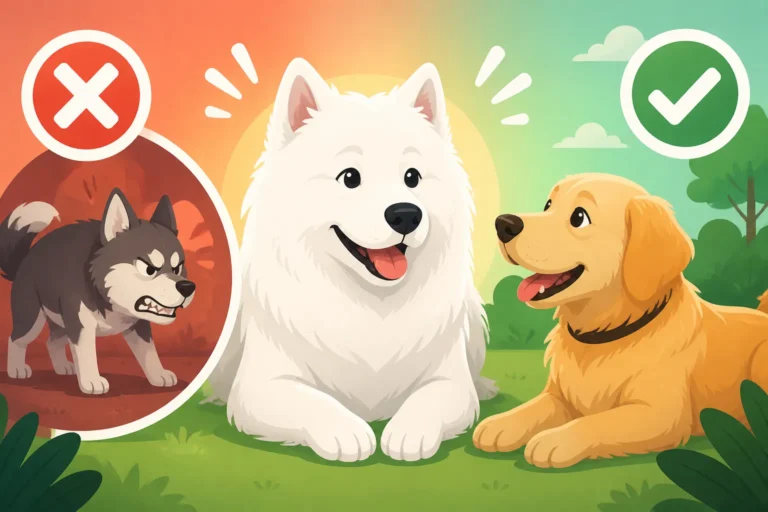
The key to a successful multi-dog household with a Samoyed is a series of slow, controlled introductions. Think of it less as an immediate merge and more as a carefully planned integration. Start on neutral territory – a place where neither dog feels possessive or territorial. A park or an unfamiliar walking route is ideal. Take them for a parallel walk, keeping them on separate leashes with plenty of space between them. The goal isn't immediate interaction, but simply for them to become aware of each other's presence without pressure. This allows them to sniff the same ground, hear the same sounds, and get used to each other's scent from a safe distance.
Once they seem comfortable with parallel walking, you can gradually decrease the distance. Watch their body language intently: loose tails, relaxed ears, sniffing the ground, and soft eyes are good signs. Stiff bodies, tucked tails, hard stares, or growling are clear signals to create more space. Only when they are comfortable walking calmly side-by-side should you consider a brief, leashed introduction, allowing them to sniff each other. Keep these initial meetings short and positive, always ending on a good note. When you finally bring them home, keep the new dog crated or in a separate room for the first day or two, allowing them to acclimate to the scents and sounds of the house without direct confrontation. This gives both dogs time to adjust and reduces the stress of an immediate, full-on interaction. This process is essential for your Samoyed to Whether a Samoyed Accepts Another Dog.
Managing Resource Guarding and Attention
One of the biggest pitfalls in multi-dog homes, especially with breeds as food-motivated and comfort-loving as Samoyeds, is resource guarding. This isn't necessarily aggression, but rather a dog's natural instinct to protect valuable items like food, toys, sleeping spots, or even human attention. To avoid conflict, proactive management is critical. Feed dogs separately, ideally in different rooms or crates, ensuring each has ample time and space to eat without feeling rushed or threatened. Pick up all food bowls as soon as they are finished. Provide plenty of toys, scattering them around so no single toy becomes a high-value item to guard. Items you can purchase from online retailers like Amazon, such as puzzle feeders or durable chew toys, can help keep individual dogs engaged and prevent boredom-driven guarding.
Perhaps the most important resource to manage is human attention. Samoyeds thrive on interaction and can be quite demanding when it comes to cuddles and playtime. It’s important to ensure each dog receives individual, dedicated attention every day. This could be a separate training session, a solo walk, or simply quiet cuddle time on the couch. This prevents jealousy and reinforces each dog's bond with you. When interacting with both dogs, try to distribute praise, treats, and affection as equally as possible, especially during the initial integration period. Being mindful of these dynamics can significantly contribute to a harmonious household, ensuring that your Samoyed feels secure and valued, rather than competitive.
Living in Harmony: Common Challenges and Solutions
Even with the best intentions and careful introductions, living with multiple dogs and a Samoyed can present unique challenges. Their breed-specific traits, while endearing, can sometimes lead to misunderstandings or friction within the pack.
Play Styles and Energy Levels
Samoyeds are known for their enthusiastic, often boisterous play style. They love to run, chase, mouth, and wrestle, and sometimes their exuberance can be a bit much for a more reserved or smaller dog. A typical Samoyed puppy or young adult might try to engage an older, more sedate dog in relentless play, which can lead to annoyance or even snapping from the older dog. It's crucial to match energy levels when possible. If you have a high-energy Samoyed, consider pairing them with another dog that enjoys similar active play. If your existing dog is a couch potato, you might need to manage your Samoyed's play invitations more closely.
Providing appropriate outlets for your Samoyed's energy is paramount. Long walks, engaging games of fetch, or even training sessions can burn off excess steam. Remember, a tired Samoyed is often a well-behaved Samoyed. Activities like skijoring or canicross can be excellent ways for your Samoyed to burn energy and satisfy their innate desire to pull, giving them an individual "job" outside of the house that doesn't solely rely on their canine housemates for entertainment. Regularly exercising your Samoyed can help manage their energy levels and ensure their interactions with other dogs are more balanced and less overwhelming. Refer to How Much Exercise a Samoyed Needs for detailed guidance.
Vocalization and "Samoyed Talk"
Ah, the infamous Samoyed vocalizations! If you've spent any time around this breed, you know they don't just bark; they woo-woo, grumble, sing, and howl, engaging in what many owners lovingly call "Samoyed talk." While charming to us, this can be quite stimulating for other dogs, especially if they are also vocal or easily excited. One Samoyed's "conversation" can quickly escalate into a chorus, making for a rather noisy household.
This is a challenge that requires consistent training and management. Establishing a "quiet" cue is essential. Reward silence and calm behavior heavily. You might find that one dog cues off the other, so addressing the vocalizations of the instigator (if there is one) can help manage the overall noise level. Some owners find that providing plenty of mental stimulation, like puzzle toys or short training sessions, can reduce boredom-related vocalizations. Keep in mind that Samoyeds are incredibly expressive, and sometimes their vocalizations are simply their way of communicating excitement, frustration, or demand. Learning to distinguish between harmless chatter and something that needs redirection is key. Understanding What a Samoyed Sounds Like When It Talks can help you differentiate. If the noise becomes a real problem, especially in close living quarters like apartments, you might need to explore strategies like those discussed in Teaching a Samoyed a Quiet Cue.
Creating a Harmonious Pack: Best Practices for Success
Successfully managing a multi-dog household with a Samoyed requires ongoing effort, consistency, and a deep understanding of each dog's needs and personality. It’s a journey, not a destination, but the rewards of a loving, harmonious pack are well worth it.
Consistency in Training and Rules
One of the most critical elements for success in a multi-dog household is consistency in training and household rules. Every human member of the family needs to be on the same page regarding expectations, commands, and boundaries. If one person allows dogs on the furniture while another doesn't, or if commands are given inconsistently, it creates confusion and potential stress for the dogs. Samoyeds, known for their independent streak, thrive on clear, predictable structures. Inconsistency can lead to them "testing boundaries" more frequently or developing undesirable behaviors.
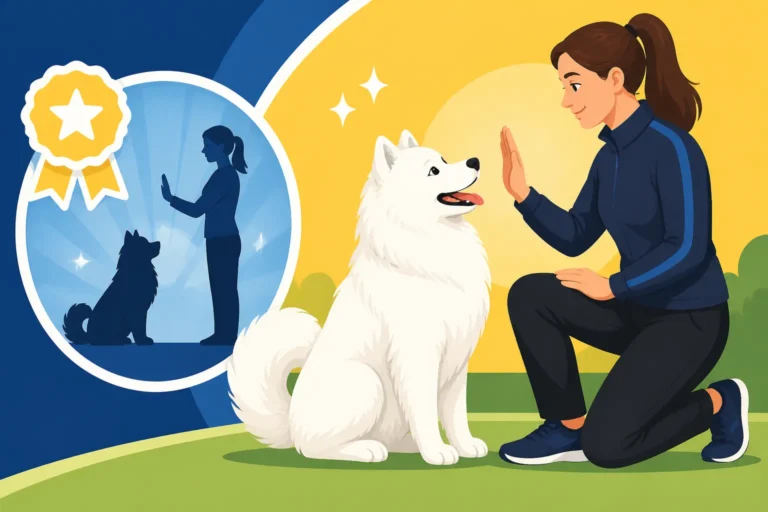
Utilizing positive reinforcement training methods uniformly across all dogs is crucial. This means rewarding desired behaviors and redirecting unwanted ones without harsh punishment, which can create fear or resentment. Online training platforms, such as BAXTER & Bella, can be invaluable here. They provide structured lesson plans and support that all family members can follow, ensuring everyone uses the same cues and methods. This consistency helps build confidence in your dogs, reduces anxiety, and strengthens the human-animal bond, making for a much calmer and more cooperative household. A well-trained Samoyed, even a strong-willed one, will be a much better housemate.
Individual Time and Attention
While Samoyeds generally love having canine companions, it’s a common misconception that multiple dogs mean less work. In fact, each dog in a multi-dog household still needs individual, one-on-one time with their human family. This dedicated attention prevents jealousy, reinforces individual bonds, and ensures that each dog feels seen and valued outside of the group dynamic. Imagine if you always had to share your loved ones with a sibling – sometimes you just need that private conversation!
This individual time can take many forms: a solo walk around the block, a focused training session working on specific cues, a quiet grooming session, or just dedicated cuddle time on the couch. For your Samoyed, this might mean a specific brushing routine or a game of hide-and-seek that's just for them. For example, How Often a Samoyed Needs Brushing can become a special one-on-one bonding experience. This individual attention is essential for their mental well-being and helps to maintain the unique relationship you have with each of your dogs. It helps prevent behavioral issues that can arise from perceived favoritism or lack of attention and fosters a deeper connection with each individual member of your furry family.
Space and Retreat Zones
Every dog, even the most social Samoyed, needs their own designated safe space where they can retreat, rest, and feel secure without being bothered by other household members. This is particularly important in a multi-dog environment where continuous interaction can sometimes be overwhelming. Think of it as their own personal "bedroom" within the home. This could be a crate, a cozy dog bed tucked away in a quiet corner, or even a designated room where they can relax undisturbed.
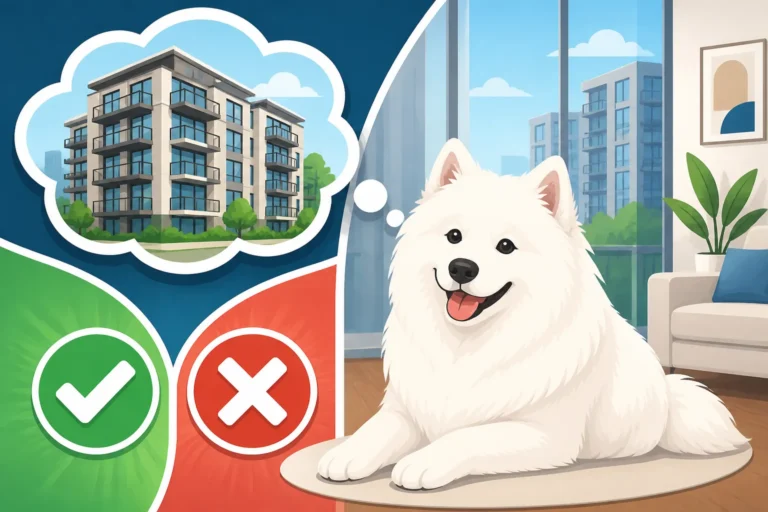
Ensuring these retreat zones are respected by all dogs (and humans!) is key. This means when a dog is in their designated space, they are left alone. This helps prevent conflicts and provides a much-needed mental break, especially for dogs who might be more introverted or easily stressed. If you're considering a Samoyed for an apartment or smaller living space, planning for these individual zones is even more critical, as explored in Whether a Samoyed Suits an Apartment Building. You might purchase multiple beds or crates from a retailer like Amazon, ensuring they are strategically placed to offer privacy. Having these individual spaces reduces competition for resources and personal boundaries, contributing significantly to a peaceful and harmonious household where every dog can feel safe and comfortable.
Pros and Cons of a Multi-Dog Household with a Samoyed
Deciding whether a multi-dog household is right for you and your Samoyed (or potential Samoyed) involves weighing various factors. Here's a quick look at the advantages and disadvantages:
| Feature | Pros for Multi-Dog Household with a Samoyed | Cons for Multi-Dog Household with a Samoyed |
|---|---|---|
| Companionship | Samoyeds thrive on companionship, often leading to reduced separation anxiety. | Potential for competition for human attention or resources. |
| Exercise | Dogs can entertain each other, aiding in burning off excess energy. | Different play styles/energy levels can lead to frustration or conflict. |
| Social Skills | Improved canine communication and social graces through constant interaction. | Incompatible personalities can lead to stress, fights, or anxiety for one or more dogs. |
| Training | Dogs can learn from each other (observational learning). | Potential for "pack mentality" to ignore human commands if not managed well. |
| Cost | Shared toys, beds can sometimes be reused. | Doubled expenses for food, vet care, grooming, and potential for more damage. |
| Logistics | Dogs keep each other company, easing guilt if you're occasionally busy. | More complex walking routines, vet visits, and travel arrangements. |
Bringing a Samoyed into a multi-dog home or adding a second dog to a home with a Samoyed can be incredibly rewarding. Their joyful, social nature often means they revel in having a canine friend. However, it's not a decision to be taken lightly. It requires careful planning, consistent management, and a deep commitment to meeting the individual needs of every dog in your pack. With the right approach, you can create a truly loving and harmonious household where every wagging tail (and happy Samoyed smile) contributes to the overall joy.
Disclaimer
This article is for general informational purposes only and does not constitute professional advice. Laws, prices and regulations vary by location and change over time. Consult a qualified professional for guidance on your specific situation.