How Much a Samoyed Can Pull
Samoyed pulling capacity stems from ancestral roles as Nenets sled dogs and polar expedition workers hauling heavy loads.
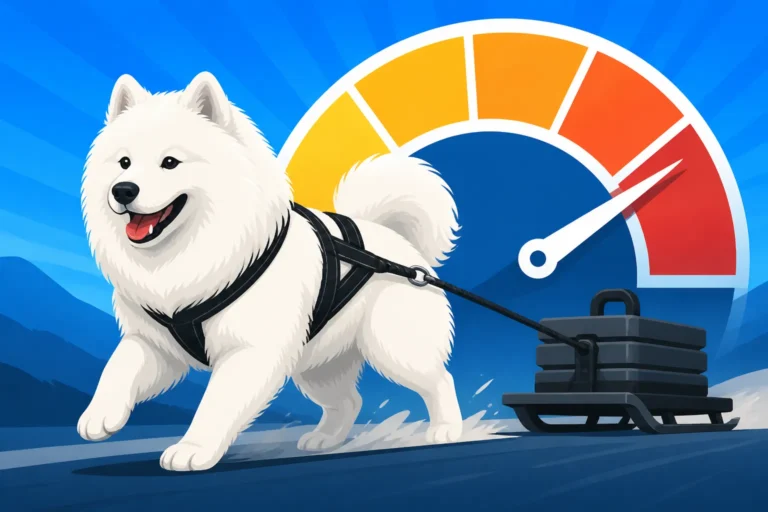
Samoyed pulling capacity stems from ancestral roles as Nenets sled dogs and polar expedition workers hauling heavy loads.

Samoyed herding instincts and ancient history as reindeer workers for the Nenets people help explain modern pet behaviors.
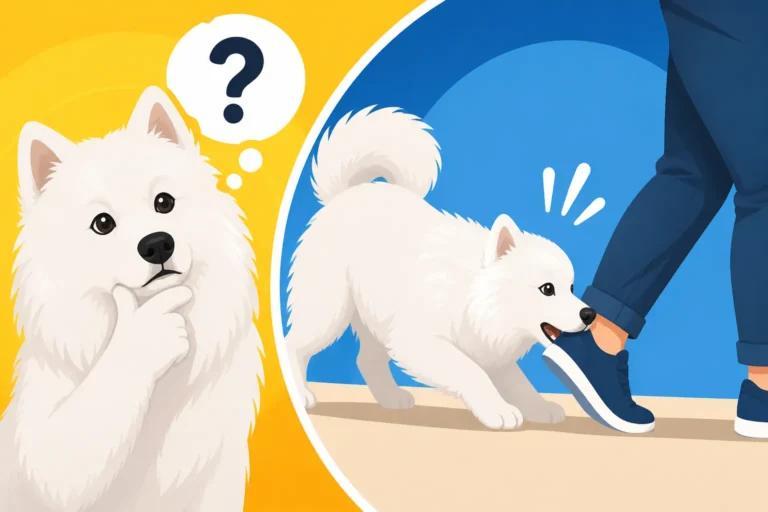
Samoyed heel nipping stems from ancient reindeer herding instincts, explaining why adult dogs and puppies target moving feet.

Samoyed herding instincts explain why these dogs weave between running children, nudge them, and nip at heels today.
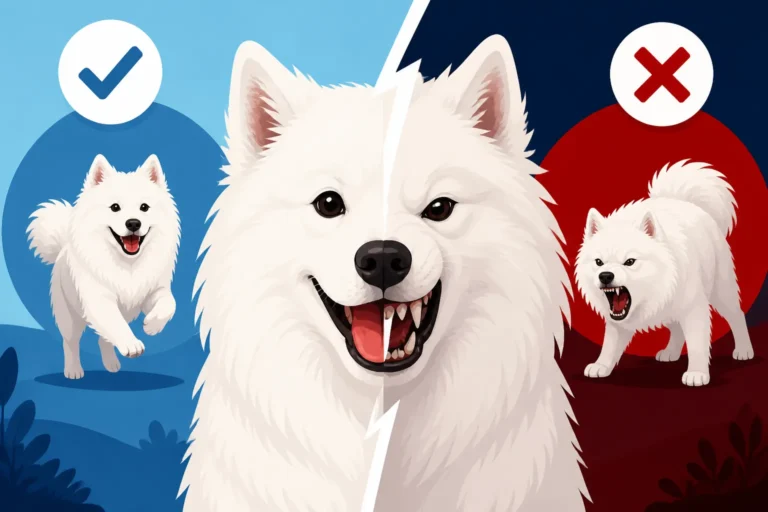
Samoyed aggression root causes, including lack of socialization between three and sixteen weeks, and fear management strategies.

Samoyed guarding instincts are absent because their Arctic history of partnership and herding created friendly family dogs.
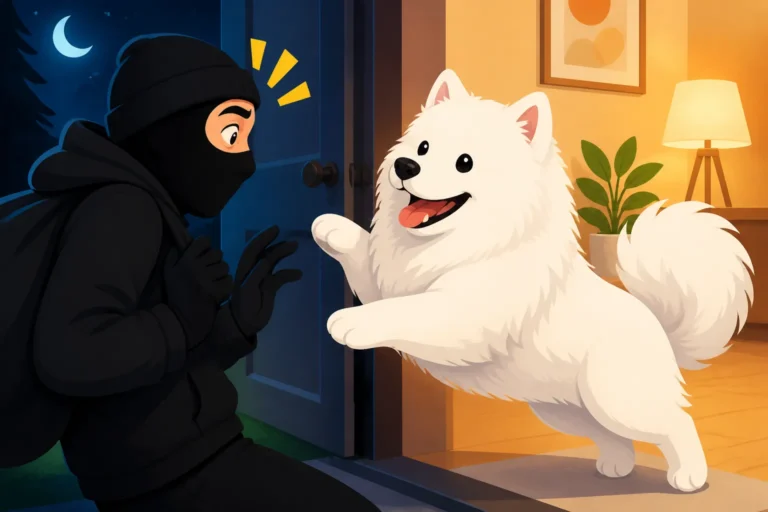
Samoyed temperament history explains why these friendly dogs welcome strangers and intruders with tail wags instead of guards.

Samoyed off-leash training challenges, nomadic working instincts, prey drive, and independent nature explain why recall reliability remains difficult.

Samoyed recall training strategies help overcome independent herding instincts and strong prey drives for reliable off leash obedience.
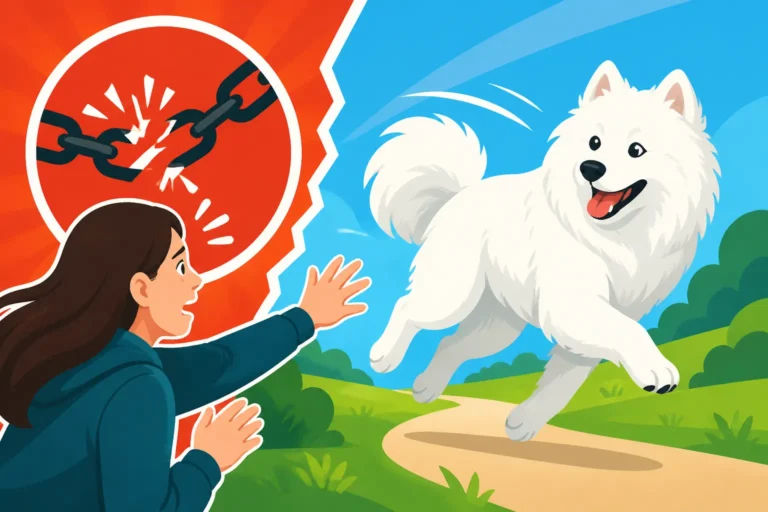
Samoyed recall unreliability stems from working dog instincts, independent thinking, and centuries of free-ranging reindeer herding heritage.