How Much a Samoyed Can Pull
Many Samoyed owners look at their beautiful, fluffy companions and wonder if those strong, athletic bodies are truly capable of the incredible feats of pulling they've read about. It’s a common frustration to see a dog that looks like a miniature polar bear, with all the inherent strength that implies, and not fully understand the scope of their capabilities or how to harness that power safely. This guide is here to unravel the impressive pulling potential of your Samoyed, detailing their historical strength, the factors that influence how much they can pull, and how to safely engage them in various pulling activities, from casual carting to more intense sports.
The Samoyed's Ancestral Legacy: Bred to Pull
Before they were the smiling companions gracing our homes, Samoyeds were indispensable working dogs in the harsh northern climes. Their very existence was intertwined with the survival of the nomadic Nenets people of Siberia, who relied on these resilient canines for a multitude of tasks that inherently built their impressive pulling prowess.
Reindeer Herders and Sled Dogs
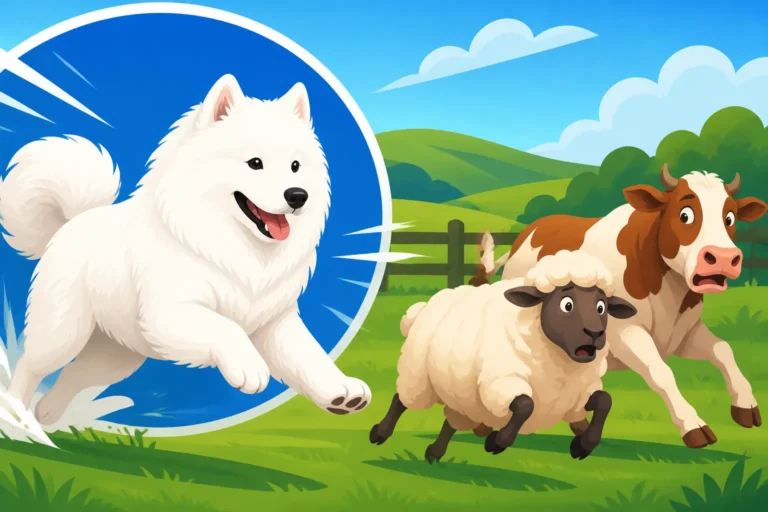
The history of the Samoyed is one of adaptability and incredible stamina. Originating with the Nenets people on the Yamal Peninsula, these dogs were primarily bred for herding reindeer, a demanding job that required speed, agility, and the ability to cover vast distances in extreme cold. But their utility didn't stop there. When the Nenets moved their camps, these dogs transformed into powerful sled dogs, hauling essential supplies, tepees, and even children across the unforgiving tundra. Their thick double coats, powerful musculature, and deep chest were not just for show; they were evolutionary adaptations that allowed them to thrive and work tirelessly in conditions that would fell other breeds. This dual role meant that generations of Samoyeds were naturally selected for both herding intelligence and physical strength, making them inherently robust animals perfectly suited for pulling. It wasn't about pulling immense weights quickly, but about consistent, reliable traction over long distances.
Polar Explorers and Heavy Loads
The true testament to the Samoyed's pulling capabilities came with the dawn of polar exploration. When adventurers set their sights on the North and South Poles, they sought out the most resilient and capable sled dogs available, and the Samoyed quickly rose to prominence. Names like Fridtjof Nansen, Robert Scott, and Roald Amundsen all utilized Samoyeds on their treacherous expeditions, where the dogs were tasked with pulling heavy sleds laden with scientific equipment, food, and survival gear across vast expanses of ice and snow. These were not light loads; every ounce counted when survival was on the line. Etah, the Samoyed That Reached the South Pole First is a famous example, having been part of Amundsen's team that was the first to reach the South Pole. The explorers observed that Samoyeds possessed not only immense physical strength and endurance but also an unwavering spirit and remarkable tolerance for the brutal cold. Their ability to pull consistently day after day, often in blizzards and over challenging terrain, cemented their reputation as exceptional working dogs capable of pulling significant weight relative to their size, even when facing extreme deprivation. This era of their history truly showcased their raw power and incredible will to work.
Factors Determining a Samoyed's Pulling Capacity
While all Samoyeds share a common ancestry of working dogs, not every individual will have the same pulling capacity. Several factors come into play, influencing how much your specific Samoyed can safely and effectively pull. Understanding these variables is key to ensuring their well-being and maximizing their potential.
Individual Dog Characteristics
Just like people, Samoyeds are individuals, and their physical attributes vary. A dog's weight, for instance, is a primary factor. A heavier, more substantially built Samoyed will naturally have a greater capacity to pull more than a lighter, more slender one. How Much a Male Samoyed Weighs can give you a baseline, but even within standard ranges, muscle mass and bone structure differ. A Samoyed with a strong, well-defined musculature in their hindquarters and shoulders is better equipped for pulling than one who is less developed. Age also plays a significant role; young puppies are still developing and should not be subjected to heavy pulling, and senior dogs may have reduced stamina and joint health. The overall health of your Samoyed, including any underlying conditions like hip dysplasia or heart murmurs, must be considered. Furthermore, a dog's natural drive and genetics contribute. Some Samoyeds simply have a stronger innate desire to pull, a trait passed down from generations of working ancestors, while others might be more inclined towards other activities.
Training and Conditioning
Even the most genetically gifted Samoyed won't reach its full pulling potential without proper training and conditioning. This isn't about simply strapping a harness on and hoping for the best; it's a gradual, progressive process that builds both physical strength and mental discipline. A well-conditioned Samoyed will have developed the necessary muscle strength, cardiovascular endurance, and joint stability to handle pulling tasks without undue strain or injury. This involves regular exercise that incorporates different types of activity, such as long walks, runs, and controlled bursts of energy. Starting with light loads and short distances, and slowly increasing both over time, allows the dog's body to adapt and strengthen safely. Consistency is crucial, as is listening to your dog's signals of fatigue or discomfort. Without this systematic approach, even a strong Samoyed could be at risk of injury or quickly lose interest if they find the activity too challenging or uncomfortable. Building their confidence and understanding of commands like "Gee" (right), "Haw" (left), and "Whoa" (stop) is as important as building their muscles.
Equipment and Environmental Conditions
The gear you use and the environment you train in are absolutely critical to how much your Samoyed can pull. A poorly fitting harness, for example, can cause chafing, restrict movement, or distribute weight unevenly, leading to discomfort or injury, severely limiting what your dog can do. Specialized pulling harnesses, like those designed for sledding or carting, are engineered to distribute the load effectively across the dog's chest and shoulders, allowing for maximum power transfer and comfort. Options are available on platforms like Amazon, offering a range of styles to fit different Samoyed builds and activities. The type of load your Samoyed is pulling also matters – a well-balanced sled glides more easily than a clumsy, heavy cart.
Environmental factors, especially temperature and terrain, are paramount. Samoyeds are double-coated dogs built for cold climates, so Whether a Samoyed Should Pull in Warm Weather is a critical consideration. Pulling in hot, humid weather can quickly lead to overheating and heatstroke, severely reducing their capacity and putting their life at risk. Optimal conditions involve cool temperatures, ideally below 50°F (10°C), and even colder for strenuous work. Terrain also impacts how much effort is required. Pulling a sled over packed snow is significantly easier than pulling a cart over rough, uneven pavement or through deep sand. Uphill climbs will always be more demanding than flat ground. Always prioritize your Samoyed's comfort and safety by selecting appropriate gear and training in suitable conditions.
Practical Aspects of Samoyed Pulling
So, once you understand the history and the influencing factors, what does "how much a Samoyed can pull" actually look like in the real world? It varies wildly depending on the activity, from competitive sports to practical, everyday tasks.
Weight-Pulling Competitions
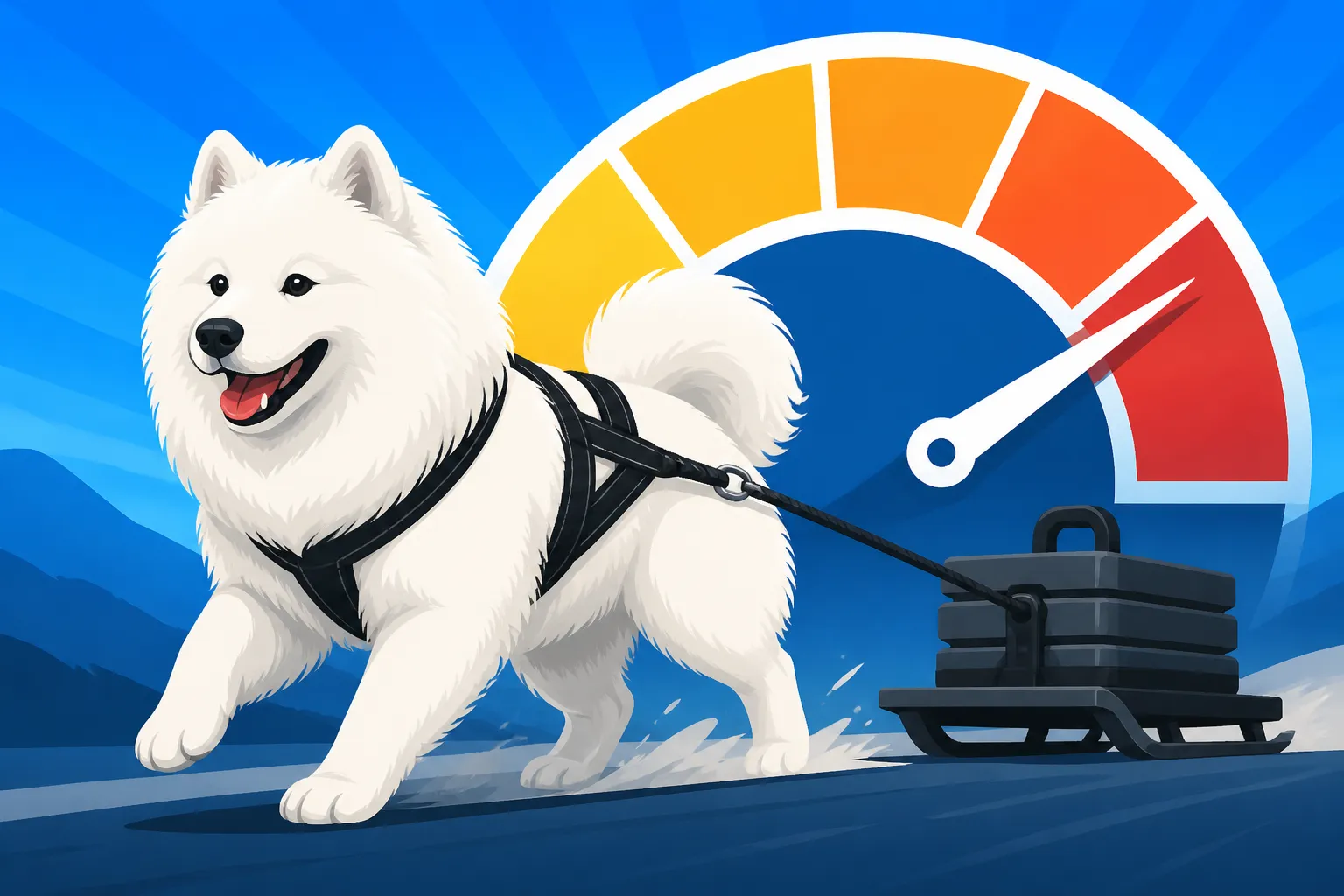
For those serious about testing their Samoyed's raw strength, weight-pulling competitions offer a structured environment. In these events, dogs typically pull a weighted cart or sled over a short distance, usually around 15 feet. The weight is progressively increased in rounds until only one dog remains. It's truly impressive to witness a relatively compact Samoyed lean into its harness and move several times its own body weight. These competitions are designed to showcase pure strength and drive, often with dogs pulling upwards of 1,000 pounds, and sometimes even more, under specific conditions. However, it’s a highly specialized sport that requires rigorous, careful training to build strength and prevent injury. Dogs are judged not only on the weight they pull but also on their technique and willingness. It's not a casual backyard activity, but a demanding sport for dedicated teams, and one that requires the dog to be in peak physical condition and mentally prepared.
Recreational Pulling: Sledding, Skijoring, Carting
For most Samoyed owners, recreational pulling is a more accessible and enjoyable way to tap into their dog's natural instincts. These activities offer fantastic exercise and a wonderful bonding experience without the intense pressure of competition.
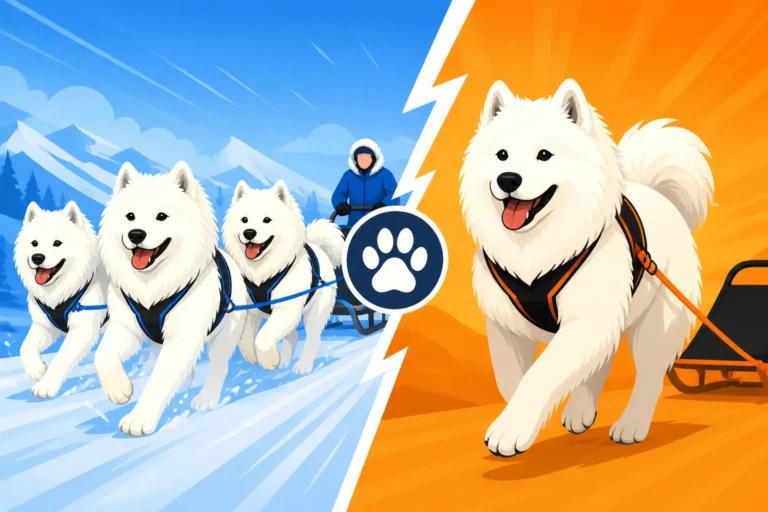
- Sledding/Dryland Mushing: If you live in a snowy region, traditional sledding is a natural fit. A single Samoyed can comfortably pull a light sled with a small child or a moderate amount of gear. In a team of two or more Samoyeds, they can pull an adult and a larger sled across packed snow. For those without consistent snow, dryland mushing (or carting) involves pulling a wheeled rig or scooter. A fit Samoyed can pull an adult on a bike, scooter, or dryland cart, offering an exhilarating workout for both dog and human. The weight pulled here is dynamic, meaning it's the combined weight of the person/cargo and the rig itself, but the dog is continuously moving it, making it more about endurance than a static maximum pull.
- Skijoring: This increasingly popular winter sport involves your Samoyed pulling you while you're on cross-country skis. Whether a Samoyed Enjoys Skijoring is often a resounding yes, as they love to run in the snow and feel a purpose. A single well-trained Samoyed can easily pull a skier, adding speed and reducing the effort required from the human. The actual "weight" the dog is pulling is largely dependent on the skier's skill and the snow conditions; a good skier glides efficiently, minimizing resistance. This makes it a fantastic cardio workout for both, and a great way to explore snowy trails.
- Carting/Draught Work: Also known as urban mushing or draught work, carting involves your Samoyed pulling a small cart or wagon. This can be incredibly practical, allowing your dog to help carry groceries, picnic supplies, or even pull younger children in a specially designed cart. For a pet Samoyed, pulling a cart with 20-50 pounds of groceries or a small child is a manageable and enriching activity that engages their instincts. It’s a wonderful way to integrate their natural desire to work into everyday life, turning mundane errands into exciting adventures. For specialized carting harnesses and carts, owners often browse online retailers like Amazon to find robust and well-fitting options suitable for their Samoyed's size and strength. These activities generally focus on consistent, moderate pulling over longer durations, rather than extreme weight.
Training Your Samoyed for Pulling
Embarking on pulling activities with your Samoyed is an exciting journey, but it requires proper training and a mindful approach to ensure your dog's safety and enjoyment. You wouldn't run a marathon without training, and the same applies to your powerful Samoyed.
Starting Young and Building Foundation
The foundation for any successful pulling dog begins early in their life, long before a pulling harness ever touches their back. Puppy obedience is paramount. Your Samoyed needs to understand basic commands like "sit," "stay," "come," and a reliable "leave it." These aren't just parlor tricks; they are essential for safety and control when your dog is excited and in motion. A strong recall is non-negotiable, especially if you ever plan to work off-leash in designated areas or if a line should break. Socialization is also critical; a well-socialized Samoyed is less likely to be distracted by other dogs, people, or unexpected sights and sounds on the trail, which is vital when they are focused on pulling.
You can begin introducing the concept of pulling gently as they mature. For instance, The Age a Samoyed Can Start Sledding typically suggests waiting until they are fully grown, usually around 12-18 months, to prevent stress on their developing joints. However, you can introduce a light, empty harness and let them drag a very small, lightweight object (like a plastic bottle on a string) for short bursts once they are past puppyhood and their growth plates have closed. This early, positive association with equipment and the feeling of something behind them is crucial. Positive reinforcement, using high-value treats and praise, will make these initial experiences fun and build their desire to participate. Resources like BAXTER & Bella offer excellent online training programs that can help guide you through these foundational stages, using reward-based methods to build confidence and obedience, which are indispensable before introducing specialized pulling gear.
Introducing the Harness and Commands
Once your Samoyed has a solid obedience foundation and is physically mature enough, you can begin the specific training for pulling. The first step is getting them comfortable with a specialized pulling harness. This is distinct from a walking harness; it's designed to distribute weight across their chest and shoulders, allowing them to lean into the pull effectively and comfortably.
- Harness Acclimation: Introduce the harness slowly. Let your Samoyed sniff it, then drape it over them without buckling it. Reward calm acceptance. Gradually work up to buckling it for short periods, always associating it with positive experiences like treats or short playtime. Never force it.
- Initial Pulling Introduction: Start by attaching a very light object – perhaps a small plastic sled or a light tire – to the harness. Let them drag it on flat, easy terrain for just a few minutes. The goal is simply to get them used to the feeling of resistance. Keep these sessions short, fun, and always end on a positive note.
- Verbal Commands: This is where specific mushing commands come in handy.
- "Hike!" or "Let's Go!": For starting forward.
- "Gee!": Turn right.
- "Haw!": Turn left.
- "Whoa!": Stop.
- "On By!": Go past distractions.
- Practice these commands during regular walks first, then incorporate them into pulling sessions. Use consistent hand signals along with verbal cues. Rewards are essential here; when your Samoyed correctly responds to "Gee" and turns right, praise and treat enthusiastically. The repetition and positive association will embed these commands. Many training programs, including those offered by BAXTER & Bella, can provide structured lessons on teaching directional cues and building drive for specific dog sports.
Progressive Load and Distance Training
Once your Samoyed is comfortable in the harness and understands the basic commands, you can begin to progressively increase the challenge. This is where patience and careful observation are paramount to prevent injury and maintain enthusiasm.
- Gradual Increase in Load: Start with very light loads, even just the weight of the empty sled or cart. As your Samoyed builds strength, slowly add more weight in small increments. For carting, you might add a few pounds of sandbags at a time. For skijoring or dryland mushing, simply increasing the speed or duration of the run can act as a load increase.
- Distance and Duration: Begin with short distances, perhaps a quarter-mile or less, and gradually extend the length of your sessions. Pay close attention to your Samoyed's energy levels and breathing. The Job a Samoyed Actually Needs often includes vigorous exercise, and pulling can fulfill that need, but overdoing it is counterproductive.
- Varying Terrain: As they gain strength and confidence, introduce varied terrain, such as gentle slopes or slightly uneven paths, but always ensure the surface is safe for their paws and joints. Avoid extreme inclines until they are very experienced and conditioned.
- Listen to Your Dog: Always watch for signs of fatigue, lameness, or disinterest. Excessive panting, lagging behind, or reluctance to pull are all signals that it’s time for a break or to end the session. Never push your Samoyed beyond their comfort zone. The goal is to build a positive association with pulling, making it a fun and rewarding activity for both of you. Consistency, coupled with these progressive increases, will allow your Samoyed to build the necessary stamina and strength to pull effectively and safely. Consider investing in a good quality pulling harness from reputable brands available on Amazon, ensuring it fits your Samoyed perfectly for maximum comfort and efficiency during these training phases.
Safety and Well-being for Your Pulling Samoyed
Engaging your Samoyed in pulling activities is incredibly rewarding, but it comes with a significant responsibility: ensuring their safety and long-term well-being. Their enthusiasm can sometimes mask underlying issues or push them beyond their limits, so your vigilance is critical.
Recognizing Limits and Overexertion
It's tempting to think that because Samoyeds are built for work, they're indestructible. However, overexertion is a real risk, especially if your dog is untrained, not fully conditioned, or working in unsuitable conditions. You need to become an expert at reading your Samoyed's body language and recognizing the signs that they're reaching their limit or are in distress.
- Early Warning Signs: These include excessive panting, drooling, slowing down, stumbling, or a change in gait. They might start lagging behind, showing reluctance to pull, or even try to chew at their harness. These are clear indications that they need a break, some water, or that the session should end.
- Signs of Overheating: Given their thick double coats, Samoyeds are particularly susceptible to overheating. Signs a Samoyed Is in Heat Distress can include heavy panting with a wide-open mouth, bright red gums, glazed eyes, weakness, and disorientation. If you see these, stop immediately, get them to a cool, shaded area, offer water, and cool them down with wet towels. Severe overheating is a medical emergency.
- Monitoring Recovery: After a pulling session, observe how quickly your Samoyed recovers. If they're still heavily panting or struggling long after the activity has ceased, it might be a sign you pushed too hard. Keep sessions shorter and less intense until their fitness improves. Always err on the side of caution.
Hydration, Nutrition, and Veterinary Care
A working Samoyed, especially one engaged in pulling activities, has different caloric and hydration needs than a sedentary pet. Proper care in these areas is non-negotiable for their health and performance.
- Hydration: Always provide plenty of fresh water before, during (if breaks allow), and after pulling sessions. During extended activities, carry water with you. Dehydration can quickly lead to fatigue and heat-related issues. How Much Water a Samoyed Needs in Summer is significantly more, and this applies equally to exertion.
- Nutrition: Your Samoyed needs a high-quality, balanced diet that supports their activity level. Whether a Working Samoyed Needs Extra Food is a valid question; often, a performance formula with higher protein and fat content may be appropriate, but always consult your veterinarian or a canine nutritionist. Avoid sudden changes in diet.
- Veterinary Check-ups: Regular veterinary check-ups are vital to ensure your Samoyed is healthy enough for strenuous activities. Discuss your pulling plans with your vet. They can assess your dog's cardiac health, joint integrity (especially important for breeds prone to Hip Dysplasia in a Samoyed), and overall fitness. Your vet can also advise on appropriate conditioning programs and help identify any issues that might limit your Samoyed's pulling capacity or pose a risk. Proactive care is the best way to keep your pulling partner healthy and happy for many years.
Appropriate Environmental Conditions
Choosing the right time and place for pulling activities is just as important as the training itself. Ignoring environmental factors can lead to serious health risks for your Samoyed.
- Temperature Matters: Samoyeds are built for cold. The ideal temperature range for pulling is typically below 50°F (10°C), with many enthusiasts preferring even colder. As temperatures rise, the risk of overheating increases dramatically. Whether a Samoyed Should Pull in Warm Weather is almost always a resounding no or only with extreme caution at dawn or dusk, and with very short durations. Their thick double coat, while excellent for insulation against cold, makes them inefficient at shedding heat.
- Snow vs. Pavement: Snow is the natural and preferred surface for Samoyed pulling. It provides excellent traction, reduces impact on joints, and helps keep them cool. Pavement and asphalt, especially warm pavement, can not only cause heat stress but also damage their paw pads. If you're dryland mushing or carting, choose cooler, softer surfaces like dirt trails, grass, or gravel paths when possible.
- Air Quality: Be mindful of air quality. High humidity makes it harder for dogs to cool themselves through panting. Poor air quality or heavy pollen can also affect their respiratory system, especially during strenuous activity.
- Sun Exposure: Direct sunlight, even on cooler days, can increase a dog's body temperature. Seek shaded routes when possible, or plan activities for early morning or late evening.
By meticulously planning your pulling sessions around optimal conditions, you ensure that your Samoyed can engage in these activities safely and joyfully, truly living up to their magnificent heritage.
| Activity | Typical Load Carried/Pulled (relative to dog's weight) | Primary Benefit | Required Equipment | Best Environment |
|---|---|---|---|---|
| Weight Pull | Heavy (multiple times dog's body weight) | Builds strength, competitive sport | Specialized weight pull harness, sled/cart, weights | Flat, stable surface |
| Sledding/Dryland | Moderate (for the sled, person, or cargo) | Endurance, teamwork, tradition | X-back harness, gangline, sled/cart (dryland rig) | Snow, dirt trails |
| Skijoring | Moderate (pulling a skier) | Cardio, speed, winter sport | Skijor harness, skijor belt, skis, tow line | Snow-covered trails |
| Carting/Draught | Light to Moderate (cart and contents) | Practical utility, low impact exercise | Carting harness, cart/wagon | Paved paths, gentle trails |
Disclaimer
This article is for general informational purposes only and does not constitute professional advice. Laws, prices and regulations vary by location and change over time. Consult a qualified professional for guidance on your specific situation.