How an Old Samoyed’s Coat Changes
Aging Samoyed coat changes explain natural pigment fading, yellowish tints, coarser texture, and reduced density in senior dogs.
The daily stuff, done right.
Feeding amounts by life stage, coat and skin routines, dental and nail care, exercise needs, and what changes as they age.
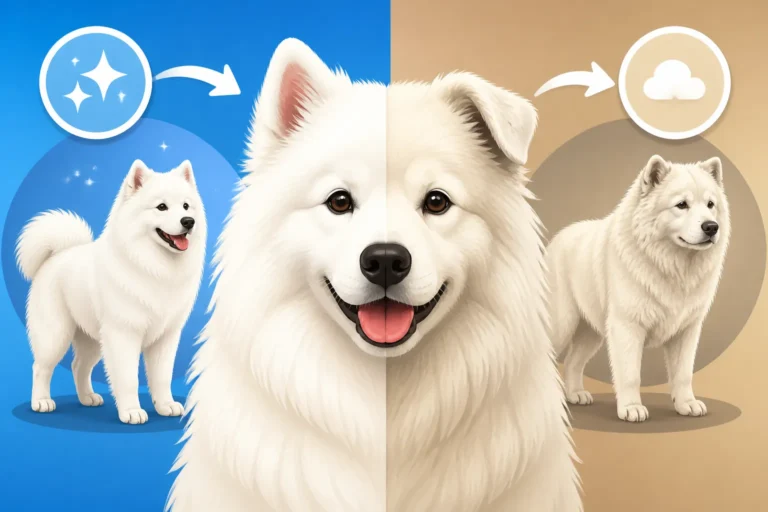
Aging Samoyed coat changes explain natural pigment fading, yellowish tints, coarser texture, and reduced density in senior dogs.
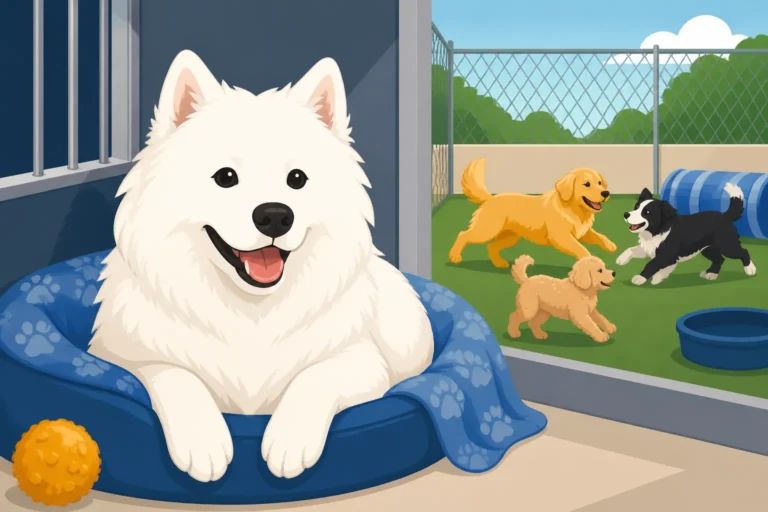
Samoyed kennel boarding habits and social needs explained, helping owners prepare sensitive dogs for smooth stays away from home.
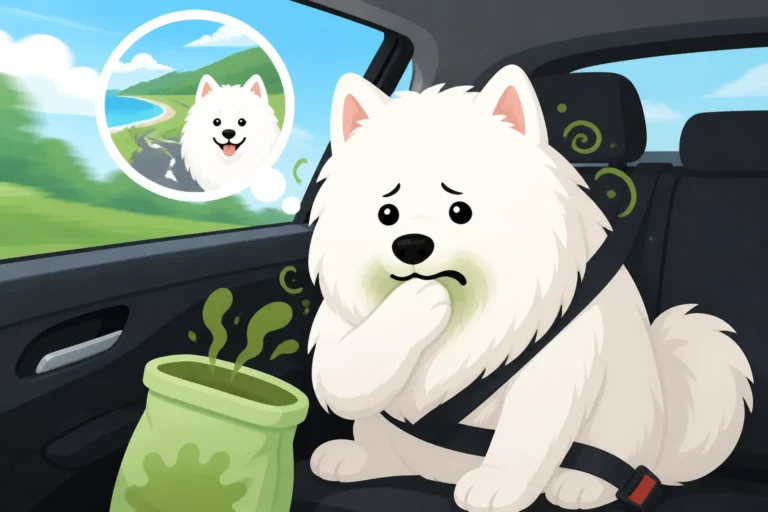
Samoyed car sickness causes and practical calming strategies help dogs enjoy vehicle rides without nausea or anxiety.

Moisture in Samoyed ears causes bacterial and yeast growth due to dense fur preventing air circulation and evaporation.

Samoyed digging behavior in summer explains why dogs excavate soil to create cool hollows and dissipate excess heat.
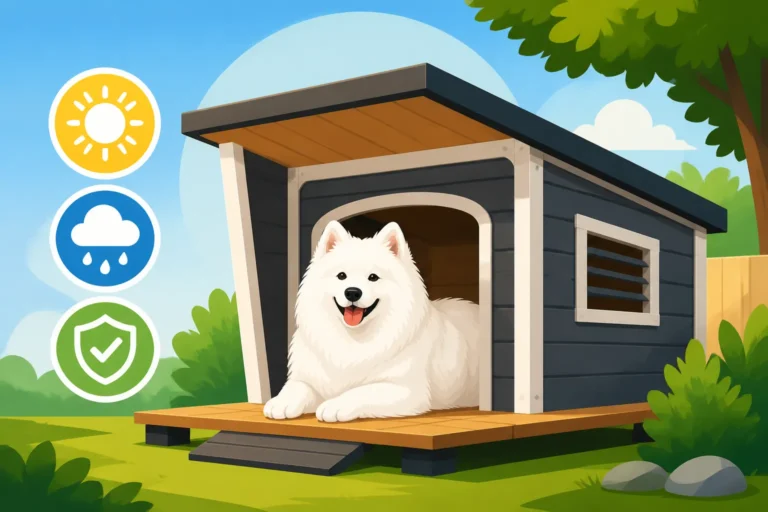
A Samoyed’s thick double coat suits Arctic cold but does not make the dog invincible, so outdoor shelter is still needed in hot summers and biting winters.
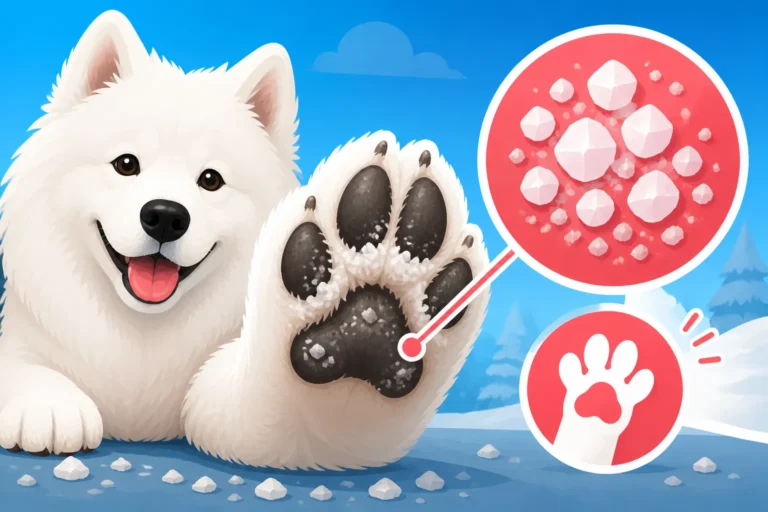
Road salt causes painful paw pad irritation in Samoyeds, leading to cracking, chemical burns, and dangerous ingestion.

Snowball formation in Samoyed coats occurs when body heat and static electricity melt and refreeze winter snow.
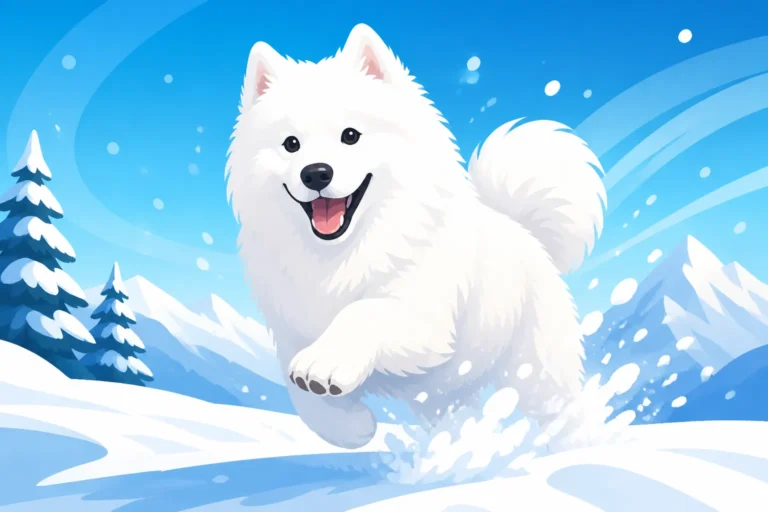
Samoyed ancestry explains why these dogs thrive in snow, tracing back to Siberian survival and Nenets heritage.
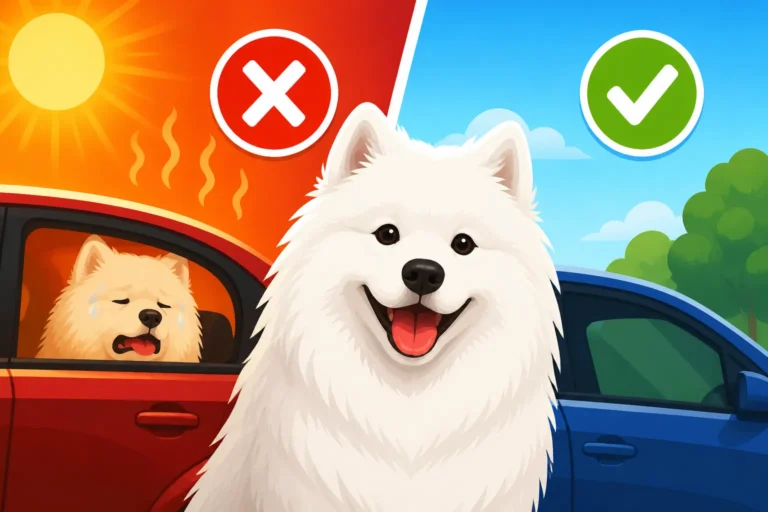
Leaving a Samoyed in a car causes rapid heatstroke because their dense double coats trap dangerous cabin heat.