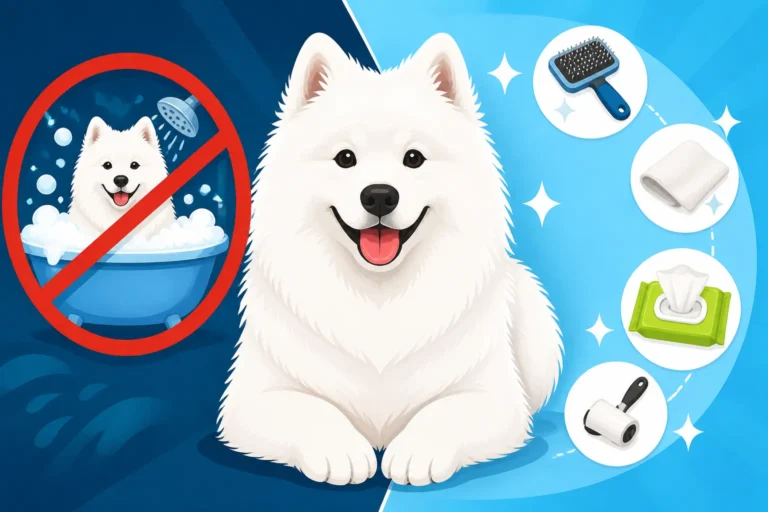
Moisture in a Samoyed’s Ears
It’s a scenario many Samoyed owners dread: you’re giving your fluffy cloud a good ear rub, and you feel a dampness, perhaps even catch a whiff of something less-than-fresh. Our beautiful Samoyeds, with their luxurious double coats and sometimes floppy, sometimes erect but always fur-filled ears, are unfortunately quite susceptible to moisture-related issues. This guide is all about understanding why that happens, how to prevent it, and what to do if you suspect moisture is causing trouble in your Samoyed’s ears.
Why Samoyed Ears are Prone to Moisture Buildup
It's not just bad luck that makes Samoyed ears a little more high-maintenance when it comes to moisture; it’s a combination of their genetics, their coat, and their natural behaviors. Understanding these factors is the first step in prevention.
The Anatomy of a Samoyed's Ear
Unlike some breeds with completely open, un-furred ear canals, a Samoyed’s ears are typically set high on the head, triangular, and thickly furred both inside and out. While some Samoyeds have ears that stand upright and others have ears that fold over slightly at the tips, the internal structure is largely the same. This dense fur, while adorable and protective in cold climates, can act like a tiny, fluffy blanket over the ear canal. It's fantastic for keeping out biting winds and snow, but it's not so great at letting air circulate or moisture evaporate.
Think about it: if you wear a thick wool hat in the rain, the moisture gets trapped underneath, right? It's similar for our Samoyeds. After a swim, a bath, or even a particularly dewy walk through tall grass, water can easily get caught in that dense ear fur. Because the ear canal is warm and dark, it becomes an ideal breeding ground for bacteria or yeast when moisture is introduced and doesn't dry out. It’s like a tiny tropical ecosystem forming right there in your dog’s head!
Activities That Introduce Moisture
Our Samoyeds are active, playful dogs, and many of them absolutely adore water. Whether it's a splash in a lake, a romp in the sprinkler, or even just a particularly enthusiastic drink from the water bowl, their ears can become damp.
- Swimming and Water Play: This is the most obvious culprit. If your Samoyed loves to swim – and many do, despite their Arctic heritage – water will inevitably get into their ears. While a quick shake might seem sufficient, that thick ear fur can hold onto water deep within the canal. We’ve all seen a Samoyed shake like a fluffy snowstorm, but sometimes it’s just not enough to get everything truly dry.
- Baths and Grooming: While we try our best to protect their ears during baths, water can still sneak in. Even if you use cotton balls, a determined shake mid-bath can dislodge them, or water can simply trickle down the outer ear. Proper drying after a bath is paramount, and we're not just talking about the outer coat. You need to make sure the inside of those ears is bone dry. You know how important Drying a Samoyed to the Skin is for their main coat, and it's just as vital for their ears.
- Rain and Humidity: Even a rainy walk can introduce enough dampness to be a problem, especially if your Samoyed enjoys sniffing through wet bushes or tall grass. High humidity, especially in warmer climates, can also contribute to a perpetually damp environment within the ear, simply by reducing the natural evaporation rate.
- Dew and Puddles: Those early morning walks through dewy grass or a curious investigation of a puddle can easily get the tips of their ears wet, and that moisture can wick its way down into the canal. It’s not always about a full submersion; sometimes just a little dampness is all it takes to start a problem.
The Risks of Excess Moisture in Samoyed Ears
Ignoring excess moisture in your Samoyed's ears isn't just about discomfort; it can lead to more serious health issues that are painful for your dog and costly to treat. Our Samoyeds are stoic creatures, often masking discomfort with their characteristic smile, so you might not even realize there's a problem until it's quite advanced. It's often said that How a Samoyed Hides Illness Behind a Smile, and ear infections are no exception.
Ear Infections Otitis Externa
The most common and frustrating consequence of moisture in a Samoyed's ears is otitis externa, or an outer ear infection. This happens when the warm, moist, dark environment in the ear canal provides perfect conditions for bacteria and yeast to multiply.
- Bacterial Infections: These often present with a foul odor, discharge that might be yellowish or brownish, and intense itching. Your Samoyed might shake their head vigorously, scratch at their ears with their paws, or rub their head along furniture or the ground. The skin inside the ear can become red, swollen, and very painful to the touch. In severe cases, the infection can even extend deeper into the middle or inner ear, leading to balance issues or hearing loss.
- Yeast Infections: Yeast infections, often caused by Malassezia yeast, thrive in moist environments. They typically produce a distinct, sweetish or cheesy odor, and the discharge is usually dark brown, waxy, and sometimes appears like coffee grounds. Similar to bacterial infections, yeast infections cause intense itching and discomfort, leading to head shaking and scratching. The skin may appear greasy, thickened, and inflamed.
- Mixed Infections: It's very common for Samoyeds to develop a mixed infection, where both bacteria and yeast are present, making treatment more complex. The combined irritation can be incredibly painful, and your dog might become withdrawn, lethargic, or even aggressive when their ears are touched.
Hematomas and Chronic Issues
Beyond the immediate discomfort of an infection, chronic moisture and subsequent scratching can lead to other problems.
- Aural Hematomas: If your Samoyed is violently shaking their head due to discomfort from an ear infection, they can rupture blood vessels in the pinna (the floppy part of the ear). This leads to a hematoma – a pocket of blood that forms between the cartilage and skin of the ear flap. These are incredibly painful, cause the ear to swell up like a balloon, and often require surgical drainage and repair. It's a costly and unpleasant ordeal for both you and your Samoyed, all stemming from something that started with a little trapped moisture.
- Chronic Ear Problems: For some Samoyeds, ear infections become a recurring nightmare. If not managed properly, the constant inflammation can lead to changes in the ear canal itself, such as thickening of the skin and narrowing of the canal. This makes it even harder for air to circulate and medications to penetrate, creating a vicious cycle of infection. This can also indicate underlying allergies that are exacerbated by moisture, leading to a much deeper investigation into your dog's overall health and diet.
Preventative Measures for Samoyed Ear Health
The good news is that preventing moisture-related ear issues in Samoyeds is often straightforward with consistent care. It's all about proactive steps to keep those furry ears clean, dry, and healthy. Think of it as part of their regular What a Samoyed Needs Every Day routine.
Drying Ears After Water Exposure
This is arguably the most critical step. Whenever your Samoyed gets wet – after a bath, a swim, or even a soggy walk – thoroughly dry their ears.
- External Drying: Use a soft, absorbent towel to gently dry the outside of the ear flap and the immediate entrance to the ear canal. Don't rub too vigorously, as this can irritate the skin. Just pat and blot.
- Internal Drying: This is where many owners stop, but it's essential to address the deeper areas.
- Cotton Balls/Pads: Gently wipe the visible parts of the ear canal with a dry cotton ball or pad. Never insert anything deep into the ear canal, as this can push debris further in or damage delicate structures. Just clean what you can see.
- Ear Drying Solutions: Many veterinary brands and pet supply companies offer specific ear drying solutions. These typically contain ingredients like alcohol or witch hazel, which help evaporate moisture, along with antiseptics to discourage microbial growth. Apply as directed – usually a few drops into the ear canal, followed by a gentle massage at the base of the ear to help distribute the solution, then let your Samoyed shake their head. You can find these on platforms like Chewy or Amazon. Make sure to check the ingredients to avoid anything irritating.
- Low-Heat Dryer: For Samoyeds, a low-heat, pet-specific force dryer can be incredibly helpful for drying their entire coat, including their ears. Just be sure to keep the nozzle a safe distance from the ear and use the lowest heat setting to avoid burning the delicate skin inside the ear. The air circulation alone can do wonders for drying.
Regular Ear Cleaning
Even without significant water exposure, regular cleaning helps remove wax, dirt, and debris that can trap moisture or contribute to infections.
- Frequency: For most Samoyeds without a history of ear issues, a weekly or bi-weekly check and gentle cleaning is sufficient. If your Samoyed is prone to ear problems or swims often, you might need to increase the frequency.
- Technique:
- Gather Supplies: You'll need a good quality, vet-recommended ear cleaning solution (look for brands free of harsh chemicals that might irritate), and plenty of cotton balls or gauze pads. Avoid cotton swabs (Q-tips) for inside the ear canal, as they can push debris deeper or cause injury.
- Apply Solution: Gently lift your Samoyed's ear flap and squirt the cleaning solution directly into the ear canal until it's full.
- Massage: Massage the base of the ear for 30-60 seconds. You should hear a squishing sound, which means the solution is breaking up wax and debris.
- Allow Shaking: Let your Samoyed shake their head vigorously. This helps bring loosened debris and excess solution to the surface.
- Wipe Clean: Use cotton balls or gauze pads to gently wipe out any visible debris and excess solution from the outer ear and the folds of the ear flap. Again, only clean what you can see.
- Choosing a Cleaner: There are many excellent ear cleaners available. Some popular choices contain salicylic acid, boric acid, or gentle botanical extracts. Always consult your vet if you're unsure which product is best for your Samoyed, especially if they have sensitive skin or known allergies. You can easily find a wide variety of reputable options from retailers like Chewy or Amazon.
Maintaining Overall Health
A healthy Samoyed is better equipped to fight off infections. Good nutrition and proper grooming play supporting roles.
- Nutrition: A balanced, high-quality diet supports a strong immune system and healthy skin, which includes the delicate skin of the ear canal. If your Samoyed has food sensitivities, these can sometimes manifest as chronic ear infections. Discussing diet with your vet, and perhaps considering options from brands like Ollie if you're looking for fresh, whole ingredients, could be beneficial if allergies are suspected.
- Grooming: Regular brushing, as covered in topics like How Often a Samoyed Needs Brushing, extends to the ears. Keeping the fur around the ear canal trimmed (not shaved down to the skin, but just neatened to allow airflow) can also help. A professional groomer experienced with Samoyeds can carefully thin some of the inner ear fur to improve ventilation without removing essential protection.
Here's a quick comparison of common ear care products:
| Product Type | Pros | Cons | Best Use Case |
|---|---|---|---|
| Ear Cleaning Solutions | Breaks down wax, disinfects, removes debris. | Requires a shake-out which can be messy; some may irritate sensitive ears. | Routine cleaning, mild wax buildup. |
| Ear Drying Solutions | Accelerates moisture evaporation, often antiseptic. | Can be alcohol-based and drying; not for dirty ears. | After swimming/baths to prevent moisture trapping. |
| Ear Wipes | Convenient, pre-moistened, good for quick clean-ups. | Only for outer ear/visible folds; not effective for deep cleaning. | Daily maintenance, wiping away superficial dirt. |
| Ear Powders | Helps absorb moisture, can reduce odor, often contains astringents. | Can clump if ears are very wet; not for infected ears. | Keeping dry, preventing minor moisture issues. |
| Pet Force Dryer | Powerful, quick drying for entire coat including ears, adds airflow. | Can be noisy (scares some dogs); improper use can cause burns. | Post-bath/swim for thorough drying; groomers' choice. |
What to Do If You Suspect an Ear Issue
Despite your best preventative efforts, sometimes issues still arise. Recognizing the signs and knowing when to seek professional help is crucial for your Samoyed's comfort and long-term ear health.
Recognizing the Signs of Trouble
Your Samoyed can't tell you their ear hurts, so it's up to you to be observant. Look out for changes in their behavior or the appearance of their ears.
- Head Shaking and Scratching: This is often the first and most obvious sign. If your Samoyed is shaking their head more than usual, or constantly scratching at one or both ears, it's a huge red flag.
- Redness or Swelling: Gently lift your Samoyed's ear flap and look inside. Is the skin red, inflamed, or swollen? Does it feel warm to the touch? These are clear indicators of irritation or infection.
- Discharge: Any discharge from the ear is abnormal. It could be waxy, crusty, yellowish, brownish, or even black. The color and consistency can sometimes give a hint as to whether it’s a yeast or bacterial infection, but only a vet can definitively tell you.
- Odor: If you notice a foul, sweet, cheesy, or otherwise unpleasant smell coming from your Samoyed's ears, it's a strong sign of a problem. Healthy ears should have very little, if any, discernible odor.
- Pain or Sensitivity: If your Samoyed flinches, whimpers, or pulls away when you touch their ears, they are likely experiencing pain. This can also manifest as reluctance to have their head petted.
- Changes in Ear Position: Sometimes, a Samoyed with an ear infection might hold their head tilted to one side, or one ear might droop more than usual. This is less common but can be a sign of deeper discomfort.
When to Consult Your Veterinarian
If you notice any of the signs listed above, it's time to call your vet. While some mild irritation might resolve with extra drying and cleaning, true infections require medical intervention. Trying to self-diagnose and treat an ear infection with over-the-counter products can delay proper treatment, lead to chronic issues, or even make the problem worse.
- Veterinary Examination: Your vet will perform a thorough examination of your Samoyed's ears using an otoscope to look deep into the ear canal and assess the eardrum. They'll be looking for foreign bodies (like grass awns, which can get lodged in the ear and cause severe irritation), polyps, tumors, or signs of deep inflammation.
- Diagnostic Tests: Often, your vet will take a swab from the ear canal to examine under a microscope (cytology). This allows them to identify whether yeast, bacteria, or both are present, and sometimes even the specific type of bacteria. This helps them choose the most effective medication. In some cases, a bacterial culture and sensitivity test might be necessary if the infection is particularly stubborn or recurrent.
- Treatment: Based on the diagnosis, your vet will prescribe appropriate ear drops or ointments, which may contain antibiotics, antifungals, or anti-inflammatory medications. They might also prescribe oral medications if the infection is severe or chronic. It's crucial to follow the vet's instructions precisely and complete the full course of medication, even if the ear seems better quickly. Stopping early is a common reason for infections to recur.
Remember, a little bit of proactive care goes a long way in keeping your Samoyed’s ears healthy and infection-free. Regular checks, careful drying, and appropriate cleaning are your best defense. If you ever have doubts, always reach out to your veterinarian – they are your best resource for keeping your beloved Samoyed happy and comfortable.
Disclaimer
This article is for general informational purposes only and does not constitute professional advice. Laws, prices and regulations vary by location and change over time. Consult a qualified professional for guidance on your specific situation.