Snow Balling Up in a Samoyed’s Coat
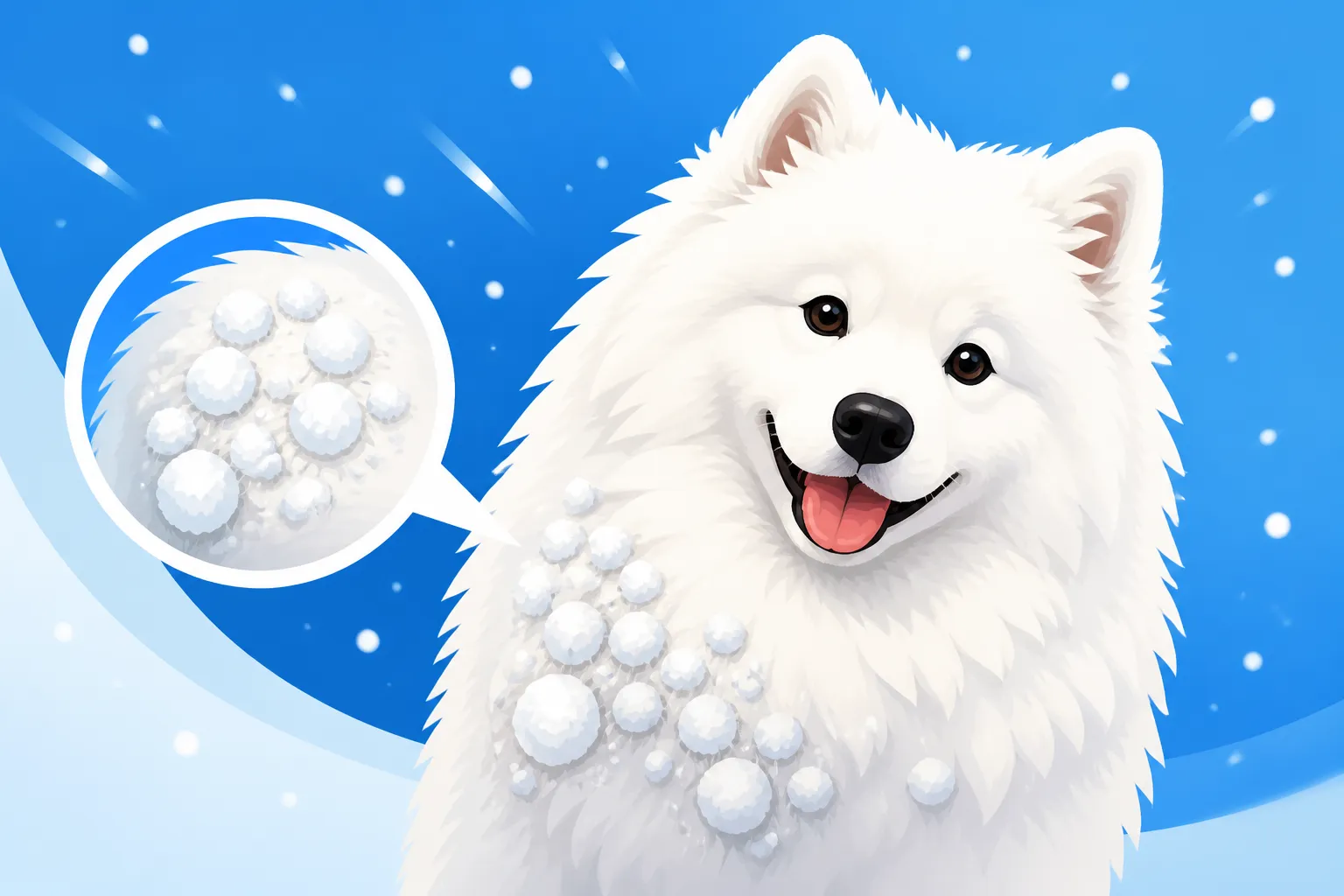
Ah, the magical wonder of a fresh snowfall, a true paradise for our fluffy white companions – until you realize your beautiful Samoyed has transformed into a living, breathing snow creature, completely covered in ice balls and dreadlocks of frozen fluff. It’s a common winter frustration that many Samoyed owners face, turning a joyful romp into a post-adventure grooming nightmare. This guide is here to walk you through exactly why those stubborn snowballs cling to your Samoyed's glorious coat and, more importantly, how to prevent them and deal with them effectively once they've appeared, ensuring winter remains a wonderland for both of you.
The Science Behind the Snowballs: Why Samoyeds Are Prone to It
It might seem unfair that a dog bred for arctic conditions, like our Samoyeds, would struggle with snow clinging to its coat. After all, they were meant for this, right? But the very features that keep them warm and dry in extreme cold also make them susceptible to the dreaded snowballs. It's a bit of a paradox, but one we can certainly understand once we dive into the unique structure of their incredible coat.
The Unique Structure of the Samoyed's Double Coat
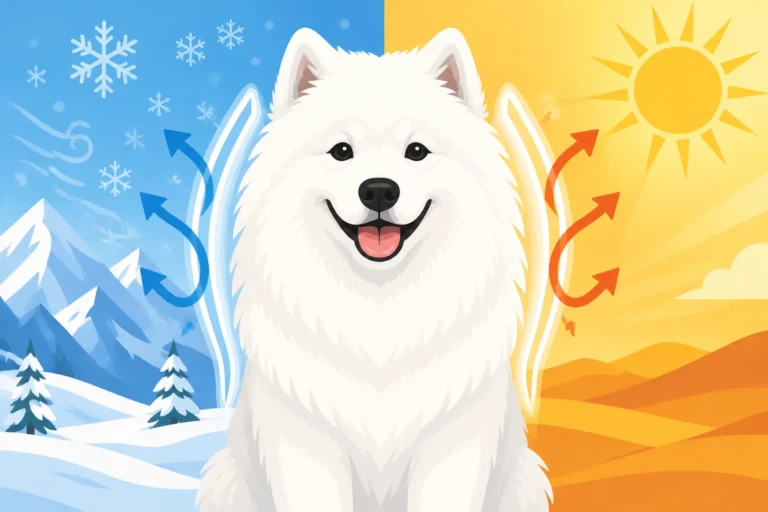
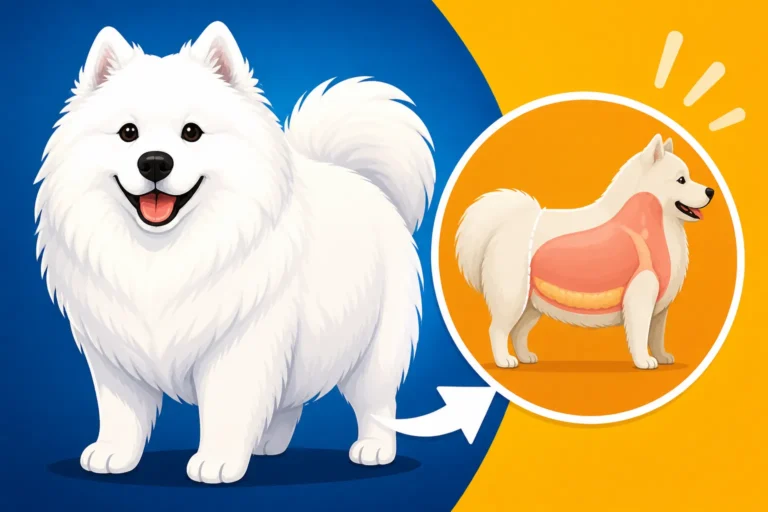
Our Samoyeds boast one of the most magnificent double coats in the canine world, a marvel of natural engineering. This coat is comprised of two distinct layers: a harsh, straight outer layer of guard hairs and a dense, woolly undercoat. The guard hairs are designed to shed dirt, water, and snow, while the plush undercoat provides incredible insulation, trapping warm air close to the body. This is why you often hear that Why a Samoyed's Coat Insulates Against Heat as Well as Cold – it's a brilliant thermoregulator.
However, snow, particularly when it's slightly wet or "packing snow," has a sneaky way of adhering to these fine hairs. As your Samoyed dashes through the snow, small bits of snow can get caught in the guard hairs. The dog's body heat then causes these tiny snow particles to melt ever so slightly, creating a thin film of water. This water then quickly refreezes around the hairs, bonding the snow to the fur. As more snow is encountered, more melting and refreezing occur, and these initial small clumps grow into larger, hard ice balls. The dense undercoat, while a blessing for warmth, also provides an ample surface area for these ice balls to form, especially in the areas where the fur is longest or tends to mat, like behind the ears, on the feathering of the legs, and, of course, around their magnificent ruff and trousers. This is a direct consequence of What a Samoyed's Double Coat Is Made Of and how it interacts with specific types of snow.
Static Electricity and Moisture: A Perfect Storm
Beyond the physical structure of the coat, environmental factors play a huge role. Winter air, especially in colder climates, is notoriously dry. This lack of humidity can lead to a significant build-up of static electricity in your Samoyed’s fur. Think about how your own hair might get flyaways or static cling in winter – it’s a similar principle.
When your Samoyed charges through the dry, cold air, the friction can generate static. This static electricity then acts like a magnet, attracting small, delicate snow crystals and ice particles to the fur. Once these tiny particles make contact, the process described above — slight melting from body heat, followed by refreezing — begins, solidifying the bond between snow and fur. It’s a vicious cycle where static draws in the snow, and the physical properties of the coat turn it into a frozen, matted mess. Areas of longer, finer hair are particularly vulnerable to this static-induced snow adhesion. It's a fascinating, if frustrating, interplay of physics and canine physiology, and it's something the ancient people who developed the breed, like The Nenets of the Yamal Peninsula Bred the Samoyed, likely dealt with in their own practical ways.
Preventing the Arctic Annoyance: Proactive Measures
The best offense is a good defense, especially when it comes to snowballs in your Samoyed’s coat. A few proactive steps before your dog even sets paw in the snow can make a world of difference, saving you significant time and effort later.
Strategic Grooming Before Snow Play
Regular, thorough grooming is the foundation of preventing snowballs. A well-maintained coat, free of tangles and dead undercoat, is less likely to hold onto snow.
- Pre-Snow Brushing: Before heading out for a snowy adventure, give your Samoyed a good brush. Use a slicker brush to get deep into the undercoat and remove any loose fur, followed by a metal comb to ensure there are no mats or tangles lurking beneath. Mats provide perfect anchor points for snowballs to form and grow quickly. A clean, smooth coat allows snow to shed more easily. Remember, How Often a Samoyed Needs Brushing is crucial year-round, but it becomes even more critical in winter.
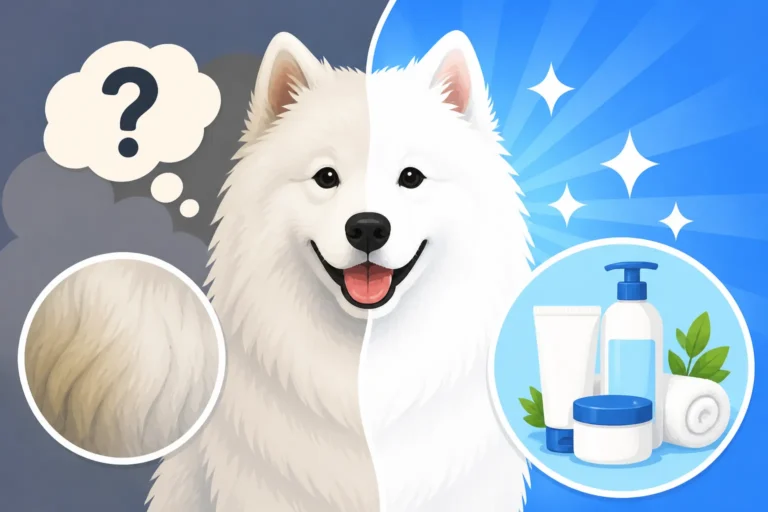
- Detanglers and Anti-Static Sprays: These products can be a lifesaver. Before your dog goes out, lightly mist their coat, especially the "hot spots" like legs, belly, and ruff, with a dog-safe detangling spray or an anti-static conditioner. Look for products designed for long-coated breeds. These sprays create a slicker surface on the individual hair shafts, making it harder for snow to adhere and for ice to bond. They can also help neutralize the static electricity that draws snow in. You can often find a good selection of these sprays on platforms like Chewy or Amazon, making it easy to stock up. Just make sure whatever you choose is non-toxic and formulated for pets.
- Oils and Balms: For extreme cases or specific problem areas like the feathering on legs or the underbelly, you can lightly apply a small amount of dog-safe coconut oil, a specialized paw balm, or a protective coat conditioning oil. These create a barrier that repels water and snow. Be careful not to use too much, as it can make the coat greasy and attract dirt. A tiny dab rubbed between your palms and lightly stroked over the vulnerable areas is usually sufficient.
Protective Gear: Investing in the Right Apparel
While the idea of putting clothing on a majestic Samoyed might seem counterintuitive given their natural coat, certain types of protective gear can be incredibly effective in preventing snowballs in the most problematic areas.
- Doggy Snowsuits or Leggings: For those deep snow days or extended play sessions, specialized dog snowsuits or leggings can be a game-changer. These typically cover the legs and sometimes the belly, completely shielding the fur from direct contact with snow. While a full snowsuit might be overkill for a Samoyed in moderate cold (given their amazing natural insulation), leggings specifically designed for preventing snow build-up can be fantastic. They might look a little silly, but they can prevent hours of painstaking de-icing later. Look for options that are easy to put on and take off and don't restrict your dog's movement. They should fit snugly enough to stay in place but not so tightly that they cause discomfort or rub.
- Paw Protection: Balms and Boots: The areas between your Samoyed's toes are incredibly susceptible to ice ball formation. These can become painful, causing your dog to limp, pick at their paws, or even refuse to walk.
- Paw Balms: Before going out, apply a generous layer of paw balm to the pads and especially between the toes. This creates a protective, water-repellent barrier. Again, look for natural, dog-safe balms that won't harm your dog if licked. Brands like Musher's Secret or similar protective waxes found on Chewy are popular choices.
- Dog Boots: For ultimate paw protection, dog boots are the way to go. They completely shield the paws from snow, ice, and road salt, which can also be irritating. Getting your Samoyed used to boots might take some patience and positive reinforcement, as many dogs initially find them awkward. Start with short wear times indoors, using treats and praise, gradually extending the duration and moving to outdoor walks. Make sure the boots fit well – not too tight, not too loose – to prevent chafing or falling off during play.
The Aftermath: Dealing with Existing Snowballs
Sometimes, despite all your best efforts, your Samoyed will come back from their snow escapade looking like a walking snowdrift. Don't panic! With a little patience and the right technique, you can safely and comfortably remove those icy nuisances.
Gentle Removal Techniques
The key word here is gentle. Yanking at frozen clumps of fur will be painful for your dog and can damage their coat, leading to breakage and even skin irritation.
- Patience is Your Best Friend: This isn't a race. Set aside enough time and approach the task calmly. Your Samoyed will pick up on your stress, making them less cooperative. Find a comfortable spot, perhaps with a non-slip mat, and have all your tools ready.
- The Warm Water Method: This is often the most effective and least stressful way.
- Gather Supplies: You'll need a couple of warm, damp towels, a spray bottle filled with lukewarm water, and a wide-toothed metal comb or a slicker brush.
- Isolate the Area: Gently hold the fur around a snowball to prevent pulling on the skin.
- Apply Warmth: Place a warm, damp towel over the snowball for a minute or two. The warmth will help to melt the ice. You can also spritz the snowball directly with lukewarm water from your spray bottle. Don't saturate the entire dog, just the affected areas.
- Gently Break Apart: Once the ice has softened slightly, you can often gently squeeze and crumble the snowball between your fingers.
- Comb Through: Use your wide-toothed comb to carefully tease apart any remaining icy bits and matted fur. Always comb away from the skin, starting at the ends of the fur and working your way up. If you encounter resistance, reapply warmth and try again.
- Never Use Scissors Recklessly: While it might be tempting to just cut out a stubborn mat, this is extremely risky. It’s incredibly easy to accidentally snip your dog’s skin, especially with a thick coat where the skin can be pulled up into the mat. If a snowball is truly impossible to remove with the warm water and comb method, and it's close to the skin, consider taking your dog to a professional groomer or your vet to have it safely shaved out. Your Samoyed might be stoic, but remember How a Samoyed Hides Illness Behind a Smile – they might endure discomfort without complaint.
Tools and Products for Easier Detangling
Having the right tools on hand can make the removal process much smoother.
- Wide-Toothed Metal Comb: This is indispensable. The wide teeth are less likely to pull and snag than a fine-toothed comb, making it ideal for gently separating icy clumps and working through damp fur.
- Slicker Brush: After the major snowballs are gone, a slicker brush is excellent for fluffing and finishing the coat, ensuring all smaller bits of ice and tangles are removed.
- Detangling Sprays/Conditioners: As mentioned for prevention, these are also fantastic for removal. Spritzing a detangling spray onto a softened snowball can help lubricate the hairs, allowing the ice to slide off more easily and making combing much simpler. You can find many effective options at pet supply stores or online marketplaces like Amazon, often with soothing ingredients like aloe vera or oatmeal to be gentle on the skin.
- Force Dryer (or Pet Dryer): If your Samoyed is accustomed to it, a cool or low-heat force dryer can be incredibly effective. The powerful, focused airflow can actually help to break up and blow out smaller ice crystals from the coat, especially after a quick towel-drying. It's also excellent for ensuring the coat is thoroughly dry after any warm water application, preventing new mats or skin issues. Proper drying is crucial for any long-coated breed, similar to ensuring Drying a Samoyed to the Skin after a bath.
| Method | Pros | Cons | Best Use Case |
|---|---|---|---|
| Pre-Snow Brushing | Prevents formation, improves coat health. | Requires consistent effort. | Everyday routine, especially before heavy snow. |
| Detangling Spray | Creates a slick barrier, reduces static. | Needs reapplication, can be costly. | Targeted prevention on problem areas. |
| Protective Gear | Highly effective for specific body parts. | May be uncomfortable for some dogs, costly. | Deep snow, extended outdoor play, sensitive areas. |
| Paw Balms/Boots | Protects sensitive paws, prevents limping. | Balms need reapplication, boots take training. | For all snow types, especially icy conditions and salt. |
| Warm Water/Towel | Gentle, effective, humane. | Can be time-consuming, wets the dog. | Removing large, stubborn ice balls after play. |
| Combing | Essential for disentangling. | Can pull fur if not done gently. | Removing smaller bits of ice and detangling mats. |
Living the Winter Life: Embracing the Snow Safely
Samoyeds are snow dogs at heart. Denying them the joy of a good winter romp simply isn't an option for most owners, nor should it be! Why a Samoyed Comes Alive in Snow is a beautiful sight to behold. Instead, let's look at how we can embrace their love for snow while minimizing the grooming headaches.
Optimizing Winter Exercise
Your Samoyed needs exercise, regardless of the weather. Finding the right balance will make both of you happier.
- Choose Your Snow Wisely: Pay attention to the type of snow. Dry, powdery snow is far less likely to cause severe snowballing than wet, heavy, or packing snow. If you know it's the "sticky" kind of snow, you might opt for a shorter playtime or stick to less deep areas.
- Timing is Everything: Consider the temperature. In extremely cold, dry conditions, static might be worse, but the snow itself might be less sticky. On warmer winter days (just above freezing), the snow will be very wet and prone to clumping. You might find a sweet spot where the snow is still cold enough not to melt easily but not so dry as to create excessive static. Observe your local conditions and your dog's coat to learn what works best.
- Activities That Minimize Contact: While a full dive into a snowdrift is inevitable and delightful for a Samoyed, consider activities that might reduce overall contact with deep snow if you're trying to minimize snowballing. Running on a cleared path or playing fetch with a bright toy in a lightly snow-dusted area can still provide excellent exercise without the same level of coat saturation. However, if your Samoyed's true joy is diving headfirst into drifts, embrace it, and just be ready for the post-play routine! The Age a Samoyed Can Start Sledding is a good indicator of their desire to work in snow, so don't deny them the pleasure of pulling or romping.
Creating a Post-Snow Routine
A consistent routine immediately after coming inside will save you a lot of grief.
- The "De-Snowing Station": Designate a specific area near your entryway as the "de-snowing station." This might be a mudroom, a tiled area, or even a large mat. Have your towels, comb, spray bottle, and any other tools ready. This contains the mess and makes the process more efficient.
- Immediate Action: Don't let your Samoyed wander through the house with snowballs still clinging to their fur. Not only will they melt and make a watery mess, but the snowballs can also become more tightly matted as the ice melts and the fur dries in clumps. As soon as you come in, guide them to the de-snowing station.
- Quick Checks: Even if you used preventative measures, do a quick check of the usual suspects: armpits, groin, feathering on legs, and around the ruff. Removing small icy bits before they have a chance to grow larger is always easier.
- Thorough Drying (If Needed): If you've used warm water to melt snowballs, ensure the affected areas are thoroughly towel-dried to prevent chilling, especially if they are going to lie down on a cold floor. While a Samoyed's coat is incredible, allowing it to stay damp can lead to skin irritation or matting if not properly dried.
Remember, owning a Samoyed means embracing their love for the cold and snow. With the right preventative measures and a patient approach to post-play grooming, you can ensure that winter remains a highlight for your furry friend, and less of a chore for you. Taking care of What a Samoyed Needs Every Day includes managing their coat in all seasons.
Disclaimer
This article is for general informational purposes only and does not constitute professional advice. Laws, prices and regulations vary by location and change over time. Consult a qualified professional for guidance on your specific situation.