Whether a Samoyed Can Be Left in a Car for Any Time
It's a scene many Samoyed owners know all too well: you're out and about, maybe running a quick errand, and you wish you could bring your fluffy companion along. But then reality sets in – that quick stop isn't always quick, and leaving your beautiful Samoyed in a car, even for what seems like a short time, can turn into a life-threatening situation faster than you can imagine. This guide is here to cut through the myths and clearly explain why leaving a Samoyed unattended in a vehicle, under almost any circumstance, is a serious risk, and what safe alternatives exist to protect your beloved family member.
The Unseen Dangers: Why a Car Becomes a Death Trap for a Samoyed
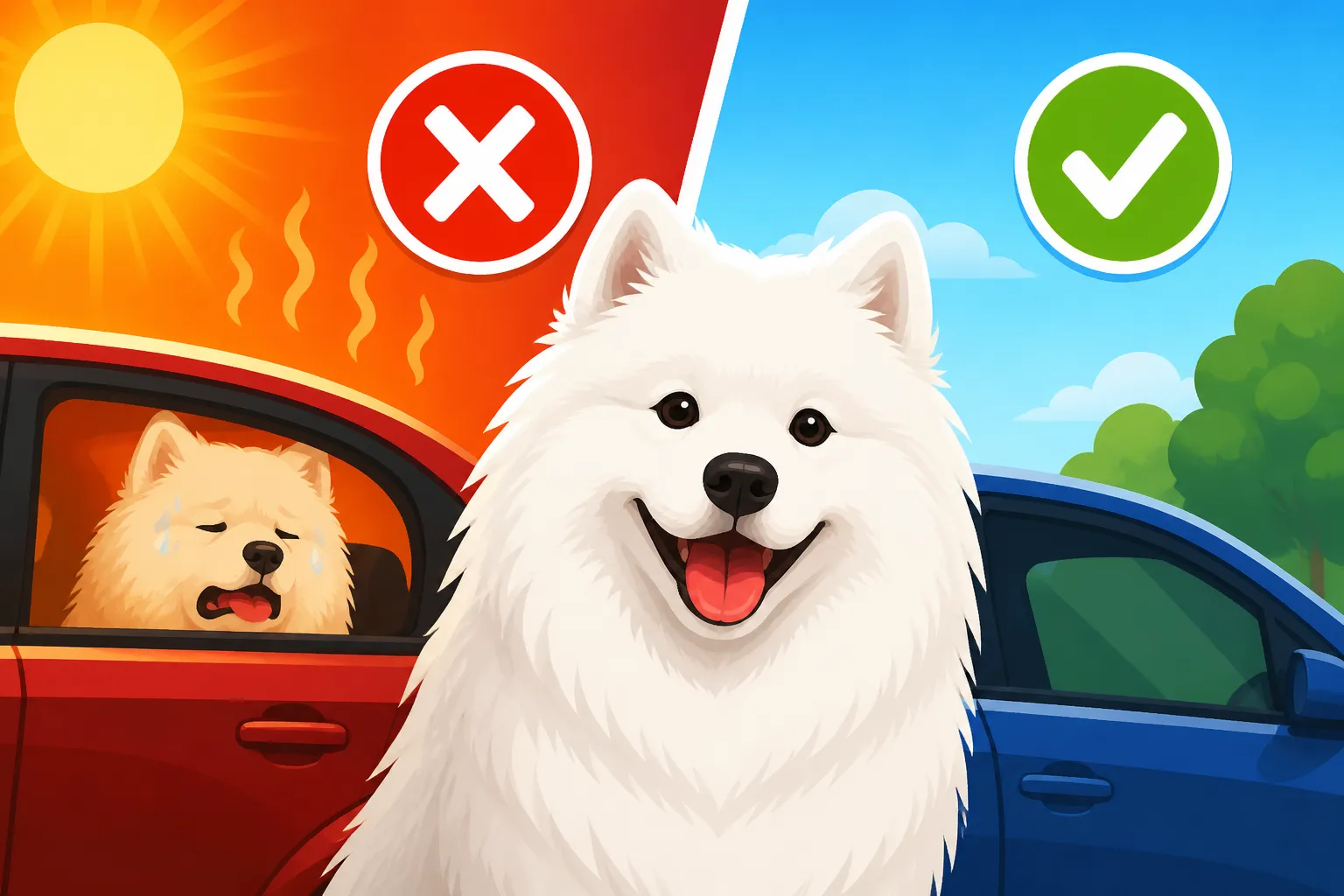
Our Samoyeds, with their glorious double coats and naturally warm dispositions, are incredibly vulnerable to heatstroke. What might feel like a pleasant spring day to us can quickly become an oven inside a car, even with the windows cracked. It's a danger that's often underestimated, with tragic consequences.
The Rapid Rise of Internal Temperature
You might think that on a mild 70-degree Fahrenheit day, your car will stay relatively cool. This is a dangerous misconception. The reality is shocking. Within just 10 minutes, the temperature inside a car can climb to 89 degrees Fahrenheit. In 20 minutes, it can reach 99 degrees. An hour? We're talking 114 degrees. These aren't extreme summer days; these are common, everyday temperatures where people mistakenly believe their dogs will be fine. The sun's rays entering the car's windows create a greenhouse effect, trapping heat and raising the internal temperature far beyond what's comfortable or safe for any living creature, especially a dog. The materials inside your car—the seats, the dashboard, the floor—absorb and radiate heat, turning the cabin into a convection oven.
Think about it this way: your car is designed to be an enclosed space. It's fantastic for keeping you warm in winter, but in any moderate to warm weather, it's terrible at dissipating heat. The small volume of air inside heats up incredibly quickly, and there's nowhere for that heat to go. It's not just the ambient air temperature; it's the radiant heat, the humidity, and the lack of air circulation that combine to create a deadly environment.
Samoyeds and Their Unique Vulnerability to Heat
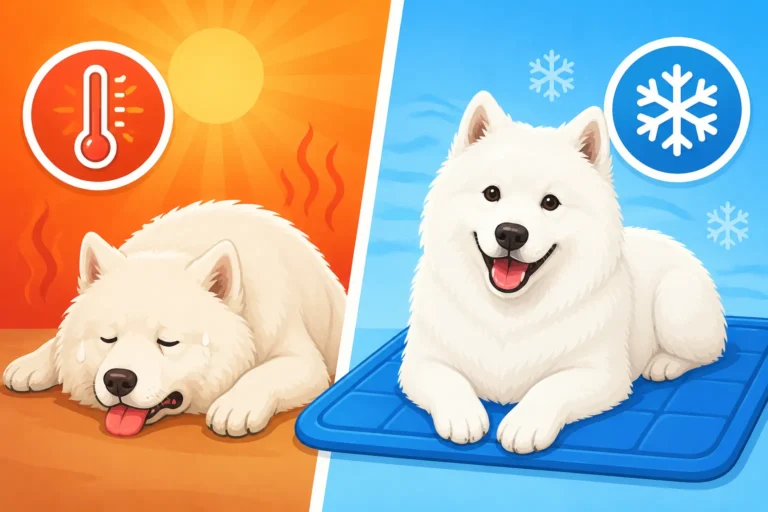
Samoyeds are majestic dogs, built for the frigid landscapes of Siberia. Their dense, beautiful double coats are a marvel of insulation, perfectly designed to trap warm air close to their bodies and protect them from temperatures well below freezing. This incredible adaptation, however, becomes a liability in the heat. Their coat, which is so effective at keeping them warm, also makes it incredibly difficult for them to cool down. Unlike humans who sweat all over their bodies, dogs primarily cool themselves by panting and through the pads of their feet. A Samoyed's thick coat acts like a heavy winter parka in summer, making panting less effective and trapping heat around their core.
A Samoyed's normal body temperature is already higher than a human's, typically around 101 to 102.5 degrees Fahrenheit. When their internal temperature rises to 104 degrees, they are officially experiencing heatstroke, and above 106 degrees, organ damage begins to occur rapidly, leading to kidney failure, brain damage, and even death. Their thick fur, coupled with their already warm body temperature, means they hit that dangerous threshold much faster than a short-haired dog, or certainly a human. You might notice them panting more heavily, seeking shade, or even refusing to walk in the heat. These are all signs that their body is struggling. Signs a Samoyed Is Overheating can escalate quickly from subtle discomfort to a full-blown emergency.
The Silent Killer: Dehydration and Organ Damage
Beyond the immediate threat of heatstroke, prolonged exposure to high temperatures in a car can lead to severe dehydration. Dogs don't have access to water when left alone, and the increased panting required to try and cool down rapidly depletes their body's water reserves. Dehydration puts immense strain on their kidneys, heart, and other vital organs.
As the body struggles with heatstroke, blood flow is redirected to critical organs, often at the expense of others. This can lead to a cascade of internal damage, including acute kidney injury (something Samoyeds already need careful monitoring for, considering conditions like The Kidney Disease That Kills Samoyed Males Before Fifteen Months), liver damage, brain swelling, and disseminated intravascular coagulation (DIC), a life-threatening blood clotting disorder. The initial symptoms might be subtle – heavy panting, drooling, lethargy – but these quickly progress to vomiting, diarrhea, seizures, and collapse. Even if a Samoyed survives, they can suffer long-term health complications.
Misconceptions and False Comforts: What Doesn't Work to Keep a Samoyed Safe in a Car
It's natural to want to believe that there are safe ways to include your dog in your daily errands. Unfortunately, many common practices or assumptions about leaving a dog in a car are simply not enough to protect them, especially a thick-coated Samoyed.
Cracked Windows: A Myth of Cooling
This is perhaps the most persistent and dangerous myth out there. Many owners believe that cracking the windows an inch or two provides enough airflow to keep the car cool. The scientific data, however, tells a very different story. Studies have consistently shown that cracking windows has virtually no effect on the internal temperature of a parked car. The small amount of air circulation simply isn't enough to counteract the greenhouse effect.
Think about it: even if a slight breeze enters, it's almost immediately absorbed by the trapped hot air and radiated heat from the car's interior. The heat builds up much faster than any minimal air exchange can dissipate it. Your Samoyed, panting furiously, is still breathing in superheated air, with no real relief. The expectation that a cracked window provides comfort is a false comfort, and it actively puts your dog at risk.
"Just a Few Minutes": The Time Trap
"I'll only be gone for five minutes!" This thought has been the downfall of countless well-meaning dog owners. The truth is, "just a few minutes" is often all it takes for temperatures to climb to dangerous levels. As we discussed, a car's internal temperature can rise nearly 20 degrees in just 10 minutes. For a Samoyed, particularly one already sensitive to heat, those few minutes can be the difference between discomfort and a medical emergency.
Life happens, and a "quick stop" can easily turn into a longer one. A forgotten item, a long line at the checkout, a chat with a friend – suddenly, ten minutes becomes twenty, and twenty minutes becomes half an hour. By then, the car has become unbearable, and your Samoyed is in serious trouble. There's no reliable way to predict exactly how long you'll be, and betting your dog's life on a tight schedule is a risk no responsible owner should take. How Long a Samoyed Can Be Outside at Ninety Degrees is very short; inside a car, it's even less.
Cloudy Days and Mild Temperatures: Still Dangerous
Another common misconception is that if it's cloudy, or if the outside temperature feels mild (say, in the 60s Fahrenheit), then it's safe to leave your dog. While direct sunlight certainly exacerbates the problem, a cloudy day does not eliminate the risk. Cars still heat up significantly even on overcast days because UV rays can penetrate clouds and still contribute to the greenhouse effect.
Furthermore, "mild" for a human is often still too warm for a Samoyed. Their thick coats are designed for A Samoyed Built for Sixty Below in an American Summer, not even temperate days in an enclosed car. What feels cool to your skin might still be too warm for a dog unable to shed heat effectively. It's not just extreme heat waves that pose a threat; any day where the temperature is above freezing can create a dangerous environment inside a parked car. The safest approach is to assume that if you wouldn't comfortably sit in a parked car with no AC for an extended period, your Samoyed certainly shouldn't either.
Here's a quick look at how quickly car temperatures can rise:
| Outside Air Temperature (F) | Inside Car Temperature After 10 Mins (F) | Inside Car Temperature After 30 Mins (F) | Inside Car Temperature After 60 Mins (F) | Risk Level for Samoyed |
|---|---|---|---|---|
| 70 | 89 | 104 | 114 | High to Extreme |
| 75 | 94 | 109 | 119 | High to Extreme |
| 80 | 99 | 114 | 124 | Extreme |
| 85 | 104 | 119 | 129 | Extreme |
| 90 | 109 | 124 | 134 | Extreme |
Note: These are approximations and can vary based on car color, humidity, sun intensity, and other factors. Even on cooler days, risk is present.
Legal and Ethical Implications: The Consequences of Leaving Your Samoyed in a Vehicle
Beyond the obvious dangers to your Samoyed's health, leaving a dog in a hot car can have significant legal ramifications, draw public outcry, and burden you with immense guilt. It's a choice that has consequences far beyond what many owners anticipate.
The Law is Catching Up
More and more states and municipalities across the country are enacting "hot car" laws for pets. These laws often make it illegal to leave an animal unattended in a vehicle when weather conditions could endanger their health or safety. The specifics vary, but generally, they grant law enforcement officers (and sometimes even concerned citizens) the authority to remove an animal from a vehicle if they believe it is in imminent danger.
Penalties for violating these laws can range from hefty fines to animal cruelty charges, and even jail time in severe cases. You could face charges, have your dog seized, and be responsible for any veterinary bills incurred from an emergency rescue. It’s not just a moral failing; it’s increasingly a legal one, and ignorance of the law is rarely an acceptable defense. The legal landscape is constantly evolving to protect vulnerable animals, and rightfully so.
The Moral Burden and Public Reaction
Imagine returning to your car to find a crowd gathered, police present, and your windows smashed. This is a very real scenario that plays out regularly when a concerned passerby spots a dog in distress. People are, rightly, passionate about animal welfare, and seeing a dog struggling in a hot car is likely to provoke a strong reaction. You could find yourself subject to public shaming, social media outrage, and a complete loss of public trust.
Beyond the immediate public reaction, consider the emotional toll on you if something were to happen to your Samoyed. The guilt, regret, and sorrow would be immense and long-lasting. Our dogs trust us implicitly to keep them safe. Failing in that trust, especially over something as avoidable as leaving them in a hot car, is a heavy burden to carry. It's a situation that is entirely preventable with proper planning and a clear understanding of the risks.
Veterinary Consequences and Emergency Interventions
If your Samoyed suffers from heatstroke after being left in a car, the veterinary consequences can be severe and expensive. Emergency treatment for heatstroke often involves aggressive intravenous fluid therapy, cooling measures, medications to protect organs, and close monitoring for complications like kidney failure or blood clotting disorders.
These interventions are not only costly but also traumatic for your dog. They might need to be hospitalized for days, undergoing painful procedures and facing an uncertain prognosis. Even with the best veterinary care, some dogs don't recover, or they suffer permanent damage. How a Samoyed Should Be Cooled Down is a task for medical professionals in an emergency, but it's far better to prevent the situation entirely than to rely on emergency intervention. The best veterinary care in the world cannot undo all the damage caused by severe heatstroke.
Responsible Alternatives: Keeping Your Samoyed Safe When You Can't Bring Them In
The good news is that avoiding this dangerous scenario is entirely within your control. With a little foresight and a commitment to your Samoyed's safety, you can ensure they are always protected, even when your errands call.
Planning Ahead: Leaving Your Samoyed Safely at Home
The simplest and safest solution is almost always to leave your Samoyed at home if you know you'll be making stops where they can't join you. Our Samoyeds are incredibly social and love being with us, but their safety must come first. Before you leave the house, consider your itinerary. If a significant portion involves places where dogs aren't allowed or where they'd need to wait in the car, make the responsible choice and let them stay home.
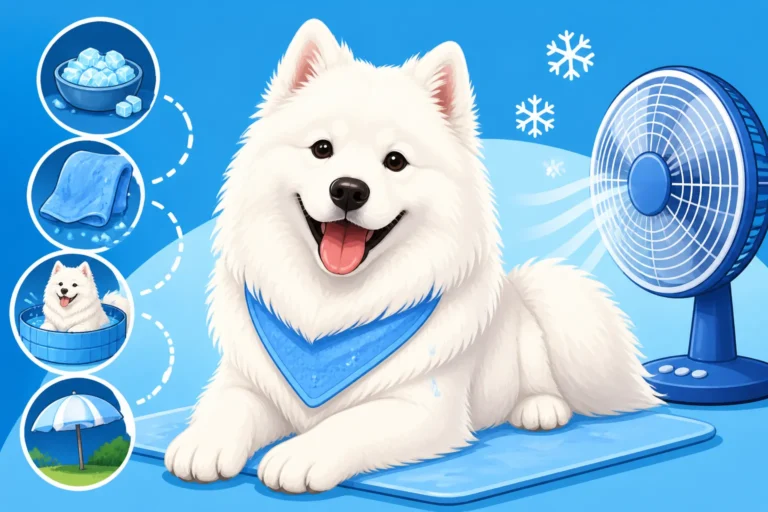
Ensure they have access to fresh, cool water—perhaps from a large bowl or an automatic water fountain you might find on Amazon—and a comfortable, cool spot in your home. This might be a tiled floor, near an air conditioning vent, or even a cooling mat. If you have to be out for an extended period, ensure the house temperature is comfortable for them. What Air Conditioning Adds to a Samoyed Household is more than just comfort; it's a necessity in many climates. Provide them with a favorite toy or a puzzle feeder filled with a healthy treat (many options available on Chewy) to keep them mentally stimulated while you're away. For their regular meals, whether it's delicious fresh food from Ollie or their favorite kibble, feed them at home at their usual time.
Emergency Preparedness: What to Do If You See a Dog in Distress
While we hope no one ever encounters a dog in distress in a hot car, it's vital to know what to do if you do. Your quick and decisive action could save a life.
- Assess the Situation: First, determine if the dog is showing signs of distress. These can include excessive panting, drooling, lethargy, vomiting, shaking, or collapsing. Check for signs of active attempts to cool down, like pushing against a cracked window.
- Locate the Owner: If possible, try to find the owner. Look around nearby stores, ask security, or have a store manager page them. Many establishments will have protocols for this.
- Call for Help: If the owner cannot be located quickly and the dog is in distress, immediately call animal control or your local emergency services (like 911). Explain the situation clearly, including the car's make, model, color, license plate number, and the dog's condition.
- Stay on Scene (Safely): Wait for authorities to arrive. Do not leave the scene unless explicitly told to do so by emergency personnel. If local laws allow citizens to break into a car to save a distressed animal, proceed with extreme caution and ensure you have witnesses and have already called authorities. Your primary goal is the dog's safety and ensuring legal protection for yourself if you have to intervene.
Making the Right Choices for Your Samoyed's Safety
Ultimately, the choice comes down to prioritizing your Samoyed's well-being over convenience. These dogs depend on us entirely for their safety and comfort. Understanding Why a Samoyed's Coat Insulates Against Heat as Well as Cold is key to appreciating their vulnerability.
Consider these alternatives:
- Pet-Friendly Establishments: If you really want your Samoyed to join you, seek out truly pet-friendly businesses that welcome dogs inside. Many outdoor cafes, pet supply stores, and some boutiques are happy to have well-behaved dogs.
- Designated Dog Days: Plan outings specifically for your Samoyed, such as trips to the dog park, hiking trails, or a nice long walk in a cooler area. Whether a Samoyed Should Only Be Exercised at Night in Summer is often a good strategy for warm climates.
- Home Comfort: Invest in good quality indoor enrichment. Toys from Chewy or Amazon can keep your Samoyed entertained. The Job a Samoyed Actually Needs often involves mental stimulation as much as physical exercise.
- Professional Care: If you need to be away for a very long time and don't want to leave your Samoyed completely alone, consider a trusted pet sitter or a reputable doggy daycare where they'll be monitored in a climate-controlled environment.
Your Samoyed's health and happiness are priceless. By making informed decisions and planning ahead, you can ensure they are always safe, cool, and comfortable, even when you can't be by their side every single second.
Disclaimer
This article is for general informational purposes only and does not constitute professional advice. Laws, prices and regulations vary by location and change over time. Consult a qualified professional for guidance on your specific situation.