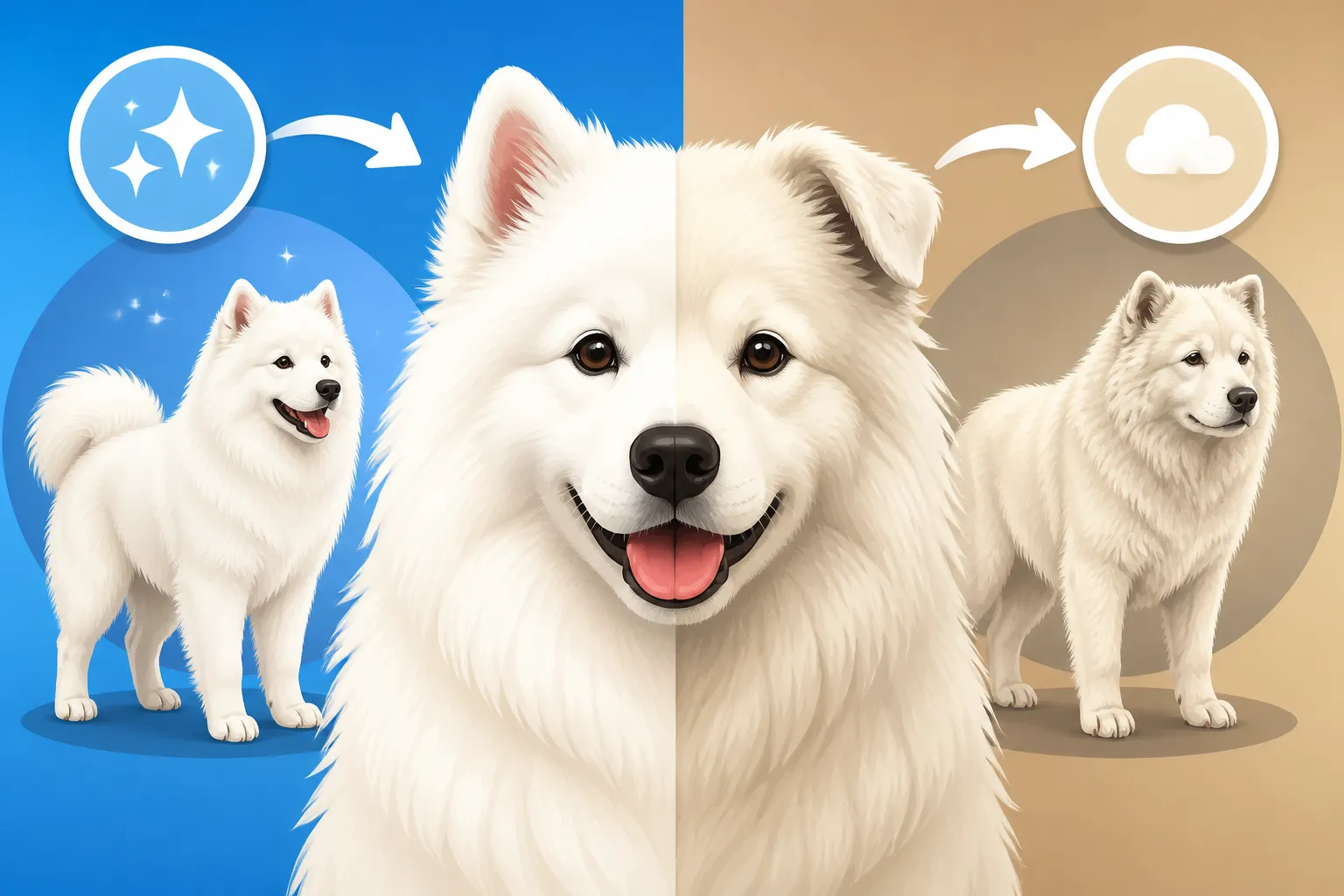
How an Old Samoyed’s Coat Changes
It's always a little bittersweet, isn't it? One day you look at your beloved Samoyed and realize their once pristine, cloud-like coat isn't quite the same. The bright white might seem a little duller, or perhaps the texture has shifted, and you're left wondering if it's just your imagination or if time is truly leaving its mark. This guide is here to walk you through the very real and natural changes you'll notice in an old Samoyed's coat, helping you understand why they happen and how best to care for your cherished companion as they age gracefully.
The Subtle Shifts in an Aging Samoyed's Fur
As our Samoyeds transition into their golden years, many owners notice a gradual transformation in their majestic coats. It’s not an overnight change, but rather a slow evolution that reflects the internal processes of aging. These changes aren't just aesthetic; they can offer clues about your dog's overall health and comfort. Understanding these shifts is the first step in providing the best care for your senior companion.
Color Variations and Pigment Fading
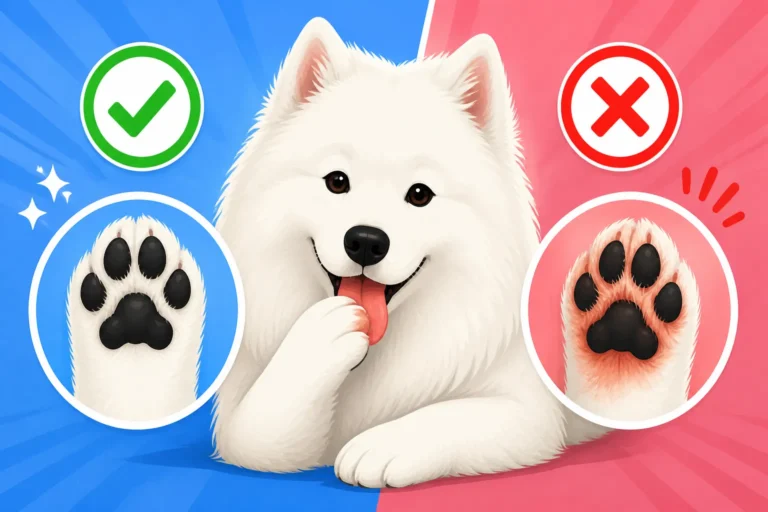
One of the most common and noticeable changes in an older Samoyed's coat is in its color. That dazzling, snow-white fur that once gleamed can begin to take on a more subdued hue. Often, this manifests as a yellowish or creamy tint, especially in areas prone to self-licking or where the fur naturally comes into contact with environmental elements, like around the mouth or on the paws. It's not necessarily about being dirty; it's a genuine pigment shift as their body's cells age.
You might also observe a general dulling of the overall coat color. The vibrant white might lose some of its youthful luster, becoming a softer, perhaps slightly off-white shade. This fading is a normal part of the aging process, similar to how human hair can thin or lose its original pigment. While a thorough bath can certainly brighten an older Samoyed's coat, don't expect it to magically revert to its puppy-white glory, as these pigment changes are more than just surface-level.
Sometimes, new, subtle biscuit-colored patches might become more prominent, or existing ones might deepen slightly. Conversely, some areas that had biscuit markings when younger might fade to a lighter cream. Each Samoyed ages uniquely, but these color variations are a tell-tale sign that your furry friend is becoming a distinguished senior. It's a visual reminder of their journey, and while it might not be the show-ring pristine white, it carries its own charm and history.
Texture Transformation From Plush to Coarser
Remember the incredibly soft, dense undercoat of a young Samoyed? It felt like touching a cloud. As they age, you might find that the luxurious softness begins to diminish. The coat can become noticeably coarser, almost wiry in some areas, particularly along the back and sides. This change in texture is a result of alterations in the hair follicles themselves, which produce hair that is less fine and perhaps more brittle.
The guard hairs, which are the longer, stiffer outer hairs, might become more dominant or feel rougher to the touch. This can make the coat feel less plush and more utilitarian. While it’s still a protective double coat, it might not have the same springy resilience it once did. This textural shift can also make the coat slightly more prone to tangling if not brushed regularly, as the individual strands may not lie as smoothly as they used to.
This coarsening of the coat can also be accompanied by a change in how the fur holds its shape. A younger Samoyed's coat might bounce back easily after being ruffled, but an older Samoyed's fur might lie flatter or feel less voluminous. It's a natural progression, and while it requires a slight adjustment in your grooming approach, it’s not typically a cause for alarm on its own. It's just another part of watching your beloved Samoyed mature into their senior years.
Changes in Coat Density and Thickness
Another significant change you might observe is in the overall density and thickness of your senior Samoyed's coat. That magnificent, thick cloud of fur can start to thin out, especially in certain areas. Common spots for thinning include the flanks, the belly, the inner thighs, and sometimes even around the tail or behind the ears. This isn't usually dramatic hair loss but a gradual reduction in the number of active hair follicles or the thickness of the individual strands they produce.
The renowned "coat blow" that Samoyeds are famous for might also change as they get older. While they will still shed, the massive, once-or-twice-a-year shedding event could become less intense. Instead, you might find a more consistent, albeit lighter, amount of shedding throughout the year. The undercoat, which provides much of their insulation and volume, might not regenerate with the same vigor or density as it did in their prime.
This reduction in density can make your Samoyed feel less "fluffy" and more streamlined. For a breed known for its immense coat, this can feel quite different under your hands. It's important to keep an eye on excessive thinning or patchy baldness, as that could indicate an underlying health issue. However, a general, even reduction in coat density across the body is often just another sign of Signs a Samoyed Is Getting Old.
Understanding Why Your Senior Samoyed's Coat Is Changing
It's natural to worry when you see changes in your Samoyed, especially something as iconic as their coat. But rest assured, many of these transformations are a normal and expected part of the aging process. Just like us, dogs experience physiological shifts as they get older, and their skin and coat are often the first places to show these signs.
The Natural Process of Aging
At its core, the changes in an old Samoyed's coat are largely due to the natural, inevitable process of aging. Over time, the cellular regeneration slows down across the entire body, including in the skin and hair follicles. This means the cells that produce hair might not work as efficiently as they once did. The production of essential oils for a healthy, shiny coat can also decrease, leading to drier skin and a duller, more brittle fur.
The overall metabolic rate of a senior dog typically slows down, impacting nutrient delivery to the skin and coat. Think of it like a seasoned gardener: they might not have the same energy to maintain every single plant to perfection as they did in their younger years. The body prioritizes vital organs, and while a healthy coat is important, it might not receive the same level of internal investment it once did.
Furthermore, cumulative exposure to the sun and various environmental factors throughout their life can also contribute to coat changes. Years of playful romps in the sun, even with their protective coat, can slowly affect hair quality. It’s all part of the journey, and these age-related changes are a gentle reminder that your Samoyed is simply growing into a distinguished senior citizen.
Hormonal and Metabolic Influences
Beyond the simple passage of time, hormonal and metabolic changes play a significant role in how a Samoyed's coat evolves. The endocrine system, responsible for producing hormones, can become less efficient with age. For instance, a common concern in older dogs is hypothyroidism, where the thyroid gland doesn't produce enough hormones. A classic sign of this condition can be a dull, dry, brittle coat, often accompanied by thinning, especially over the back and flanks. If you notice severe coat changes along with other symptoms like lethargy or weight gain, it's worth discussing with your vet. Whether a Samoyed's Coat Thins With Thyroid Disease is a question many owners ponder.
Other metabolic processes can also affect coat health. As dogs age, their digestive systems might not absorb nutrients as effectively. If they aren't getting all the vitamins, minerals, and essential fatty acids they need, it can directly impact the quality of their skin and fur. This is why a balanced, senior-appropriate diet is so crucial for Feeding an Old Samoyed. Even conditions like Diabetes in a Middle Aged Samoyed, though often associated with other symptoms, can indirectly affect coat health due to systemic metabolic stress.
Consider factors like kidney function as well. While not directly hormonal, compromised kidney health, a concern in Samoyeds particularly for conditions like The Kidney Disease That Kills Samoyed Males Before Fifteen Months or even just general age-related kidney decline, can lead to toxin buildup that manifests in poor coat quality. While often subtle, these internal shifts can have visible external consequences, reinforcing the idea that a healthy coat is a reflection of overall health.
Underlying Health Considerations
While many coat changes are a normal part of aging, it's incredibly important to differentiate between natural progression and signs of an underlying health issue. A dull, dry, or excessively thinning coat can sometimes be a red flag. Beyond hypothyroidism, other conditions like Cushing's disease (adrenal gland overactivity), various skin infections, or even chronic allergies can present with changes in coat quality and integrity.
Parasites, though less common in well-cared-for senior dogs, can also exacerbate coat issues, causing irritation, scratching, and subsequent fur damage. Nutritional deficiencies, perhaps stemming from a poorly balanced diet or issues with absorption, can also leave their mark on the coat. If your Samoyed is experiencing itchiness, flaky skin, bald patches, or any sores in conjunction with coat changes, a trip to the vet is definitely in order. These symptoms are not just about aesthetics; they are often indicators that your dog is uncomfortable or unwell.
Remember, senior dogs, like senior people, are more susceptible to various health challenges. Their immune systems might not be as robust, making them more prone to skin issues. A holistic view of their health, including regular veterinary check-ups, is key. Don’t dismiss significant coat changes as "just old age" without ruling out treatable conditions first. Caring for an Old Samoyed means being vigilant about all changes, big or small.
Adapting Your Grooming Routine for a Senior Samoyed
As your Samoyed ages and their coat undergoes these transformations, your grooming routine will naturally need some adjustments. What worked perfectly for a bouncy, energetic young adult might not be ideal for a calmer, potentially more sensitive senior dog. The goal shifts slightly: from maintaining pristine show-dog glory to ensuring comfort, cleanliness, and promoting healthy skin and fur for their remaining years.
Gentle Brushing and Detangling
Older Samoyeds often appreciate a gentler touch during grooming sessions. Their skin can become thinner and more delicate, and any underlying arthritis (a concern in many large breeds, including Samoyeds) can make prolonged standing or awkward positions uncomfortable. Switch to softer brushes if your current tools feel too harsh. A slicker brush with fine, flexible pins can still be effective for removing undercoat, but use it with a very light hand. A good quality pin brush can work wonders for stimulating circulation without irritating the skin.
Consider breaking grooming sessions into shorter, more frequent bursts rather than one long, arduous ordeal. This allows your senior Samoyed to rest and avoids unnecessary stress or fatigue. Focus on areas where mats are most likely to form, such as behind the ears, under the legs, and around the tail. The texture changes in their coat can make it more prone to tangles, so regular, gentle detangling is crucial. Products like a good detangling spray, available at pet stores or online platforms like Chewy or Amazon, can make the process smoother and more comfortable for both of you.
Always be mindful of any signs of discomfort from your dog. If they flinch or pull away, investigate gently for mats, skin irritation, or pain. These grooming sessions are also a wonderful opportunity to check for new lumps or bumps, which are common in older dogs. It's not just about the coat; it's a full-body wellness check disguised as a pampering session.
Bathing and Skin Care Considerations
Bathing an older Samoyed requires a bit more thought and care. Their skin might be drier and more sensitive, so opt for moisturizing, gentle shampoos specifically formulated for sensitive skin or senior dogs. Avoid harsh detergents or strongly perfumed products that could cause irritation. The frequency of bathing might also need adjustment; while Samoyeds generally stay quite clean, an older dog might benefit from slightly more or less frequent baths depending on their skin condition and activity level.
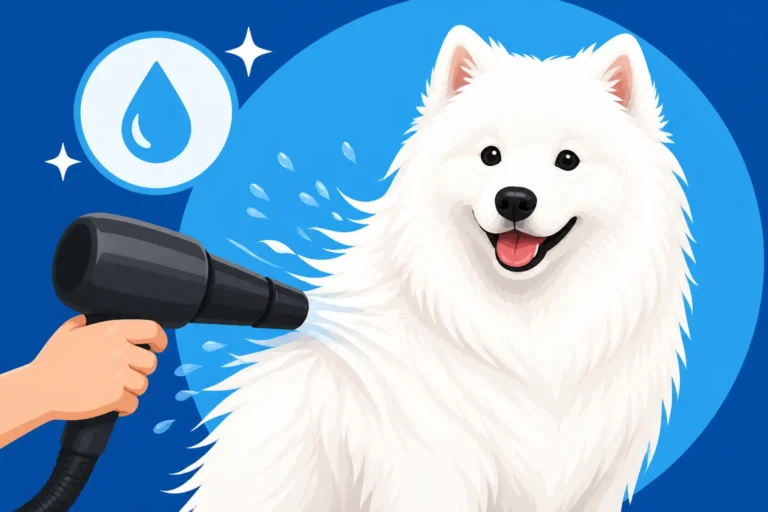
Thorough drying remains paramount for Samoyeds of any age to prevent skin issues like hot spots, but it's especially critical for seniors. Their immune systems might not be as robust, making them more susceptible to skin infections if moisture is trapped. A powerful dog-specific force dryer is still the most efficient tool, but ensure the air is not too hot and that the dog is comfortable with the noise. Pay extra attention to drying the dense undercoat completely.
Consider incorporating skin-soothing treatments or conditioners if your Samoyed's skin is particularly dry or flaky. Oatmeal-based shampoos or leave-in conditioners can provide much-needed moisture and relief. After bathing, gently massage a pet-safe moisturizer or coconut oil into particularly dry areas if recommended by your vet. Remember, a healthy coat starts with healthy skin underneath.
Nutritional Support for Coat Health
Nutrition plays a monumental role in the health and appearance of your Samoyed's coat, especially as they age. A high-quality diet provides the building blocks for strong, healthy hair and supple skin. For senior Samoyeds, this often means a diet formulated for older dogs, which typically has a different balance of protein, fat, and calories to support their changing metabolism and activity levels. Products from brands like Ollie or high-quality senior kibble available on Chewy can be excellent choices.
Look for dog foods that are rich in essential fatty acids, particularly Omega-3 and Omega-6. These fatty acids are crucial for skin hydration and coat luster. Many senior formulas or specialized skin and coat diets will include these. You might also consider adding a supplement, such as fish oil, to their diet, which can be easily sourced from a reputable pet supply store or online via Amazon. Discussing any supplements with your veterinarian is always a good idea to ensure they are appropriate for your specific dog.
Adequate protein is also vital, even for older dogs. While their calorie needs might decrease, their need for high-quality protein to maintain muscle mass and support cellular repair, including hair growth, remains important. Ensure the protein source is easily digestible. A well-nourished senior Samoyed will not only have a healthier coat but will also generally feel better, have more energy, and experience better overall quality of life. What a Samoyed Needs Every Day includes proper nutrition to support every part of them, inside and out.
When to Consult Your Vet About Coat Changes
While many coat changes are a normal part of your Samoyed gracefully aging, some signs warrant a professional opinion. It's crucial to know the difference between typical senior coat evolution and something that could be signaling an underlying health problem. Your veterinarian is your best resource for evaluating any concerns.
Recognizing Red Flags Beyond Normal Aging
It's one thing for your Samoyed's coat to be a little duller or thinner; it's another entirely if you observe more concerning symptoms. Pay close attention to these red flags:
- Excessive Hair Loss or Patchy Baldness: While some thinning is normal, large areas of hair loss, bald patches, or fur that comes out in clumps are not. This could indicate parasites, fungal or bacterial infections, hormonal imbalances like severe Signs a Samoyed's Thyroid Has Failed, or even autoimmune diseases.
- Persistent Itching, Redness, or Irritation: If your Samoyed is constantly scratching, licking, or chewing at their coat, leading to red, inflamed skin, scabs, or hot spots, it’s definitely time for a vet visit. This could be allergies, external parasites (fleas, mites), or a skin infection.
- Oily, Greasy, or Malodorous Coat: A coat that suddenly becomes excessively oily or greasy, especially if accompanied by a strong, unpleasant odor, can point to skin infections, seborrhea, or other dermatological issues that need medical attention.
- Changes in Skin Texture: Thickened, darkened, or flaky skin beneath the fur can be indicative of various conditions, including hormonal imbalances or chronic skin irritation. If you feel any unusual lumps or bumps while grooming, always have them checked.
These symptoms go beyond the typical changes of How an Old Samoyed's Coat Changes and suggest that something more serious might be at play. Early detection and treatment of these conditions can significantly improve your Samoyed's comfort and quality of life.
The Importance of Regular Senior Wellness Checks
The best way to monitor your senior Samoyed's overall health, including their coat and skin, is through regular veterinary wellness checks. For dogs reaching The Age a Samoyed Counts as a Senior, typically around seven or eight years old for a large breed like the Samoyed, veterinarians often recommend more frequent check-ups, sometimes twice a year. These appointments are crucial for catching age-related issues early.
During these visits, your vet can conduct a thorough physical examination, including a close inspection of their skin and coat. They might recommend routine bloodwork, which can help detect conditions like thyroid dysfunction or early kidney disease, both of which can impact coat quality. Whether a Samoyed Needs Yearly Thyroid Bloodwork is a common question, and for seniors, it's often a wise preventative measure.
You, as the owner, are your Samoyed’s best advocate. By maintaining a consistent grooming routine, you’re not just keeping them tidy; you’re performing regular inspections of their skin and coat. Any time you notice something that seems out of the ordinary, or if a change you initially thought was normal aging starts to worsen or cause discomfort, don't hesitate to reach out to your vet. They can provide peace of mind or, if needed, guide you toward an appropriate diagnosis and treatment plan to keep your cherished senior Samoyed as happy and comfortable as possible.
| Coat Characteristic | Young Samoyed | Old Samoyed (Typical Changes) | Potential Red Flags (Seek Vet Advice) |
|---|---|---|---|
| Color | Pure, bright white (or biscuit) | Slightly yellowish, creamy, or duller white | Sudden darkening/blackening of skin; extreme yellowing with liver/kidney issues |
| Texture | Plush, soft, dense undercoat | Coarser, sometimes wiry, less soft to touch | Brittle, excessively dry, flaky, or greasy texture |
| Density/Thickness | Very thick, abundant, "cloud-like" | Thinner overall, less dense, specific thinning areas (flanks, belly) | Patchy baldness, significant hair loss in clumps, thin skin with visible veins |
| Shine | Luminous, healthy sheen | Duller, less vibrant | Extremely dull, lifeless, excessive dandruff |
| Odor | Clean, minimal "doggy" smell | Generally still clean, but might have subtle changes | Strong, unpleasant, musty, or yeast-like odor |
| Skin beneath fur | Smooth, pink, supple | Thinner, possibly drier, less elastic | Red, inflamed, scabby, thickened, discolored, painful to touch |
Disclaimer
This article is for general informational purposes only and does not constitute professional advice. Laws, prices and regulations vary by location and change over time. Consult a qualified professional for guidance on your specific situation.