Whether a Samoyed Complains When It Hurts
Samoyed dogs hide pain using ancestral instincts and their smiling faces, requiring owners to watch for subtle behavioral changes.
Know what to watch for.
Breed-specific conditions, screening and DNA tests, what surgery actually costs, and the daily habits that stretch a healthy lifespan.
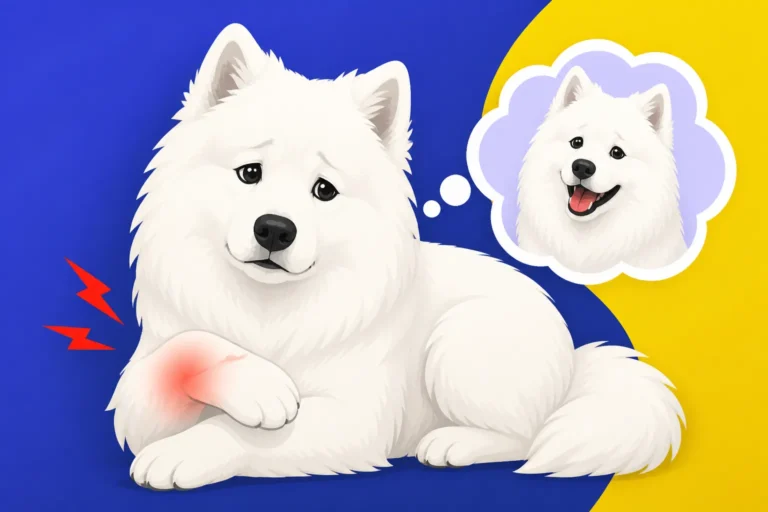
Samoyed dogs hide pain using ancestral instincts and their smiling faces, requiring owners to watch for subtle behavioral changes.

Samoyed senior age spans seven to nine years, prompting veterinary care adjustments and health screenings for aging dogs.
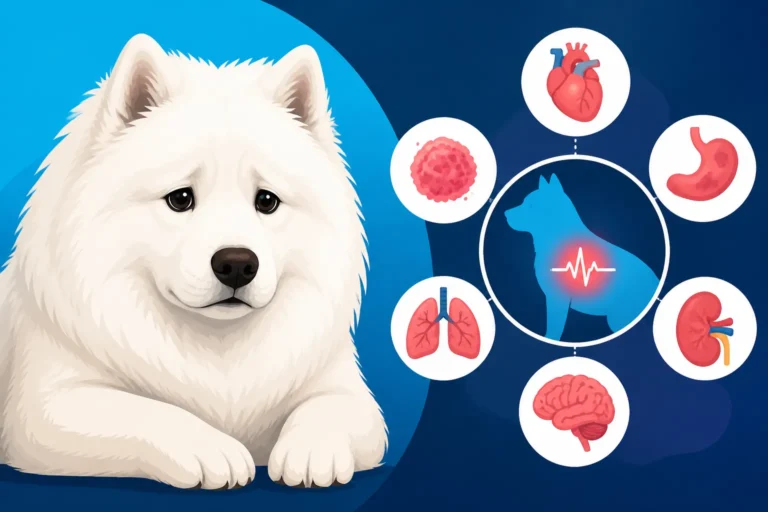
Samoyed lifespan expectations, genetic health risks, and hereditary kidney disease causes explain why these dogs pass away.
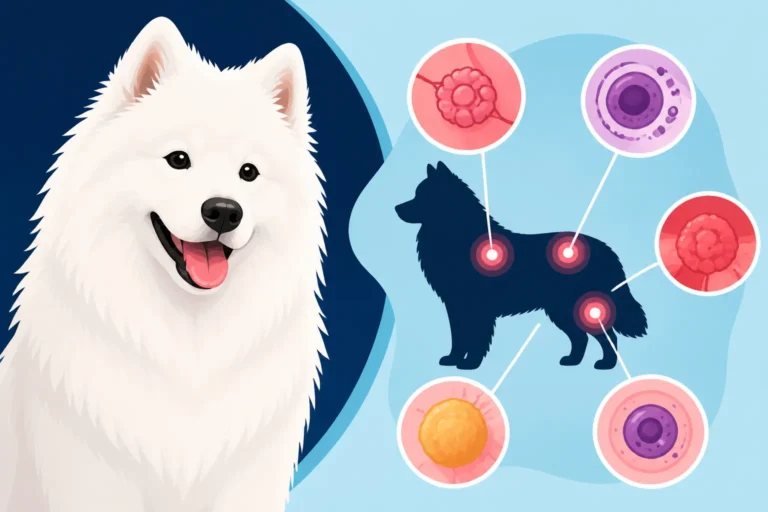
Samoyed cancer risks and lymphoma symptoms, explained through genetics, early detection tips, and breed health insights for owners.
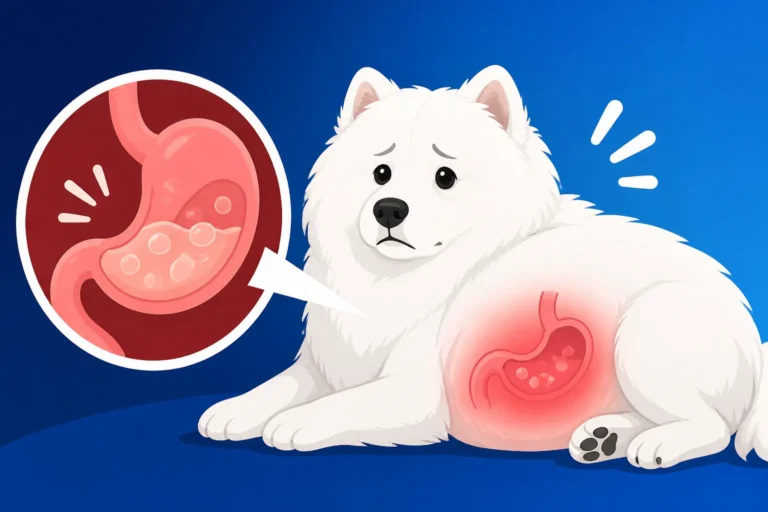
Gastric dilatation-volvulus in Samoyeds explains critical signs, emergency response steps, and proactive prevention for bloat.
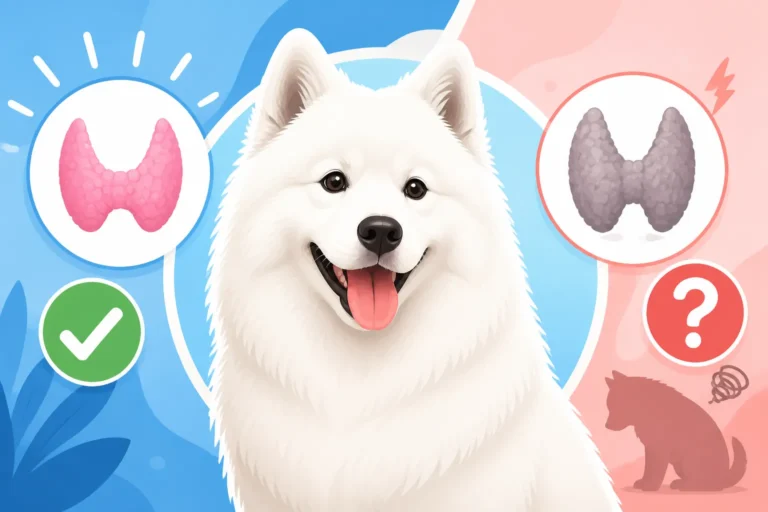
Hypothyroidism in Samoyeds causes weight gain and fatigue through insufficient thyroid hormone production and autoimmune destruction.
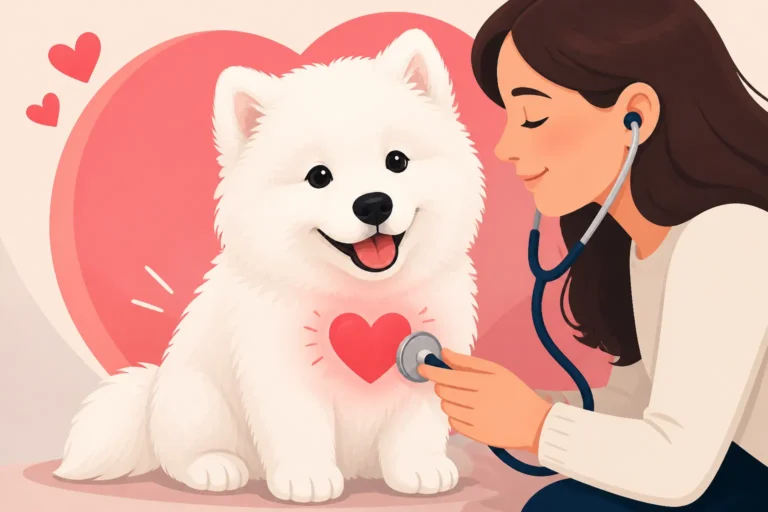
Samoyed puppy heart health checks explain genetic cardiac risks, murmurs, and early veterinary screening for this breed.
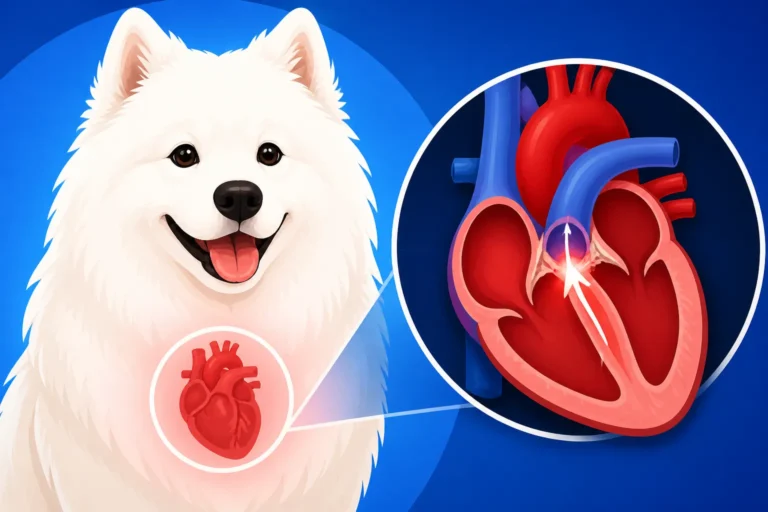
Subaortic stenosis in Samoyeds is a congenital heart defect that narrows the left ventricular outflow tract and causes heart muscle thickening.

Glaucoma in Samoyeds causes high eye pressure and pain, leading to permanent vision loss. The condition involves primary and secondary causes.

Samoyed puppy litters need early eye exams by veterinary ophthalmologists to detect hidden genetic conditions and hereditary diseases.