How a Samoyed’s Ruff Hides Weight Gain
It’s a tale as old as time for Samoyed owners: you look at your fluffy white cloud of a dog, admiring that magnificent coat and smiling face, and suddenly realize you haven't actually felt their ribs in… well, a while. That glorious, dense Samoyed ruff, while absolutely stunning, is an expert at masking changes in your dog's body shape, making it incredibly easy for them to gain weight without you noticing until it's become a significant issue. This guide is here to help you understand why your Samoyed’s ruff is such a sneaky weight hider and, more importantly, equip you with the knowledge to consistently assess their body condition and keep them in peak health.
The Samoyed's Majestic Ruff: A Clever Camouflage Artist
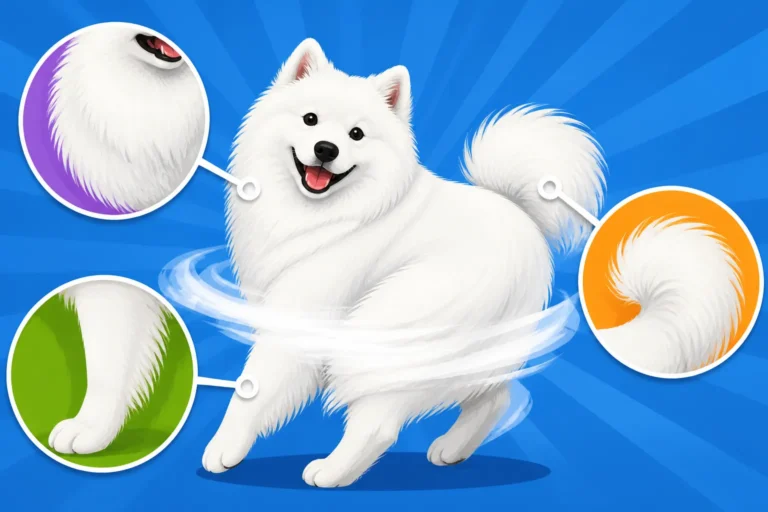
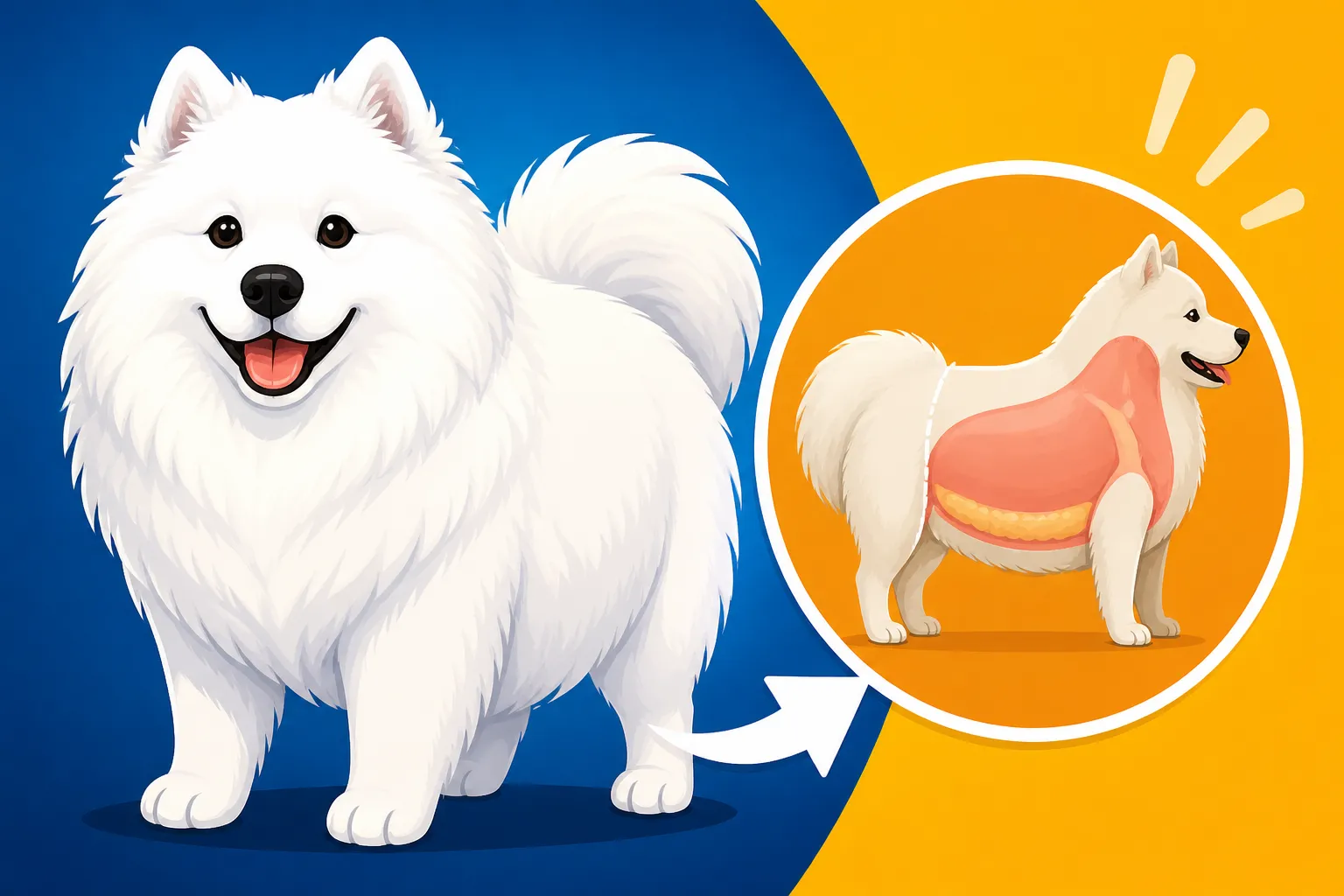
Let's be honest, part of the Samoyed's irresistible charm is that incredible coat. It’s a marvel of nature, designed to protect them from the harsh Arctic elements. But this very feature, particularly the thick, luxurious ruff around their neck and shoulders, acts like a furry cloak, expertly concealing any gradual weight gain. You might be petting your Samoyed daily, brushing them regularly, and still completely miss the subtle thickening that indicates they’re carrying a few extra pounds.
Their double coat consists of a long, coarse outer guard hair layer and a thick, soft, woolly undercoat. The guard hairs are straight and stand out from the body, giving that wonderful 'puff' effect, while the undercoat provides immense insulation. The ruff itself is particularly dense, with longer hairs that create a framing effect around their head. It adds significant visual bulk, making it incredibly difficult to see their natural waistline or discern the gentle curve of their ribs and hips, which are crucial indicators of a healthy weight in other breeds. It’s not uncommon for owners to be genuinely shocked when a vet points out their Samoyed is overweight, simply because the coat hides it so effectively. It feels unfair, doesn't it? You're doing your best, but their natural beauty is working against you when it comes to weight management.
Why Hidden Weight Gain is a Real Concern for Samoyeds
While a little extra fluff might seem harmless, hidden weight gain in a Samoyed is far from a trivial matter. These dogs were bred for endurance and work in extreme cold, meaning their bodies are designed to be lean and agile. Carrying excess weight puts undue strain on their joints, which are already susceptible to issues like hip and elbow dysplasia. Imagine asking a marathon runner to carry a backpack full of bricks – that's what we're asking our Samoyeds to do when they're overweight. Over time, this extra load can exacerbate existing joint conditions or lead to new ones, causing pain and limiting their mobility as they age.
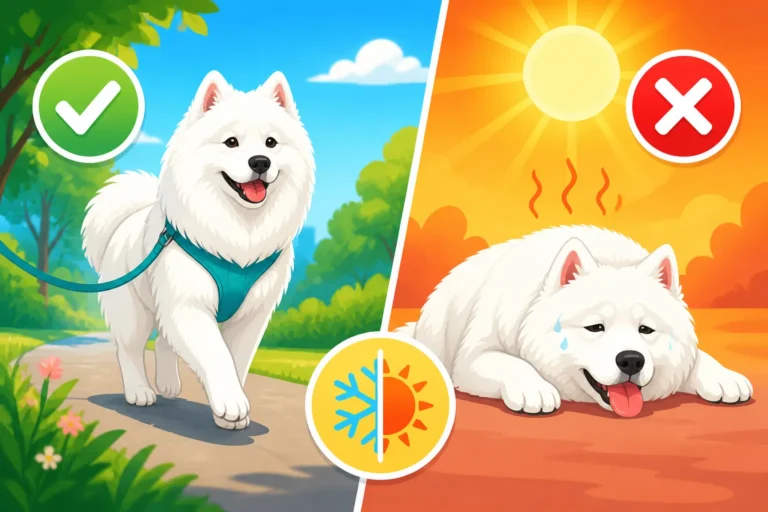
Beyond joint health, obesity in Samoyeds increases their risk for a whole host of other serious health problems. They can become more prone to developing conditions like diabetes. An overweight Samoyed also struggles significantly more in warmer climates, as their already superb insulation becomes a liability. While their coat is designed to keep them cool in summer by trapping a layer of air, an excess layer of fat beneath that coat impairs their ability to regulate their body temperature, making them much more susceptible to overheating. What a cruel irony, that the very thing that makes them so majestic can also contribute to their discomfort and illness. The Samoyed Built for Sixty Below in an American Summer is a crucial read to understand just how sensitive they are to heat, and how extra weight compounds this risk.
It's also worth noting that an overweight Samoyed will likely have a reduced quality of life and a shorter lifespan. They won't be as keen to run and play, their energy levels will dip, and they'll likely spend more time resting. This loss of activity can then create a vicious cycle, leading to further weight gain and a decline in overall well-being. Keeping them at a healthy weight is one of the most proactive steps you can take to ensure they live The Twelve to Fourteen Years a Samoyed Lives to the fullest. We all want our furry family members to be with us as long as possible, vibrant and happy, and managing their weight is a key component of that.
Beyond the Fluff: How to Accurately Assess Your Samoyed's Body Condition
Given how deceptive a Samoyed’s ruff and overall coat can be, relying solely on visual inspection is a recipe for disaster. You need to get hands-on and make a regular routine of assessing their body condition. This isn't about being overly critical; it's about being diligent and loving.
The Hands-On Rib Check
This is your most important tool. Even with the densest coat, you should be able to feel your Samoyed’s ribs without having to press hard. Gently run your fingers along their sides, just behind their front legs. You should feel the individual ribs, almost like feeling the knuckles on your hand. If you have to really push to feel them, or if you feel a soft, squishy layer over them, your Samoyed is likely carrying too much weight. If you can see their ribs without effort, they might be too thin – a rare but possible occurrence. Don't be afraid to dig in a little; the coat is thick, but the bones are there. This tactile assessment is far more reliable than anything your eyes will tell you. Learning Feeling for Ribs Under a Samoyed's Coat is a fundamental skill for any Samoyed owner.
The Waistline and Tummy Tuck Test
After the ribs, move to their waist. While their coat makes it hard to see a waistline from above, you should still be able to feel a slight indentation when you run your hands along their sides from the ribs back towards their hips. There should be a definite curve. From the side, when they are standing, you should observe a slight 'tuck up' in their abdomen, rather than a straight line or, worse, a sagging belly. Again, the fur might obscure it visually, but your hands will tell you the truth. If your Samoyed looks like a furry cylinder from above, or if their belly sags, it's a strong indicator of excess weight.
Regular Weigh-Ins and Body Condition Scoring
Regularly weighing your Samoyed can also be helpful, especially if you track it over time. While breed standards give an idea of What a Samoyed Actually Weighs, individual variation exists. The key is to know your dog's healthy weight and monitor for changes. A gradual increase, even a pound or two over several months, can add up quickly.
The Body Condition Score (BCS) is a standardized tool vets use, typically on a scale of 1 to 5 or 1 to 9. A score of 3/5 or 4-5/9 is generally considered ideal. Here’s a simplified guide:
| Feature | Too Thin (1-2/5) | Ideal (3/5) | Overweight (4-5/5) |
|---|---|---|---|
| Ribs | Easily visible, no fat cover | Easily palpable, slight fat cover | Difficult to feel, heavy fat cover |
| Waist | Extremely prominent hourglass shape | Observable waist when viewed from above | Absent or barely visible waist from above |
| Abdominal Tuck | Severe tuck-up | Well-defined abdominal tuck-up | No abdominal tuck, belly appears round or sagging |
| Spine & Hips | Prominent, easily visible | Smooth, can be felt with slight pressure | Covered by fat, difficult to feel |
Don't hesitate to ask your veterinarian to demonstrate how to properly assess your Samoyed's BCS at their next check-up. They can give you personalized guidance that’s invaluable.
Keeping That Iconic Smile Lean and Healthy: Management Strategies
Once you’ve mastered the art of feeling through the fluff, the next step is proactive management. Keeping your Samoyed at a healthy weight involves a combination of smart feeding choices and consistent exercise. This is where you become the benevolent guardian of their health.
Smart Feeding for a Fluffy Friend
Portion control is absolutely paramount for Samoyeds. It's easy to overfeed, especially when they give you those adorable, pleading "Samoyed smiles." Remember, even a small amount of extra kibble or too many treats can make a big difference over time for a dog that Needs Fewer Calories Than Expected. Consult with your vet to determine the appropriate calorie intake for your Samoyed's age, activity level, and ideal weight. Stick to that recommendation, measuring their food accurately with a kitchen scale or a precise measuring cup, rather than just guessing.
Many quality dog food brands like those available on Chewy offer formulas tailored for different life stages and activity levels. If your Samoyed is showing signs of being overweight, a "light" or "weight management" formula might be beneficial, as they typically have fewer calories while still providing essential nutrients. For those interested in fresh food options, brands like Ollie deliver pre-portioned meals, which can make calorie counting much easier. Avoid feeding table scraps, no matter how much they beg; those extra calories add up incredibly fast and often contain ingredients that aren't good for dogs. How Much Food a Samoyed Eats Monthly is a common concern for new owners, and getting the quantity right is step one.
Exercise for a Happy, Healthy Samoyed
Samoyeds are active dogs, built for work and movement. They need regular, consistent exercise to burn calories and maintain muscle tone. This isn't just about walks around the block; they thrive on varied activities. Daily long walks, vigorous play sessions in a securely fenced yard, hiking, or even exploring dog parks (if your Samoyed is well-socialized and you're comfortable with the environment) are all great options. Activities like canicross, bikejoring, or even sledding in appropriate weather can be fantastic outlets for their energy and natural pulling instincts.
However, always be mindful of the weather, especially in warmer months. Overweight Samoyeds are at an even higher risk of overheating, so adjust exercise times to the coolest parts of the day – early mornings and late evenings. A Samoyed Should Only Be Exercised at Night in Summer or early morning to prevent heatstroke. If your Samoyed is already overweight, start slow and gradually increase the duration and intensity of their exercise to avoid injury. Consistency is key, even if it's just an extra 10-15 minutes of brisk walking each day.
Regular Vet Check-Ups and Monitoring
Regular veterinary check-ups are essential for monitoring your Samoyed's overall health, including their weight. Your vet can provide an objective assessment of their body condition, discuss their diet, and offer tailored advice. They might recommend specific tests, especially if they suspect underlying health issues that could contribute to weight gain, like hypothyroidism.
Consider taking monthly photos of your Samoyed from the top and side. While the ruff is sneaky, a subtle change over months might become visible in a photo series, even if it's not obvious day-to-day. You can also purchase a large dog scale, perhaps from Amazon, for home use if you want to track weight very precisely between vet visits. Remember, staying proactive and consistent is the best way to ensure your beautiful Samoyed stays healthy and enjoys a long, active life. Getting Weight Off a Samoyed is possible, but prevention is always better.
Disclaimer
This article is for general informational purposes only and does not constitute professional advice. Laws, prices and regulations vary by location and change over time. Consult a qualified professional for guidance on your specific situation.