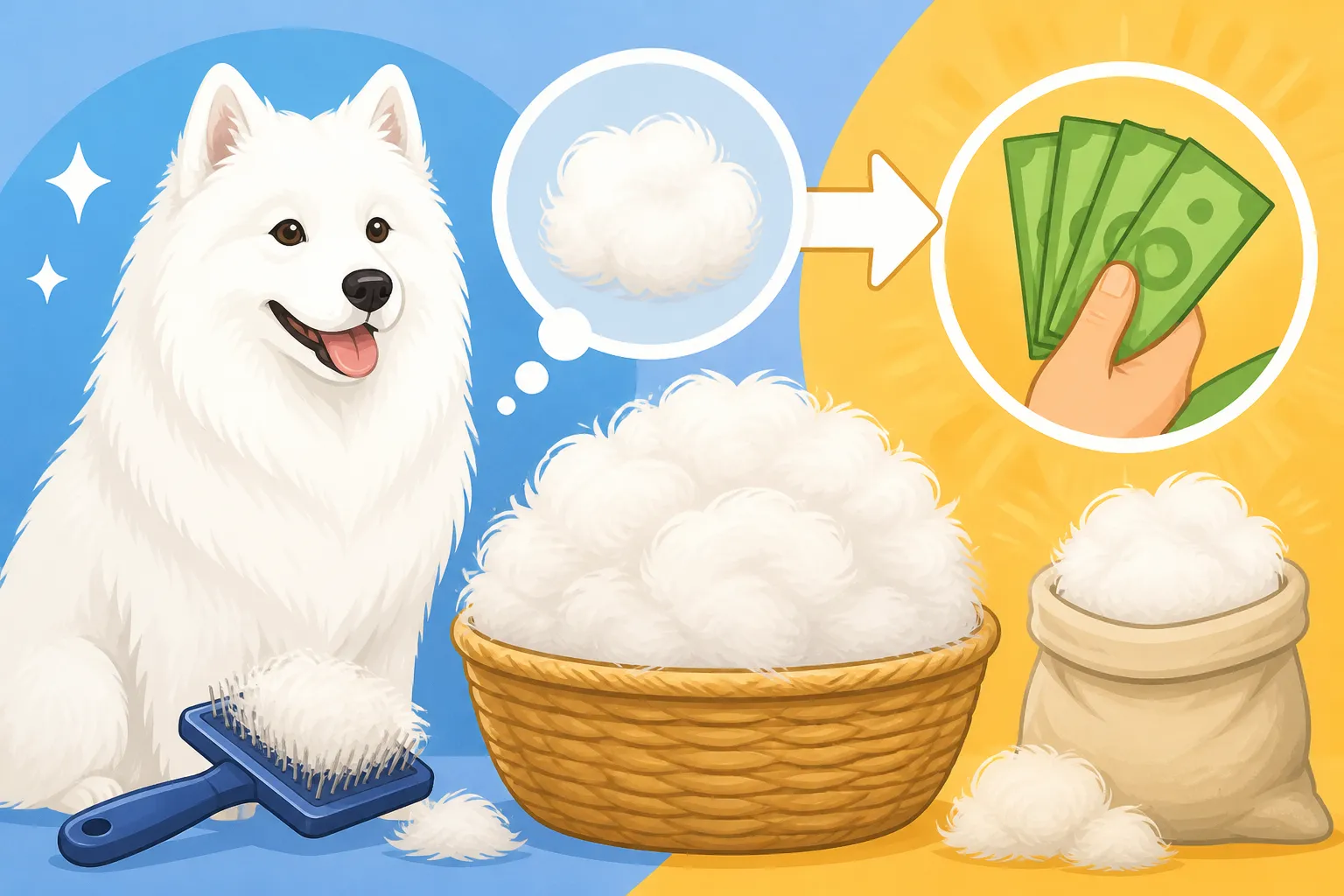
Whether a Samoyed Owner Can Sell the Undercoat
Oh, the infamous Samoyed "fur-nado"! If you're living with one of these magnificent dogs, you know the struggle is real. Every brushing session yields enough glorious fluff to knit another dog, and it's completely natural to wonder if all that effort, all that beautiful undercoat, could actually be put to good use—or even, dare I say, sold. This guide is going to dive deep into whether turning your Samoyed's shed coat into a small side hustle is a realistic endeavor, covering everything from collection to finding potential buyers.
The Reality of Samoyed Undercoat: A Valued Fiber
Let's face it, your Samoyed's coat is a marvel of nature. It's not just hair; it's a meticulously designed insulation system. That thick, fluffy undercoat that sheds out in vast clouds, particularly during their seasonal "blows," is actually a highly sought-after fiber known as "chumming" in the spinning community. It's soft, incredibly warm, and surprisingly lightweight.
What Makes Samoyed Fur So Special?
The Samoyed's undercoat is a fine, downy fiber, distinct from the coarser guard hairs that protect it. This is the stuff that kept the Nenets people's dogs warm in the Siberian arctic, and it's the very same stuff that fills your vacuum cleaner and drifts across your floors. When properly prepared and spun, it creates a yarn that is said to be warmer than sheep's wool. Imagine wearing a sweater made from your own furry companion's shed coat – it's like a perpetual hug from your Samoyed! Its natural crimp also gives it elasticity and bounce, making for a lovely, airy finished product. Many spinners rave about its unique texture and insulating properties, which is why there's a niche, but passionate, market for it. Spinning Samoyed Fur Into Yarn is a topic that truly captures the imagination of many Samoyed owners once they realize the potential.
Why People Seek Out "Samoyed Wool"
The people who are looking to buy Samoyed undercoat aren't just curious; they're usually experienced fiber artists, handspinners, or knitters who understand the value of exotic fibers. They appreciate the softness, the warmth, and the unique connection to a beloved breed. For them, it's not just about getting yarn; it's about the story behind the fiber, the tactile experience, and the joy of working with something so luxurious and natural. Some might even be Samoyed owners themselves who don't have the time or skill to spin their own, but desperately want a memento of their dog. This specialized demand means that while it's not a commodity like cotton, the right quality can find an eager home.
Comparing Samoyed Fur to Other Fibers
When considering selling your Samoyed's undercoat, it helps to understand where it sits in the broader world of fibers.
Think of the big players:
- Sheep's Wool: The industry standard. Varying degrees of softness and warmth, readily available. Samoyed fur is generally much softer and often warmer, though it lacks the lanolin that makes sheep's wool water-resistant.
- Alpaca/Llama: Known for softness, warmth, and often hypoallergenic qualities. Samoyed fur often rivals alpaca in softness and can even surpass it in warmth-to-weight ratio.
- Angora (Rabbit): Incredibly soft and fluffy, but also known for shedding. Samoyed fur shares some of the loft and halo effect of angora but tends to be more durable once spun.
- Cashmere/Mohair (Goat): Luxurious, soft, and fine. Samoyed undercoat can certainly compete with these in terms of luxurious feel and insulation, though its staple length might differ.
The main takeaway is that Samoyed undercoat isn't just a quirky novelty; it's a legitimate, high-quality fiber with characteristics that make it comparable, and in some cases superior, to other premium animal fibers. Whether Samoyed Fur Can Be Spun Into Yarn delves into the specifics of how this amazing fiber transforms.
Preparing Your Samoyed's Undercoat for Sale
You can't just sweep up the fur from under the couch and expect to sell it. To fetch a fair price and respect the efforts of the fiber artists, your Samoyed's undercoat needs careful preparation. Think of it as harvesting a crop – quality control starts long before it ever leaves your hands.
Collecting the Fur Properly
This is perhaps the most crucial step. The quality of your raw material directly impacts its marketability.
- Brush, Don't Cut: You only want the shed undercoat. Never cut the fur from your Samoyed. This is unethical and produces unusable, choppy lengths. Instead, focus on regular, thorough brushing, especially during coat blows. Tools like a slicker brush, an undercoat rake, or a deshedding tool work wonders. Many Samoyed owners find that a good quality force dryer after a bath really helps to blast out loose undercoat, making collection easier. Chewy offers a wide range of grooming tools that can help with efficient and gentle fur collection.
- Separate Guard Hairs: As you brush, try to separate the soft, downy undercoat from the coarser, longer guard hairs. While some spinners will process a mix, pure undercoat is generally preferred for its superior softness and spinning qualities. This might mean going through the collected fur by hand to pick out stray guard hairs.
- Regular Collection: Small, consistent collections of clean, loose fur are better than trying to gather a massive pile of matted, dirty fur after a long interval. This also helps you maintain the "staple length" – the individual length of each fiber – which is important for spinning.
Cleaning and De-tangling the Fur
Once collected, the fur needs to be clean.
- Shake Out Debris: First, gently shake out any loose dirt, dust, or bits of leaves that might have gotten caught in the fur. A fine mesh screen can be helpful for this.
- De-tangling: While you want to avoid matted clumps during collection, sometimes smaller tangles occur. Gently tease them apart. You want the fur to be as fluffy and separated as possible, without breaking the individual fibers.
- Washing (Optional but Recommended): While Samoyeds are known for their naturally clean coats, a gentle wash can remove any lingering oils or odors. Use a mild, pet-safe shampoo and lukewarm water. Rinse thoroughly.
- Drying is Key: This is perhaps the most critical part of cleaning. The fur must be completely, thoroughly dry before storage. Wet fur will mold, and once moldy, it's unusable. Spread the fur out on a clean towel or screen in a well-ventilated area, gently fluffing it periodically until absolutely dry to the touch. Avoid direct heat like a hair dryer, which can damage the delicate fibers.
Storage Best Practices
You’ve put in all that effort to collect and clean the fur; don't let it go to waste in storage!
- Air Circulation: Store the fur in breathable containers, like pillowcases, mesh laundry bags, or even paper bags. Plastic bags can trap moisture and lead to mold.
- Prevent Pests: Moths and other fiber pests love animal fur. Store your cleaned, dried fur in a cool, dark place away from direct sunlight. Consider placing cedar sachets or lavender alongside the fur (not directly touching, if possible, to avoid scent transfer) as natural deterrents. Freezing the fur for a few days before long-term storage can also kill any potential eggs or larvae.
- Labeling: If you're collecting over time, it's smart to label bags with the date and perhaps even which part of the dog the fur came from (e.g., "neck ruff," "body fur") as staple length can vary. This attention to detail will impress potential buyers.
Quality Control for Selling
When a spinner or fiber artist is buying fur, they are looking for consistency and quality.
- Staple Length: The longer the individual fibers, the easier it is to spin. Aim for undercoat that is at least an inch long. Shorter fibers are harder to work with.
- Cleanliness: No one wants to spin fur with bits of kibble, leaves, or dander embedded in it. Your efforts in cleaning will be greatly appreciated.
- Color Consistency: Most Samoyed fur is white, but some have "biscuit" markings. If you have a biscuit-marked Samoyed, decide if you want to keep the colors separate or blend them. Clarity on this is important for buyers. How a Samoyed's Coat Changes With Age can also influence fiber characteristics.
- Odor: While Samoyeds generally have very little "dog smell," the fur itself can sometimes retain a faint scent. Ensure it's fresh and clean. What a Wet Samoyed Smells Like is a real concern if not dried properly!
Finding Buyers for Samoyed Undercoat
Now that you have a beautifully prepared stash of Samoyed undercoat, where do you find people willing to buy it? This isn't like selling old clothes; it's a niche market, but a dedicated one.
Online Marketplaces for Fiber Arts
The internet is your best friend for connecting with a global community of crafters.
- Etsy: This platform is a haven for handmade goods and craft supplies. Many independent spinners and fiber artists list their unique fibers here. You can create your own shop and list your Samoyed undercoat, providing detailed descriptions, photos, and information about your collection process.
- Facebook Groups: Search for groups dedicated to "handspinning," "fiber arts," "wool sharing," or even specific groups for "Samoyed owners who spin." These communities are often enthusiastic about unique fibers like Samoyed chumming.
- Ravelry: This is a massive online community for knitters, crocheters, weavers, and spinners. While not a direct selling platform like Etsy, it has forums and groups where you can advertise or connect with individuals looking for specific fibers.
When listing online, clear, well-lit photos are essential. Be transparent about your collection and cleaning methods, and specify the weight of the fur you're selling.
Local Spinning Guilds and Fiber Festivals
Sometimes, the best connections are made in person.
- Spinning Guilds: Most regions have local spinning and weaving guilds. These groups are full of passionate fiber artists who are always on the lookout for interesting materials. Attend a meeting, introduce yourself, and bring a small, clean sample of your Samoyed's fur. You might find eager buyers right there.
- Fiber Festivals/Fairs: These events, often held seasonally, are gatherings for fiber producers, artists, and enthusiasts. They are fantastic places to network, learn more about fiber processing, and potentially sell your undercoat directly. Look for local or regional fiber festivals in your area. You might even find a professional spinner who takes raw fiber and returns it as finished yarn, though this is a service you'd pay for.
Direct Sales to Individual Crafters
Building relationships can lead to repeat business.
- Word of Mouth: Once you've sold to a few people, if your product is high quality, word will spread. Happy customers are often the best advertisers.
- Local Pet Community: Put up a discreet notice at your local independent pet supply store (with their permission, of course) or talk to other dog owners at the park. You never know who might be a crafter themselves or know someone who is.
- Breed-Specific Events: If you attend Samoyed club events or dog shows, you might find fellow owners interested in spinning or knowing someone who is.
Considerations for Pricing
Pricing your Samoyed undercoat can be tricky because it's not a standardized commodity.
- Weight: Fur is typically sold by weight (ounces or grams).
- Quality: Higher quality (cleaner, longer staple, no guard hairs) commands a higher price.
- Demand: If you're in an area with many spinners and few Samoyeds, demand might be higher.
- Preparation Level: If you've gone the extra mile to wash and tease it beautifully, you can ask for more than if it's just raw, brushed fluff.
- Market Research: Look at what others are charging on Etsy or similar platforms for Samoyed fur, or even for other exotic dog or animal fibers. This will give you a baseline. Expect prices to vary, but a rough estimate might be anywhere from a few dollars to upwards of $10-$20 per ounce for exceptionally clean, well-prepared fiber.
The Practicalities and Pitfalls of Selling Samoyed Fur
While the idea of selling your Samoyed's glorious undercoat is appealing, it's important to go into it with realistic expectations. It's not a get-rich-quick scheme, but it can be a rewarding way to manage all that fluffy abundance.
Time Commitment vs. Financial Return
Let's be honest: collecting, cleaning, and preparing Samoyed undercoat takes time. You're brushing regularly, meticulously separating guard hairs, washing, drying, and then carefully storing it. Then there's the time involved in listing, communicating with buyers, packaging, and shipping. The financial return, while potentially decent for a niche product, often doesn't fully compensate for the sheer hours you put in. Many Samoyed owners who sell their fur view it less as a significant income stream and more as a way to offset some of their pet care costs or simply as a way to honor their dog's beautiful coat by allowing it to be transformed into something special. It's more about passion than profit for most. What Selling Samoyed Fur as Yarn Brings In gives you a deeper look into the economics.
Managing Expectations
Don't expect your Samoyed undercoat to fly off the virtual shelves immediately. As mentioned, it's a niche market. Spinners might only buy it when they have a specific project in mind, or they might be stocking up for the winter months. Be patient, continue to produce high-quality fiber, and engage with the fiber arts community. The demand is there, but it's not a constant, overwhelming tide. Also, be prepared for questions about your dog, their health, and how you collect the fur – people genuinely care about the source of their materials.
Ethical Considerations and Humane Collection
For many buyers in the fiber arts community, ethical sourcing is paramount. They want to know that the animal providing the fiber is well-cared for and that the fur is collected humanely.
- No Pain, No Harm: Emphasize that the fur is shed naturally during brushing, a process that is comfortable and even enjoyable for most Samoyeds. Never, ever pull fur out or cause your dog discomfort.
- Dog's Well-being First: A healthy Samoyed with a well-maintained coat will produce the best quality fur. This goes hand-in-hand with ensuring your dog is happy and healthy. A Samoyed's Coat Is Insulation, Not Decoration highlights the importance of overall coat health.
- Transparency: Be open and honest about your methods. Share photos of your Samoyed happily being brushed. This builds trust with potential buyers.
The "Ick" Factor for Some Buyers
While many fiber artists are enthusiastic about dog fur, there will always be some people who find the idea off-putting. The concept of "dog hair" can carry a negative connotation for those unfamiliar with the world of spinning and exotic fibers. Don't be discouraged by this. The key is to target your marketing towards those who do understand and appreciate the value, rather than trying to convert skeptics. Frame it as a luxurious, unique fiber rather than just "dog hair." Emphasize its softness, warmth, and the joy it brings. Whether a Spinner Will Take Samoyed Undercoat often comes down to this very distinction.
Ultimately, selling your Samoyed's undercoat can be a lovely way to honor your dog's beautiful coat and connect with a community of crafters. It requires dedication, attention to detail, and realistic expectations, but the satisfaction of seeing your Samoyed's fluff transformed into a cherished textile can be incredibly rewarding.
Disclaimer
This article is for general informational purposes only and does not constitute professional advice. Laws, prices and regulations vary by location and change over time. Consult a qualified professional for guidance on your specific situation.