What Keeping a Samoyed in a Hot State Costs
Bringing a Samoyed into your life is an incredible joy, but if you live in a hot climate, you're signing up for a very specific set of challenges and, let's be honest, costs that folks in cooler regions just don't face. It’s not just about turning up the AC; it’s a complete lifestyle overhaul and a significant financial commitment to ensure your furry cloud stays comfortable and healthy. This guide will walk you through the real monetary impact of keeping a Samoyed thriving in a hot state, from utility bills to emergency vet visits, helping you budget for the unique demands of this magnificent breed in an unforgiving climate.
The Unavoidable Investment in Climate Control
Let's get real for a moment: your Samoyed was bred for the harsh, unforgiving cold of Siberia. We're talking about temperatures that would make most humans shiver just thinking about them. Their incredible double coat, while beautiful, is a natural insulator, perfectly designed to trap heat close to their body. This is fantastic when it's thirty below zero, but it becomes a serious liability when you're trying to beat a 90-degree Fahrenheit summer with high humidity. Many hopeful Samoyed owners move to warmer climates or find themselves in one, thinking they can simply manage, only to be met with the harsh reality that climate control isn't a luxury; it's a non-negotiable lifeline for your dog.
The Escalating Energy Bills
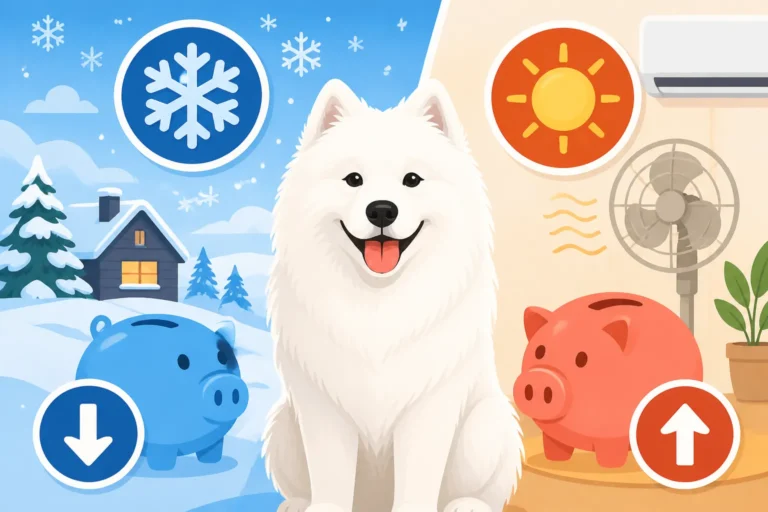
The most immediate and continuous financial impact of owning a Samoyed in a hot state is your electricity bill. Period. Your air conditioning unit will be working overtime, practically non-stop, for a significant portion of the year. While you might be comfortable with your thermostat set at 78 degrees, your Samoyed is likely panting, looking for a cool spot on the tile floor, and generally miserable. To truly provide comfort and prevent overheating, you'll often find yourself setting your thermostat much lower, perhaps in the low 70s or even upper 60s, a temperature range that can feel downright chilly to humans and cause your energy meter to spin like a top. This isn't just for a few hours a day; it's often 24/7 for months on end.
Imagine living in a state like Arizona or Florida. From late spring through early autumn, the temperatures rarely dip below what's dangerously warm for a Samoyed. This means your AC unit, which you might typically cycle on and off, will need to run continuously to maintain a safe indoor temperature. The sheer volume of air in your home requires constant cooling, and that powerful double coat means your Samoyed isn't going to get relief easily. It’s not uncommon for homeowners in these regions to see their electricity bills increase by hundreds of dollars each month during the peak summer season, solely attributable to keeping their Samoyed from suffering. This isn't a one-time cost; it's a recurring, seasonal expense that you must factor into your budget. This continuous draw on electricity places a heavy burden on your home's systems and your wallet. You're effectively creating a mini-Arctic inside your home, and that doesn't come cheap. For more insight into what this might entail, check out What Cooling a House for a Samoyed Costs and What Air Conditioning Adds to a Samoyed Household.
Supplemental Cooling Solutions and Their Price Tags
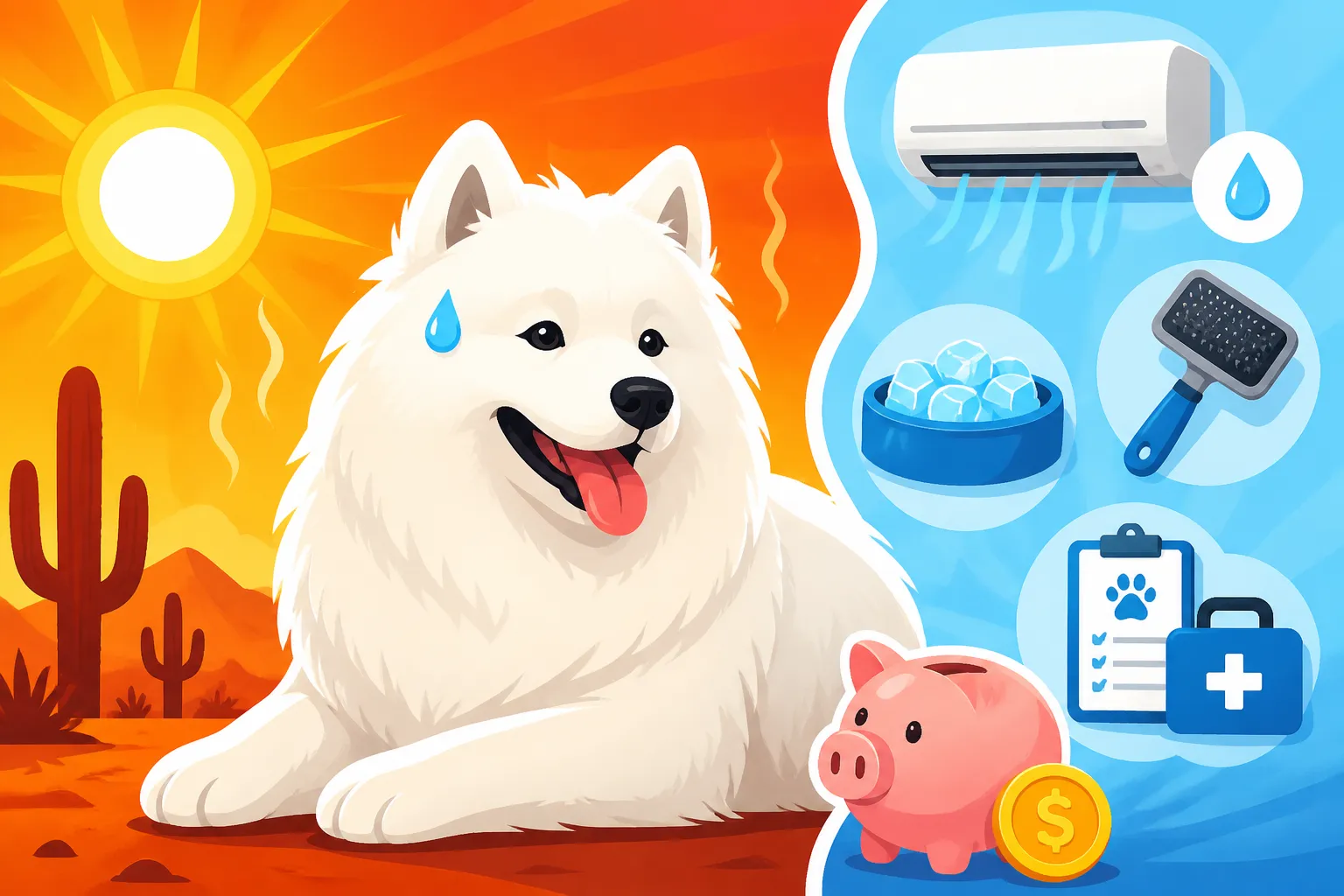
Beyond the central air, you'll likely find yourself investing in an array of supplemental cooling products to give your Samoyed extra relief. These aren't just trendy gadgets; they become essential tools in your heat-management arsenal. Cooling mats, for instance, are popular. Some are gel-filled and absorb heat, while others require activation with water. They offer a cool spot for your dog to lie on, but they aren't magic bullets and often need to be rotated or refreshed. The cost for these can vary widely, from relatively inexpensive to more premium, durable versions.
Then there are fans – and we're not talking about your average oscillating floor fan. Many Samoyed owners invest in high-velocity "force dryers" or industrial-strength fans that can really move air through their thick coats, helping dissipate trapped heat. These can be quite an investment upfront. Another common strategy is a kiddie pool filled with shallow water in a shaded outdoor area. While it seems simple, there's the cost of the pool itself, the constant refilling, and the impact on your water bill. For a quick dip, it can provide immediate relief, but it's not a solution for prolonged exposure. Consider the constant vigilance needed to ensure the water is clean and cool, preventing it from becoming a warm soup. For more on this, you might find What a Kiddie Pool for a Samoyed Costs helpful.
Here's a comparison of common cooling methods and their cost implications:
| Cooling Method | Initial Cost Shape | Recurring Cost Shape | Effectiveness in High Heat (Samoyed) | Notes |
|---|---|---|---|---|
| Central Air Conditioning | High (Installation/Upgrade) | Very High (Electricity) | Essential | Non-negotiable, primary cooling method. Often needs to be set lower. |
| Cooling Mats | Moderate (Purchase) | Low (Replacement/None) | Moderate | Provides localized relief; not a whole-body solution. |
| High-Velocity Fans | Moderate (Purchase) | Low (Electricity) | Moderate to High | Good for airflow through thick coats, but air must be cool. |
| Kiddie Pool | Low (Purchase) | Moderate (Water/Cleaning) | Moderate | Great for quick dips, requires shade and fresh water. |
| Grooming/Deshedding | Moderate (Professional) | Moderate (Every 4-6 wks) | Indirect | Helps remove undercoat, improving natural insulation function. |
| Window AC Unit | Moderate (Purchase) | High (Electricity) | High (Targeted) | Good for single rooms if central AC is insufficient or too costly. |
Lifestyle Adjustments That Hit Your Wallet
Owning a Samoyed in a hot state isn't just about what you buy; it's about how you live. Your daily routine, your leisure activities, and even your dog's diet will be dictated by the mercury rising. These lifestyle adjustments often come with their own set of financial implications, turning what might be a spontaneous activity for others into a carefully planned, potentially costly endeavor for you. It's a testament to how profoundly a Samoyed’s needs reshape an owner’s life when battling heat.
Rescheduling Life Around the Sun
Forget those leisurely afternoon strolls or a quick trip to the dog park at noon. When you have a Samoyed in a hot climate, your day becomes rigidly structured around avoiding the peak heat. This means incredibly early morning walks, often before the sun fully rises, and very late evening excursions, long after it has set and the pavement has had a chance to cool. Whether a Samoyed Should Walk in Summer is a serious consideration. These off-peak hours can be inconvenient, making it harder to fit exercise into a busy schedule. If your work schedule doesn't permit these timings, you might find yourself needing to hire a dog walker specifically for those cooler times, and let me tell you, finding one willing to commit to a 5 AM walk or a 9 PM outing isn't always easy or cheap. Their rates often reflect the inconvenience.
Beyond walks, any outdoor activity you planned with your Samoyed – a trip to a dog-friendly patio, a hike, or even just playing fetch in the yard – becomes contingent on the weather. Many days, it simply won't be safe. This can lead to frustration for both you and your dog, potentially resulting in a bored, under-exercised Samoyed. A bored Samoyed can be a destructive Samoyed, leading to other potential costs. You might also find yourself investing in specialized gear like cooling vests (though caution is needed as they can trap heat if not properly ventilated) or paw protection booties to prevent burns from hot asphalt. You are essentially shifting your entire recreational budget and schedule to accommodate the dog's heat sensitivity.
Hydration and Nutrition Needs
In hot climates, hydration for a Samoyed isn't just about leaving out a water bowl; it's an elevated concern. They will drink significantly more water, which means more frequent refills, and potentially a higher water bill, especially if you're constantly refreshing outdoor bowls or filling up kiddie pools. Some owners even invest in filtered water systems or bottled water to ensure their Samoyed has access to the cleanest, coolest water possible, believing it encourages better intake.
Beyond water, heat can impact a Samoyed’s appetite and digestive system. Some dogs might eat less, while others might experience gastrointestinal upset if their body is constantly working to regulate temperature. This might necessitate discussions with your vet about specific dietary needs. You might explore foods that are easier to digest or have higher moisture content. Brands like Chewy and Ollie offer a wide range of specialized diets, and while some are truly beneficial, others might be an unnecessary expense. Always consult your veterinarian before making significant dietary changes. A shift to a higher-quality, more digestible food could mean a higher monthly grocery bill for your dog. For instance, sometimes a specific low-fat diet is needed if your dog's pancreas is under stress due to heat and other factors, and those specialized foods can carry a premium price tag.
Veterinary Care: Vigilance Against Heat-Related Illnesses
The biggest, most frightening cost associated with keeping a Samoyed in a hot state is the potential for heat-related illness. These aren't just minor inconveniences; they can be life-threatening emergencies that demand immediate and often expensive veterinary intervention. The constant threat of your Samoyed overheating casts a long shadow over ownership in warmer climates, necessitating extra preventative care and a readiness for crisis.
Proactive Prevention and Check-ups
Because Samoyeds are so susceptible to heat stress, proactive veterinary care becomes even more critical. Regular check-ups are essential, not just for routine vaccinations, but for monitoring your dog's overall health and looking for any underlying conditions that could be exacerbated by heat. Your vet might recommend more frequent blood work, especially if your Samoyed is older or has any pre-existing conditions, to check kidney function, electrolytes, and other indicators of health. This vigilance aims to catch any potential problems before they escalate into full-blown emergencies. These additional tests and visits add up.
You'll also need to be hyper-aware of Signs a Samoyed Is Overheating. Catching these signs early is paramount to preventing a full-blown emergency. This means you need to be educated and attentive, as precious minutes can make a difference between a quick recovery and a dire situation. Even if you manage to cool them down at home, a follow-up vet visit is crucial to ensure there's no lasting internal damage. Pet insurance, from providers like Healthy Paws, can be a godsend here, helping to mitigate the financial shock of unexpected vet bills. While it doesn't cover pre-existing conditions, enrolling your Samoyed early can protect against future heat-related illnesses if they aren't yet considered pre-existing. Understanding What Insuring a Samoyed Costs Monthly is a good first step in planning for these possibilities.
Emergency Situations and Treatment Costs
Heatstroke is not just uncomfortable for a Samoyed; it's a critical medical emergency. When a Samoyed overheats severely, their internal organs begin to shut down. The costs associated with treating heatstroke are incredibly high because it often requires intensive, inpatient care. We're talking about IV fluids to combat dehydration and organ damage, blood tests to monitor kidney and liver function, cooling therapies, and sometimes even oxygen therapy or medications to manage secondary complications like seizures or blood clotting issues.
A severe heatstroke case can easily run into thousands of dollars for emergency hospitalization, veterinary specialist consultations, and ongoing monitoring. Your Samoyed might need to stay in an emergency clinic for several days, incurring daily charges for care, medications, and round-the-clock supervision. Even if your dog recovers, there can be lasting organ damage, particularly to the kidneys or liver, requiring lifelong medication or special diets, which, as we discussed earlier, carry their own recurring costs. This is why understanding How a Samoyed Should Be Cooled Down quickly and effectively is so important in those first critical moments before you can get to the vet. The financial burden of such an emergency can be devastating, highlighting the importance of preventative measures and a robust emergency fund or good pet insurance coverage.
The Emotional Toll and Hidden Costs
While we've focused heavily on the tangible financial aspects, it's impossible to discuss the cost of keeping a Samoyed in a hot state without acknowledging the emotional and hidden costs. These are harder to quantify but impact your daily life and your bond with your dog just as much as your utility bill.
Restricted Activities and Quality of Life
One of the biggest heartbreaks for Samoyed owners in hot climates is the sheer restriction on activities. Samoyeds are intelligent, active dogs that thrive on engagement and exercise. When they can only go out for short, carefully timed walks, and most outdoor adventures are off-limits for months, their mental and physical well-being can suffer. A bored Samoyed is often a destructive Samoyed. This could manifest as excessive barking (especially the infamous "Samoyed Scream"), chewing on furniture, or digging holes in your carefully manicured lawn in an attempt to find cooler earth. These behaviors, while frustrating, are often a cry for more mental and physical stimulation, and addressing them might mean investing in expensive chew toys, puzzle feeders, or specialized indoor training classes.
Imagine wanting to enjoy a summer road trip with your best friend, only to realize it's simply too hot and stressful for your Samoyed. This limits your family's options for vacations and day trips. How Many Hours a Samoyed Can Be Left is another consideration; you can't just leave them in a hot house, even with AC running, if there's a power outage risk. This might lead to higher boarding costs at facilities that can guarantee climate control, or the need to hire specialized pet sitters who understand the unique needs of a Samoyed in heat. The constant worry about their comfort and safety can also detract from the sheer joy of ownership, turning it into a responsibility laden with anxiety.
Stress on Owners and Future Planning
The constant vigilance required to keep a Samoyed safe in a hot climate takes a significant emotional toll on owners. You're always checking the weather, planning around the hottest parts of the day, and scrutinizing your dog for any Signs a Samoyed Is Overheating. This ongoing stress can impact your own quality of life and even influence major life decisions. For some, it might mean rethinking future moves, choosing cooler climates, or even regrettably realizing that their current environment isn't sustainable for their beloved Samoyed in the long term.
Consider the mental exhaustion of knowing that a simple lapse in judgment – an unexpectedly hot afternoon walk, a moment where the AC fails, or even forgetting to refill the water bowl – could lead to a life-threatening emergency. This breeds a constant state of low-level anxiety that is a very real, though invisible, cost of ownership. It’s not just about paying the bills; it’s about the emotional investment and the commitment to maintaining an environment that is fundamentally unnatural for this arctic breed. The Samoyed's inherent resilience and joyful demeanor often mask their discomfort, making it even harder for owners to know just how much they are struggling. As the weather warms, your Samoyed might just refuse to walk, which is them communicating clearly about the heat. Whether a Samoyed Refuses to Walk in Heat is a clear signal you must heed. This commitment defines much of your relationship with your Samoyed in a hot state.
Disclaimer
This article is for general informational purposes only and does not constitute professional advice. Laws, prices and regulations vary by location and change over time. Consult a qualified professional for guidance on your specific situation.