What an OFA Hip Certification Costs a Samoyed Breeder
It's a common point of anxiety for anyone considering bringing a Samoyed into their home: how can you be sure the puppy you choose has the best start in life, free from preventable genetic health issues? For responsible Samoyed breeders, the cost and effort of health certifications, particularly for hips, are a non-negotiable part of ensuring their puppies have a solid foundation. This guide will walk you through what an OFA hip certification entails for a Samoyed breeder, breaking down the often-overlooked expenses and the significant value these tests bring to the breed.
Understanding OFA Hip Certification for Samoyeds
When you hear breeders talk about "OFA hips," they're referring to the Orthopedic Foundation for Animals, a not-for-profit organization that screens animals for orthopedic and genetic diseases. For Samoyeds, hip dysplasia is a significant concern, and OFA certification is the gold standard for assessing a breeding dog's hip health. It’s not just a rubber stamp; it’s a detailed radiographic evaluation designed to give breeders crucial information before they make breeding decisions.
What is Hip Dysplasia?
Hip dysplasia is a malformation of the hip joint, where the ball (femoral head) and socket (acetabulum) don't fit together snugly. Instead of a smooth, congruent fit, the joint can be loose, leading to painful friction, degeneration, and eventually arthritis. In a fluffy, active breed like the Samoyed, this condition can severely impact their quality of life, leading to pain, lameness, and reduced mobility, sometimes even in relatively young dogs. Imagine your happy, bouncy Samoyed struggling to get up after a nap or showing reluctance to play fetch – it's heartbreaking to witness. Responsible breeders strive to minimize the risk of passing on this debilitating condition, and that's where OFA certification comes in.
Why OFA Certification is Critical for Samoyed Breeders
For a Samoyed breeder, OFA hip certification isn't merely a recommendation; it's a foundational ethical responsibility. Breeding dogs with excellent or good hips significantly reduces the likelihood of producing puppies that will suffer from hip dysplasia. Without this screening, a breeder is essentially breeding blind, unknowingly perpetuating a painful genetic issue in future generations. It's a commitment to the long-term health of the breed and to the individual puppies they bring into the world. Many breed clubs and responsible registries mandate these certifications, and educated puppy buyers should always ask to see the OFA certificates of both parents. If you're looking for a puppy, always ask your potential breeder about their health testing protocols and to show you the official results for the sire and dam.
The Veterinary Consultation and Radiographs
The journey to OFA certification begins at the veterinary clinic. A Samoyed typically needs to be at least 24 months old to receive a preliminary or final OFA hip certification. While a preliminary evaluation can be done earlier, most breeders wait until the dog is fully mature to get the most accurate and definitive results.
Initial Vet Visit and Physical Examination
Before any X-rays are taken, the Samoyed undergoes a thorough physical examination by a licensed veterinarian. This isn't just a quick check; the vet needs to ensure the dog is healthy enough for sedation or anesthesia, as many dogs require this to get perfectly positioned X-rays. They'll listen to the heart, check vitals, and discuss the dog's general health history. This initial consultation, even before the X-rays are discussed, carries a fee. The vet will also explain the procedure, potential risks, and what to expect during and after the process. It's a crucial step that ensures the dog's safety and prepares the breeder for the next stages. Sometimes, pre-anesthetic bloodwork is recommended to ensure the dog's organs can safely metabolize the sedatives, adding another layer to the initial costs.
Sedation and X-ray Procedure
Getting a Samoyed, or any large dog, to lie perfectly still in specific positions for hip X-rays is nearly impossible without some form of sedation or light anesthesia. The dog needs to be completely relaxed and positioned precisely to get images that OFA can accurately evaluate. This usually involves stretching the dog's legs out straight and parallel, a position that can be uncomfortable or even painful for a dog if they're not sedated. The cost of the sedatives or anesthesia, along with the monitoring equipment and the veterinary technician's time to administer and oversee the dog during the procedure, forms a significant portion of the expense.
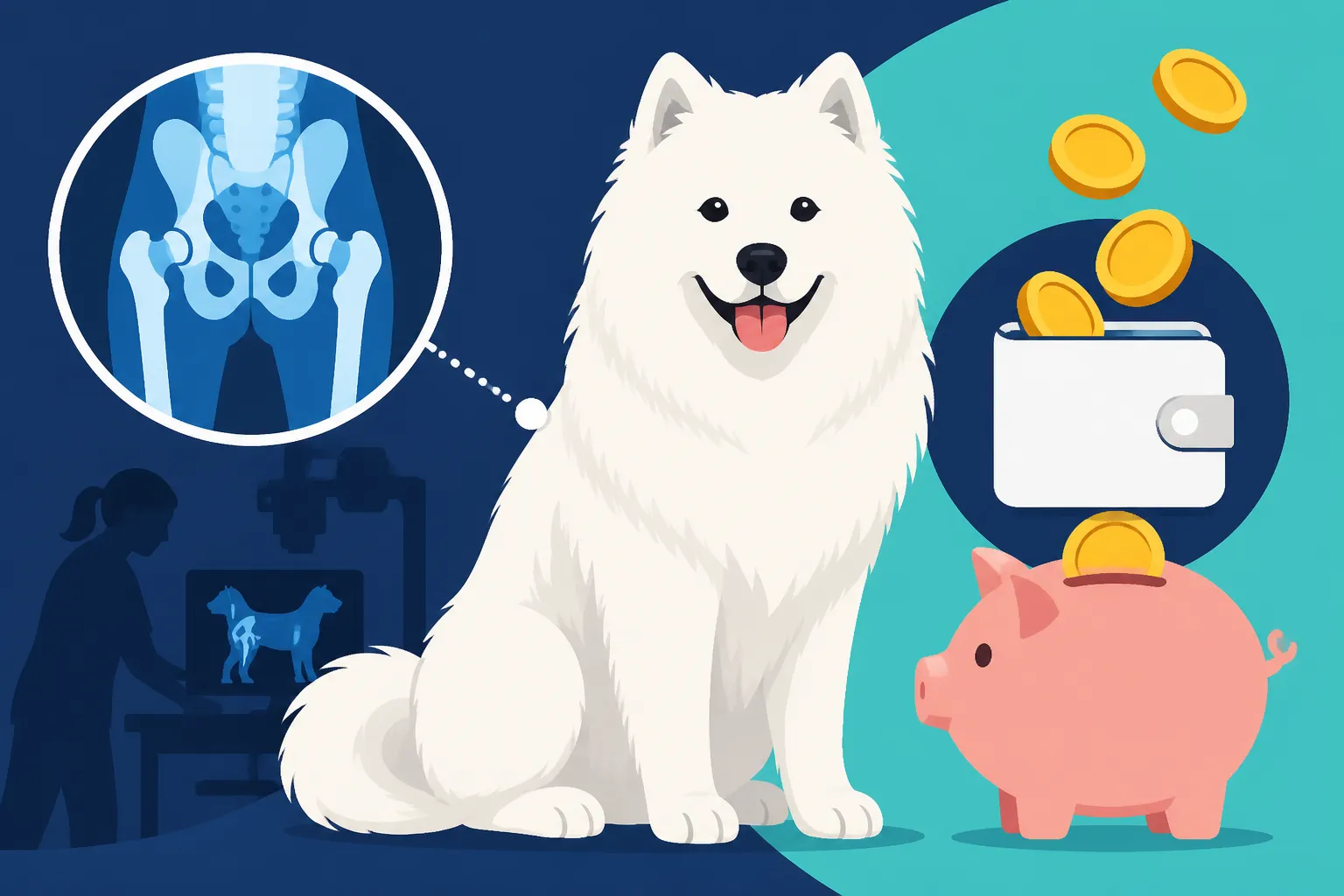
Once sedated, multiple X-ray views are taken. The standard OFA view is a ventrodorsal projection with the femurs extended and rotated internally. This specific positioning allows the radiologists to assess joint laxity, femoral head coverage, and any signs of degenerative joint disease. Sometimes, additional views are taken if the veterinarian suspects other issues or wants to provide more comprehensive information. Each X-ray image adds to the overall cost, and specialized digital radiography equipment, while producing superior images, also contributes to the overhead reflected in the vet's fees. It's an intricate dance between the vet, the tech, and the specialized equipment, all aimed at getting those perfect, diagnostic images.
OFA Submission and Evaluation Fees
Once the X-rays are taken and the Samoyed is recovering from sedation, the next step involves submitting the radiographs to the OFA for evaluation. This isn't just sending an envelope; there's a specific process and associated fees that the breeder pays directly to the OFA.
Processing and Handling Charges
After the X-rays are acquired, the veterinary clinic often assists the breeder with submitting them to the OFA. This typically involves digitally uploading the images and filling out the necessary paperwork. While this may seem straightforward, the clinic's time and resources dedicated to this administrative task, including preparing the forms, ensuring all details are correct, and managing the digital transfer, contribute to processing and handling charges. It's another small, often overlooked cost that adds up for the breeder, ensuring that the critical health information reaches the foundation correctly.
Radiologist Review and Grading
The core of the OFA certification process is the evaluation by a panel of three independent, board-certified veterinary radiologists. These experts meticulously examine the submitted X-rays, looking for specific indicators of hip dysplasia. They assess parameters such as hip joint conformation, subluxation (partial dislocation), bone changes, and the presence of degenerative joint disease. Each radiologist gives their independent assessment, and if there's disagreement, a fourth radiologist is brought in.
The hips are then assigned one of seven ratings: Excellent, Good, Fair (all considered "passing" or "normal"), Borderline, Mild, Moderate, or Severe (the last three being dysplastic). The fee for this expert review is paid directly to the OFA. This rigorous, multi-expert evaluation ensures the highest level of objectivity and accuracy, which is paramount for a condition like hip dysplasia. This thorough process helps ensure that when a Samoyed breeder gets an "Excellent" or "Good" rating, it truly reflects the structural integrity of their dog's hips, giving future puppy owners peace of mind.
Factors Influencing the Overall Cost
The final bill for an OFA hip certification can vary quite a bit, even for the same procedure. There are several factors at play that responsible Samoyed breeders consider when budgeting for these essential health tests.
Geographic Location and Veterinary Practice Rates
Just like human healthcare, veterinary costs can differ significantly based on where you live. A breeder in a major metropolitan area might pay more for vet services than one in a rural setting. Practice rates also vary depending on the clinic's size, its specific equipment (digital X-ray vs. traditional film), and the experience level of its staff. Some specialized veterinary hospitals might charge more than a general practice clinic due to their advanced facilities and expertise. Breeders often build relationships with their local vets, but sometimes they might travel to a clinic known for its exceptional imaging quality or specific experience with Samoyeds and orthopedic certifications.
Sedation vs. Anesthesia Choices
The level of sedation or anesthesia required for the X-rays can influence the cost. Minimal sedation might be less expensive, but it carries a higher risk of the dog moving, leading to blurry or improperly positioned X-rays that need to be retaken – adding more cost and stress. A deeper sedation or light anesthesia ensures the dog is completely still and relaxed, allowing for precise positioning and clear images. The choice depends on the individual Samoyed's temperament, the vet's preference, and the breeder's willingness to invest in a procedure that yields the best possible images the first time around. Plus, some vets include continuous monitoring by a dedicated technician during anesthesia, which adds to the safety and the overall expense.
Need for Repeat X-rays
One of the frustrating, but sometimes necessary, additional costs can be the need for repeat X-rays. If the initial images are blurry, improperly positioned, or if there's any artifact that obscures the view of the hip joints, the OFA may deem them "unacceptable" for evaluation. This means the entire process, including the sedation and X-ray fees, might need to be repeated. It's a scenario every breeder hopes to avoid, as it doubles the expense and the stress on the dog. Choosing an experienced veterinary practice that routinely performs OFA imaging and understands the precise positioning requirements is key to minimizing this risk. Sometimes, a vet may take a slightly imperfect image and still submit it, hoping it will pass, but a truly dedicated breeder often opts for a retake if there's any doubt, ensuring the best possible representation of their Samoyed's hips.
The Value Proposition: Why Breeders Absorb These Costs
Understanding what an OFA hip certification costs helps prospective puppy buyers appreciate the dedication and financial investment responsible Samoyed breeders pour into their programs. These aren't optional add-ons; they are fundamental components of ethical breeding practices.
Assurance of Health for Offspring
The primary reason breeders undertake OFA hip certification is to improve the health of future generations. By only breeding Samoyeds with "normal" hip ratings (Excellent, Good, or Fair), they dramatically reduce the risk of passing on the genetic predisposition for hip dysplasia. This isn't just about avoiding a diagnosis; it's about preventing a lifetime of pain, expensive veterinary treatments, and heartache for the families who adopt their puppies. A Samoyed with sound hips is a Samoyed that can enjoy an active life, whether it's pulling a sled, hiking with its family, or simply romping in the yard. Breeders who invest in this testing are essentially providing a health guarantee to their puppy buyers, offering peace of mind that their furry family member has the best possible genetic start. This commitment aligns with ensuring the overall health and lifespan of a Samoyed.
Maintaining Breed Standards and Reputation
Beyond individual puppy health, OFA certifications play a vital role in maintaining the overall health and integrity of the Samoyed breed. Reputable breeders adhere to breed club guidelines, which almost universally recommend or require hip certifications for breeding stock. This collective effort helps to lower the incidence of hip dysplasia within the breed population over time. For a breeder, having a consistent track record of OFA-certified dogs builds their reputation within the Samoyed community and with prospective buyers. Buyers are increasingly educated and seek out breeders who demonstrate transparency and a commitment to health testing. A breeder with excellent OFA results for their lines is a breeder you can trust, fostering a healthier future for the beloved "Smiling Sammies."
Long-term Savings for Owners
While the cost of OFA hip certification falls squarely on the breeder, the long-term savings for puppy owners are immeasurable. Caring for a Samoyed with severe hip dysplasia can involve significant veterinary expenses, including pain medications, joint supplements, physical therapy, and potentially costly surgeries like Femoral Head Ostectomy (FHO) or Total Hip Replacement (THR). These treatments can run into thousands of dollars over a dog's lifetime. A puppy from OFA-certified parents is far less likely to require such interventions, saving owners not only financial strain but also emotional distress. It's an investment in a happy, healthy future for the dog, minimizing the chance of heartbreaking decisions or debilitating illness later on, particularly as arthritis in an older Samoyed can exacerbate existing joint issues.
Here's a breakdown of the potential cost components a Samoyed breeder might encounter:
| Service/Item | Description |
|---|---|
| Veterinary Consultation | Initial exam, health check, discussion of procedure. Often includes pre-anesthetic bloodwork. |
| Sedation/Anesthesia | Medication to relax or put the dog under during X-rays. Includes monitoring time by vet staff. |
| Radiographs (X-rays) | Taking multiple images of the hip joints in specific positions. Cost varies by number of views and type of equipment (digital often higher). |
| Clinic Processing Fee | Time and administrative effort for the veterinary clinic to prepare and submit digital images and paperwork to the OFA. |
| OFA Evaluation Fee | Paid directly to the Orthopedic Foundation for Animals for the review and grading of the X-rays by board-certified radiologists. |
| Repeat X-rays (If Needed) | If initial images are unacceptable (blurry, poor positioning), the entire vet and sedation process, plus potential new OFA fee, may need to be repeated. This is an unpredictable but possible additional expense. |
| Additional Health Certifications | Many breeders also certify for elbows, eyes, and cardiac health, adding further costs to their overall health screening budget. For example, breeders will also consider The COL4A5 Test Every Samoyed Buyer Should Ask About for kidney health. |
Cost-Saving Considerations for Breeders
While health testing is a significant investment, there are ways responsible Samoyed breeders can manage or mitigate some of these costs, ensuring they can continue to provide healthy puppies without breaking the bank.
Group Testing Discounts
For breeders with multiple dogs to test, or those who are part of a larger kennel or breed club, sometimes opportunities arise for group testing. Some veterinary clinics or specialists might offer a slight discount if a breeder brings in several dogs for OFA hip (and elbow) certifications on the same day. This helps the clinic streamline their workflow and can result in minor savings for the breeder on the per-dog cost of sedation and X-rays. Breeders should inquire with their local vet or breed club about such possibilities. It requires coordination but can be a smart financial move for those with several breeding prospects or an existing breeding program.
Strategic Timing with Other Vet Needs
Breeders can also be strategic about timing OFA hip X-rays with other necessary veterinary procedures. For instance, if a Samoyed needs to be sedated for another reason, like a dental cleaning (which is often done under anesthesia), or to have a complete full Samoyed DNA panel done, the breeder might coordinate to have the hip X-rays performed during the same sedation event. This avoids the cost and stress of multiple sedation instances, as the dog is already under. Of course, the dog still needs to be at least 24 months old for official hip certification, so this strategy is only viable if the other procedure coincides with that age requirement. It’s about maximizing the use of a single sedation, which can make a noticeable difference in the overall bill.
Leveraging Pet Health Insurance for Unexpected Issues
While pet insurance typically doesn't cover routine health certifications like OFA evaluations (as these are pre-breeding assessments, not treatments for illness), it can be an invaluable tool for breeders to manage unexpected health issues that do arise in their breeding stock. For example, if a Samoyed develops an unrelated illness or injury during its breeding career, an insurance plan like Healthy Paws could help cover those veterinary costs. This frees up the breeder's budget, allowing them to continue investing in essential health testing like OFA hips and other preventative measures for their entire kennel. It’s a way to safeguard against unforeseen expenses that could otherwise strain resources dedicated to responsible breeding practices. Having a healthy adult Samoyed is critical, and knowing you have a safety net for other issues helps ensure you can continue to breed responsibly.
The Breeder's Commitment and What It Means for You
When a Samoyed breeder invests in OFA hip certification, they're doing much more than simply checking a box. They are demonstrating a profound commitment to the health and well-being of their dogs and the future of the breed. This investment is not small, and it speaks volumes about their integrity and dedication.
Transparency and Documentation
A responsible breeder won't just tell you their Samoyeds have "good hips"; they will readily provide the official OFA certificates for both parents of your potential puppy. These documents will clearly state the dog's registered name, registration number, and its hip rating. You can even look up registered dogs on the OFA public database using their registered name or number. This transparency is a hallmark of ethical breeding. Don't be shy about asking to see these records; it's your right as a prospective owner to verify that the breeder has taken these crucial steps. This level of openness is also usually tied into what a Samoyed health guarantee covers, which is an important document to review.
Contributing to the Breed's Future
Every time a Samoyed breeder invests in OFA hip certification, they contribute to the collective knowledge base for the breed. The OFA collects data, which helps researchers understand the prevalence of hip dysplasia and work towards genetic solutions. By choosing to purchase a puppy from OFA-certified parents, you are indirectly supporting this vital work and helping to ensure that the Samoyed breed remains healthy and robust for generations to come. It’s a ripple effect: healthy parents lead to healthy puppies, which strengthens the breed as a whole. This is one of the reasons why a Samoyed puppy costs what it does, as these vital health tests are factored into the breeder's overall investment.
Beyond Hips: A Holistic Approach to Health
While this article focuses on OFA hip certification, it's important to remember that responsible Samoyed breeders undertake a battery of health tests. This often includes elbow evaluations, eye certifications through organizations like CERF or OFA Eye, and cardiac screenings for conditions like subaortic stenosis in a Samoyed. They may also perform genetic DNA tests for conditions specific to the breed. For instance, testing for The Kidney Disease That Kills Samoyed Males Before Fifteen Months is critical. This comprehensive approach ensures that they are making the most informed breeding decisions possible. When a breeder presents you with a comprehensive health portfolio for their breeding dogs, you know you’re dealing with someone who truly cares about the puppies they produce. This diligence means you’re less likely to face unexpected vet bills for genetic conditions later on, though having a good pet insurance plan from a provider like Healthy Paws can still be a smart move for any new puppy owner. Additionally, feeding a high-quality diet, perhaps from Chewy's selection of premium foods or even a fresh food delivery service like Ollie, can support overall health and joint integrity throughout a Samoyed's life, complementing the genetic foundation provided by responsible breeding.
Disclaimer
This article is for general informational purposes only and does not constitute professional advice. Laws, prices and regulations vary by location and change over time. Consult a qualified professional for guidance on your specific situation.