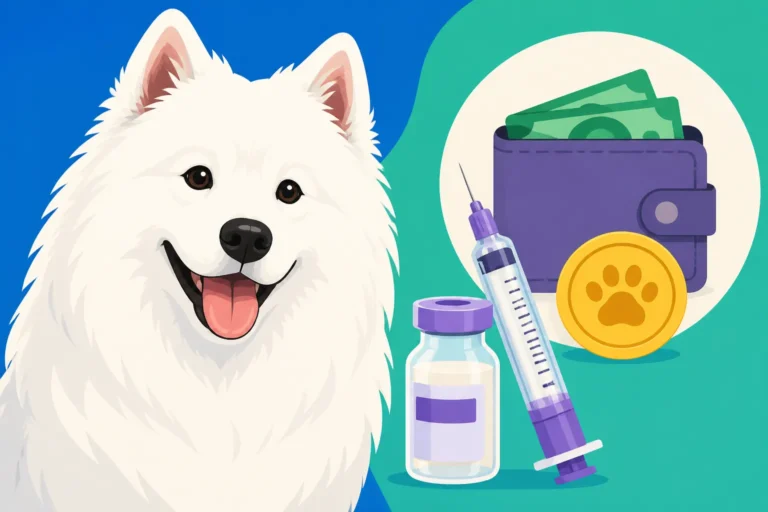
Whether a Pure White Samoyed Is Priced Higher
It’s a common misconception that a Samoyed puppy with a perfectly pure white coat will fetch a higher price tag than one with a touch of "biscuit" coloring. Many prospective owners often worry they'll be charged a premium for that iconic snowy appearance, but the reality is far more nuanced and, thankfully, less about superficial aesthetics and more about responsible breeding. This guide aims to clear up these pricing myths and reveal what genuinely influences the cost of bringing a Samoyed into your home.
Dispelling the Myth: Is a Pure White Samoyed Truly Priced Higher?
The idea that a "pure white" Samoyed commands a higher price is a persistent myth, perhaps fueled by the breed's dazzling, snow-white image. However, when you're dealing with reputable, ethical breeders, the color of a Samoyed's coat doesn't typically factor into the price. Their primary focus is on health, temperament, and adherence to the breed standard, all of which encompass more than just a specific shade of white. A quality Samoyed puppy will be priced based on the breeder's substantial investment in their dogs, not on whether a puppy is absolutely stark white or has some subtle creamy tips.
Understanding the Samoyed Color Standard
The official breed standard for Samoyeds, as recognized by organizations like the American Kennel Club, allows for several colors: white, cream, biscuit, or white and biscuit. This means that a Samoyed with biscuit markings – those lovely, light golden or yellowish patches, often seen on the ears, back, or tail – is perfectly within the acceptable standard. In fact, many breeders and fanciers appreciate the biscuit markings, as they can add depth and character to the coat. The notion that only "pure white" is desirable or superior is simply not supported by the breed's established guidelines.
Breeders who are dedicated to preserving the Samoyed's heritage understand that minor color variations are natural and part of the breed's charm. They are looking for overall quality in structure, health, and temperament, rather than prioritizing an absence of color. Therefore, if a breeder tries to charge you more specifically for a "pure white" puppy, it might be a red flag, indicating they might be capitalizing on a common misconception rather than focusing on true breed excellence. Always look for a breeder who emphasizes the overall quality of their dogs, not just a single aesthetic feature.
Why "Pure White" Isn't a Premium Trait in Reputable Breeding
For truly responsible Samoyed breeders, the purity of a dog's white coat is not a distinguishing factor for pricing. Their goal is to produce healthy, well-socialized puppies that embody the best traits of the breed. This means they are investing heavily in genetic testing, proper nutrition, early socialization, and ensuring the parents have excellent temperaments and sound conformation. These are the true markers of a valuable puppy, not a superficial shade. A puppy from a well-bred litter, whether it's pure white or has lovely biscuit points, will typically be priced similarly.
Think of it this way: a responsible breeder isn't an artist mixing paints to achieve the perfect white. They are stewards of a breed, working to ensure the next generation is healthy and happy. They know that a slight biscuit tint is natural, common, and not a flaw. Pricing based on "pure white" suggests a misunderstanding of the breed standard or, worse, an attempt to exploit buyers' preferences. When you're talking to a breeder, ask about health clearances, temperament, and their breeding philosophy, not just the exact shade of white. A breeder excited to discuss their dogs' health certifications and lineage is usually a far better indicator of quality than one pushing a "premium white" coat. The Health Tests Both Samoyed Parents Should Have are far more important than color.
The Real Factors Influencing a Samoyed's Price Tag
So, if coat color isn't the primary driver, what actually makes a Samoyed puppy cost what it does? The answer lies in the immense dedication, research, and financial investment made by ethical breeders. They are not just selling a puppy; they are selling a lifetime of careful planning, health assurances, and ongoing support. Understanding these underlying factors can help you appreciate the true value of a well-bred Samoyed.
The Investment in Health Testing and Pedigree
One of the most significant contributors to a Samoyed's price is the extensive health testing performed on the parent dogs. Reputable breeders invest thousands of dollars in genetic screenings and certifications to minimize the risk of hereditary diseases in their puppies. This includes hip and elbow evaluations (like OFA certifications to assess for Hip Dysplasia in a Samoyed or elbow dysplasia), eye clearances for conditions such as Progressive Retinal Atrophy in a Samoyed or retinal dysplasia, and cardiac exams for conditions like Aortic Stenosis in a Samoyed. Beyond these, specific DNA tests for conditions like The COL4A5 Test Every Samoyed Buyer Should Ask About are crucial to prevent devastating illnesses in male puppies.
These tests aren't cheap, and they're done for every breeding dog, often annually or biannually, before a single litter is even planned. The cost of these health certifications is directly factored into the puppy price, as it’s an assurance to you that your puppy has the best possible start to a healthy life. Skipping these tests might result in a cheaper puppy initially, but it could lead to heartbreaking and financially ruinous veterinary bills down the line. A strong, documented pedigree also reflects this commitment, showing a lineage of healthy, well-tempered dogs from responsible breeding programs. What a Full Samoyed DNA Panel Costs will give you an idea of these upfront investments.
Breeder Experience, Reputation, and Support
Beyond health clearances, a breeder's experience, reputation, and the ongoing support they offer are invaluable aspects that contribute to the price. An experienced breeder has spent years, sometimes decades, studying the breed, understanding genetics, and meticulously planning breedings to improve health and temperament. They are often active in breed clubs, participate in dog shows or performance events, and continuously educate themselves. This deep knowledge translates into well-adjusted, healthy puppies that are set up for success in their new homes.
A reputable breeder also provides comprehensive support long after you take your puppy home. This might include detailed puppy packets with feeding schedules, vaccination records, and training tips. They are available to answer questions throughout your dog's life, offering advice on everything from grooming to behavioral challenges. This level of dedication and after-sales support is a huge benefit, especially for first-time Samoyed owners. Compare this to purchasing from a casual breeder who may not offer any guarantees or be reachable once the sale is complete. The peace of mind that comes with a responsible breeder is truly priceless. Whether a Samoyed Contract Covers Kidney Disease or other health issues is a key consideration.
The Ongoing Costs That Dwarf the Initial Puppy Price
While the upfront cost of a Samoyed puppy can seem substantial, it's crucial for prospective owners to understand that this is just the beginning. The ongoing expenses throughout a Samoyed's The Twelve to Fourteen Years a Samoyed Lives will far outweigh the initial purchase price. Budgeting effectively for these recurring costs is essential for responsible Samoyed ownership.
Essential Supplies and Initial Vet Care
The moment you bring your Samoyed puppy home, you'll need a host of essential supplies. This includes a sturdy crate (appropriately sized for an adult Samoyed, as they grow quickly!), food and water bowls, a comfortable bed, a leash and collar, identification tags, and a variety of toys for chewing and enrichment. These initial items can add up quickly. Puppy food will be a significant early expense, and it’s important to choose a high-quality brand. Online retailers like Chewy offer a vast selection of these necessities, often with convenient delivery options, allowing you to compare prices and read reviews before committing.
Beyond supplies, your puppy's first few months will involve several crucial veterinary visits. These typically include a full health check-up, a series of vaccinations to protect against common diseases, deworming treatments, and potentially microchipping. Your vet will also advise on flea, tick, and heartworm prevention, which are ongoing monthly costs. Many owners also opt for spaying or neutering, which is a significant one-time vet bill. Always factor in these vital initial healthcare expenses when calculating the true cost of getting a Samoyed.
Long-Term Expenses: Food, Grooming, and Insurance
As your Samoyed grows, the long-term expenses truly begin to accumulate. Food is a major ongoing cost; Samoyeds are large, active dogs and require a balanced, nutritious diet. Whether you choose premium kibble, fresh food delivery services like Ollie, or a raw diet, expect this to be a substantial monthly outlay. What Feeding a Samoyed Costs Each Month can vary widely based on your choices. Grooming is another significant factor for Samoyeds due to their glorious double coat. While you can do much of it yourself with tools like a force dryer and undercoat rake, professional grooming for a thorough bath and deshedding can be costly, especially during seasonal coat blows. What a Full Groom on a Samoyed Costs can be surprising if you're not prepared.
Regular veterinary check-ups, booster vaccinations, and ongoing parasite prevention are non-negotiable annual costs. As Samoyeds age, they may require more frequent vet visits for age-related conditions, making pet insurance a wise investment. Companies like Healthy Paws can help mitigate unexpected large veterinary bills, particularly for emergencies or chronic conditions that might arise later in life. Choosing a good insurance plan early can save you a lot of financial stress. Don't forget training classes, occasional boarding or pet-sitting fees, and the continuous replacement of worn-out toys and beds. All these elements combined highlight that the purchase price is merely the entry fee to a wonderful, but significant, long-term financial commitment. What Insuring a Samoyed Costs Monthly is a critical piece of your long-term budget.
| Cost Category | Initial Purchase Phase | Ongoing Monthly/Annual Costs | Potential Extra Costs |
|---|---|---|---|
| Puppy Price | Breeder fee | – | – |
| Health & Vet Care | Initial exams, vaccinations, microchip, spay/neuter | Annual check-ups, parasite prevention, medications | Emergency care, specialist referrals, chronic illness management |
| Food & Nutrition | Starter puppy food | High-quality kibble, fresh food, treats | Prescription diets, supplements |
| Grooming | Brushes, combs, force dryer | Shampoos, occasional professional grooming | Extensive dematting, specific coat treatments |
| Supplies | Crate, bed, bowls, leash, collar, toys | Toy replacements, beds, waste bags | Fencing, GPS collar, specific training equipment |
| Training & Activities | Puppy classes | Advanced training, activity clubs | Behavioral consultations, competitive event fees |
| Insurance | – | Monthly premiums | Deductibles, co-pays |
| Miscellaneous | – | Pet sitting/boarding | Travel expenses, unexpected repairs |
Disclaimer
This article is for general informational purposes only and does not constitute professional advice. Laws, prices and regulations vary by location and change over time. Consult a qualified professional for guidance on your specific situation.