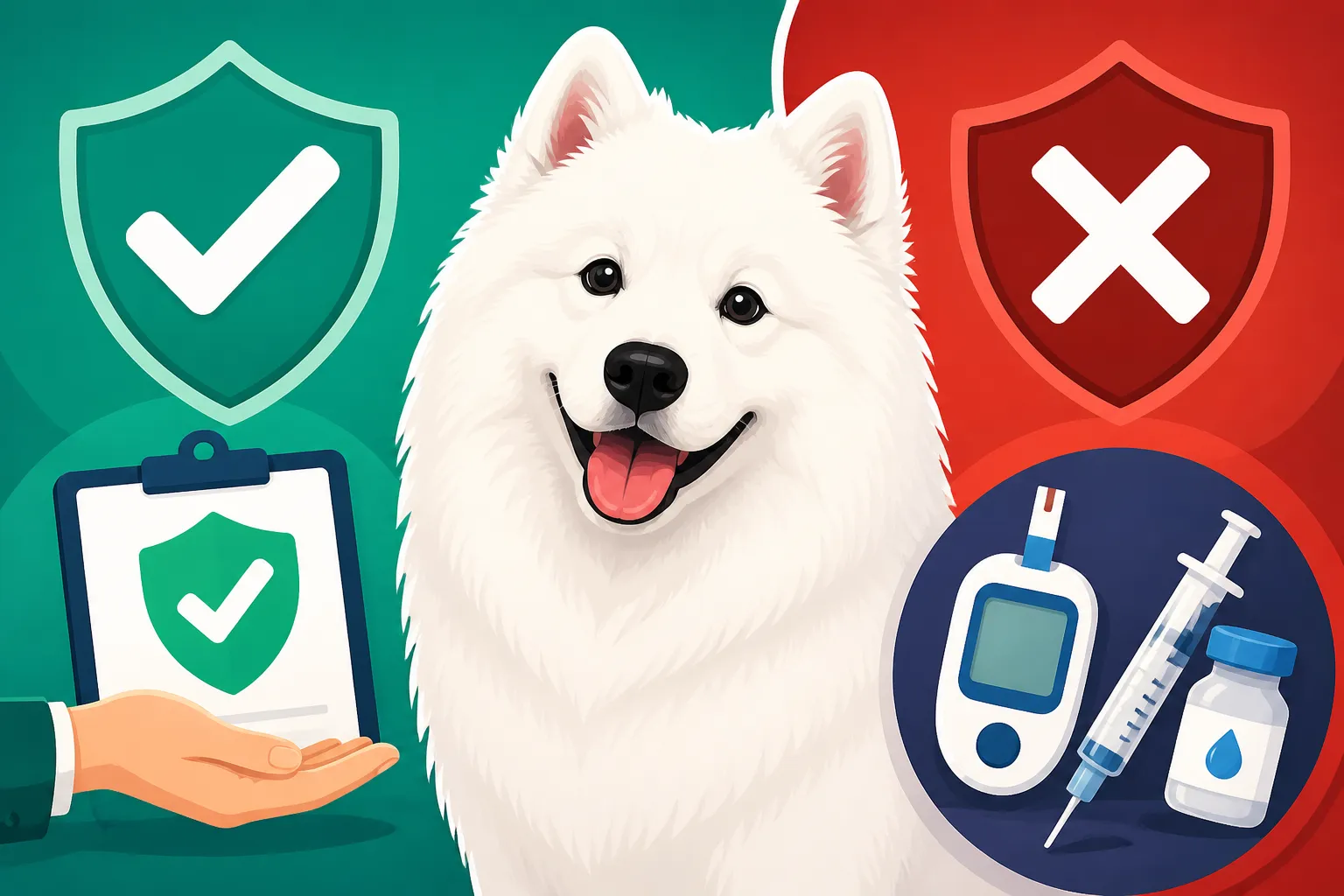
Whether a Samoyed Diagnosed With Diabetes Loses Coverage
The news that your beloved Samoyed has been diagnosed with diabetes can feel like a punch to the gut. Beyond the immediate worry for their health and well-being, a wave of panic often sets in about the financial burden, especially if you've been relying on pet insurance. Many Samoyed owners wonder, with a sinking feeling, if their pet insurance policy will suddenly become useless once this chronic condition is identified. This guide will walk you through the often-confusing landscape of pet insurance coverage for a Samoyed diagnosed with diabetes, explaining why timing is everything and what your options truly are.
Understanding Pet Insurance and Pre-Existing Conditions for Your Samoyed
When it comes to pet insurance, the phrase "pre-existing condition" is the one that causes the most heartache and confusion. It's the critical dividing line between what's covered and what isn't, and it's particularly relevant when a condition like diabetes enters the picture for your furry friend.
What Qualifies as a Pre-Existing Condition?
In the world of pet insurance, a pre-existing condition generally refers to any illness, injury, or symptom that showed up before your policy's effective date or during its waiting period. Think of it like this: if your Samoyed developed a limp on Monday, and you bought an insurance policy on Tuesday with a 14-day waiting period, and then on Wednesday the vet diagnosed hip dysplasia related to that limp, the hip dysplasia would be considered pre-existing. This applies even if you didn't have an official diagnosis before buying the policy, as long as the signs or symptoms were noticeable.
The definition can get a little nuanced, varying slightly between providers and the specific policy terms. Some companies might differentiate between "curable" and "incurable" conditions. For example, a one-time ear infection might be considered curable; once treated, it might not be excluded if it reappears much later. However, chronic conditions like allergies, arthritis, or, crucially for our discussion, diabetes, are usually considered incurable. This means once your Samoyed has been diagnosed with or shown symptoms of such a condition, it typically sticks to their medical record as pre-existing for any new policy you try to get. This makes understanding What a Samoyed's Vet Bills Look Like an important consideration early on.
Why Diabetes Is Almost Always Excluded Post-Diagnosis
This is where the rubber meets the road for Samoyed owners. Diabetes Mellitus, whether Type I or Type II, is an endocrine disorder that requires lifelong management. It's not something that goes away; it's a chronic condition that will need ongoing medication, monitoring, and veterinary care. Because it is a permanent condition, pet insurance companies almost universally classify it as an "incurable pre-existing condition" once it's been diagnosed or even suspected.
The rationale is purely financial for the insurer. Pet insurance is designed to cover unforeseen illnesses and accidents. If an animal is already sick with a chronic, expensive-to-manage disease, insuring them for that specific condition would guarantee a massive payout for the insurance company. It would be like trying to buy fire insurance on your house while it's already engulfed in flames. No insurance company can operate profitably that way. So, if your Samoyed receives a diagnosis of Diabetes in a Middle Aged Samoyed before you enroll them in a policy, or even if the first subtle Signs a Samoyed Has Become Diabetic appear during your policy's waiting period, you will find that a new policy will almost certainly exclude all costs related to their diabetes care.
The Window of Opportunity: Insuring Before Diagnosis
This brings us to the most critical piece of advice: the absolute best time to enroll your Samoyed in a pet insurance policy is when they are young and healthy. We're talking puppyhood, ideally before they've had any significant health issues documented in their veterinary records. Samoyeds, like many purebreds, can be prone to certain health conditions as they age, including diabetes, hip dysplasia, and certain eye conditions. Getting a policy in place when they're a clean slate protects you from the financial shock if one of these conditions develops later on.
Imagine your Samoyed puppy, full of boundless energy and fluffy innocence. At this stage, their medical history is minimal. A comprehensive pet insurance plan, like those offered by Healthy Paws, taken out now would cover future eligible illnesses and accidents that aren't already present. If, years down the line, your senior Samoyed develops diabetes, that existing policy, assuming you've kept it active and paid your premiums, would treat the diabetes as a new condition and cover its eligible costs according to your plan's terms. This foresight can literally save you thousands of dollars over your Samoyed's The Twelve to Fourteen Years a Samoyed Lives, and grant you peace of mind knowing you can afford the best care for them.
The Diabetes Dilemma: Coverage Before vs. After Diagnosis
This is the heart of the matter for many Samoyed owners. The difference in coverage between a policy started before a diabetes diagnosis and one sought after can be stark, fundamentally altering your financial burden.
No New Policy Will Cover Diabetes Directly
Let's be unequivocally clear: if your Samoyed has already been diagnosed with diabetes, you will not be able to find a new pet insurance policy that will cover the costs associated with that diabetes. It's a hard truth, and one that can feel incredibly unfair when you're already grappling with the emotional weight of your dog's illness. Any new policy you might purchase after the diagnosis will invariably list diabetes as an excluded pre-existing condition. This means you would be solely responsible for all expenses related to insulin, syringes, glucose monitoring, special diets, and vet visits for diabetes management.
This isn't to say that pet insurance becomes completely useless for a newly diagnosed diabetic Samoyed. It will still cover new and unrelated illnesses or injuries that arise after the policy's effective date and waiting periods. For instance, if your diabetic Samoyed breaks a leg, develops an ear infection, or needs emergency surgery for an ingested foreign object, those conditions would likely still be covered, assuming they aren't pre-existing themselves. The policy simply won't touch anything connected to the diabetes.
What Might Still Be Covered by Your Existing Policy
Here's where existing policyholders breathe a sigh of relief, or at least a cautious exhale. If your Samoyed was continuously insured with a pet insurance policy before they ever showed any signs or symptoms of diabetes, and certainly before an official diagnosis, then your policy should continue to cover the eligible costs associated with managing their diabetes. This is the scenario every pet owner hopes for.
Under such a policy, once your deductible is met, the insurance company would reimburse you for a percentage of the eligible veterinary expenses related to managing the diabetes. This typically includes:
- Insulin: The cost of the insulin itself, which can be substantial monthly.
- Syringes/Pens: The supplies needed for daily injections.
- Blood Glucose Monitoring: Home glucose monitors, test strips, or professional glucose curves performed at the vet's office. What a Glucose Curve Involves for a Samoyed can be an ongoing expense.
- Veterinary Consultations: Regular check-ups specifically for diabetes management.
- Prescription Diets: If your vet prescribes a special diet for diabetes, some policies might cover a portion of this, particularly if purchased through approved channels like a vet clinic or online pet pharmacies like Chewy or your vet's direct prescription service. Whether a Diabetic Samoyed Needs a Prescription Diet is a common concern.
- Hospitalization: Should your Samoyed require hospitalization due to diabetic ketoacidosis or other complications of their diabetes, these emergency costs would also typically be covered under an existing policy.
It's crucial to understand your specific policy's terms, including your deductible, reimbursement percentage, and any annual or per-condition limits. Some policies have lifetime limits for chronic conditions, while others offer truly comprehensive, lifetime coverage as long as the condition arose after enrollment. This is a key feature to look for in a good pet insurance plan. For example, some reputable providers like Healthy Paws are known for not imposing per-condition or lifetime limits for chronic conditions, provided the condition wasn't pre-existing.
Secondary Conditions and Complications
The implications of diabetes often extend beyond just managing blood sugar. Diabetic Samoyeds can develop secondary conditions or complications directly linked to their illness. These might include:
- Diabetic Cataracts: A common and often rapidly progressing complication that can lead to blindness. Whether a Samoyed's Cloudy Eye Is a Diabetic Cataract is a common concern.
- Diabetic Neuropathy: Nerve damage that can affect hind leg strength and coordination.
- Increased Susceptibility to Infections: Especially urinary tract infections.
If your Samoyed was insured before the diabetes diagnosis, your existing policy would typically cover the eligible costs for treating these diabetes-related complications, as they are a direct consequence of the primary covered condition. However, if you're trying to get a new policy after the diabetes diagnosis, these complications would also be considered pre-existing and excluded from coverage, as they stem directly from the excluded primary condition.
Here's a quick overview of how insurance typically handles diabetes depending on when coverage began:
| Scenario | Existing Policy (enrolled before diagnosis) | New Policy (enrolled after diagnosis) |
|---|---|---|
| Direct Diabetes Care (insulin, blood tests, vet visits for management) | Generally covered after deductible and according to reimbursement percentage. No new waiting periods apply. | Excluded as a pre-existing condition. All costs are out-of-pocket. |
| Diabetic Complications (e.g., cataracts, neuropathy, related infections) | Generally covered if directly linked to the covered diabetes and arise after policy effective date. | Excluded as they stem from the pre-existing diabetes. |
| Unrelated Illnesses/Accidents (e.g., broken leg, ear infection, cancer) | Covered, subject to policy terms. | Covered, subject to policy terms and standard waiting periods (as these are new and unrelated conditions). |
| Wellness Care (routine exams, vaccinations) | Varies by policy; usually an optional add-on wellness package. Not typically part of standard accident/illness plans. | Varies by policy; usually an optional add-on. Unrelated to diabetes coverage. |
Coping with Costs: Managing a Diabetic Samoyed Without Full Insurance Coverage
If you find yourself in the challenging position of having a diabetic Samoyed without the benefit of a pre-existing insurance policy, it’s not the end of the world, but it does require careful financial planning and proactive management.
Financial Planning and Veterinary Partnerships
The first step is to get a clear understanding of the ongoing costs. Sit down with your veterinarian and discuss a long-term treatment plan. Ask about the estimated monthly expenses for insulin, syringes, and any specific prescription foods. Factor in regular vet visits for glucose curve monitoring and general health checks. Understanding What Insulin Costs a Samoyed Owner Every Month for Life is crucial.
- Emergency Fund: If you don't already have one, start building an emergency fund specifically for your Samoyed's medical needs. Even a small amount set aside monthly can accumulate over time and ease the burden of unexpected costs.
- Payment Plans: Many veterinary clinics understand the financial strain of chronic illness. Don't be afraid to discuss potential payment plans directly with your vet's office. They may be able to split large bills into more manageable installments.
- Prescription Savings: Inquire about prescription savings programs. Human insulin, when prescribed by a vet, can sometimes be significantly cheaper than veterinary-specific insulin and can often be purchased at human pharmacies with discount cards. Discuss this option thoroughly with your vet. Companies like GoodRx offer coupons for human medications that your vet might approve for your Samoyed.
- Online Pharmacies & Retailers: For ongoing supplies like syringes, glucose test strips, or even prescription diets, online retailers like Chewy or other reputable pet pharmacies might offer competitive pricing compared to your local vet clinic. Always ensure any online purchase of medication is approved by and sourced through a prescription from your veterinarian.
Exploring Alternatives to Traditional Insurance
While traditional pet insurance might be out of reach for diabetes coverage, there are other avenues that might offer some financial relief or support.
- Veterinary Wellness Plans: Some veterinary clinics offer their own in-house wellness plans. These are not insurance and typically cover routine preventive care like vaccinations, annual exams, and sometimes dental cleanings. While they won't cover diabetes treatment, they can help manage other regular health costs, freeing up your budget for diabetes-related expenses.
- Charitable Organizations & Aid Programs: In some areas, there are local or national charitable organizations that provide financial assistance to pet owners struggling with veterinary bills, especially for chronic or life-threatening conditions. Research organizations that assist with ongoing medical care. Breed-specific Samoyed rescues or clubs might also have resources or assistance programs.
- Pet Care Credit Cards: Options like CareCredit act like a credit card specifically for healthcare expenses. They often offer deferred interest plans for a certain period, which can be helpful for larger, upfront costs, but always be cautious of interest rates if the balance isn't paid off within the promotional period.
Remember that Managing a Diabetic Samoyed is a long-term commitment. It requires diligence, patience, and a steady hand, both in administering care and managing the budget. Many Samoyed owners successfully navigate this, and there are resources and communities available to help. Learning Whether a Samoyed Owner Can Learn to Inject Insulin yourself is a huge step in managing daily costs and care.
Proactive Care for Future Health
Even with a diabetes diagnosis, focusing on overall health is paramount. While diabetes itself won't be covered by a new policy, preventing other unrelated health issues can save significant money down the line.
- Consistent Veterinary Care: Regular check-ups are even more important for a diabetic Samoyed. Your vet can catch emerging issues early, whether they're related to diabetes or not. This also helps monitor the diabetes itself, ensuring your Samoyed is on the correct insulin dosage.
- Healthy Diet and Exercise: Maintaining an appropriate weight and ensuring regular, moderate exercise is critical for managing diabetes and preventing other health problems. Avoid giving your Samoyed fatty table scraps, which can exacerbate pancreatitis—a condition that can sometimes precede diabetes. Always consult your vet about the best diet for a diabetic Samoyed.
- Monitor for Other Samoyed-Specific Concerns: Samoyeds can be prone to conditions like Hip Dysplasia in a Samoyed or Eye Disease and the Samoyed's Retina. While your focus is on diabetes, don't let vigilance lapse on these other potential issues. Early detection through regular screenings can lead to more effective and less costly treatment.
The Takeaway: Early Action is Key for Samoyed Owners
Ultimately, the best defense against the financial strain of a diabetes diagnosis in your Samoyed is proactive planning. The pet insurance landscape is designed to protect against the unexpected, not to cover conditions that have already manifested.
The Importance of Insuring Young
It bears repeating: the single most impactful financial decision you can make for your Samoyed's future health is to enroll them in a comprehensive pet insurance plan as a puppy. Before any symptoms appear, before any official diagnoses are made, when their vet records are pristine. This is the golden window.
By getting coverage early, you secure protection for unforeseen accidents and illnesses that may arise years down the line, including chronic conditions like diabetes. Samoyeds are generally healthy dogs, but like all breeds, they have predispositions. Things like The Health Tests Both Samoyed Parents Should Have are important for breeders, but for owners, early insurance is your personal safety net. Don't wait until your Samoyed is middle-aged and suddenly showing signs of increased thirst or urination—classic Signs a Samoyed Has Become Diabetic—to start thinking about insurance. By then, it's almost certainly too late for diabetes-specific coverage.
What to Look for in a Pet Insurance Policy
When choosing a policy, especially for a Samoyed puppy, keep these points in mind:
- Comprehensive Coverage: Look for policies that cover accidents, illnesses, surgeries, prescription medications, diagnostics, and specialty care.
- No Per-Condition or Lifetime Limits: This is vital for chronic conditions. Policies that have a maximum payout per condition or over the animal's lifetime for a specific illness can quickly run out when managing something like diabetes. Look for unlimited annual payouts if possible.
- Reimbursement Rate and Deductible: Understand your chosen reimbursement percentage (e.g., 70%, 80%, 90%) and deductible options. A higher reimbursement and lower deductible mean more out-of-pocket savings but often a higher monthly premium.
- Waiting Periods: Be aware of the waiting periods for accidents and illnesses. The sooner you enroll, the sooner these periods pass, and your Samoyed is fully covered.
- Reputation and Customer Service: Choose a provider with a strong reputation for paying claims fairly and offering excellent customer service. Reading reviews and talking to other Samoyed owners about their experiences can be very helpful.
While the thought of your Samoyed facing diabetes is daunting, being informed about how pet insurance works can empower you to make the best decisions for their health and your financial peace of mind.
Disclaimer
This article is for general informational purposes only and does not constitute professional advice. Laws, prices and regulations vary by location and change over time. Consult a qualified professional for guidance on your specific situation.