Whether a Samoyed Can Be Returned to the Breeder
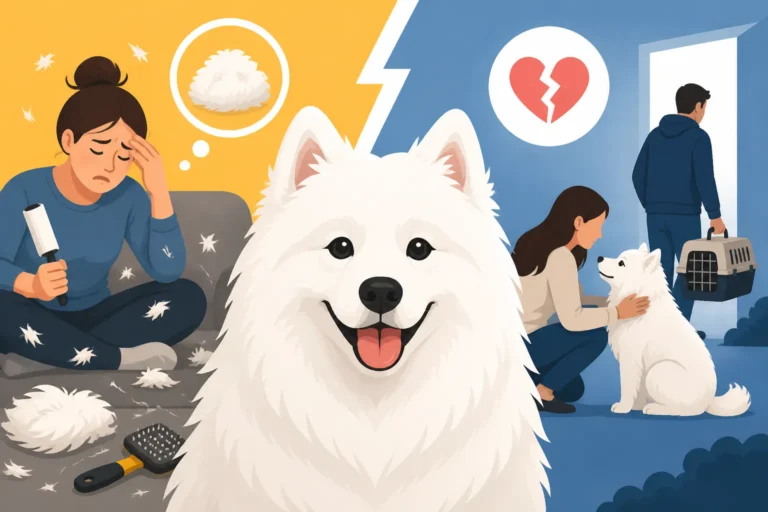
It’s a heartbreaking, often whispered secret among dog owners: sometimes, despite all the love and best intentions, a situation arises where you consider that you might not be able to keep your beloved Samoyed. Life throws curveballs, and the unique challenges of a Samoyed can sometimes feel overwhelming. This comprehensive guide will walk you through the process of returning a Samoyed to its breeder, understanding the responsibilities involved, and exploring alternative solutions to help you navigate this difficult decision.
The Unexpected Challenges That Lead to Rehoming Thoughts
Bringing a Samoyed into your home is an incredible joy, but it's also a significant commitment. Many owners adore the "Samoyed smile" and their fluffy appearance, yet aren't fully prepared for the realities of the breed. It’s absolutely normal to face hurdles you didn’t anticipate, and admitting you’re struggling is the first step toward finding a solution that works for everyone involved.
Behavioral Surprises Beyond the Fluff
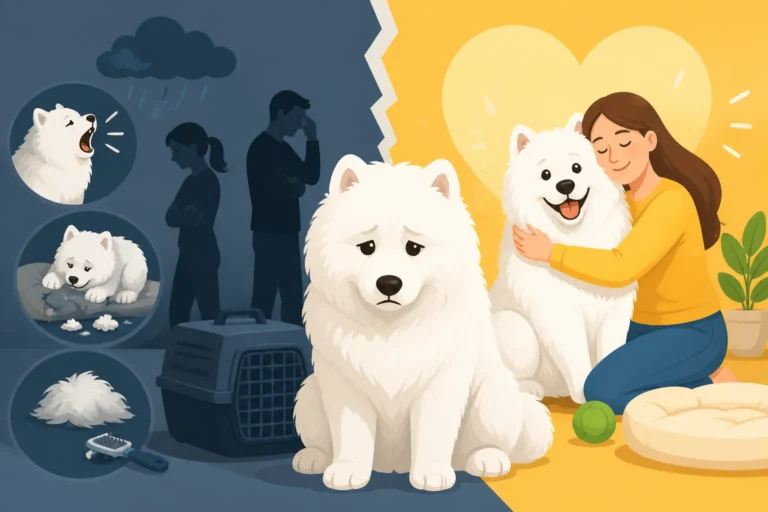
Samoyeds are intelligent, independent, and notoriously vocal, which can catch new owners off guard. While their smiles are endearing, their "talkativeness" can quickly become a major stressor. Owners often find themselves unprepared for The Samoyed Scream and Why It Is Not Barking, a sound that's far beyond a typical bark and can sometimes rattle even the most patient neighbors.
Beyond their vocal prowess, Samoyeds are incredibly clever escape artists. They were bred for working, which means they are problem-solvers. If your yard isn't fortress-like, you might discover just How a Samoyed Gets Out of Anything You Build, whether it's scaling a fence, digging under it, or even figuring out gate latches. Their independent streak also means that Training a Samoyed That Finds Obedience Negotiable is often a long and dedicated journey, requiring patience, consistency, and a strong sense of humor. They aren't always eager to please, and what motivates one Samoyed might be completely ignored by another.
Life Changes and Financial Strains
Even if you've done all your research and prepared diligently, life has a way of throwing unexpected curveballs. A sudden job loss, a serious illness in the family, a new baby that shifts household dynamics, or a relocation that doesn't accommodate a large, active dog can all create an impossible situation. The financial aspect of owning a Samoyed, while often researched beforehand, can also become overwhelming. Beyond the initial What a Samoyed Puppy Costs From a Breed Club Breeder, there are ongoing expenses like high-quality food, which can be found through retailers like Chewy, or premium subscription services like Ollie, that ensure your Samoyed gets the nutrition they need.
Then there are veterinary costs. A healthy Samoyed still requires annual check-ups, vaccinations, and parasite prevention. However, unexpected health issues can arise, leading to significant bills. This is where pet insurance, such as a plan from Healthy Paws, can be a lifesaver, but only if you have it in place before a major health issue emerges. The thought of adding expensive treatments to an already strained budget can push an owner to consider rehoming, not because they don't love their dog, but because they feel they can't provide the necessary care.
The Breeder's Role and the Importance of a Contract
A responsible, ethical Samoyed breeder doesn't just sell you a puppy and wave goodbye. They invest their heart and soul into their dogs, striving to produce healthy, well-tempered puppies. This commitment extends throughout the dog's life, and a key part of that commitment often involves a "take-back" clause in their contract.
Understanding Your Breeder's Ethos
For a dedicated breeder, every puppy they bring into the world is a lifelong responsibility. They want to know their dogs are thriving and that they never end up in shelters or unknown situations. Their primary goal is the well-being of the dogs they breed. This ethos is foundational to understanding why they include specific clauses in their contracts. They don't want to make a profit from taking a dog back; they want to ensure its safety and find it a suitable home if the original placement doesn't work out.
This perspective is crucial. It means that contacting your breeder when you're struggling isn't a sign of failure; it's a responsible act that aligns with their own values. They are often the most knowledgeable resource about your particular dog's lineage, temperament, and potential challenges, and they may be able to offer solutions or take the dog back into their care.
Decoding Your Purchase Contract
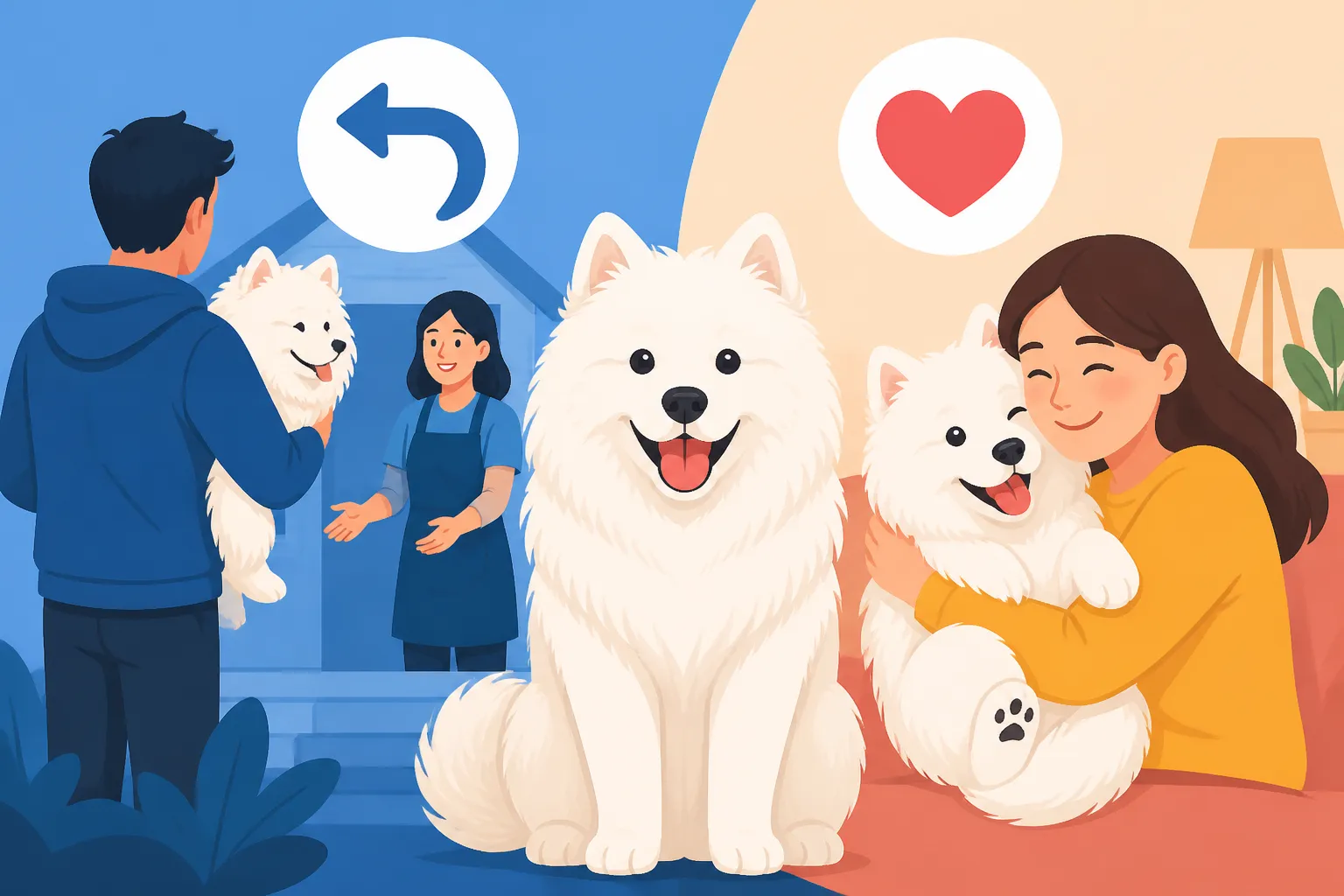
Almost every reputable Samoyed breeder will include a clause in their purchase contract that stipulates the dog must be returned to them if, for any reason, the owner can no longer keep it. This isn't about control; it's about protection for the dog. Before you even consider other options, pull out that original contract.
Look for specific language regarding rehoming or returns. It might state that you cannot sell or give away the dog to a third party without the breeder's express consent, or that the breeder has the first right of refusal. These contracts often cover various aspects, such as Whether a Samoyed Contract Requires Neutering or spaying by a certain age, and sometimes even outline responsibilities if genetic health issues like Whether a Samoyed Contract Covers Kidney Disease arise. Understanding these terms is paramount. If you've misplaced your copy, contact your breeder and ask for a digital version or a summary of the relevant clauses. They will appreciate your proactive approach.
Navigating the Return Process with Your Breeder
Once you’ve reviewed your contract and decided that returning your Samoyed to its breeder is the most responsible path, the next step is to initiate communication. This can feel incredibly daunting, but remember, a good breeder will approach this with understanding and a shared goal of doing what's best for the dog.
Initial Contact and Honest Communication
Pick up the phone or send a detailed email. Be honest and direct about your situation. Explain why you're considering returning your Samoyed, whether it's due to behavioral challenges like excessive digging, the sheer energy level of The First Year With a Samoyed Puppy, or unforeseen life circumstances. Breeders are often a wealth of information and may have encountered similar issues with other dogs from their lines. They might offer advice, suggest a local trainer or behaviorist they trust, or provide support you hadn't considered.
Avoid casting blame or making excuses. Simply state the facts and your current difficulties. A breeder will respect your honesty and willingness to seek their help. They may ask questions about the dog's current behavior, health, and routine to better understand the situation and determine the best course of action for rehoming.
Preparing Your Samoyed for the Transition
If the breeder agrees to take your Samoyed back, there are steps you can take to make the transition as smooth as possible for your dog. Gather all of their veterinary records, including vaccination history, deworming dates, and any notes on past illnesses or treatments. If your Samoyed is on any medications or a special diet (perhaps a unique blend from Chewy or Ollie to manage sensitivities), provide that information and ideally a small supply to get them started.
Pack their favorite toys, blankets, and anything that carries your scent or brings them comfort. This can help ease the stress of moving to a new environment. Be prepared for the breeder to ask to meet your dog, perhaps even for a trial period, to assess their current temperament and health before making a permanent commitment. They might also want to do their own vet check to ensure the dog is in good health before placing it in a new home.
Exploring Alternatives and Support Systems
Returning a Samoyed to its breeder is an excellent option when available, but it's not the only solution. Sometimes, with a bit of extra help or a shift in perspective, you might find that keeping your Samoyed is still possible.
Seeking Professional Help
Many behavioral issues that lead people to consider rehoming can be resolved or significantly managed with professional guidance. If your Samoyed is struggling with issues like excessive barking, destructive chewing, or difficulty with house training, a certified professional dog trainer or a veterinary behaviorist can provide invaluable tools and strategies. This might be a cost, but it could save your relationship with your dog. You might wonder What a Behaviorist Costs a Samoyed Owner With a Barker, but the investment can be priceless compared to the emotional and practical toll of rehoming. Sometimes, simple adjustments to routine, diet, or exercise can make a world of difference. Your vet can also rule out any underlying medical conditions that might be contributing to behavioral changes.
Local Breed Rescue and Rehoming Networks
If returning to the breeder isn't an option (perhaps they are no longer breeding, or your contract didn't include such a clause), a breed-specific rescue organization is often the next best choice. Samoyed rescues are dedicated to finding suitable homes for Samoyeds in need. They understand the breed's unique quirks and needs, and they meticulously screen potential adopters. They can also offer guidance and support during the rehoming process, sometimes even through foster programs. You can look into Fostering a Samoyed yourself, which can be a rewarding way to help a dog in transition without a permanent commitment.
Local shelters are often overwhelmed, and breed-specific rescues can provide a more tailored approach to finding a suitable forever home. They are well-versed in common Samoyed issues and are better equipped to educate new owners on realities like Why Samoyeds Are Surrendered. While there may be an adoption fee involved for the new owners, the goal is always to find the best possible match for the dog.
Here's a quick comparison of rehoming options:
| Option | Pros | Cons | Considerations |
|---|---|---|---|
| Return to Breeder | Breeder knows the dog's lineage/temperament; often contractually obligated; ensures appropriate placement. | Can be emotionally difficult for owner; breeder may be far away or at capacity. | Review your original contract carefully. Communicate openly and honestly. The breeder is invested in the dog's welfare. |
| Breed Rescue | Staff understand Samoyed-specific needs; thorough adopter screening; often provides behavioral support. | Waitlists can be long; may require relinquishment of ownership rights; often relies on foster homes. | Research local Samoyed rescues. Be prepared to provide detailed information about your dog's history and behavior. |
| Self-Rehoming | You control the process and choose the new family. | High risk of poor placement; time-consuming; emotionally taxing; difficult to screen properly. | Only consider if you have a strong network and extensive vetting process. Avoid online marketplaces without rigorous checks. |
| Local Shelter | Provides immediate intake if needed; a safety net for animals without other options. | Can be stressful for the dog; placement can be less targeted; high euthanasia rates in some areas. | A last resort if no other options are available. Look for "no-kill" shelters with good reputations and resources for breed-specific placements. |
No one ever wants to imagine a future without their Samoyed, but sometimes, making the hardest choice is truly the kindest. Reaching out to your breeder is not a failure, but a sign of a responsible and caring owner who prioritizes their dog's long-term well-being.
Disclaimer
This article is for general informational purposes only and does not constitute professional advice. Laws, prices and regulations vary by location and change over time. Consult a qualified professional for guidance on your specific situation.