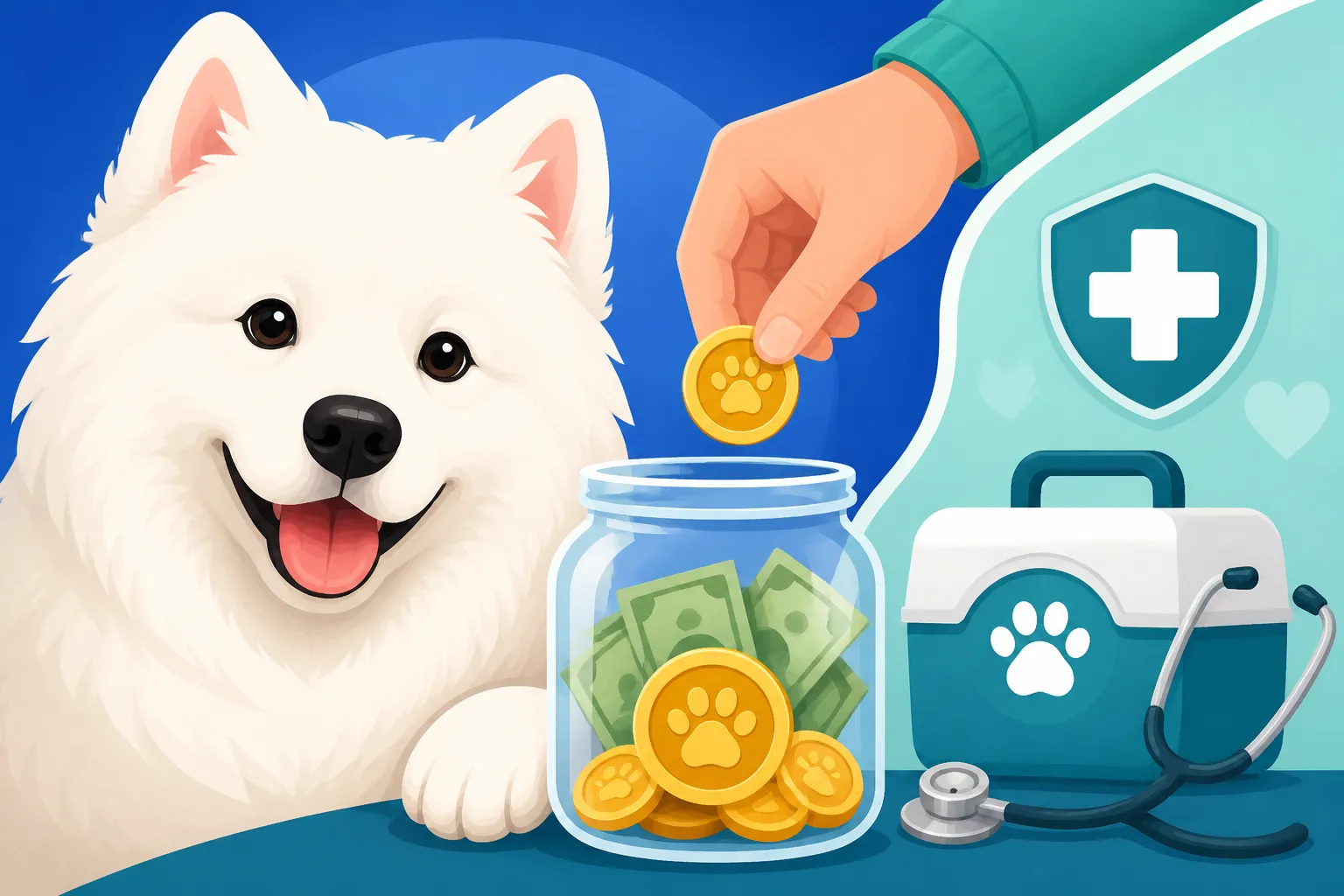
Setting Money Aside for a Samoyed’s Vet Bills
The joy of welcoming a fluffy Samoyed into your home is immeasurable. Those smiling faces bring so much happiness, but let's be realistic: owning a Samoyed, like any beloved companion, comes with significant financial responsibilities, especially when it comes to their health. The thought of an unexpected vet bill can be truly anxiety-inducing, leaving many owners feeling unprepared and stressed. This guide is here to walk you through proactive ways to set aside money specifically for your Samoyed's veterinary care, helping you plan for both routine needs and those inevitable emergencies, so you can focus more on cuddles and less on cash.
The Inevitable Reality of Samoyed Vet Bills
It's a truth universally acknowledged among dog owners: vet bills are just part of the package. From the moment you bring your Samoyed puppy home, you're embarking on a journey that will involve regular health check-ups, vaccinations, and preventative care. But beyond the expected, there's always the lurking possibility of an emergency or a chronic condition, and that's where the real financial stress can kick in. Understanding the landscape of these costs is the first step toward preparing yourself.
Understanding Routine vs. Emergency Costs
Routine vet care for your Samoyed typically includes annual wellness exams, which are crucial for catching potential issues early. These visits often involve vaccinations to protect against common diseases, heartworm testing and prevention, and flea and tick medications. You might also factor in regular dental cleanings as your Samoyed gets older, which can be surprisingly costly but vital for their overall health. These are the predictable expenses you can budget for on a monthly or annual basis, like a subscription service for good health. Think of it like maintaining your car – regular oil changes and tune-ups keep it running smoothly and prevent bigger problems down the road.
However, the real financial curveball often comes from unexpected emergencies or sudden illnesses. A Samoyed, with all its playful energy, might tear a ligament, ingest something it shouldn't, or develop a sudden infection. These situations can quickly escalate into thousands of dollars for diagnostics, surgery, and hospitalization. It's during these moments that having a financial safety net isn't just a convenience, it's a lifeline. Many owners find themselves in a terrible bind, having to make difficult decisions under immense emotional pressure, simply because they weren't prepared for a bill that dwarfs their monthly budget. A well-prepared owner knows that What a Samoyed's Vet Bills Look Like can fluctuate wildly, from a simple check-up to complex medical interventions.
Common Health Concerns in Samoyeds and Their Financial Impact
Samoyeds, while generally robust, do have some breed-specific health concerns that owners should be aware of, as these can lead to significant vet bills. One of the most heartbreaking is The Kidney Disease That Kills Samoyed Males Before Fifteen Months, a hereditary condition that can lead to kidney failure in young males. The diagnostic tests, medications, and specialized diets for such conditions are not only emotionally taxing but financially draining. While rare, the potential for such a devastating diagnosis underscores the need for preparedness.
Then there are conditions like Hip Dysplasia in a Samoyed, which can manifest as lameness and pain, especially as your dog ages. Management can range from anti-inflammatory medications and physical therapy to expensive surgical interventions. Likewise, chronic conditions such as Diabetes in a Middle Aged Samoyed require lifelong management, including daily insulin injections, special diets, and regular vet check-ups to monitor blood sugar levels. These are not one-time expenses but ongoing commitments that add up significantly over the course of your Samoyed's The Twelve to Fourteen Years a Samoyed Lives. Acute emergencies, such as Bloat in a Samoyed (gastric dilatation-volvulus), can strike suddenly and require immediate, life-saving surgery that costs thousands. Being informed about these possibilities, while scary, empowers you to make smarter financial choices. Even the general care for an aging Samoyed, such as discussed in Caring for a Samoyed Past Nine, can bring increasing vet visits and medication costs.
Strategies for Building a Veterinary Emergency Fund
Facing a medical crisis with your beloved Samoyed without the financial means to address it is a truly awful feeling. That's why one of the most practical and stress-reducing things you can do is to proactively build a dedicated emergency fund. This isn't just about money; it's about peace of mind and ensuring you can make decisions based on your Samoyed's needs, not your wallet's limitations.
Dedicated Savings Accounts: Your First Line of Defense
Setting up a separate, dedicated savings account specifically for your Samoyed's vet bills is a game-changer. Don't just lump it in with your general savings, as it's too easy to dip into for other expenses. Label it clearly as "Samoyed Vet Fund" or "Fluffy's Health Fund" to give it its own purpose. The beauty of this approach is automation. Set up a recurring transfer of a small amount from your checking account to this dedicated savings account every payday. Even if it's just $25 or $50 a week, those small amounts accumulate surprisingly quickly without you really feeling the pinch in your daily budget.
Imagine this: you've been diligently saving $50 a week for two years. That's over $5,000 sitting there, ready for anything. The peace of mind this provides when your Samoyed suddenly needs an unexpected diagnostic workup or a course of expensive medication is invaluable. You won't have to scramble, apply for high-interest credit, or worse, make choices based on financial limitations rather than what's best for your furry friend. The ideal fund size will vary for everyone, but aiming for enough to cover a major emergency (often a few thousand dollars) is a great starting point, with a long-term goal of having enough for chronic care or unexpected surgeries.
Budgeting for the Unexpected: Where to Find the Funds
Finding extra money to save might seem daunting, especially if your budget already feels tight. But often, it's about making small, conscious adjustments. Start by tracking your spending for a month to identify areas where you might be able to trim a bit. Do you buy a coffee every day? Could you make it at home a few times a week? Are there subscriptions you're not fully utilizing? Even small sacrifices can add up to a meaningful contribution to your Samoyed's health fund.
Consider reallocating funds you might already be spending. Perhaps you reduce dining out slightly or cut back on impulse purchases. The goal isn't deprivation, but rather mindful spending with a clear purpose. Another option is to earmark unexpected windfalls, like a work bonus, a tax refund, or even birthday money, directly into this fund. It's an easy way to boost your savings without feeling like you're taking money away from your regular expenses. The psychological relief that comes with knowing you have a buffer for your Samoyed's health is immense, transforming anxiety into confidence.
Here’s a simple table to help you visualize different saving strategies:
| Strategy | Description | Pros | Cons |
|---|---|---|---|
| Dedicated Savings Account | Automatic transfers from checking to a separate, interest-bearing account. | Consistent growth, low effort, money is always available. | Slower build-up initially, temptation to withdraw for non-vet needs. |
| Emergency Fund (General) | Incorporate vet costs into a broader emergency fund. | Covers various emergencies, not just vet. | May get depleted by other crises, less focus on pet-specific needs. |
| "Found Money" Method | Directing windfalls (bonuses, refunds) to the fund. | Significant boosts at once, feels less like a sacrifice. | Inconsistent, relies on external factors, no steady growth. |
| Expense Reduction | Actively cutting minor discretionary spending to fund vet savings. | Empowers financial control, immediate impact on savings. | Requires discipline, may feel restrictive, smaller incremental gains. |
The Role of Pet Insurance in Managing Samoyed Healthcare Costs
For many Samoyed owners, pet insurance has become an invaluable tool in managing the unpredictable nature of veterinary expenses. It acts as a financial safety net, particularly for those large, unexpected bills that can catch anyone off guard. However, it's not a one-size-fits-all solution, and understanding how it works is crucial to determining if it's the right fit for your family.
Understanding What Pet Insurance Covers
Generally, pet insurance policies are divided into a few main categories. The most common and comprehensive is an accident and illness policy, which typically covers things like broken bones, unexpected surgeries, diagnostic tests for illnesses (like ultrasounds or blood panels), hospitalizations, and medications. This is where companies like Healthy Paws excel, focusing on those significant, unforeseen events that can truly break the bank. These policies are designed to give you peace of mind that if your Samoyed gets hit by a car or develops a serious illness, a large portion of the bill will be reimbursed.
On the other hand, some companies offer wellness plans, either as an add-on or a separate policy. These are designed to cover routine care like annual exams, vaccinations, and sometimes even dental cleanings. While helpful, the cost-benefit analysis here is often different, as these expenses are usually predictable and budgetable. A key factor to understand with any policy is what constitutes a "pre-existing condition." If your Samoyed has been diagnosed with an issue before you enroll in insurance or during the waiting period, that specific condition will almost certainly be excluded from coverage. This is why Whether Insurance Excludes a Samoyed's Kidneys is such a critical question for breed-specific concerns, and it's something you absolutely need to clarify with any provider before signing up.
Navigating Deductibles, Reimbursement Rates, and Annual Limits
When you're looking at pet insurance, you'll inevitably encounter terms like deductibles, reimbursement rates, and annual limits. Don't let them overwhelm you; they're actually quite straightforward once you break them down.
- Deductible: This is the amount you pay out-of-pocket for eligible vet expenses before your insurance company starts reimbursing you. Think of it like your car insurance deductible. Some policies offer per-incident deductibles (you pay it once per new condition) while others have annual deductibles (you pay it once per year, regardless of how many new conditions arise). A lower deductible usually means a higher monthly premium.
- Reimbursement Rate: This is the percentage of the covered vet bill that the insurance company will pay back to you after you've met your deductible. Common rates are 70%, 80%, or 90%. So, if your Samoyed has a $1,000 covered vet bill, you've met your deductible, and your reimbursement rate is 80%, the insurance company would send you a check for $800.
- Annual Limit: This is the maximum amount your insurance company will pay out in a policy year. Some policies offer unlimited annual payouts, which can be incredibly reassuring for very expensive or chronic conditions, while others have limits like $5,000, $10,000, or $15,000. For a Samoyed, particularly with breed-specific conditions that can rack up high costs, an unlimited or very high annual limit can be very beneficial.
Understanding these factors is key to choosing a policy that truly fits your needs and budget. Always read the fine print and ask questions to ensure you know exactly what you're getting.
When Pet Insurance Might Be Right for Your Samoyed
Deciding whether pet insurance is right for your Samoyed really comes down to your personal financial situation and risk tolerance. For many, the monthly premium, while an ongoing expense, is a small price to pay for the immense peace of mind it offers. Knowing that a major accident or illness won't completely derail your finances is incredibly comforting. It allows you to say "yes" to necessary, expensive treatments without agonizing over the cost.
It’s often recommended to get pet insurance when your Samoyed is young and healthy. Why? Because policies generally don't cover pre-existing conditions. If you wait until your Samoyed is older and has already developed a condition like arthritis or diabetes, those specific issues won't be covered. This is why a question like Whether Insuring a Samoyed Puppy Early Is Cheaper is so relevant; getting coverage early helps ensure maximum eligibility. While What Insuring a Samoyed Costs Monthly can seem like a lot, especially when your dog is healthy, it's an investment against potential catastrophic costs later on. For some, a dedicated savings fund provides enough security, but for others, the predictable monthly premium of insurance feels safer than relying solely on their own savings habits, especially when facing bills that can easily exceed several thousand dollars.
Other Financial Tools and Resources for Samoyed Owners
Beyond dedicated savings and pet insurance, there are several other financial tools and resources that Samoyed owners can tap into when faced with vet bills. Sometimes, a multi-pronged approach offers the best security, combining proactive savings with reactive options.
Veterinary Payment Plans and Credit Options
Many veterinary clinics understand that pet care can be expensive and offer their own in-house payment plans for certain services. These plans allow you to pay off a larger bill over several weeks or months, often without interest if paid within a specific timeframe. It's always worth asking your vet's office if they have such options available. They want to help your Samoyed just as much as you do.
Another popular option is a dedicated medical credit card, like CareCredit. These cards are specifically designed for healthcare expenses, including veterinary care. They often offer promotional periods with 0% interest for a set number of months, allowing you to spread out payments without incurring additional charges, provided you pay off the balance in full before the promotional period ends. However, if you don't pay it off, the interest rates can be quite high, so it's crucial to have a clear plan for repayment before using one. These options can be incredibly helpful in a pinch, bridging the gap when you need immediate care but don't have all the funds upfront.
Crowdfunding and Assistance Programs
In truly dire situations, where all other avenues have been exhausted, there are community resources that can sometimes provide a lifeline. Crowdfunding platforms allow you to share your Samoyed's story and appeal to friends, family, and even strangers for financial help. While not a guaranteed solution, many pet owners have found incredible support through these platforms during a crisis.
Additionally, several non-profit organizations offer financial assistance for pet owners who are struggling to afford veterinary care. Groups like The Pet Fund, RedRover, or specific breed rescues sometimes have programs or grants available. Eligibility requirements can be strict, and funds are often limited, but it's always worth investigating if you find yourself in a desperate situation. These are definitely not primary planning tools but rather last resorts for when the unexpected turns truly catastrophic.
Leveraging Online Retailers and Subscriptions for Savings
While not directly for emergency vet bills, managing your routine pet care expenses smartly can free up funds to put towards your emergency savings or insurance premiums. Online retailers like Chewy often offer competitive pricing on everything from your Samoyed's food to flea and tick prevention, and even some prescription medications, usually requiring a vet's approval. Setting up auto-ship for recurring items can also yield discounts, ensuring you always have what you need while saving a bit of money.
For specific dietary needs, companies like Ollie can provide high-quality, fresh dog food delivered right to your door. While these might seem like premium options, sometimes the convenience and potential health benefits can be worthwhile, and similar to Chewy, subscription models can offer a slight cost advantage. The key here is to evaluate if consolidating purchases or subscribing to regular deliveries makes sense for your budget and allows you to put the savings towards your Samoyed's health fund. Even buying things like What a Continuous Glucose Monitor Costs for a Samoyed or a What a Renal Diet Costs a Samoyed Owner Monthly can be researched for the best value online once a prescription is obtained. Every little bit saved on routine expenses can contribute to your financial readiness for those big, unexpected vet bills.
Disclaimer
This article is for general informational purposes only and does not constitute professional advice. Laws, prices and regulations vary by location and change over time. Consult a qualified professional for guidance on your specific situation.