How Long a Samoyed Waitlist Runs
Bringing home a fluffy, smiling Samoyed puppy is a dream for many, but the reality often crashes head-first into a surprisingly long waitlist. It can be incredibly frustrating to feel ready for a new family member, only to find out you might be waiting a year or even two. This guide will walk you through exactly why Samoyed waitlists are so extended, what to expect during the process, and how you can best prepare for your furry companion's arrival while you patiently wait.
Why Samoyed Waitlists Are So Long
It’s easy to get discouraged when you discover that securing a Samoyed puppy isn't a quick process, but there are several very good reasons why ethical breeders have such lengthy queues. These aren't just arbitrary hoops to jump through; they're reflections of responsible breeding practices and the breed's inherent appeal.
The Realities of Ethical Breeding
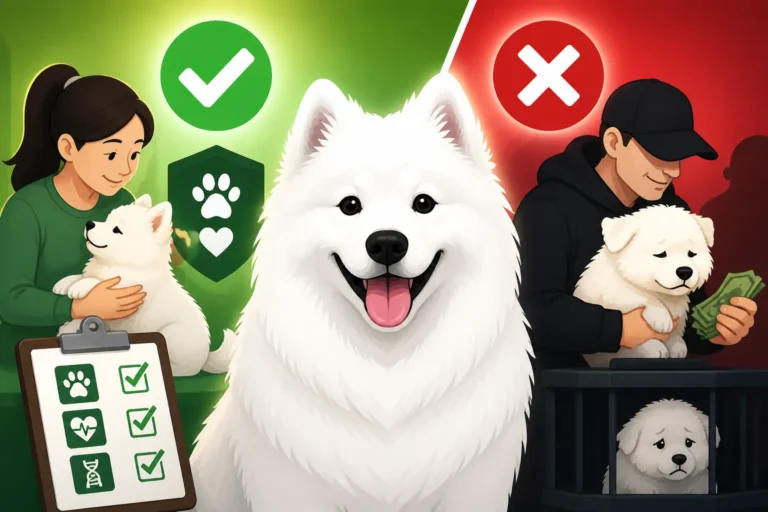
First and foremost, ethical Samoyed breeders aren't running puppy mills. They are passionate individuals dedicated to the health, temperament, and preservation of the breed. This means they breed infrequently, often only when they want to keep a puppy themselves for showing or future breeding. They also prioritize the health and well-being of their adult dogs, ensuring they have ample time to recover between litters and live full, happy lives. This isn't a factory; it's a careful, deliberate process.
A truly responsible breeder invests heavily in health testing their breeding stock. This isn't just a simple vet check-up; it involves costly and extensive screenings for genetic conditions common in the breed, such as hip and elbow dysplasia, eye diseases like Progressive Retinal Atrophy in a Samoyed, and critically, the specific genetic markers for The COL4A5 Test Every Samoyed Buyer Should Ask About which can cause devastating kidney disease in males. These tests, along with temperament evaluations and conformation titles, mean that only a select few dogs are deemed suitable for breeding. When you consider the dedication and financial outlay involved in producing a truly healthy litter, it's clear why these aren't high-volume operations. This meticulous approach naturally limits the number of available puppies, creating a scarcity that contributes directly to long waitlists.
Furthermore, ethical breeders take immense care in raising their puppies. They provide early socialization, exposure to different sounds and textures, and start basic training before the puppies even go to their new homes. This hands-on, intensive rearing process is time-consuming and labor-intensive, limiting how many litters a breeder can realistically handle in a given year. They're not just selling a puppy; they're providing a strong foundation for a well-adjusted companion, and that level of commitment simply doesn't scale to producing dozens of puppies annually.
High Demand Meets Limited Supply
The Samoyed, with its stunning white coat, ever-present "Samoyed smile," and friendly disposition, has captivated hearts worldwide. Social media, in particular, has boosted their popularity, making them one of the most recognizable and desirable breeds. Everyone wants a fluffy cloud dog! However, the very qualities that make them so appealing also contribute to the long waitlists.
This surging demand often far outstrips the supply from responsible breeders. Puppy buyers, perhaps unfamiliar with the rigorous standards of ethical breeding, might be surprised to learn that their dream Samoyed isn't just waiting for them at the local pet store. Instead, they find themselves competing with many other eager families for a spot on a reputable breeder's list. It's a classic supply and demand scenario, but one where the "supply" is deliberately kept low to maintain breed integrity and health.
Adding to this, Samoyed litters aren't typically huge. While individual litter sizes vary, it's not uncommon for a Samoyed litter to consist of anywhere from 4 to 8 puppies. When a breeder might only have one or two litters a year, or even less frequently, those few puppies are quickly allocated to families who have often been waiting for months, sometimes even years. The popularity means that as soon as a breeding is announced, or even before, the waitlist fills up for puppies that aren't even born yet.
The Breeder's Selection Process
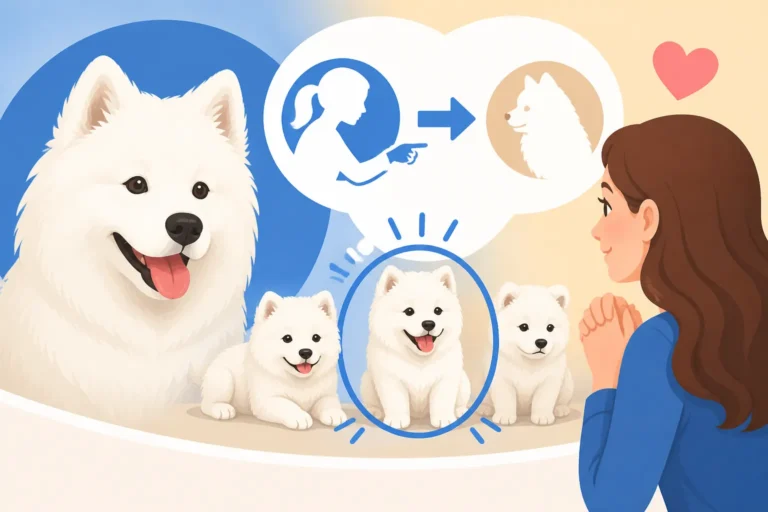
It's important to understand that you're not just waiting for a puppy; you're also being vetted by the breeder. Ethical Samoyed breeders are incredibly selective about where their puppies go. They view themselves as guardians of the breed and want to ensure their puppies are placed in loving, appropriate, and lifelong homes. This means they have their own "waitlist for owners," so to speak, where they assess potential families.
This selection process often involves extensive applications, phone interviews, and sometimes even home visits. Breeders want to know about your lifestyle, your experience with dogs, your living situation, and your understanding of the Samoyed breed's unique needs, such as The Samoyed Scream and Why It Is Not Barking or A Samoyed Built for Sixty Below in an American Summer. They want to ensure you're prepared for the commitment of owning a Samoyed, not just captivated by their looks. This isn't about being judgmental; it’s about making the best match for each individual puppy and preventing future heartache for both the dog and the owner.
The careful matching process can also extend the wait. A breeder might have a litter of five puppies, but only one or two might have the ideal temperament for a first-time owner or a family with young children. The others might be better suited for experienced owners, those interested in dog sports, or homes without other pets. This nuanced matching means that even if you're high on a waitlist, you might still need to wait for a subsequent litter if the current puppies aren't the right fit for your specific home environment.
Navigating the Samoyed Waitlist Process
Once you understand why waitlists exist, the next step is to navigate them successfully. It requires patience, diligence, and good communication. This isn't a sprint; it's a marathon, but the reward at the end is absolutely worth it.
Finding a Reputable Breeder
The very first step is crucial: finding an ethical and reputable Samoyed breeder. This isn't always easy, as many people fall prey to online scams or backyard breeders due to the long waits from legitimate sources. Start by looking for breeders who are members of the national breed club, like the Samoyed Club of America, or local breed clubs. These clubs often have directories of member breeders who adhere to a strict code of ethics. Asking for referrals from trusted veterinarians, dog trainers, or current Samoyed owners can also point you in the right direction.
When you contact a breeder, be prepared to answer many questions and also to ask your own. A good breeder will want to know everything about you, your lifestyle, and your experience with dogs. Don't be shy about asking them about their health testing protocols, their philosophy on puppy raising, and their experience with the breed. This initial vetting process helps the breeder determine if you'd be a good fit for one of their puppies, and it helps you ensure you're working with someone responsible. You can often learn a lot from their transparency and willingness to discuss every aspect of their program.
Be wary of any breeder who has puppies readily available without a waitlist, especially if they don't ask many questions about your home. This is often a red flag for a high-volume breeder who prioritizes profit over proper care and health. Expect thorough conversations and a genuine interest in your family dynamic. It might feel like an interrogation, but it’s a sign that they truly care about their puppies' futures.
Understanding Deposits and Contracts
Once you've found a breeder and they've decided you're a good candidate for one of their puppies, the next step usually involves a deposit and a contract. The deposit typically secures your spot on the waitlist, or for a specific litter, and indicates your serious commitment. Be aware that most deposits are non-refundable, as they represent the breeder's time and effort in finding you a suitable puppy. Make sure you understand the breeder's policy regarding deposits, especially if circumstances change on either side.
The contract is equally important. This document outlines the responsibilities of both the buyer and the seller. It will typically cover health guarantees, spay/neuter agreements (often requiring you to spay or neuter your Samoyed by a certain age if it's a pet), feeding recommendations, and what to do if you can no longer keep the dog. Many contracts specify that the dog must be returned to the breeder if you cannot keep it, rather than rehoming it yourself. Pay close attention to any clauses regarding health, especially concerning conditions like Why Samoyed Hereditary Glomerulopathy Only Devastates the Boys, and understand what the breeder’s responsibilities are should a health issue arise.
Before signing anything or handing over a deposit, read the contract thoroughly and ask any questions you have. A reputable breeder will be happy to explain every clause and ensure you're comfortable with the terms. This is a significant commitment, both emotionally and financially, so ensuring clarity from the outset is vital for a positive experience. Make sure you're clear on What a Samoyed Health Guarantee Covers too.
Communication and Patience
The wait can be the hardest part. Once you're on a waitlist, patience becomes your greatest virtue. It could be several months, or even over a year, before a suitable litter is born. During this time, maintaining open communication with your breeder is key. Don't bombard them with daily emails, but regular, thoughtful check-ins are perfectly acceptable. Many breeders appreciate updates on your life, showing that your interest is sustained.
A good breeder will also keep you informed about their breeding plans, upcoming litters, and the progress of your chosen puppy if you've already selected one. They might send photos, videos, or updates on the litter's development. This communication helps build anticipation and makes you feel like part of the journey. If you find a breeder is unresponsive or vague, it might be a sign to reconsider, as good communication is a hallmark of responsible breeding.
Remember that unexpected things can happen. A planned breeding might not take, or a litter might be smaller than anticipated, potentially pushing your wait out further. Try to remain flexible and understanding. These are living beings, and nature sometimes has its own plans. Trust that your breeder is doing their best to match you with the right Samoyed when the time is truly right.
| Waitlist Status | Typical Duration | Key Actions to Take |
|---|---|---|
| Initial Inquiry | 1-3 weeks | Research breeders, prepare questions, fill out application |
| Approved Applicant | 3-6 months | Submit deposit, read contract, establish communication |
| Waiting for Litter | 6-18 months (or more) | Prepare your home, research care, stock supplies |
| Litter Born/Puppy Chosen | 8-12 weeks (until pickup) | Finalize plans, puppy-proof, gather last-minute items |
What to Do While You Wait
While the wait for your Samoyed puppy can feel interminable, it's actually a golden opportunity to prepare. Use this time wisely to ensure your home and your lifestyle are perfectly suited for your new furry family member.
Prepare Your Home and Family
This might seem obvious, but puppy-proofing a home takes more than just putting away valuables. Samoyeds are curious, intelligent dogs who can find trouble in the most unexpected places. Go through your home room by room, identifying potential hazards. Secure loose electrical cords, remove toxic plants, store cleaning supplies and medications out of reach, and ensure any small, swallowable items are put away. This is also a good time to decide on a designated safe space for your puppy, such as a crate or a playpen.
Beyond physical preparations, prepare your family. Discuss routines, responsibilities, and training methods. If you have children, educate them on how to interact respectfully with a puppy and the importance of gentle handling. If you have other pets, consider how you'll introduce them to the new Samoyed and create a harmonious multi-pet household. A Samoyed With Children and Other Animals covers some important considerations for this. The more everyone is on the same page before the puppy arrives, the smoother the transition will be.
Consider the layout of your home and garden. Samoyeds are known for The Digging a Samoyed Does Because It Is Hot and for being escape artists, so if you have a yard, now is the time to check your fencing for any weak spots or potential escape routes. Think about where your puppy will sleep, eat, and play. Having these logistics sorted out in advance will reduce stress when your little cloud of fluff finally comes home.
Research and Education
The waiting period is an excellent time to become a Samoyed expert. Read books, browse reputable websites, and join online communities (like breed-specific Facebook groups, if they are well-moderated) to learn everything you can about the breed. Understand their temperament, exercise needs, grooming requirements (like The Grooming Bill on Twenty Pounds of Samoyed Undercoat), and common health issues. The more you know, the better prepared you'll be to provide optimal care.
Focus on positive reinforcement training methods. Samoyeds are intelligent but can be independent thinkers, so understanding how to motivate them with rewards and build a strong bond is crucial. Look into local puppy classes or reputable trainers who specialize in positive reinforcement. Training a Samoyed That Finds Obedience Negotiable can give you a head start on what to expect. Knowing the basics of puppy behavior, house-training, and socialization before your puppy arrives will give you a significant advantage.
Also, educate yourself on Samoyed health. While ethical breeders do extensive testing, no animal is immune to all possible health issues. Familiarize yourself with common concerns like hip dysplasia or eye problems, and research pet insurance options. Providers like Healthy Paws offer coverage that can be a lifesaver if unexpected veterinary costs arise down the line, especially for a breed known for some hereditary conditions. It's much better to have a plan in place than to be caught off guard.
Gather Supplies and Budget
Start compiling a list of essential puppy supplies and begin purchasing them gradually. This includes a crate, food and water bowls, a leash and collar or harness, appropriate toys (Samoyeds love to chew!), grooming tools like an undercoat rake, and high-quality puppy food. Many owners find value in ordering staple items from trusted online retailers like Chewy, which can deliver everything from food to toys right to your door, making preparation incredibly convenient.
Think about the long-term costs of owning a Samoyed. It's not just the purchase price; it's food, vet visits, grooming, training, and potential medical emergencies. What Thirteen Years With a Samoyed Comes To is an eye-opening read that can help you understand the full financial commitment. Use the waiting period to establish a dedicated budget for your Samoyed's care. Consider signing up for a subscription fresh food service like Ollie, which can deliver nutritionally balanced meals directly to you, taking the guesswork out of feeding a growing puppy and ensuring they get a high-quality diet from day one.
Having these items ready before your puppy's arrival reduces stress and allows you to focus entirely on helping your new companion settle in. Imagine having to rush out for a forgotten item while trying to comfort a new, possibly nervous, puppy – it’s a situation best avoided! The more prepared you are, the smoother the integration of your new Samoyed into your home will be.
Alternative Paths to Samoyed Ownership
While a reputable breeder and their waitlist are often the ideal path for a Samoyed puppy, it’s not the only way to bring a Samoyed into your life. Sometimes, the wait is too long, or your circumstances are better suited for an older dog.
Adopting a Samoyed from Rescue
For those who are open to an older dog or can't endure the long wait for a puppy, Samoyed rescue organizations are an excellent option. These dedicated groups work tirelessly to rehome Samoyeds who, for various reasons, have found themselves without a permanent home. Many of these dogs are wonderful companions who simply need a second chance. Why Samoyeds Reach Rescue at Eighteen Months often sheds light on common reasons, which are rarely the dog's fault.
The adoption process with a rescue organization can still be thorough, involving applications, interviews, and home checks, but the wait time for a specific dog is often much shorter than for a puppy from a breeder. You might also find that the adoption fees are considerably less than the purchase price of a puppy, though they still contribute to the rescue's efforts in vetting, spaying/neutering, and providing medical care for their dogs. Rescues provide a full picture of the dog's known history, temperament, and any existing health concerns, which can be a huge benefit.
When you adopt from a rescue, you're not just getting a dog; you're often getting a dog with known personality traits, house-training experience, and sometimes even basic obedience. This can be a huge advantage for first-time dog owners or those who prefer to skip the challenging puppy phase. You are also giving a deserving Samoyed a loving home, which is an incredibly rewarding experience.
Considering Older Samoyeds from Breeders
Sometimes, ethical breeders have older Samoyeds available for placement. These might be retired show dogs, breeding dogs who are finished with their careers, or dogs who were returned to the breeder due to unforeseen life circumstances of their original owners. These dogs are typically well-socialized, house-trained, and have established temperaments. They often come with all their health clearances and a known history.
A breeder may also occasionally have a young adult dog who didn't quite fit their breeding or show program, but would make a fantastic pet. These dogs have usually lived in a family environment, understand routines, and are past the most demanding puppy stages. The advantage here is that you're getting a dog with a known background from a responsible source, often at a lower cost than a puppy, and without the extensive wait.
Don't overlook the opportunity to provide a loving home for an adult Samoyed. They still have so much love to give and often adapt beautifully to new environments. While the excitement of a tiny puppy is undeniable, the immediate companionship and settled nature of an older dog can be a perfect fit for many households, especially those who can't dedicate the intense time and energy that a young puppy demands. Caring for a Samoyed Past Nine shows that even senior Samoyeds have a lot to offer and deserve a wonderful home in their golden years.
Disclaimer
This article is for general informational purposes only and does not constitute professional advice. Laws, prices and regulations vary by location and change over time. Consult a qualified professional for guidance on your specific situation.