Whether a Samoyed Owner Needs a Professional Trainer
Bringing a Samoyed into your life is like welcoming a cloud of joy, but many new owners quickly discover that behind that beautiful smile lies a mischievous, intelligent, and often very opinionated mind. If you've found yourself wondering why your fluffy companion seems to have selective hearing when it comes to "come" or prefers excavating your prized rose bushes to walking politely on a leash, you're certainly not alone. This guide is here to help you navigate the unique world of Samoyed behavior and training, specifically addressing whether bringing in a professional trainer is a smart investment for your beloved furry family member.
Understanding the Samoyed's Unique Personality and Training Challenges
Samoyeds are truly special dogs, but their charm often comes with a healthy dose of independence and a deep-seated working dog heritage. What makes them so endearing can also present quite a few hurdles in training that might leave even experienced dog owners scratching their heads.
The "Negotiator" Instinct: Why Samoyeds Aren't Always Eager to Please
Unlike some breeds that live to serve and obey, Samoyeds were bred to be partners to the Nenets people, not subservient followers. They were expected to make intelligent decisions on their own while herding reindeer or pulling sleds, and that independent thinking is still very much alive in the breed today. This often translates into what owners perceive as stubbornness. When you give a Samoyed a command, they often weigh the benefit to themselves. "What's in it for me?" is a constant question running through their fluffy heads. If your Samoyed decides chasing a squirrel is more rewarding than coming back to you, that squirrel is going to win every single time. This "negotiator" instinct is a core part of their charm, but it's also why consistent, highly motivating training is absolutely essential. You’re not just teaching commands; you’re building a relationship where your requests are more appealing than any distraction.
High Energy and the Need for Mental Stimulation
These dogs were literally bred for endurance in the harsh Arctic. A Samoyed with insufficient physical exercise or, perhaps even more importantly, not enough mental engagement, is a Samoyed that will invent its own "job." And believe me, their chosen job rarely aligns with your household rules. This could manifest as relentless digging in your yard – perhaps because they’re trying to cool off, but just as often because it’s a fun, stimulating activity for them. It might be excessive chewing on furniture or shoes, or even incessant vocalization out of sheer boredom. Simply taking them for a walk around the block isn't usually enough to satisfy their keen minds and robust bodies. They need outlets for their energy, puzzles to solve, and engaging activities that challenge them. The Digging a Samoyed Does Because It Is Hot touches on one aspect, but often the digging is about more than just temperature. A professional trainer can help you identify appropriate outlets for your Samoyed's boundless energy and intelligence, channeling it into constructive activities rather than destructive habits.
The Samoyed's Vocal Nature and Selective Hearing
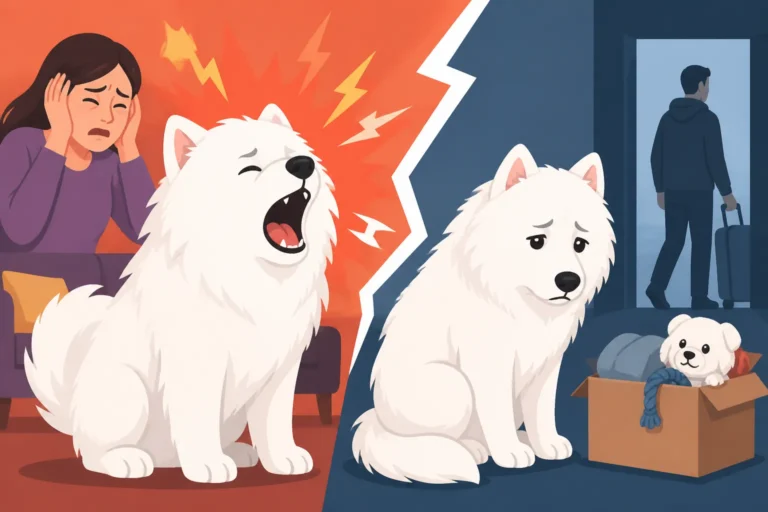
Oh, the glorious Samoyed "scream," the incessant "woo-woo," the dramatic "grumbles"! Samoyeds are renowned for their vocalizations, which are far more varied and frequent than a typical bark. They talk. A lot. And while this can be incredibly endearing, it can also be a major source of frustration, especially if they use their voice to express every single thought, desire, and mild inconvenience. This isn't just about noise; it impacts training. When they're "talking back" or protesting a command, it can be challenging to break through. Their selective hearing often goes hand-in-hand with their independent nature. They hear you, alright, but whether they choose to respond is another matter entirely. This is why standard obedience training techniques might feel like they're bouncing off a marshmallow. It requires a trainer who understands how to capture their attention and make you more interesting than whatever else is happening in their world. The Samoyed Scream and Why It Is Not Barking delves deeper into their vocal habits.
When a Professional Trainer Becomes Invaluable
While every Samoyed owner can, and should, engage in daily training, there are definitive moments and situations where a professional trainer isn't just helpful, but truly invaluable. They bring an objective eye, specialized knowledge, and a toolbox of techniques that most pet owners simply don't have.
Addressing Specific Behavioral Issues
Sometimes, the charming quirks of a Samoyed morph into genuinely challenging behaviors that impact your quality of life. Is your Samoyed pulling you down the street on every walk, making strolls a dreaded chore instead of a pleasure? Is their digging turning your backyard into a lunar landscape? Are you getting complaints from neighbors about constant howling and barking? Perhaps your Samoyed is an escape artist, constantly finding new ways to get out of the yard, putting them in danger. How a Samoyed Gets Out of Anything You Build highlights this common problem.
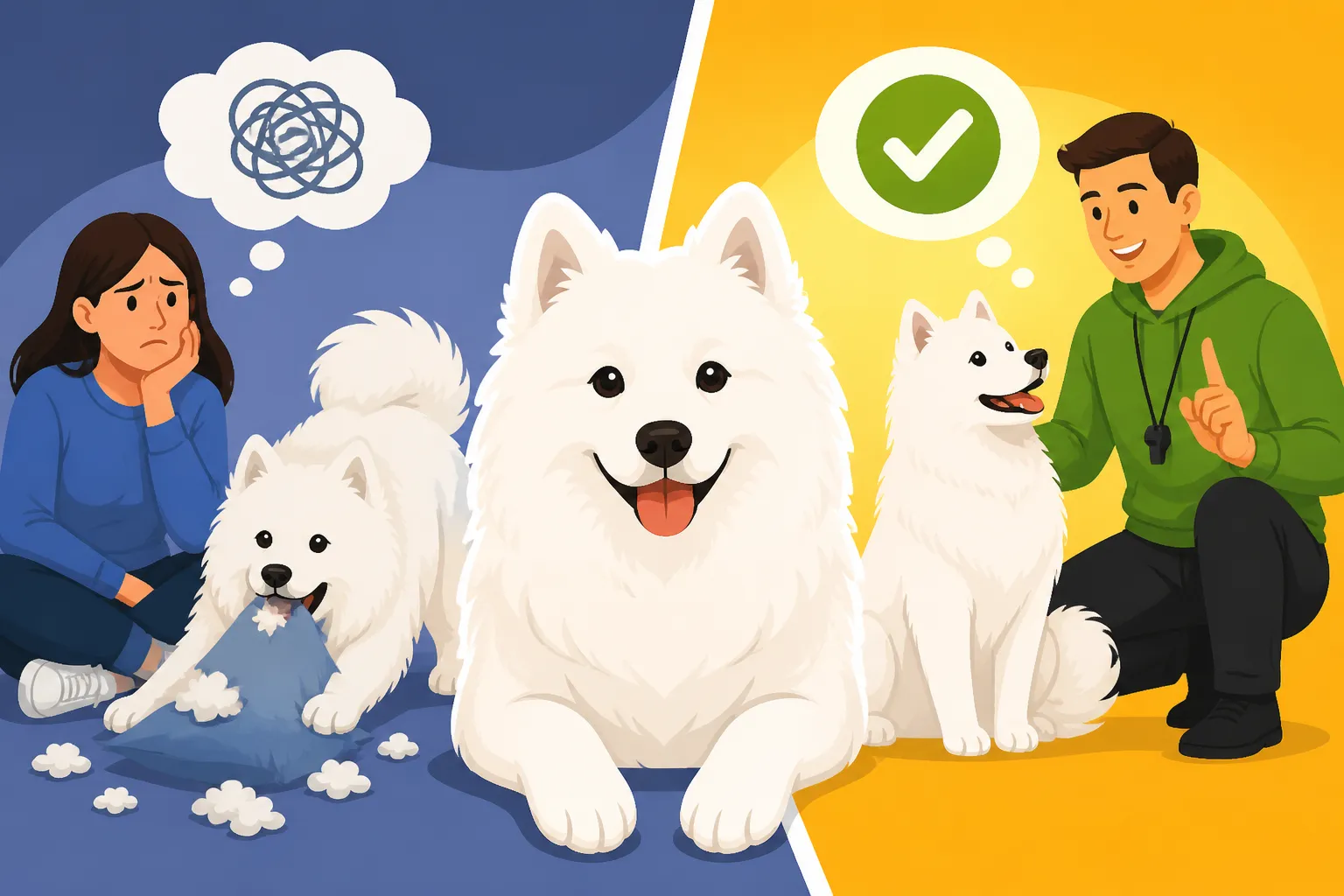
These aren't just minor inconveniences; they are deeply ingrained behaviors that require a systematic approach. A professional trainer can assess the root cause of the behavior – is it boredom, anxiety, lack of boundaries, or something else entirely? They can then design a tailored training plan using appropriate techniques like counter-conditioning, desensitization, or management strategies to help you effectively modify these behaviors. They can guide you step-by-step, ensuring you're implementing the plan correctly and consistently, which is absolutely critical for a breed as smart and persistent as the Samoyed.
Building a Strong Foundation for Basic Obedience
Even if you’ve owned dogs before and know the basics of "sit," "stay," and "come," a Samoyed often requires a different approach. Their intelligence means they learn quickly, but their independent streak means they can also unlearn just as fast if the training isn't engaging or consistent. A good professional trainer can help you establish a solid foundation from puppyhood or reinforce it in an adult dog. This isn't just about teaching commands; it's about teaching your Samoyed how to learn from you and why it's rewarding to do so. They'll teach you effective positive reinforcement techniques, how to fade lures, and how to generalize commands in different environments. This foundational work is crucial, especially for a Samoyed, because it sets the stage for a lifetime of good behavior and a harmonious relationship. Many trainers can introduce you to innovative tools and methods that you might not even know exist, making the training process smoother and more enjoyable for both you and your dog.
Tackling Advanced Training Goals
Beyond basic manners, many Samoyed owners dream of engaging in activities like agility, rally obedience, canicross, or even sledding. These activities not only provide fantastic physical exercise but also offer the mental stimulation that Samoyeds thrive on. However, reaching proficiency in these areas requires a deeper understanding of training principles and canine behavior. A professional trainer, especially one experienced in canine sports or advanced obedience, can be an incredible asset. They can help you refine your handling skills, teach you the specific cues and techniques required for different sports, and help your Samoyed develop the focus and drive needed to excel. They can also help you understand how to harness your Samoyed's natural pulling instinct for sports like Whether a Samoyed Suits Bikejoring or canicross, turning a common leash-pulling frustration into a celebrated athletic endeavor. Working with an expert can unlock your Samoyed's full potential and strengthen your bond through shared achievements.
What to Look for in a Samoyed-Savvy Trainer
Deciding to hire a professional trainer is one thing, but finding the right one for your Samoyed is another challenge entirely. Not all trainers are created equal, and some approaches simply don't work for this unique breed.
Experience with Northern Breeds
This is perhaps the most critical factor. A trainer who primarily works with golden retrievers or border collies might be excellent, but they may not understand the specific nuances of a Samoyed's temperament. Northern breeds, including Samoyeds, often require a different motivational approach. They respond best to positive reinforcement, consistency, and a training style that respects their intelligence and independence rather than trying to break their spirit. Ask potential trainers about their experience with Samoyeds or other similar breeds like Siberian Huskies or Alaskan Malamutes. They should be able to articulate why these breeds can be unique challenges and how their methods adapt to that. A trainer who understands that a Samoyed's "stubbornness" is often a clever negotiation, not a refusal to learn, will be far more effective.
Training Philosophies and Methods
Always, always choose a trainer who uses positive reinforcement, force-free methods. This means rewarding desired behaviors with treats, praise, toys, or play, rather than punishing unwanted behaviors with harsh corrections, fear, or intimidation. Samoyeds, with their sensitive nature and intelligent minds, shut down or become more resistant when subjected to punishment-based training. It can damage your bond and make training far more difficult in the long run. Look for certifications from reputable organizations, and don't hesitate to ask about their specific techniques for common Samoyed issues like leash pulling or excessive vocalization. They should be able to explain their methods clearly and how they apply to your dog's specific personality. Companies like Healthy Paws often cover behavioral therapy recommended by a vet, which can sometimes involve working with a certified professional dog trainer under vet guidance for more severe issues, so understanding their methods is key to effective outcomes.
Types of Training Options: Classes, Private Sessions, and Board & Train
When it comes to professional training, you usually have a few options, each with its own benefits:
- Group Classes: These are fantastic for socialization and learning basic obedience in a distracting environment. Your Samoyed will learn to focus on you even with other dogs around. They're also generally more budget-friendly. However, the trainer's attention is divided among several dogs, so personalized advice might be limited.
- Private Sessions: This is often the most effective route for Samoyeds, especially if you're dealing with specific behavioral issues or if your dog is easily overstimulated in a group setting. The trainer comes to your home or a neutral location and works directly with you and your Samoyed, tailoring the session to your exact needs. This personalized approach can lead to faster progress and a deeper understanding of your dog's unique learning style.
- Board & Train Programs: In these programs, your Samoyed lives with the trainer for a period, receiving intensive, consistent training. While this can yield quick results, it's crucial to thoroughly vet any board & train facility. Ensure they use only force-free, positive reinforcement methods and that there's a comprehensive "go-home" plan for you to learn how to maintain the training. Without your consistent follow-through, the training may not stick once your Samoyed returns home. This option is often the most expensive.
Choosing the right format depends on your budget, your schedule, and the specific challenges you and your Samoyed are facing. Regardless of the type, investing in quality training tools like a comfortable harness, a long line for recall practice, and high-value treats (Chewy and Ollie offer a great selection of high-quality treats that can be very motivating) will make a huge difference.
| Training Option | Best For | Pros | Cons |
|---|---|---|---|
| Group Classes | Socialization, basic obedience, budget-friendly | Good for dogs needing exposure, cost-effective | Less personalized attention, not ideal for reactive dogs |
| Private Sessions | Specific behavioral issues, personalized plans | Highly customized, addresses individual dog/owner needs, flexible | More expensive per session than group classes, requires owner commitment |
| Board & Train | Intensive training, jump-starting behaviors | Fast progress in trainer's hands, good for owners with limited time | Most expensive, critical owner follow-through, potential for stress if not positive reinforcement |
Empowering Yourself as Your Samoyed's Best Trainer
While a professional trainer can provide invaluable guidance, remember that they are primarily teaching you how to train your Samoyed. You are the one who lives with your dog day in and day out, and your consistency is the true key to success.
Continuing Education and Consistency at Home
Think of your professional trainer as a coach who equips you with the strategies and plays. It's up to you to execute them daily. Training isn't a one-and-done event; it's an ongoing dialogue and a lifestyle. Short, frequent training sessions (even just 5-10 minutes a few times a day) are far more effective for Samoyeds than long, infrequent ones. Their bright minds can get bored quickly with drilling. Practice commands in various environments, gradually increasing distractions. Celebrate every tiny success with enthusiasm. Remember, a Samoyed thrives on positive reinforcement, so make training fun and rewarding! What Actually Motivates a Samoyed is a great read on this very topic.
Utilizing Resources Beyond the Trainer
Your journey with your Samoyed doesn't end with a trainer. There's a vast world of information and support out there. Join Samoyed breed clubs or online communities where you can connect with other owners who understand the unique joys and challenges of the breed. Reputable books and online courses can offer additional insights into canine behavior and training techniques. Don't underestimate the power of a good, reliable pet supply provider like Chewy, which offers a wide array of training aids, interactive toys, and high-quality food options that can contribute to your Samoyed's overall well-being and trainability. Sometimes, simply having the right tools, like durable chew toys or puzzle feeders, can make a huge difference in managing a high-energy, intelligent Samoyed.
Long-Term Benefits of Investing in Professional Guidance
Ultimately, deciding whether a Samoyed owner needs a professional trainer boils down to the kind of relationship you want to have with your dog and the peace of mind you desire. An investment in professional training isn't just about fixing problems; it's about prevention, building a stronger bond, and fostering a happy, well-adjusted companion. A well-trained Samoyed is a joy to live with – they can join you on more adventures, be a polite guest, and respond reliably when it matters most. It reduces stress for both you and your dog, leading to a much more fulfilling companionship for their entire The Twelve to Fourteen Years a Samoyed Lives. While it might feel like a significant expense upfront, the long-term benefits of a harmonious household and a confident, well-behaved Samoyed are truly priceless.
Disclaimer
This article is for general informational purposes only and does not constitute professional advice. Laws, prices and regulations vary by location and change over time. Consult a qualified professional for guidance on your specific situation.