The Digging a Samoyed Does Because It Is Hot
It's incredibly frustrating, isn't it? You spend hours tending your garden, only to wake up and find your beautiful Samoyed has excavated a crater right in the middle of your prize-winning petunias. But what if those holes aren't just naughty behavior, but a desperate attempt to find relief from the relentless summer heat? This comprehensive guide will delve into why your Samoyed digs when it's hot, the hidden dangers of this behavior, and, most importantly, provide practical, empathetic solutions to keep both your yard and your fluffy companion safe and happy.
Understanding the Samoyed's Instinct to Dig
Before we can even begin to tackle the "problem" of digging, we have to truly understand why a Samoyed digs. It's not just a random act of defiance, I promise you. These magnificent dogs carry ancient instincts within them, deeply rooted in their heritage. When you see your Samoyed digging, especially when the temperatures climb, you're witnessing a behavior that has literally kept their ancestors alive for thousands of years.
The Ancient Roots of Samoyed Digging
Imagine the harsh, unforgiving landscape of Siberia, where the Samoyed breed originated. The Nenets people relied on these dogs for herding reindeer, pulling sleds, and, crucially, for warmth and companionship in their tents. The climate there is extreme, with bitter cold winters and, perhaps surprisingly, often very warm, insect-ridden summers. In such environments, dogs developed innate strategies to cope. Digging was one of them.
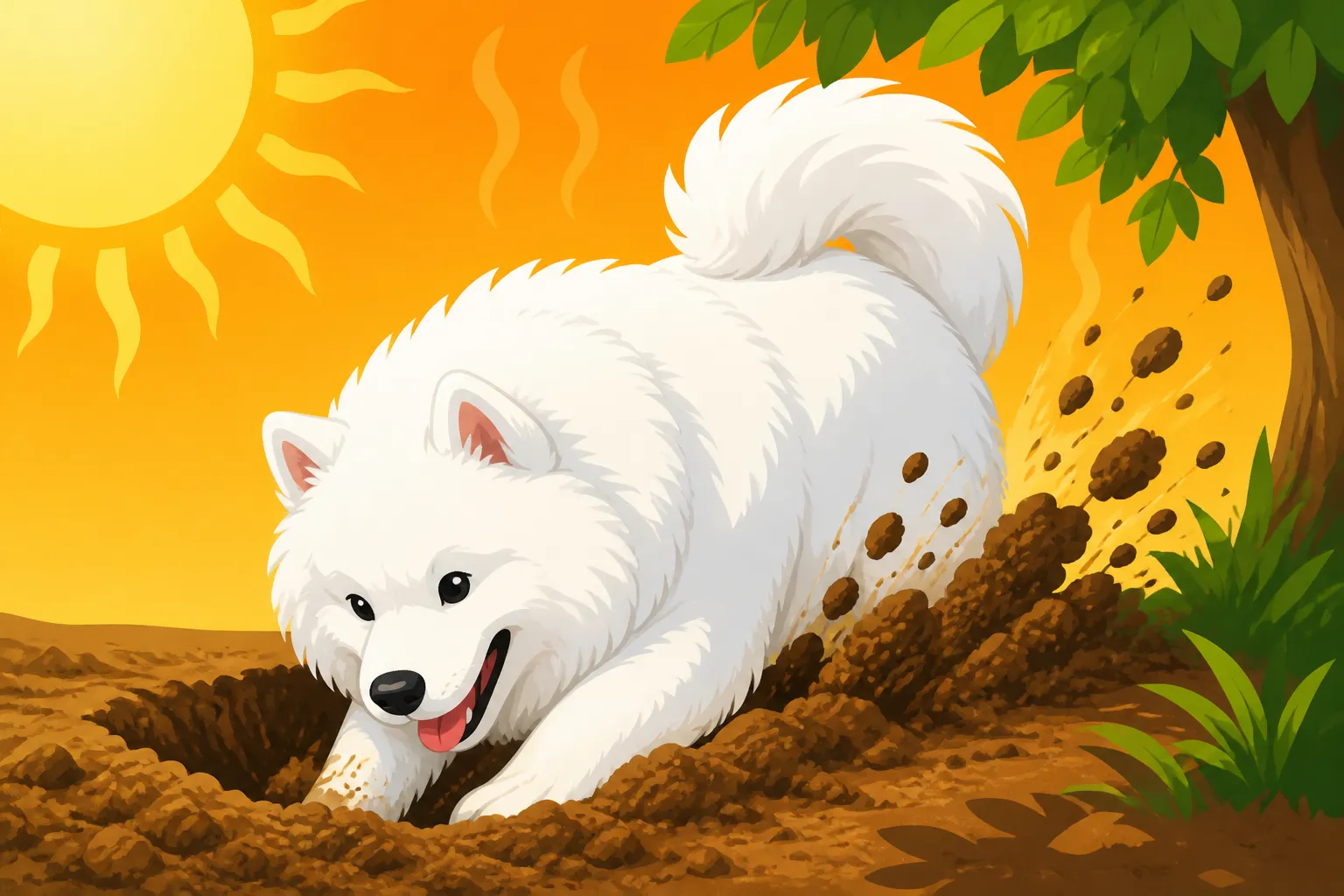
Picture a Samoyed's wild ancestors, or even the working dogs of the Nenets, trying to find respite from the summer sun. There weren't air-conditioned homes or cooling mats. What they had was the earth itself. Digging a shallow pit, exposing the cooler, damp soil beneath the surface, provided a surprisingly effective natural air conditioner. This behavior became hardwired into their genetic makeup, a survival mechanism passed down through generations. So, when your Samoyed starts excavating, they're not intentionally destroying your landscaping; they're simply listening to a primal urge to create a more comfortable microclimate for themselves. It’s a testament to their incredible adaptability to extreme conditions, even if it drives modern owners a little crazy.
More Than Just Boredom: Instinctual Drives
While boredom can certainly exacerbate digging in any dog, for a Samoyed, there's often a deeper, more instinctual motivation, particularly when heat is involved. It’s important not to dismiss it as just boredom, especially when the mercury rises. Their dense double coat, while a marvel of insulation against the cold, can become a significant heat trap in warmer climates. They aren't trying to be mischievous; they're genuinely seeking comfort.
Beyond the immediate relief from heat, digging can also satisfy other deeply ingrained drives. It can be a form of exploration, a way to unearth interesting scents or to simply feel the texture of the soil. Some Samoyeds might also dig out of a prey drive, convinced that there's a fascinating critter just beneath the surface. However, when the heat is a factor, the primary driver often shifts back to thermoregulation. If you notice your Samoyed digging predominantly on hot days, choosing shady spots or areas where the ground might be damp, it’s a strong signal that they are too warm and are attempting to cool down. Understanding this distinction is key to providing effective solutions that address the root cause, rather than just punishing the symptom.
The Specific Problem: Digging for Comfort in Heat
Let's hone in on the core issue: your Samoyed is digging, and it's because they're hot. This isn't just a casual pastime; it's a response to genuine discomfort, sometimes even distress. Recognizing this fundamental truth is the first step toward helping them and preventing those dreaded craters in your yard.
Why a Cool Earth is a Samoyed's Best Friend
Imagine wearing a thick, down-filled parka on a sweltering August afternoon. That's a bit how your Samoyed's double coat feels to them when the sun beats down. Their ancestors, living in the Arctic, didn't have to contend with concrete patios radiating heat or asphalt baking their paws. They had vast expanses of earth, often permafrost just a few inches down, providing a natural cooling system. When a Samoyed digs down a few inches, they're accessing soil that is significantly cooler than the ambient air temperature and the radiated heat from the surface.
This cooler soil draws heat away from their body, much like a cooling mat would, but it's a solution they can create themselves. The exposed damp earth also offers evaporative cooling. It's a simple, ancient, and remarkably effective method for a dog built for extreme cold to manage the heat. They instinctively seek out spots under bushes, against foundations, or in damp areas where the ground is most likely to provide relief. For them, that patch of cool earth isn't just a hole; it's a life raft in a sea of heat.
Recognizing Signs of Heat Stress Beyond Digging
While digging for a cool spot is a clear indicator your Samoyed is feeling the heat, it's crucial to be aware of other, more serious signs of heat stress. Sometimes, digging is their early warning system, but if not addressed, it can escalate quickly. Samoyeds, with their dense coats, are particularly susceptible to overheating, even on days that might not feel that hot to us.
Keep an eye out for these red flags:
- Excessive Panting: While normal after exercise, constant, rapid panting, especially with a wide-open mouth and tongue hanging out, is a sign of trouble.
- Drooling: Thick, ropey saliva is often present as they try to cool down.
- Bright Red Gums: Check their gums; they should be a healthy pink, not a vivid red.
- Lethargy or Weakness: Your normally playful Samoyed might become unusually quiet, slow, or even stumble.
- Vomiting or Diarrhea: These can be severe indicators of heatstroke.
- Disorientation: They might seem confused, lose their balance, or even collapse.
If you notice these more severe symptoms, it's an emergency. Immediately move your Samoyed to a cooler area, offer small amounts of cool (not ice cold) water, and apply cool, wet cloths to their paws, groin, and neck. Call your vet without delay. Digging, in this context, should be seen as a strong signal that you need to implement preventative cooling measures before these more dangerous symptoms even begin. You might find helpful advice in Signs a Samoyed Is Overheating and How a Samoyed Should Be Cooled Down.
The Risks and Frustrations of Heat-Induced Digging
It’s easy to get angry when you see your perfectly manicured lawn transformed into a lunar landscape. And while we now understand the why behind the digging, it doesn't erase the very real problems it creates. From torn-up gardens to potential escape routes, heat-induced digging poses risks for both your property and, more importantly, your beloved Samoyed.
Damage to Your Yard and Landscaping
Let's face it, Samoyeds are not delicate excavators. They are powerful dogs with strong paws and a determined spirit. A few minutes of dedicated digging can undo hours of your hard work in the garden. Flower beds become craters, perfectly laid sod gets ripped up, and your neat rows of vegetables turn into an obstacle course of dirt mounds. This isn't just an aesthetic issue; it can destroy plants, damage irrigation systems, and even undermine structures like sheds or fence posts if the digging is deep and persistent enough.
Many Samoyed owners report having to fence off entire sections of their yard just to protect their landscaping. This can lead to tension and frustration, making you feel like you're constantly battling your dog's natural instincts. The financial cost of repairing gardens, replacing plants, or even reinforcing fences can also add up. It’s a struggle between wanting your Samoyed to be comfortable and wanting to maintain your outdoor living space. The key is finding a balance and proactively managing the environment to minimize the need for them to dig for relief in your prize-winning rose bushes.
Escape Routes and Safety Concerns
Perhaps even more concerning than the damage to your landscaping is the potential for your Samoyed to dig out of your yard. Samoyeds are notoriously intelligent and resourceful, and if they are uncomfortable or bored, they will find a way to remedy the situation. A cool spot on the other side of the fence can be a powerful motivator. A persistent Samoyed can dig under a fence in surprisingly short order, creating an escape tunnel that you might not even notice until it's too late.
Once out, your Samoyed faces a multitude of dangers. Traffic, getting lost, encountering aggressive dogs, or even being mistaken for a stray and picked up by animal control are all terrifying possibilities. Their fluffy white coats make them highly visible, but their friendly nature means they might approach strangers or wander into unsafe areas. An escaped Samoyed is not only a danger to themselves but can also cause distress to neighbors or even lead to accidents. Preventing escapes means not only securing your fence above ground but also considering what lies beneath. If your Samoyed is digging near the fence line, it’s a clear sign you need to reinforce that boundary, perhaps with buried wire or concrete blocks, before a small hole turns into a grand escape hatch. You might find our post How a Samoyed Gets Out of Anything You Build helpful for more insights on their escape artistry.
Health Implications of Constant Digging
While digging might offer temporary relief from heat, constant, desperate digging can also have its own set of health implications for your Samoyed. Their paws, while sturdy, are not invincible. Frequent, vigorous digging on rough terrain can lead to:
- Worn or Broken Nails: Their claws can wear down excessively or even break, leading to pain and potential infection.
- Puncture Wounds or Cuts: Sharp rocks, roots, or hidden debris in the soil can cause cuts or abrasions on their paw pads or between their toes.
- Skin Irritations or Infections: Constant exposure to damp soil can irritate their paw pads, leading to dermatitis or fungal infections, especially in their thick fur.
- Ingestion of Harmful Substances: They might accidentally ingest dirt treated with fertilizers, pesticides, or even toxic plants, leading to digestive upset or more serious poisoning.
Beyond the physical injuries, the underlying heat stress that causes the digging is the biggest health concern. If your Samoyed is routinely digging to cool down, it means they are regularly overheating, which puts strain on their cardiovascular system and increases their risk of heatstroke. This is especially true for older Samoyeds or those with underlying health conditions. We need to ensure their environment is cool enough that they don't need to resort to such extreme measures, protecting both their paws and their overall well-being.
Creating a Cooler Environment: Proactive Solutions
Since heat is the primary motivator for digging in this scenario, the most effective approach is to tackle the heat itself. Creating a consistently cooler environment for your Samoyed, both indoors and out, will significantly reduce their urge to dig. This means being proactive and thoughtful about how you design their space and daily routine, especially during the warmer months. You're effectively taking away their need to self-cool through excavation.
Optimizing Your Outdoor Space for a Samoyed
Your yard should be a haven, not a heat trap, for your Samoyed. Given their thick coats, simple shade might not be enough on truly hot days. Think strategically about how to provide genuine cooling relief in their outdoor areas.
Firstly, shade is paramount. If you don't have natural shade from trees, consider installing shade sails, canopies, or even a covered kennel run. The shade needs to move with the sun, so make sure they always have an escape from direct rays throughout the day. Secondly, water access is non-negotiable. Large, tip-proof bowls of fresh, cool water should be available in multiple locations. Some Samoyeds adore a kiddie pool filled with shallow water where they can lie down and cool their bellies. You can find sturdy, chew-resistant kiddie pools easily on platforms like Amazon.
Thirdly, consider surfaces. Pavement and dark-colored patios absorb and radiate immense heat. If possible, provide access to grassy areas or even a designated patch of soft, damp earth that you create for them. A small sandpit or a section of mulch that you keep slightly damp might satisfy their urge to dig in an appropriate spot, offering a cool alternative. Remember, the goal is to provide enough natural cooling options that they don't have to dig to survive. Water, Shade and the Summer Plan for a Samoyed offers more advice on outdoor cooling.
Indoor Cooling Strategies
Not every Samoyed can spend all day outside, especially in truly hot climates. For many, the indoors becomes their primary sanctuary from the heat. Therefore, your home needs to be adequately equipped to keep them comfortable. The most obvious solution is air conditioning. While this might feel like a luxury, for a Samoyed in a hot region, it's often a necessity. Keep your home at a comfortable, consistent temperature during the hottest parts of the day.
Beyond AC, strategic use of fans can help. Ceiling fans or floor fans can improve air circulation and create a cooling breeze, especially if placed where your Samoyed likes to rest. Cooling mats, which come in various forms – gel-filled, water-activated, or electrically cooled – can provide direct, localized relief. Placing one in their favorite resting spot can be incredibly effective. You can easily find a range of options on Amazon, from basic gel mats to more advanced pressure-activated ones. Drawing blinds or curtains during the day can also reduce solar heat gain, keeping rooms naturally cooler. Remember, your Samoyed thrives in cool environments, and investing in good indoor cooling directly contributes to their health and comfort. You can also explore Whether a Cooling Mat Helps a Samoyed for more details.
Adjusting Daily Routines
Sometimes, it's not just about the environment, but how and when you interact with it. Adjusting your daily routine significantly impacts your Samoyed's exposure to heat and their subsequent need to dig.
The most critical adjustment is exercise timing. Forget midday walks during summer. Shift all strenuous activity to the early morning hours, as the sun rises, or late evening after the sun has set and the pavement has cooled down. Even then, be vigilant about the temperature. Check the pavement with the back of your hand – if it's too hot for you, it's too hot for their paws. During the hottest parts of the day, limit outdoor excursions to short potty breaks and keep them confined to shaded, cool areas.
Consider enrichment activities indoors during peak heat. Puzzle toys, training sessions in a cool room, or frozen treats can keep their minds engaged without overheating their bodies. Hydration is also part of the routine; always have fresh, cool water available and encourage them to drink frequently. On really hot days, a splash in a kiddie pool or a gentle misting with a hose (if they enjoy it) can be incorporated into their day. These small but consistent changes can make a world of difference in preventing your Samoyed from feeling the desperate need to dig for coolness. How Much Exercise a Samoyed Needs offers further guidance.
Managing the Digging Behavior: Training and Redirection
Once you've done everything you can to make your Samoyed's environment cooler, you might still encounter some residual digging. This is where training and redirection come into play. It's about teaching them where they can dig (if at all) and providing more appealing alternatives. Remember, you're not just stopping a behavior; you're redirecting a strong instinct.
Establishing a Designated Digging Zone
This is often the most successful strategy for Samoyeds who are ardent diggers. Instead of fighting their natural urge, you embrace it by providing an acceptable outlet. Create a "digging pit" or "sandbox" in a corner of your yard. Choose an area that's out of the way, preferably in a naturally shady spot or one where you can add shade. Fill it with sand or loose soil, maybe even burying a few toys or treats for them to discover.
The key is to make this designated spot more attractive than your flower beds. When you see your Samoyed starting to dig elsewhere, gently interrupt them, say "no dig" or "leave it," and then immediately lead them to their digging pit. Encourage them to dig there with praise and a hidden treat. Consistency is vital. Every time they try to dig inappropriately, redirect them. Over time, they'll learn that the digging pit is their special spot, and it can become a wonderful way for them to express their natural instincts without destroying your yard. Make sure to keep the soil in the pit slightly damp on hot days to maximize its cooling appeal. Giving a Samoyed Its Own Digging Pit provides even more specific steps.
Positive Reinforcement and Consistent Cues
Training a Samoyed often requires patience, creativity, and a heavy dose of positive reinforcement. Yelling or punishing them for digging will likely only confuse or frighten them, and won't address the underlying motivation. Instead, focus on rewarding the behaviors you want to see.
When your Samoyed chooses to rest in a cool, designated spot (like on a cooling mat, in the shade, or in their digging pit), lavish them with praise and treats. Use a clear, consistent cue like "cool spot" or "settle" when they are in the right place. Conversely, if you catch them before they start digging in an forbidden area, use an interruption cue like a gentle "eh-eh" or a "leave it" command, then immediately redirect them to their appropriate cooling option or digging zone. The goal is to make the "right" choice far more rewarding than the "wrong" one.
Consider enrolling in an online dog training program, such as those offered by BAXTER & Bella. Their comprehensive approach to positive reinforcement and building a strong foundation of communication can be incredibly beneficial for managing a high-energy, intelligent breed like the Samoyed. They can help you understand how to shape behavior and maintain consistency, which is paramount for these often-stubborn but eager-to-please dogs. Remember, Samoyeds thrive on interaction and praise, so make training a fun and positive experience for both of you. Positive Training Alone Works on a Samoyed might be a useful read.
Engaging Alternatives to Digging
If your Samoyed is digging out of a combination of heat and boredom, simply providing a cool spot might not be enough. You need to offer engaging alternatives that satisfy their need for mental and physical stimulation without resorting to destructive behaviors.
- Interactive Toys: Provide puzzle toys filled with frozen treats, Kongs stuffed with peanut butter or yogurt, or lick mats that keep them occupied for extended periods. Freezing these makes them even more appealing on a hot day.
- Frozen Treats: Homemade pupsicles made from broth, fruit, or yogurt can be a fantastic, cooling diversion.
- Snuffle Mats: These can satisfy their instinct to root around and "forage" for food, engaging their nose and brain in a constructive way.
- Supervised Play: Short, low-impact play sessions in a cool, shaded area or indoors can burn off some energy. Think gentle tug-of-war or hide-and-seek rather than a full-speed fetch session.
- Chew Toys: High-quality, durable chew toys can help alleviate boredom and stress, keeping their mouths busy in a non-destructive manner.
The key is variety and novelty. Rotate toys regularly to keep things interesting. When you provide these appealing alternatives, your Samoyed is less likely to feel the need to create their own "entertainment" by digging, especially if their core need for coolness is also being met. A truly content and stimulated Samoyed is a less destructive Samoyed.
Essential Tools and Resources for Managing Digging
Even with the best intentions and training, sometimes you need a little extra help. Various tools and resources are available to aid you in managing your Samoyed's heat-induced digging, from physical barriers to specialized cooling gear and expert guidance. Don't hesitate to leverage these to create a safer, happier environment for everyone.
Durable Fencing and Barriers
If your Samoyed has a penchant for digging under fences, traditional fencing might not be enough. You'll need to think about fortifying your perimeter from the ground up (or down!).
Consider these options:
- L-Footer Fencing: This involves extending your fence material horizontally into the ground (like an 'L' shape) or burying chicken wire or hardware cloth flat along the base of the fence line, extending about 1-2 feet inwards. This creates a barrier that your Samoyed will encounter if they try to dig down, effectively preventing them from tunneling under.
- Concrete or Paver Stones: Laying a perimeter of concrete slabs or heavy paver stones along the base of your fence on the inside of the yard makes it incredibly difficult for a Samoyed to start digging there.
- Buried Wire Mesh: Digging a trench and burying a sturdy wire mesh (like welded wire or hardware cloth) vertically below the fence line can also deter persistent diggers. The mesh should extend at least 18-24 inches deep.
- Electric or Invisible Fences: While some owners consider these, they come with significant caveats for Samoyeds. Their thick fur can make the shock less effective, and their high pain tolerance combined with their strong prey drive and desire to roam means they might ignore the correction if something interesting is on the other side. They are not a substitute for a physical barrier, especially for a breed known for its "Houdini" tendencies.
Investing in these reinforcements can save you immense stress and prevent dangerous escapes. You can find many of the necessary materials like wire mesh, strong zip ties, and fence extenders on Amazon, often with helpful diagrams for installation.
Cooling Products and Gear
Beyond air conditioning and kiddie pools, there's a whole array of products designed to keep your Samoyed cool, reducing their motivation to dig.
- Elevated Beds: These beds lift your Samoyed off hot surfaces, allowing air to circulate underneath them, which provides much better cooling than lying directly on the ground.
- Cooling Vests/Bandanas: These can be soaked in water and then placed on your dog. As the water evaporates, it draws heat away from their body. Look for lightweight, breathable materials.
- Misting Systems: For outdoor areas, a simple misting system attached to a hose can create a cooler microclimate, especially if your Samoyed enjoys being lightly misted.
- Insulated Water Bowls: Look for stainless steel, double-walled bowls that keep water cooler for longer, or even bowls that can be frozen to create a block of ice in the center. Ensuring access to truly cool water can make a big difference in their comfort level.
When choosing cooling gear, always consider your Samoyed's specific needs and preferences. Some might love a cooling vest, others might prefer a simple elevated bed. The goal is to provide a variety of options so they can choose what works best for them to stay comfortable and prevent overheating. You'll find many of these items readily available from online retailers.
Training Aids and Professional Guidance
Sometimes, even with all the right tools, you might feel like you're fighting an uphill battle. This is where professional help and targeted training aids can make a significant difference.
- Long Lines: A long line (15-30 feet) can be invaluable for supervised outdoor time. It allows your Samoyed more freedom to explore and play in a designated area without the risk of them digging an escape tunnel or destroying your garden unchecked. It gives you the ability to interrupt and redirect digging behavior immediately.
- Interactive Toys and Feeders: As mentioned before, these keep your Samoyed mentally stimulated, which can reduce boredom-related digging. Look for high-quality, durable options that can stand up to a Samoyed's enthusiasm.
- Professional Dog Trainer: If you're struggling to implement effective strategies, a certified professional dog trainer (especially one experienced with northern breeds) can offer personalized guidance. They can assess your specific situation, help you understand your Samoyed's motivations, and teach you positive reinforcement techniques to manage digging and other behaviors. Programs like BAXTER & Bella can provide a structured curriculum and expert support to help you navigate these challenges. They often have resources for dealing with common Samoyed behaviors, including digging and managing high energy.
- Veterinary Consultation: If you suspect your Samoyed's digging is primarily driven by discomfort and you're seeing other signs of heat stress, a vet visit is crucial. They can rule out any underlying health issues that might make your dog more susceptible to heat and offer advice on managing their comfort in warm weather.
Remember, you're not alone in this. Many Samoyed owners face similar challenges. Utilizing these resources can transform a frustrating situation into a manageable one, allowing you and your Samoyed to enjoy the warmer months safely.
Long-Term Strategy: Embracing the Samoyed's Nature
Ultimately, successfully managing a Samoyed's heat-induced digging isn't just about quick fixes; it's about adopting a long-term strategy that embraces their unique nature. This means understanding their breed-specific traits, adapting your lifestyle, and fostering a happy coexistence where their instincts are respected and channeled appropriately.
The Importance of Breed-Specific Understanding
Owning a Samoyed means accepting and celebrating their heritage. They were not bred to be sedentary indoor dogs in tropical climates. They are a powerful, intelligent, and highly driven working breed with a magnificent coat designed for the Arctic. Their desire to dig, to vocalize, to roam, and to be close to their "pack" are all deeply ingrained. Ignoring these traits or expecting them to behave like a different breed will only lead to frustration for both you and your dog.
A Samoyed's double coat, while beautiful, is a powerful thermal regulator. In winter, it keeps them warm. In summer, it can also trap cool air against their skin, but only if they're not constantly overheating. Understanding Why a Samoyed's Coat Insulates Against Heat as Well as Cold is critical. Their digging behavior in hot weather is a direct manifestation of their need to regulate their body temperature, just as it was for their ancestors for millennia. By truly understanding this, you shift from seeing digging as a "bad" behavior to seeing it as a desperate plea for comfort. This empathy changes your approach from punishment to proactive problem-solving, making you a much better Samoyed parent.
Integrating Solutions for a Happy Coexistence
The best long-term strategy involves integrating all the solutions we've discussed into a holistic approach. It's not just about one cooling mat or one training session; it's about creating an entire lifestyle that caters to your Samoyed's needs.
Consider a multi-layered approach:
- Environmental Control: Ensure your home and yard are as cool as possible. Prioritize shade, water, and cool resting spots.
- Routine Adjustment: Plan exercise for cooler parts of the day. Provide ample indoor mental stimulation.
- Behavioral Management: Establish a designated digging zone. Use positive reinforcement to reward appropriate behaviors. Redirect unwanted digging consistently.
- Health Monitoring: Regularly check for signs of overheating and consult your vet if you have concerns. Remember, How a Samoyed Hides Illness Behind a Smile is a real phenomenon, so be observant.
This comprehensive approach fosters a relationship built on trust and understanding. Your Samoyed will feel understood and cared for, reducing their stress and, in turn, their need to resort to instinctual behaviors like digging out of discomfort. It's about meeting them where they are, acknowledging their ancient drives, and working with them to create a comfortable, safe, and happy life together, holes and all. After all, those fluffy, smiling faces are worth every bit of effort.
Disclaimer
This article is for general informational purposes only and does not constitute professional advice. Laws, prices and regulations vary by location and change over time. Consult a qualified professional for guidance on your specific situation.