The Twelve to Fourteen Years a Samoyed Lives
One of the most profound concerns for any Samoyed parent is how long we get to cherish those fluffy smiles and happy tail wags. The reality is, even with the best care, the years fly by. This comprehensive guide is here to walk you through everything you need to know about the Samoyed lifespan, from genetic predispositions to daily care, and how to maximize every precious moment you have with your beloved companion.
What to Expect: The Samoyed's Typical Lifespan
When you bring home a Samoyed, you’re not just getting a dog; you’re welcoming a loyal, goofy, and sometimes mischievous, family member. Naturally, you hope for as many years as possible with them. Understanding their typical lifespan helps you plan for their future and provides a benchmark for their health journey.
Average Lifespan: The Numbers Don't Tell the Whole Story
Generally speaking, Samoyeds are considered a relatively long-lived breed for their size, with most individuals enjoying a lifespan of 12 to 14 years. Some lucky Samoyeds, given optimal care and a touch of good genetics, can even push past that, reaching 15 or 16 years. However, it’s important to remember that these are averages. Just like people, individual dogs can vary significantly, and a multitude of factors, both inherited and environmental, play a huge role in determining how many candles will be on their annual "barkday" cake.
Compared to some other large breeds, like Great Danes or Irish Wolfhounds who often have shorter lifespans closer to 7-10 years, the Samoyed’s 12-14 years is quite respectable. They sit comfortably in the middle, often outliving some of the giant breeds but typically not reaching the extreme senior ages sometimes seen in smaller toy breeds. This average range reflects a breed with a good constitution, but one that is still susceptible to age-related conditions and certain genetic health issues.
It's also worth noting that statistics can sometimes mask the full picture. A breed with a wide range in lifespan might have a lot of dogs living to 15, but also a number succumbing to specific illnesses at a much younger age. For Samoyeds, while the overall average is strong, awareness of specific early-onset conditions is key to understanding potential challenges.
The Difference Between Males and Females
While the overall average lifespan of 12-14 years applies to the breed as a whole, there can sometimes be subtle differences between male and female Samoyeds. Anecdotally, some owners report that females tend to live slightly longer, or at least experience fewer severe early-onset health issues. However, this isn't a hard and fast rule, and individual variation is always the dominant factor.
One significant exception to this general observation comes down to a very specific, devastating genetic condition: Hereditary Glomerulopathy, often referred to as Samoyed Hereditary Nephritis (SHN). This X-linked kidney disease predominantly and severely affects male Samoyeds, often leading to kidney failure and death before they reach 15 months of age. Females can be carriers and sometimes show milder signs much later in life, but the full, life-ending impact is seen almost exclusively in males. If you want to dive deeper into this heartbreaking condition, our article on The Kidney Disease That Kills Samoyed Males Before Fifteen Months provides a comprehensive overview.
Beyond this specific genetic issue, other common health problems like certain cancers or heart conditions don't typically show a strong gender bias in their prevalence or severity in Samoyeds. Therefore, while SHN is a critical consideration for male Samoyed puppies, for most other health concerns, vigilance for both sexes is equally important as they age.
Common Causes of Mortality in Samoyeds
Understanding the typical causes of death in Samoyeds can help owners be more proactive about preventative care and early detection. While any dog can unfortunately fall victim to unforeseen accidents or sudden illness, several health issues are more commonly seen as contributing factors to the end of a Samoyed's life.
Cancers are a significant concern across many dog breeds, and Samoyeds are no exception. Lymphoma, mast cell tumors, and osteosarcoma (bone cancer) are among the types that can affect them. The unfortunate reality is that cancer can strike at any age, though it becomes more prevalent as dogs enter their senior years. Regular veterinary check-ups, including thorough palpation and observation, can sometimes help catch these issues early, offering more treatment options.
Kidney disease, beyond the specific hereditary form, can also be a cause of mortality in older Samoyeds, similar to many other aging dogs. As kidneys age, their function can decline, leading to chronic kidney disease. This is a progressive condition that requires careful management through diet, medication, and fluid therapy. Heart disease, such as dilated cardiomyopathy or subaortic stenosis, can also impact a Samoyed’s longevity, sometimes leading to congestive heart failure. Regular cardiac screenings, especially in breeding animals, and listening for heart murmurs during routine exams are important. To learn more about the broader picture of health challenges, you might find our article What Samoyeds Actually Die Of particularly insightful.
Other factors like severe arthritis, cognitive dysfunction, or other organ failures can also reduce a Samoyed's quality of life to the point where difficult decisions must be made. The goal of responsible ownership and veterinary care is always to manage these conditions effectively, ensuring comfort and happiness for as long as possible.
The Genetic Blueprint for a Long Life
While daily care and environmental factors are crucial, a significant portion of a Samoyed's potential lifespan is written in their DNA. Understanding the genetic predispositions of the breed is paramount for both prospective owners and breeders aiming to produce healthy, long-lived companions.
Hereditary Glomerulopathy: A Samoyed-Specific Concern
Perhaps one of the most serious genetic threats to a Samoyed's lifespan is Samoyed Hereditary Glomerulopathy (SHG), an X-linked dominant disease. This condition is particularly devastating because it causes progressive kidney failure, primarily affecting male Samoyeds at a very young age. Affected males typically show signs of kidney dysfunction between three and seven months old and often succumb to the disease before they are 15 months old. It's a truly heartbreaking diagnosis for families who cherish their young pups.
The disease is caused by a mutation in the COL4A5 gene, which is essential for the structure of the kidney's filtering units (glomeruli). When this collagen doesn't form correctly, the kidneys leak protein, eventually leading to irreversible damage. Carrier females, who have one affected X chromosome, usually develop a milder, later-onset form of the disease or remain asymptomatic, which is why the full devastation is seen in their sons. For anyone considering a Samoyed, particularly a male, asking about The COL4A5 Test Every Samoyed Buyer Should Ask About is non-negotiable. This DNA test can identify carriers and affected individuals, allowing breeders to make informed decisions and prevent the production of affected pups.
The knowledge about SHG highlights why understanding genetic health is so vital. It’s not just about getting a fluffy puppy; it’s about ensuring that puppy has the best possible chance at a long, healthy life. The reason this disease predominantly affects males in such a severe way is fascinating but tragic, and our article Why Samoyed Hereditary Glomerulopathy Only Devastates the Boys delves into the specific genetics behind this pattern.
Other Genetic Health Challenges
Beyond the specific kidney disease, Samoyeds, like many purebred dogs, are prone to other inherited conditions that can impact their quality of life and potentially shorten their lifespan if not managed. Awareness and screening for these conditions are essential tools in promoting longevity.
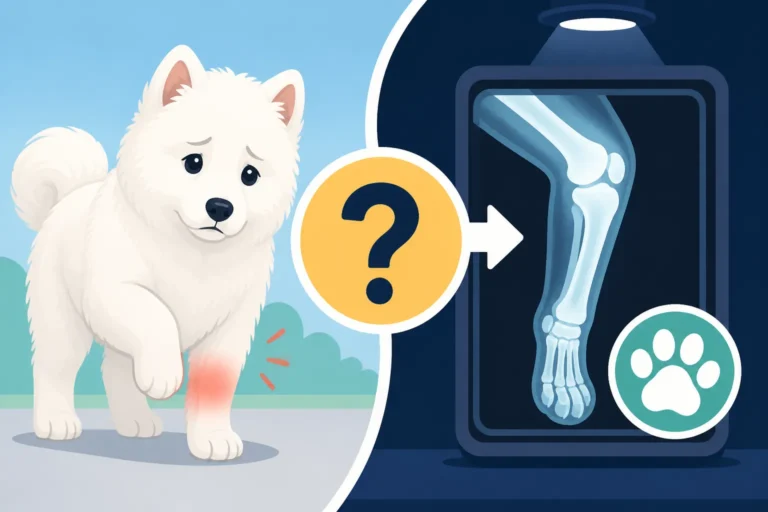
One common orthopedic concern is Hip Dysplasia, a condition where the hip joint doesn't form correctly, leading to looseness, pain, and eventually arthritis. While it can be managed, severe cases can significantly impact a dog's mobility and comfort, especially as they age. Reputable breeders screen their dogs through organizations like the Orthopedic Foundation for Animals (OFA) to minimize the risk. You can learn more about this condition in our article Hip Dysplasia in a Samoyed.
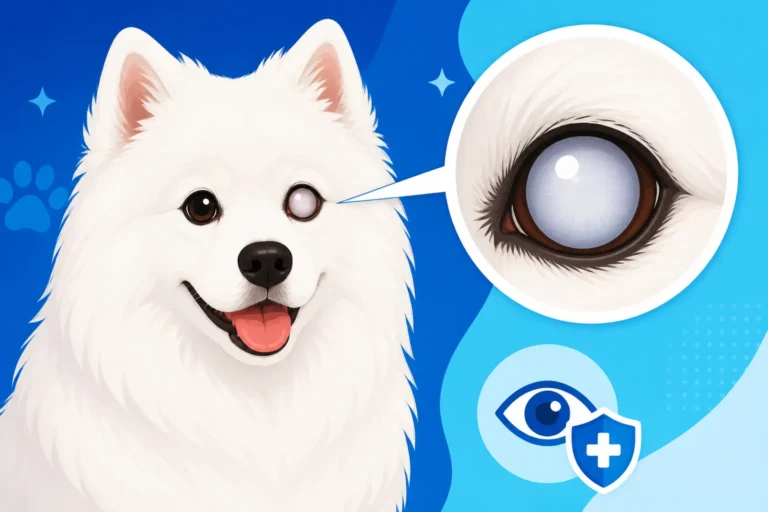
Eye diseases are another area of concern. Progressive Retinal Atrophy (PRA) is a group of degenerative diseases of the retina that can lead to blindness. While often not life-threatening, it dramatically impacts a dog's quality of life. Regular eye exams by a veterinary ophthalmologist and genetic testing where available are crucial. Our post Progressive Retinal Atrophy in a Samoyed offers more details on this.
Additionally, heart conditions like Aortic Stenosis can be found in some Samoyed lines. This is a narrowing of the aorta, the main artery leaving the heart, which forces the heart to work harder. In severe cases, it can lead to heart failure or sudden death. Breeders should have their dogs cleared by a veterinary cardiologist, often through OFA cardiac exams. For a deeper understanding of this specific heart issue, check out Aortic Stenosis in a Samoyed.
Finally, Diabetes Mellitus is also seen in Samoyeds. While not strictly genetic in all cases, there can be a predisposition. This endocrine disorder affects the body's ability to produce or respond to insulin, leading to high blood sugar. It requires lifelong management with insulin injections and diet.
The Role of DNA Testing and Responsible Breeding
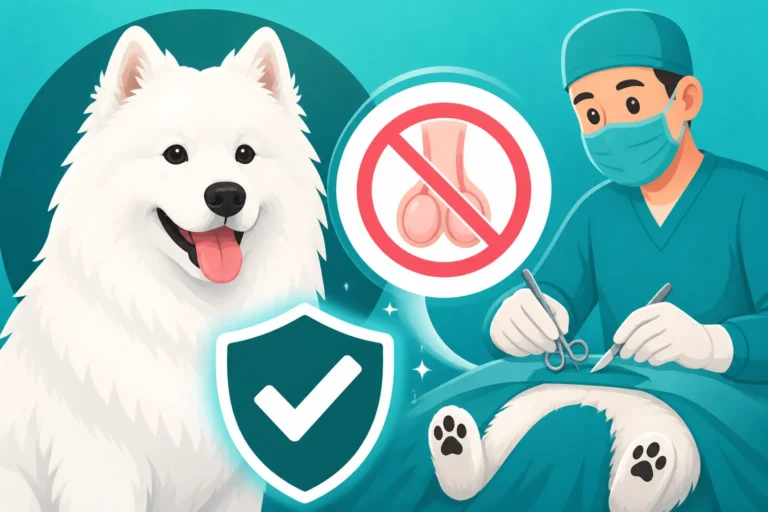
The existence of these genetic health challenges underscores the critical importance of DNA testing and responsible breeding practices. For Samoyed Hereditary Glomerulopathy (SHG), a specific DNA test is available to identify carrier females and affected males. This empowers breeders to avoid mating carrier females with any stud, thereby preventing the birth of affected male puppies.
Beyond SHG, reputable breeders will also perform a battery of other health clearances on their breeding stock. These typically include OFA certifications for hips and elbows, eye certifications through the Canine Eye Registry Foundation (CERF) or similar organizations, and cardiac evaluations by a board-certified cardiologist. Some might also test for other conditions like progressive retinal atrophy if a specific test is available for the breed. These tests aren't a guarantee against all future health issues, but they significantly reduce the risk of inheriting known genetic conditions that can shorten a Samoyed's life or severely impact its quality.
As a prospective puppy owner, it's your right and responsibility to ask for proof of these health clearances for both parents of any litter you are considering. A transparent breeder will be happy to show you official certificates and discuss the health history of their lines. This commitment to health screening is a hallmark of responsible breeding and is one of the most powerful tools we have in striving for longer, healthier lives for our beloved Samoyeds. It is an investment that pays dividends in the joy and longevity of your future family member.
Nurturing Longevity Through Daily Care and Lifestyle
Beyond genetics, the day-to-day choices we make as Samoyed owners profoundly impact their health and longevity. From what they eat to how they exercise and where they live, a holistic approach to care can add years to their lives and improve the quality of every single one of them.
Optimal Nutrition for Every Life Stage
Just like us, a Samoyed's nutritional needs change throughout their life, and feeding them appropriately is a cornerstone of good health. What you feed your fluffy friend matters immensely, contributing to everything from a healthy coat to strong bones and proper organ function.
For puppies, the focus is on controlled growth. High-quality puppy food designed for large breeds is essential, providing the right balance of protein, fat, and minerals to support healthy bone and muscle development without promoting excessively rapid growth, which can contribute to orthopedic issues like hip and elbow dysplasia. Overfeeding a puppy can be detrimental, so stick to recommended portion sizes and monitor their body condition closely.
As they mature into adults, their diet shifts to maintenance. A high-quality adult dog food with appropriate protein levels and balanced nutrients will support their energy needs and overall health. Samoyeds can sometimes be prone to weight gain, especially if not adequately exercised, so monitoring caloric intake and maintaining an ideal body weight is crucial. Obesity significantly increases the risk of various health problems, including joint issues, heart disease, and diabetes. Our article Feeding a Samoyed That May Become Diabetic provides excellent insights into dietary considerations that can help prevent such conditions.
For senior Samoyeds, dietary adjustments become even more critical. They typically have lower calorie needs, but may benefit from diets higher in easily digestible protein and fiber, with added joint support (like glucosamine and chondroitin). Many senior dog foods are formulated with these needs in mind, helping to manage age-related conditions and maintain muscle mass. Regardless of age, always ensure fresh water is readily available.
Exercise: Balancing Activity and Joint Health
Samoyeds are active dogs bred for working, and they thrive on regular exercise. However, the type and amount of exercise need to be carefully considered for their joint health, especially during their growth phases and as they age.
For Samoyed puppies, controlled exercise is key. While they have bursts of energy, their bones and joints are still developing. Intense, high-impact activities like prolonged running on hard surfaces, excessive jumping, or forced long walks should be avoided. Instead, focus on shorter, frequent play sessions, supervised romps in the yard, and gentle walks on varied terrain. Over-exercising a growing puppy can put undue stress on their developing joints and exacerbate conditions like hip or elbow dysplasia later in life. Activities like pulling, which Samoyeds are naturally inclined to do, should also be introduced cautiously and at the appropriate age. For more on this, our post on Whether a Samoyed Should Pull a Sled is a great resource.
Adult Samoyeds require a good amount of daily activity to stay physically and mentally fit. This could include long walks, hiking, jogging (once fully grown), securely fenced park play, or even dog sports like agility, canicross, or carting. Aim for at least 60-90 minutes of moderate to vigorous exercise daily. Regular exercise helps maintain a healthy weight, strengthens muscles supporting joints, and provides mental stimulation, all contributing to a longer, healthier life. A bored Samoyed can also become a destructive Samoyed!
As Samoyeds enter their senior years, their exercise needs will naturally decrease. While they still need activity to maintain muscle tone and joint flexibility, the intensity and duration should be scaled back. Shorter, more frequent walks, gentle swimming, and mental enrichment games become more appropriate. Listen to your dog and adjust activities based on their comfort level and any emerging health conditions like arthritis.
Environmental Considerations: Climate and Comfort
The Samoyed's glorious double coat is a marvel of nature, perfectly adapted for the harsh, frigid Arctic environments where they originated. This incredible coat provides insulation against extreme cold, but it also does a surprisingly good job of insulating them against heat. However, living in an "American Summer" can still be a significant challenge for a Samoyed.
In warmer climates, managing your Samoyed's heat exposure is paramount for their health and longevity. They are highly susceptible to overheating, which can quickly become a life-threatening emergency. Providing a cool environment is non-negotiable. This means air conditioning in your home during hot months, access to cool, shaded areas outdoors, and plenty of fresh, cool water. Many Samoyed owners find that a simple kiddie pool in the yard provides a wonderful way for their dogs to cool off. Avoid exercising them during the hottest parts of the day; early mornings and late evenings are much safer. Remember, shaving a Samoyed's coat is almost always a bad idea, as it disrupts their natural insulation and can make them more prone to sunburn and actually worse at regulating heat. For an in-depth look at how their unique coat functions and strategies for hot weather, check out our guide, A Samoyed Built for Sixty Below in an American Summer.
Beyond temperature, providing a comfortable and safe living environment is key. A secure yard to prevent escapes (Samoyeds are notorious for their Houdini-like abilities!) and a clean, stimulating indoor environment where they feel part of the family are crucial for their mental well-being. Ensuring they have comfortable bedding, especially as they age, and a quiet space to retreat to, contributes to their overall health and happiness, reducing stress and promoting restorative rest.
The Lifesaving Power of Regular Veterinary Care
Perhaps one of the most impactful things you can do to ensure your Samoyed lives a long and healthy life is to commit to consistent, proactive veterinary care. Your veterinarian is your partner in managing your Samoyed's health, from puppyhood through their golden years.
Routine Check-ups and Preventative Screenings
Just like annual physicals for people, regular veterinary check-ups are essential for your Samoyed. For adult dogs, this usually means a yearly visit, but for puppies and senior dogs, more frequent visits might be recommended. These appointments aren't just for vaccinations; they're an opportunity for a thorough head-to-tail examination.
During these routine visits, your vet will check your Samoyed's weight, listen to their heart and lungs, palpate their abdomen, examine their teeth and gums, and assess their overall body condition. They will also discuss appropriate vaccination schedules, parasite prevention (heartworm, fleas, ticks), and any behavioral or health concerns you might have noticed. Blood work and urinalysis are also critical tools, especially as your Samoyed ages. These tests can reveal early signs of organ dysfunction, such as kidney or liver disease, before clinical symptoms even appear. For instance, detecting protein in the urine can be an early indicator of kidney issues, making our article Why a Samoyed's Urine Should Be Tested Young particularly relevant. Catching these changes early allows for intervention, which can significantly slow the progression of diseases and extend your Samoyed's healthy years.
Preventative care is far more effective and often less costly than treating a full-blown illness. By staying on top of these routine checks and screenings, you're not just reacting to problems; you're actively working to prevent them and catch them at their most treatable stages.
Early Detection: Catching Problems Before They Worsen
Samoyeds are notoriously stoic, masters at hiding pain or discomfort behind their characteristic "Sammy smile." This incredible resilience, while admirable, can make it challenging for owners to detect illness until it's quite advanced. This is why being attuned to subtle changes in your dog's behavior, appetite, and energy levels is so crucial.
Any shift from your Samoyed's normal routine warrants attention. Is their appetite less enthusiastic? Are they drinking more water than usual, or perhaps less? Is their energy level lower, or are they reluctant to engage in activities they once loved? Are they limping slightly after a walk, or having difficulty getting up after a nap? Even subtle changes in their stool, urination frequency, or coat quality can be early warning signs. Our article How a Samoyed Hides Illness Behind a Smile delves into the nuances of recognizing these understated signals.
If you notice anything out of the ordinary, don't hesitate to contact your veterinarian. It’s always better to err on the side of caution and have something checked out, even if it turns out to be nothing serious. Early detection of conditions like cancer, kidney disease, diabetes, or arthritis can lead to more effective treatment options, better prognoses, and ultimately, more comfortable and longer lives for our Samoyeds. Your vigilance as an owner, combined with your vet's expertise, forms the most powerful team for early detection.
The Value of Pet Insurance
Let's be realistic: veterinary care, especially for serious illnesses or emergencies, can be incredibly expensive. This financial burden can sometimes force difficult decisions on pet parents when their beloved Samoyed needs advanced diagnostics, specialized treatments, or long-term medication. This is where pet insurance, like plans offered by Healthy Paws, can be a genuine lifesaver for your Samoyed’s longevity and your peace of mind.
Having a good pet insurance policy means that when a sudden illness, accident, or chronic condition arises, you can focus on making the best medical decisions for your Samoyed, rather than worrying about the astronomical cost. Imagine your Samoyed develops an aggressive cancer or requires surgery for a torn ligament. Without insurance, these bills can easily run into thousands of dollars. With a comprehensive plan, a significant portion of those costs can be reimbursed, making advanced care more accessible.
Many pet insurance policies, including those from providers like Healthy Paws, cover accidents, illnesses, surgeries, emergency care, specialist visits, and prescription medications. Some even offer wellness plans for routine care. While there might be exclusions for pre-existing conditions, getting a policy when your Samoyed is young and healthy ensures coverage for future unexpected issues. This allows you to say "yes" to MRI scans, chemotherapy, or specialized dietary interventions that can extend and improve your Samoyed’s life, without the agonizing financial strain. Investing in a robust pet insurance plan is truly investing in the potential for a longer, healthier, and less stressful journey with your fluffy companion. It empowers you to give your Samoyed the very best medical care throughout their lifespan, ensuring that cost doesn't dictate critical health decisions.
Recognizing and Responding to the Signs of Aging
No one wants to think about their vibrant Samoyed slowing down, but aging is an inevitable part of life. Understanding what to expect and how to interpret the subtle changes can help you provide the best possible care as your furry friend enters their senior years.
Behavioral and Physical Changes as a Samoyed Ages
As Samoyeds approach the 9-year mark, they typically enter their senior years, and with this phase come a variety of changes, both physical and behavioral. Recognizing these changes early is crucial for maintaining their comfort and quality of life.
Physically, you might notice your Samoyed moving a bit slower, perhaps having more difficulty getting up from a lying position, or being less eager for long walks. Their once boundless energy might wane, replaced by more frequent naps and a general decrease in activity levels. Their beautiful white coat might thin slightly, become coarser, or even show some yellowing or graying, particularly around the muzzle and eyes. Weight changes are also common; some Samoyeds may gain weight due to decreased activity, while others might lose weight due to underlying health issues. Their senses might also decline, with hearing loss or vision impairment becoming noticeable. You might find yourself needing to clap louder or use hand signals to get their attention, or they might bump into objects more frequently, especially in unfamiliar environments. If you’re looking for a more detailed breakdown, our guide Signs a Samoyed Is Getting Old covers these changes extensively.
Behaviorally, an aging Samoyed might become a little less tolerant of rambunctious children or other pets, simply because they tire more easily or are more prone to aches and pains. Some might develop what's known as Canine Cognitive Dysfunction (CCD), similar to Alzheimer's in humans. Signs of CCD include disorientation, changes in sleep-wake cycles (waking up more at night), decreased interaction with family members, house-soiling accidents, and increased anxiety. They might seem confused or stare blankly at walls. These changes aren't just "part of old age" but can often be managed or slowed with veterinary intervention and environmental adjustments.
Addressing Age-Related Health Issues
The golden years often bring a higher incidence of health issues. Being proactive in addressing these conditions can significantly improve your senior Samoyed's comfort and extend their healthy lifespan.
Arthritis is one of the most common ailments in older dogs, including Samoyeds, affecting joints like hips, elbows, and spine. You might notice stiffness, lameness, reluctance to jump or climb stairs, or even changes in gait. Management typically involves pain medication, anti-inflammatory drugs, joint supplements (like glucosamine and chondroitin), physical therapy, and maintaining a healthy weight to reduce stress on joints. Providing soft, supportive bedding and ramps can also make a huge difference in their daily comfort. Our article on Joint Supplements for a Samoyed provides practical advice on choosing the right support for aging joints.
Dental disease can become severe with age, leading to pain, infection, and even impacting organ health if bacteria from the mouth enter the bloodstream. Regular dental cleanings under anesthesia are often necessary to keep their mouths healthy. Organ function decline, particularly of the kidneys, liver, and heart, is also common. Regular senior blood panels and urinalysis become even more critical to monitor these organs. Early detection of kidney issues, for instance, can lead to dietary changes and medications that significantly slow the disease's progression.
Diabetes is another condition that can manifest in older Samoyeds, requiring daily insulin injections and careful dietary management. Regular check-ups can help monitor for signs like increased thirst and urination, which are classic indicators. Many of these conditions, while challenging, can be managed effectively with a dedicated veterinary team and a loving home environment, allowing your Samoyed to enjoy a good quality of life well into their senior years.
Supporting Your Senior Samoyed for Their Golden Years
As your Samoyed transitions into their senior years, their needs will shift. Providing targeted support and making appropriate adjustments to their environment and routine can make a profound difference in their comfort, happiness, and continued good health.
Adapting the Home Environment
Just as we modify our homes for aging family members, making small changes for a senior Samoyed can vastly improve their quality of life. Think about their mobility and comfort first and foremost.
One of the simplest yet most impactful adaptations is providing comfortable, orthopedic bedding. Hard floors can exacerbate joint pain, so a thick, supportive bed that cushions their aging joints is a must. Placing several beds in their favorite resting spots ensures comfort is always within reach. Consider adding ramps or steps to help them access furniture they still enjoy, like the couch or bed, or even to get into and out of the car. This reduces strain on their hips and knees.
For slippery floors, like tile or hardwood, consider adding non-slip rugs or runners in high-traffic areas. This provides better traction, reducing the risk of slips and falls that could lead to injury. Ensure their food and water bowls are easily accessible, perhaps elevated if bending down becomes difficult. If their vision or hearing is declining, try to keep furniture arrangements consistent and avoid startling them. A nightlight can also help disoriented dogs navigate at night. These thoughtful adjustments demonstrate your love and commitment, allowing your Samoyed to age gracefully within the comfort of their familiar home.
Tailoring Diet and Exercise for Seniors
Just as your Samoyed's body changes, so too do their dietary and exercise requirements. Adapting these aspects of their care is crucial for maintaining their health in their golden years.
When it comes to diet, senior Samoyeds often have slower metabolisms and may be less active, meaning their caloric needs decrease. Continuing to feed them an adult formula at the same quantity can lead to unhealthy weight gain, which puts extra strain on aging joints and organs. Transitioning to a high-quality senior dog food, formulated with lower calories, appropriate protein levels to maintain muscle mass, and sometimes added joint-supporting nutrients like glucosamine and chondroitin, is often beneficial. Always consult your vet for personalized dietary recommendations, especially if your Samoyed has specific health conditions like kidney disease or diabetes that require specialized diets. Many older Samoyeds also benefit from omega-3 fatty acid supplements, which can help with joint health and cognitive function. Our article Caring for a Samoyed Past Nine delves into these and other aspects of senior care.
Exercise for a senior Samoyed should prioritize comfort and consistency over intensity. Gone are the days of marathon hikes or vigorous sledding (unless they're one of those rare super-seniors!). Instead, focus on shorter, more frequent walks on soft surfaces. Gentle strolls around the neighborhood or slow swims can help maintain muscle tone, joint flexibility, and mental stimulation without overexertion. Always pay close attention to your Samoyed's cues; if they seem tired, sore, or reluctant to move, it's time to rest. These modified activities still provide essential enrichment and help prevent boredom, which can lead to behavioral issues.
Maintaining Mental Engagement
While physical activity may decrease, a senior Samoyed's mind still needs stimulation to stay sharp and engaged. Mental enrichment is just as important as physical health for a good quality of life.
Puzzle toys and interactive feeders are excellent tools. These require your Samoyed to use their brain to figure out how to get treats or their meal, preventing boredom and keeping their cognitive functions active. Simple sniff games, where you hide treats around the house, can also be incredibly engaging and satisfying for them, tapping into their natural canine instincts without requiring much physical exertion.
Gentle training sessions using positive reinforcement can also be very beneficial. Reviewing basic commands or teaching new, simple tricks can keep their minds sharp and reinforce your bond. Consistency in routine is particularly important for senior dogs, especially those showing signs of cognitive decline. A predictable schedule for meals, walks, and potty breaks can reduce anxiety and confusion. Keep their environment stable and introduce changes gradually. Even just spending quiet time together, offering gentle massages, or brushing their coat can provide comforting mental and emotional engagement, reminding them they are cherished members of the family.
The Enduring Bond: Cherishing Every Moment
The journey with a Samoyed is filled with immense joy, laughter, and unconditional love. As they age, this bond deepens, and while the thought of eventually saying goodbye is painful, understanding how to cherish their final years and navigate grief is part of responsible and loving ownership.
Understanding Quality of Life
One of the most difficult responsibilities of a Samoyed owner is assessing their dog's quality of life, particularly as chronic conditions progress or new illnesses arise. It's a conversation no one wants to have, but it's essential for ensuring our beloved companions live out their days with dignity and comfort.
Quality of life isn't just about whether your Samoyed is eating or able to walk; it's about their overall happiness, comfort, and ability to engage with life in meaningful ways. Are they still able to enjoy their favorite activities, even if modified? Are they free from chronic, unmanageable pain? Do they still show interest in food, family, and their surroundings? Is there more good days than bad? These are questions you'll need to discuss honestly with your veterinarian, who can offer an objective perspective on their physical condition and prognosis. There are also quality-of-life assessment tools and questionnaires available online (such as those from Lap of Love or Ohio State University's Honoring the Bond program) that can help you evaluate various aspects of your Samoyed's daily experience. Our article Knowing When an Old Samoyed Has Had Enough offers guidance on these tough decisions.
Ultimately, making end-of-life decisions is a deeply personal choice, driven by love and a desire to prevent suffering. It's an act of kindness to release them from pain when all other options have been exhausted.
Grief and Remembrance
The bond with a Samoyed is profound, and losing them, whether suddenly or after a long illness, brings immense grief. This grief is a natural and valid response to the loss of a cherished family member, and it's important to allow yourself to feel and process it.
There's no single "right" way to grieve, and everyone's experience is unique. Some find comfort in talking about their Samoyed, sharing memories with friends and family who understood their bond. Others might find solace in rituals, like holding a small memorial, creating a photo album, or planting a tree in their memory. Don't be surprised if your grief comes in waves, or if you feel a deep ache months or even years later. The love you shared leaves a lasting imprint.
Many resources are available to help navigate pet loss, including support groups, online forums, and grief counseling services. Organizations like the Association for Pet Loss and Bereavement offer support and connection with others who understand. Remembering the joy your Samoyed brought into your life, the way they made you laugh with their antics, and the unconditional love they offered, can eventually bring comfort. Though their physical presence is gone, the love and memories endure, a testament to the beautiful 12 to 14 years (or more!) you shared with your magnificent white fluffball.
Disclaimer
This article is intended for informational purposes only and does not constitute veterinary advice. Always consult with a qualified veterinarian for any health concerns or before making any decisions about your Samoyed's care, diet, or treatment plan. Individual needs and conditions may vary.