Whether Human Insulin Is Cheaper for a Samoyed
Bringing a Samoyed into your life means opening your heart to boundless joy, endless floof, and sometimes, the stark reality of unexpected health challenges. One of the most daunting can be a diabetes diagnosis, which often comes with the added stress of lifelong insulin injections and the associated costs. It’s natural to wonder if there are ways to ease that financial burden, and the question of whether human insulin is a cheaper alternative for your beloved companion is one many Samoyed owners wrestle with, hoping to find a sustainable path forward without compromising care. This guide will explore the complexities of insulin for dogs, comparing veterinary and human formulations, and discussing the crucial factors beyond just price.
Understanding Your Samoyed's Unique Insulin Needs: It's Not Just a Human Problem
When your Samoyed receives a diabetes diagnosis, it's a lot to take in. You're suddenly faced with a daily regimen of injections, diet changes, and constant monitoring. It's a journey, to be sure, and understanding why your Samoyed needs insulin, and what kind, is the first step toward managing it effectively. Remember that dogs, despite sharing some physiological similarities with humans, are unique beings with specific metabolic needs.
The Science Behind Canine Diabetes
Canine diabetes, much like type 1 diabetes in humans, is typically an insulin-deficiency condition. This means your Samoyed's pancreas isn't producing enough insulin, or any at all, to properly regulate blood sugar. Insulin is a hormone that allows glucose (sugar) from food to enter cells, where it's used for energy. Without enough insulin, glucose builds up in the bloodstream, leading to a host of health issues, including excessive thirst, urination, weight loss despite a good appetite, and eventually, more severe complications like cataracts or even a life-threatening condition called diabetic ketoacidosis. If you're noticing Signs a Samoyed Has Become Diabetic, it's critical to see your vet immediately.
Insulin Types Specifically Formulated for Dogs
For many years, veterinarians relied on human-grade insulin for dogs, simply because canine-specific options weren't widely available. However, in recent decades, several insulins have been developed and approved specifically for veterinary use, recognizing that canine metabolism can differ. These insulins are often pork-based, as pork insulin is chemically very similar to canine insulin. This similarity can lead to a more predictable and consistent response in dogs, which is absolutely critical for managing blood sugar levels safely and effectively. The goal is to keep your Samoyed's blood glucose within a healthy range, avoiding both dangerously high (hyperglycemia) and dangerously low (hypoglycemia) levels. Consistency is truly the key to Managing a Diabetic Samoyed.
The Daily Commitment to Insulin Injections
Regardless of the type of insulin, managing a diabetic Samoyed is a daily, often twice-daily, commitment. This means precise dosing, careful timing relative to meals, and consistent monitoring. It's not something you can just set and forget. Many Samoyed owners quickly learn Whether a Samoyed Owner Can Learn to Inject Insulin – and the good news is, most do, becoming quite adept at it. But the type of insulin, its concentration, and how long it acts in your dog's system are all factors determined by your vet, based on what will provide the most stable control for your individual Samoyed.
Comparing Human and Veterinary Insulins: More Than Just the Price Tag
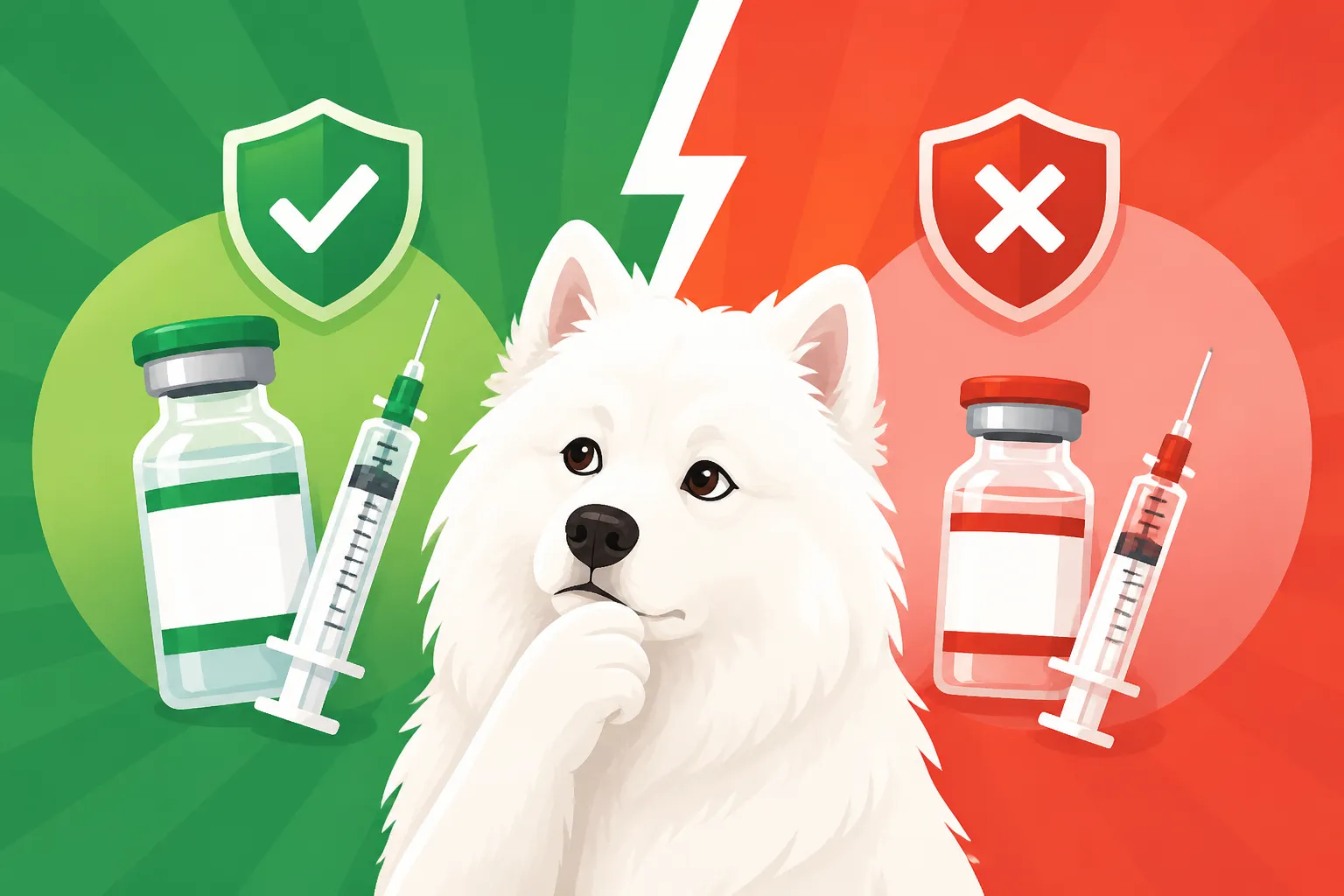
The sticker shock of veterinary insulin can be very real, leading many Samoyed owners to wonder about human insulin. While human insulin can be cheaper per vial, it's not a straightforward switch, and there are many factors beyond the initial price that need to be carefully considered with your veterinarian.
Why Human Insulin Seems Appealingly Cheaper
Let's be honest: when you're looking at ongoing costs like What Insulin Costs for a Diabetic Samoyed every single month, the idea of a cheaper alternative is incredibly tempting. Human insulins, particularly older formulations like NPH (intermediate-acting) or regular (short-acting) insulin, are often more readily available at human pharmacies and can indeed have a lower upfront cost per vial compared to some veterinary-specific insulins. For many families, this seems like a potential lifeline, offering a way to continue essential treatment without breaking the bank. The perception is that insulin is insulin, and if it works for people, it should work for dogs, especially given their similar physiology.
The Critical Differences in How Insulins Work in Dogs
Here's where it gets complicated: while chemically similar, the pharmacokinetics (how the body absorbs, distributes, metabolizes, and excretes a drug) of human insulin in dogs can be quite different from how it acts in humans, or even how veterinary-specific insulin acts in dogs.
- Duration of Action: Many human insulins, especially the faster-acting ones, don't last as long in a dog's system as they do in a human's. This means that a dose of human NPH insulin, which might last 12-24 hours in a person, could only be effective for 6-8 hours in a dog. This shorter duration makes achieving stable blood glucose control incredibly difficult and often requires more frequent injections, which increases stress on both you and your Samoyed.
- Peak Effect: The peak effect of human insulin—when it's most potent at lowering blood sugar—can also be unpredictable in dogs. This unpredictability increases the risk of serious complications, particularly hypoglycemia (dangerously low blood sugar), which can be life-threatening.
- Concentration: Most human insulins come in a U-100 concentration (100 units per milliliter), requiring U-100 syringes. Many veterinary insulins, like Vetsulin, are U-40 (40 units per milliliter) and require U-40 syringes. Using the wrong syringe for the insulin concentration you have is a recipe for disaster, as it can lead to severe under or overdosing. This seemingly small detail is absolutely critical and a common point of error.
Navigating the Prescription and Supply Chain
Even if your veterinarian approves the use of human insulin for your Samoyed, you'll still need a prescription. While you might purchase it at a human pharmacy, it's still a prescribed medication and requires veterinary oversight. The availability can also vary, and you might find yourself needing to shop around. For specific veterinary insulins and supplies, online pet pharmacies or large retailers like Chewy often carry them, sometimes at competitive prices. However, always ensure you're getting your supplies from reputable sources.
The Hidden Risks and Practical Challenges of Using Human Insulin for Your Samoyed
While the appeal of cost savings is strong, opting for human insulin for your Samoyed without fully understanding the risks and practical challenges can lead to serious health complications for your furry friend. Your veterinarian’s expertise in this area is invaluable.
Dosage Inaccuracies and Hypoglycemic Risk
One of the most significant dangers of using human insulin in a Samoyed is the increased risk of inaccurate dosing and, subsequently, hypoglycemia. As mentioned, the duration and peak action can be wildly different. If a human insulin acts faster or more potently than expected in your dog, their blood sugar could plummet to dangerously low levels. Signs of hypoglycemia include weakness, lethargy, disorientation, trembling, seizures, and even coma. This isn't just a mild inconvenience; it's a veterinary emergency that can lead to permanent brain damage or death. The exact dosing for a diabetic Samoyed is determined through careful monitoring, often involving glucose curves where blood sugar is measured every few hours over a day, like What a Glucose Curve Involves for a Samoyed. Deviating from prescribed insulin or changing types without veterinary approval can render all that careful monitoring useless and put your Samoyed at grave risk.
Variability in Absorption and Blood Glucose Control
Another challenge is the variability in absorption. Different formulations of human insulin might be absorbed differently by a dog's body, leading to unpredictable blood glucose levels. Some days, the insulin might work perfectly, and other days, it might not be absorbed as effectively, leading to high blood sugar. This inconsistency makes it incredibly difficult to achieve stable control, which is the cornerstone of managing canine diabetes. Chronic high blood sugar can lead to long-term complications, but wildly fluctuating levels are even more dangerous. Your vet wants to see a nice, steady curve, not a rollercoaster. This stability is why dedicated veterinary insulins, designed for canine metabolism, are often preferred.
The Importance of Veterinary Guidance and Monitoring
Choosing an insulin type and dosage for your Samoyed is not a DIY project. It absolutely requires close collaboration with your veterinarian. They have the knowledge to understand the nuances of different insulin types, predict their effects in dogs, and adjust dosages based on your Samoyed's individual response. Regular vet visits are essential, especially in the initial stages of diagnosis and whenever insulin type or dosage changes. This includes bloodwork and often follow-up glucose curves or even the use of continuous glucose monitors to ensure the chosen insulin is working effectively and safely. You'll need to discuss all options with your vet, including the pros and cons of human versus veterinary insulins, and together, decide on the best course of action for your Samoyed's health and your family's circumstances.
Beyond Insulin: Holistic Strategies for Managing a Diabetic Samoyed's Expenses
While insulin is the cornerstone of treatment for a diabetic Samoyed, managing the condition effectively also involves looking at the bigger picture, including diet, consistent monitoring, and financial planning. Focusing solely on the price of insulin without considering these other factors can lead to higher costs down the line due to complications.
Dietary Management and Its Impact on Insulin Needs
Diet plays a colossal role in managing canine diabetes. A consistent, high-fiber, moderately fat, and complex carbohydrate diet can help stabilize blood sugar levels, potentially reducing the overall insulin requirement and making blood glucose easier to manage. Your vet will likely recommend a specific prescription diet, or at least guide you toward commercial options suitable for diabetic dogs. Brands like Purina Pro Plan Veterinary Diets, Royal Canin Veterinary Diet, or even homemade plans developed with a veterinary nutritionist might be discussed. Sometimes, a high-quality, consistent fresh food diet, like those offered by Ollie, can be beneficial if carefully balanced and approved by your vet, as the consistency in ingredients can help with blood sugar regulation. A consistent diet makes the insulin's job much easier. If you're wondering Whether a Diabetic Samoyed Needs a Prescription Diet, the answer is often yes, or at least a very carefully controlled one.
The Role of Regular Monitoring and Vet Visits
Managing a diabetic Samoyed is a marathon, not a sprint, and it requires ongoing monitoring. This includes regular glucose curves, often performed at home or at the veterinary clinic, and routine check-ups. Your vet will want to perform Whether a Samoyed Needs Yearly Kidney Bloodwork and other tests to ensure there are no secondary complications. These visits and tests come with costs, but they are absolutely essential for preventing much more expensive emergencies, like diabetic ketoacidosis. Consistent monitoring allows your vet to make informed adjustments to your Samoyed's insulin dosage, ensuring their long-term health and stability. Here's a quick look at factors affecting daily management:
| Factor | Veterinary-Specific Insulin (e.g., Vetsulin) | Human Insulin (e.g., NPH) |
|---|---|---|
| Typical Cost | Often higher per vial | Often lower per vial |
| Duration of Action | Formulated for dogs, often better duration (e.g., 10-14 hours) | Shorter duration in dogs (e.g., 6-8 hours) |
| Peak Effect | More predictable and consistent in dogs | Less predictable, higher risk of sudden drops |
| Concentration | Often U-40 (requires U-40 syringes) | Typically U-100 (requires U-100 syringes) |
| Availability | Vet clinics, specialized pet pharmacies, online retailers (e.g., Chewy) | Human pharmacies (with vet prescription) |
| Veterinary Stance | Generally preferred for consistency and safety | Used with extreme caution, often as a last resort or if specific criteria met |
| Risk of Hypoglycemia | Lower if dosed correctly | Higher due to unpredictable kinetics |
Considering Pet Insurance for Long-Term Conditions
The long-term costs of managing a condition like diabetes can be substantial. This is where pet insurance can truly be a lifesaver. Many reputable pet insurance providers, like Healthy Paws, offer policies that can help cover a significant portion of the costs associated with chronic conditions, including insulin, syringes, vet visits, and monitoring tests. It's crucial to understand that most pet insurance plans have waiting periods and typically don't cover pre-existing conditions. So, if your Samoyed is already diagnosed with diabetes, it might be challenging to get coverage for that specific illness. However, if you have a young Samoyed, or one without pre-existing conditions, getting a policy in place early can provide immense peace of mind should a diagnosis like diabetes occur later in life. It's definitely something to consider as part of your overall financial planning for your furry family member. What Thirteen Years With a Samoyed Comes To includes preparing for these possibilities.
The question of whether human insulin is cheaper for a Samoyed is complex, extending far beyond the price per vial. While the upfront cost might be lower, the potential for unstable blood glucose, increased risks of hypoglycemia, and the need for more frequent and potentially more expensive emergency vet visits due to complications can quickly negate any initial savings. Your Samoyed's health and quality of life are paramount, and making decisions about their medical care should always be done in close consultation with your trusted veterinarian. They will help you weigh the financial aspects against the crucial factors of safety, efficacy, and consistent blood sugar control to ensure your beloved Samoyed lives as full and healthy a life as possible with diabetes.
Disclaimer
This article is for general informational purposes only and does not constitute professional advice. Laws, prices and regulations vary by location and change over time. Consult a qualified professional for guidance on your specific situation.