Why a Samoyed Should Never Get Fatty Table Food
It’s so tempting, isn’t it? Those big, soulful Samoyed eyes looking up at you from under that cloud-like fur, especially when you’re enjoying a delicious meal. We all know that look. It’s hard to resist sharing a little morsel, a tiny taste of whatever delight you’re indulging in. But when it comes to fatty table food, even a small bite can spell big trouble for your beloved Samoyed. This guide is here to walk you through exactly why those seemingly harmless scraps can be a real health hazard for your furry friend, particularly focusing on their sensitive digestive systems and the long-term risks involved.
The Unique Vulnerabilities of a Samoyed's Digestive System
Samoyeds, like all dogs, have digestive systems designed for a relatively consistent diet, usually one rich in animal protein and moderate in fat. They aren't built for the rich, varied, and often highly processed foods that make up our human meals. When we introduce fatty table foods, we're not just giving them a treat; we're often throwing their delicate system into disarray, sometimes with severe consequences.
Samoyeds and Pancreatitis: A Real and Present Danger
One of the most immediate and terrifying risks of feeding fatty table food to your Samoyed is pancreatitis. The pancreas is a vital organ nestled near the stomach, responsible for producing enzymes that aid in digestion and hormones like insulin. When it becomes inflamed – a condition known as pancreatitis – these digestive enzymes can start attacking the pancreas itself. This isn't just a stomachache; it's an incredibly painful, serious, and potentially life-threatening condition.
Imagine your Samoyed suddenly becoming lethargic, refusing to eat, vomiting repeatedly, and experiencing severe abdominal pain. It's heartbreaking to witness. The classic trigger for acute pancreatitis is a sudden intake of high-fat food. Think about that greasy piece of bacon, the fatty rind from your steak, or even the skin from a chicken. While your Samoyed might gobble it down happily, their pancreas might react violently. Some breeds seem to be more susceptible to pancreatitis, and while Samoyeds aren't always listed as the absolute top of the list, they are definitely not immune, and any dog can develop it. The severity can range from mild, requiring veterinary supervision and dietary changes, to severe hemorrhagic pancreatitis, which can be fatal. It's a risk simply not worth taking for a moment of shared indulgence. Why Pancreatitis Precedes Samoyed Diabetes touches on another related health concern.
Beyond Pancreatitis: The Cascade of Health Issues
Even if your Samoyed doesn't develop acute pancreatitis from a fatty treat, the continuous feeding of high-fat table food can contribute to a range of other chronic health problems. Our dogs thrive on consistency, and their commercial diets are carefully formulated to provide balanced nutrition. Introducing fatty, unbalanced human foods throws off that delicate balance.
Firstly, there's the obvious concern of weight gain. Samoyeds are incredibly fluffy, and it can be deceptively easy for them to put on extra pounds under all that glorious coat. Feeling for Ribs Under a Samoyed's Coat is a really helpful article on how to tell if your Samoyed is carrying too much weight. Extra fat, whether from table scraps or overfeeding their regular kibble, can lead to obesity. Obesity, in turn, is a gateway to a host of other health problems, including joint issues like arthritis (especially for a large, active breed like a Samoyed), heart disease, respiratory problems, and even certain types of cancer.
Secondly, a diet high in fat can contribute to gastrointestinal upset beyond just pancreatitis. We're talking about chronic diarrhea, constipation, or simply a consistently "off" stomach. Their systems aren't designed to process the complex ingredients and seasonings found in many human foods. Think about all the spices, onions, garlic (both toxic to dogs!), and high sodium content in our meals. These can cause anything from mild indigestion to severe poisoning. Over time, an inconsistent diet can also lead to nutrient deficiencies or excesses, as you're unknowingly disrupting the careful balance of their regular dog food.
Finally, there’s the increased risk of metabolic diseases like diabetes. While Whether a Samoyed's Diabetes Is Genetic is an important read, diet plays a huge role in management and prevention. A diet consistently high in fat can stress the pancreas over time, impacting its ability to produce insulin effectively. This can pave the way for insulin resistance and, eventually, full-blown diabetes mellitus. Managing a diabetic Samoyed is a significant commitment, involving daily insulin injections, strict dietary control, and regular veterinary check-ups. It's a lifelong condition that drastically alters your dog's life and your own.
What Constitutes "Fatty" and Why It's So Appealing (and Dangerous)
It's easy to think of "fatty" as just fried foods or obvious chunks of lard. But in our human diets, fat hides in so many places, often in dishes we consider perfectly healthy for ourselves. This makes it particularly dangerous for our Samoyeds, as we might inadvertently share something we believe is benign.
The Hidden Fats in Our Everyday Meals
Many common human foods, even those we eat regularly, contain levels of fat that are simply too high for a dog's digestive system to handle safely, especially in large quantities or as an abrupt addition to their diet. Let's break down some of the most common culprits:
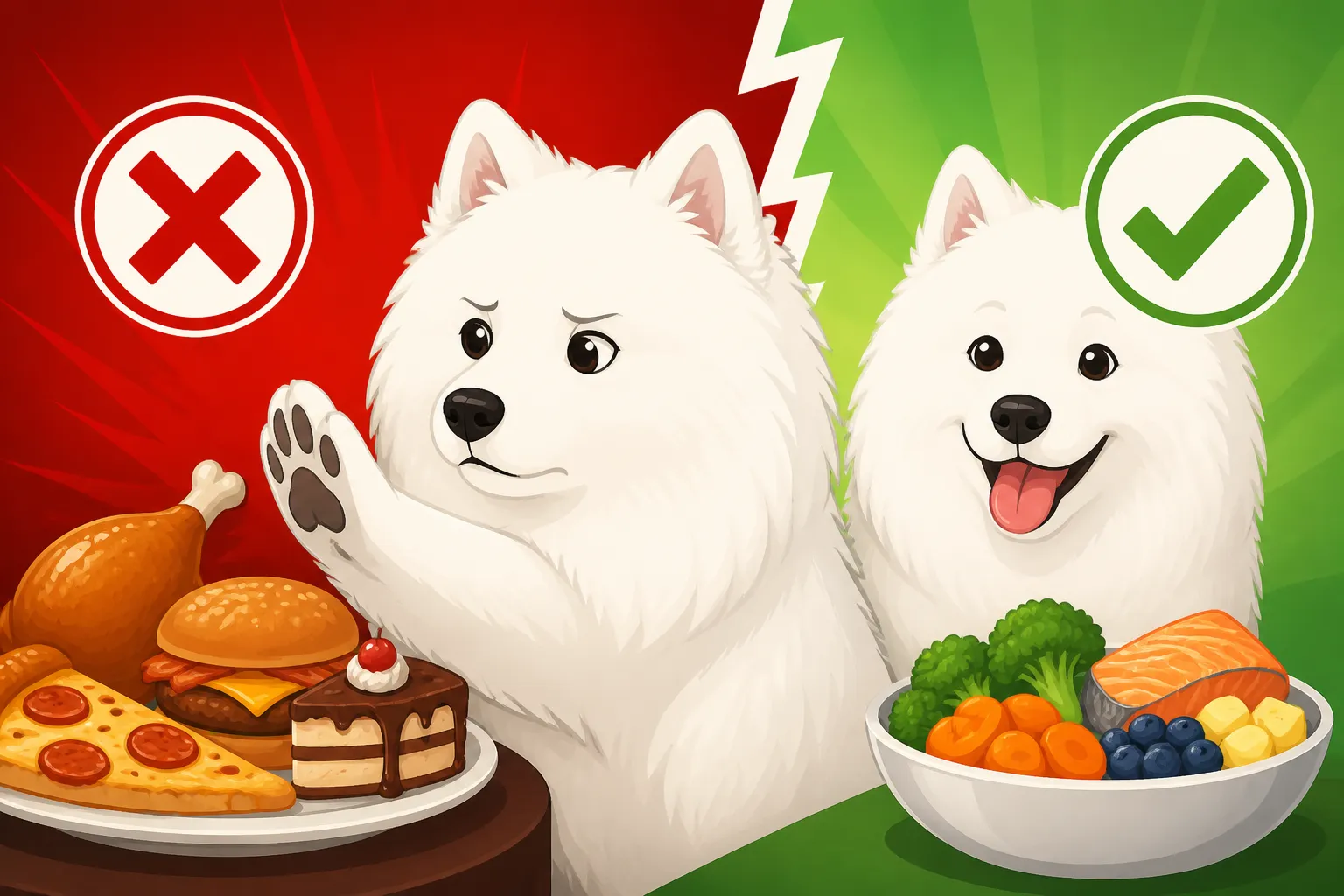
- Meat Scraps with Visible Fat: This is a big one. Those delicious bits of steak fat, chicken skin, pork crackling, or bacon drippings are incredibly appealing to dogs but are concentrated sources of fat that can easily trigger pancreatitis.
- Dairy Products: While a small lick of plain yogurt might be okay for some dogs, many Samoyeds, like other breeds, are lactose intolerant. High-fat dairy like cheese, ice cream, or creamy sauces can cause digestive upset and contribute to pancreatitis due to their fat content.
- Baked Goods and Desserts: Cakes, cookies, pastries, and donuts are not only laden with sugar but also packed with butter, oils, and other fats. Not to mention potential toxic ingredients like chocolate or xylitol.
- Processed Meats: Hot dogs, sausages, pepperoni, and deli meats are often very high in fat and sodium. They are also usually packed with seasonings and preservatives that are not good for dogs.
- Gravies and Sauces: These are almost universally high in fat and often contain onions, garlic, and excessive salt, making them a triple threat.
- Oils and Butters: Any food cooked in a significant amount of oil or butter, even vegetables, can be too rich. A piece of plain, boiled chicken is fine; the same piece sautéed in butter is not.
- Avocado: While technically a fruit, avocado contains a substance called persin that can be toxic to some animals. More importantly, it's very high in fat, which can still cause digestive issues for dogs.
It's not just about the obvious greasy bits; it's about understanding the entire composition of your meal before even considering sharing a minuscule piece.
Why Dogs Love It (and Why We Give In)
Dogs are opportunistic scavengers by nature, and their noses are far more powerful than ours. That enticing aroma of your dinner, especially anything rich and savory, is practically irresistible to them. They see us enjoying it, and their instinct tells them it must be good. The reward center in their brain lights up when they get a taste of something delicious and fatty, making them eager for more. This is why it’s so easy for them to learn to beg.
And let's be honest, we're often the problem, not them. We love our Samoyeds fiercely, and seeing their happy, expectant faces can melt even the strongest resolve. We want to share our lives with them, and for many, sharing food feels like an act of love. It’s a human tendency to equate giving food with affection. We might feel guilty leaving them out, or we might just enjoy the temporary satisfaction of seeing them happy. Perhaps we're clearing our plates and it just feels easier to dump a little into their bowl. This emotional connection makes it incredibly hard to say no.
However, true love for your Samoyed means prioritizing their health and well-being over a momentary feel-good exchange. That moment of shared food could lead to days or weeks of pain, anxiety, and expensive vet bills. What an Emergency Visit for Samoyed Ketoacidosis Costs gives a stark example of how quickly things can escalate financially. It’s important to remember that they don't understand the long-term consequences; they only understand the immediate gratification. It's our job as responsible owners to protect them from themselves.
Safer Snacking and Responsible Feeding Practices for Your Samoyed
Thankfully, avoiding fatty table food doesn't mean your Samoyed has to live a life devoid of treats or special moments. There are plenty of safe, healthy ways to show your love and manage their diet responsibly.
Approved Treats and Healthy Alternatives
Instead of reaching for your plate, consider keeping a stash of dog-safe, low-fat human foods or specially formulated dog treats. This way, you can still share a moment without the risk. Here are some excellent options:
- Plain Cooked Lean Meats: Small pieces of unseasoned, boiled chicken breast or turkey are fantastic, high-protein, low-fat treats. Make sure there are no bones!
- Fresh Vegetables: Many vegetables are safe and healthy for Samoyeds. Carrots, green beans, broccoli florets (in moderation), and sliced cucumbers are great. Avoid onions, garlic, and corn on the cob.
- Fruits (in moderation): Apple slices (without seeds), banana chunks, blueberries, and watermelon (seedless) can be delightful, refreshing treats. Be mindful of sugar content and always remove pits and seeds.
- Plain Pumpkin: Canned pumpkin (not pumpkin pie filling) is a fantastic source of fiber and can aid digestion. It's low in fat and often recommended for upset stomachs.
- Commercial Low-Fat Dog Treats: There are countless options available specifically designed for dogs. Look for treats labeled "low-fat" or "diet" if your Samoyed is prone to weight gain or has a sensitive stomach. You can easily find a wide variety of these options on reputable online pet supply retailers like Chewy or Amazon.
Always introduce new human foods in very small quantities to monitor for any adverse reactions. And remember, treats, even healthy ones, should only make up a small portion of their daily caloric intake.
Establishing Clear Boundaries and Training for Success
Preventing your Samoyed from getting fatty table food starts with consistent training and clear boundaries, not just for them, but for everyone in the household.
- No Table Scraps, Ever: Make this a non-negotiable rule for every family member and guest. One person sneaking a treat undermines everyone else's efforts. Consistency is key.
- "Go to Your Place" Training: Teach your Samoyed to go to their bed or mat and stay there calmly during meal times. Reward them with a designated dog treat after you’ve finished eating, when they are calm and in their place, not while you're at the table. This helps them associate good behavior with a reward, rather than associating begging with scraps.
- Crate Training for Meal Times: If managing begging is particularly challenging, crating your Samoyed during your meals can be a temporary solution. It removes the temptation for both of you and provides them with a safe, quiet space.
- Proper Waste Management: Ensure all trash cans have secure lids and are inaccessible to your Samoyed. Samoyeds are incredibly clever and persistent; an open trash can is an invitation to a treasure hunt, often yielding dangerous fatty scraps or bones. How a Samoyed Gets Out of Anything You Build is a testament to their Houdini-like abilities.
Prioritizing a Balanced, Species-Appropriate Diet
The cornerstone of your Samoyed's health is their daily diet. A high-quality, complete, and balanced commercial dog food should be their primary source of nutrition. Don't fall into the trap of thinking that feeding them human food is "better" or more natural. Commercial dog foods are formulated by veterinary nutritionists to meet all their specific needs.
- Choose a Reputable Brand: Consult with your veterinarian for recommendations on appropriate dog food brands that suit your Samoyed's age, activity level, and any specific health considerations. There are many excellent brands that prioritize quality ingredients.
- Stick to a Feeding Schedule: Consistent feeding times help regulate their digestive system and can aid in portion control. Whether a Samoyed Needs a Consistent Feeding Schedule explains this in more detail.
- Measure Portions Accurately: It's very easy to overfeed a Samoyed. Use a measuring cup to ensure you're giving them the correct amount of food as recommended by the manufacturer and your vet. Remember, a Samoyed's glorious coat can hide a multitude of sins, making it hard to notice gradual weight gain.
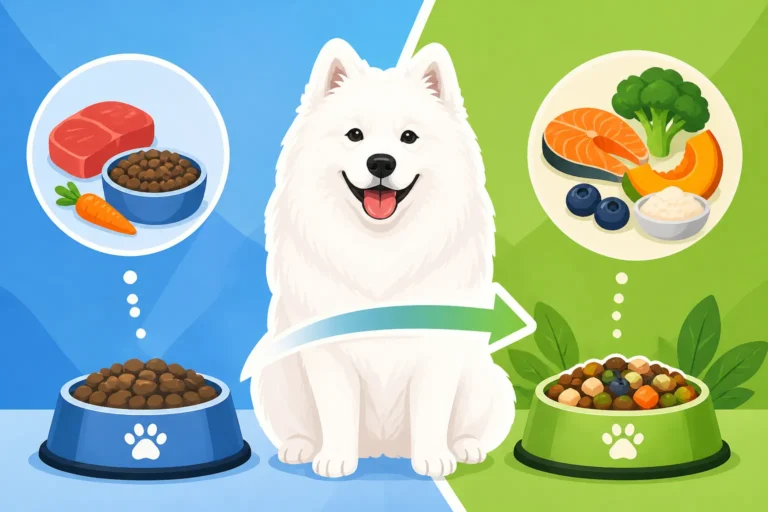
- Consider Fresh Food Options: If you're looking for alternatives to traditional kibble, some companies specialize in fresh, human-grade dog food that is nutritionally balanced. Services like Ollie, for instance, prepare meals with real ingredients that are formulated for dogs, giving you peace of mind that your Samoyed is getting wholesome food without the hidden dangers of human table scraps. Always transition slowly to new foods to avoid upsetting their stomach.
- Discuss Supplements with Your Vet: Before adding any supplements, including fish oil or joint support, always discuss it with your veterinarian. While some can be beneficial, others might not be necessary or could even interact negatively with their diet or medications.
By being diligent and thoughtful about what goes into your Samoyed's bowl and what doesn't come off your plate, you're not denying them anything. You're giving them the gift of a long, healthy, and happy life, free from the pain and complications that fatty table food can bring.
Here's a quick look at some common foods and their fat content implications for your Samoyed:
| Human Food Item | Typical Fat Content | Risk for Samoyed | Safer Dog-Friendly Alternative |
|---|---|---|---|
| Bacon/Sausage | Very High | Pancreatitis, obesity, high sodium | Small pieces of unseasoned, boiled chicken or turkey |
| Cheese | High | Pancreatitis, lactose intolerance | Small amounts of cottage cheese (low fat) or plain yogurt (sugar-free) |
| Fried Chicken Skin | Very High | Pancreatitis, choking hazard | Skinless, boneless, boiled chicken breast |
| Butter | Very High | Pancreatitis, obesity | N/A (avoid adding to dog's food) |
| Ice Cream | High | Pancreatitis, lactose intolerance, sugar | Frozen banana slices, plain ice cubes, or dog-specific frozen treats |
| Pizza (crust/cheese/oil) | High | Pancreatitis, high sodium, garlic/onion spices | Plain, unseasoned whole wheat cracker (very small amount) |
| Gravy/Sauces | High | Pancreatitis, toxic ingredients (onion/garlic) | Plain, low-sodium broth (check ingredients carefully) |
| Avocado | High | Pancreatitis, persin toxicity | Small pieces of apple (no seeds), carrot, or green beans |
| Cake/Cookies | High, Sugar | Obesity, diabetes, toxic ingredients (chocolate, xylitol) | Dog biscuits, plain unsweetened pumpkin puree |
| Fatty Steak Trimmings | Very High | Pancreatitis | Lean steak, cooked plain, cut into small, boneless pieces |
Disclaimer
This article is for general informational purposes only and does not constitute professional advice. Laws, prices and regulations vary by location and change over time. Consult a qualified professional for guidance on your specific situation.