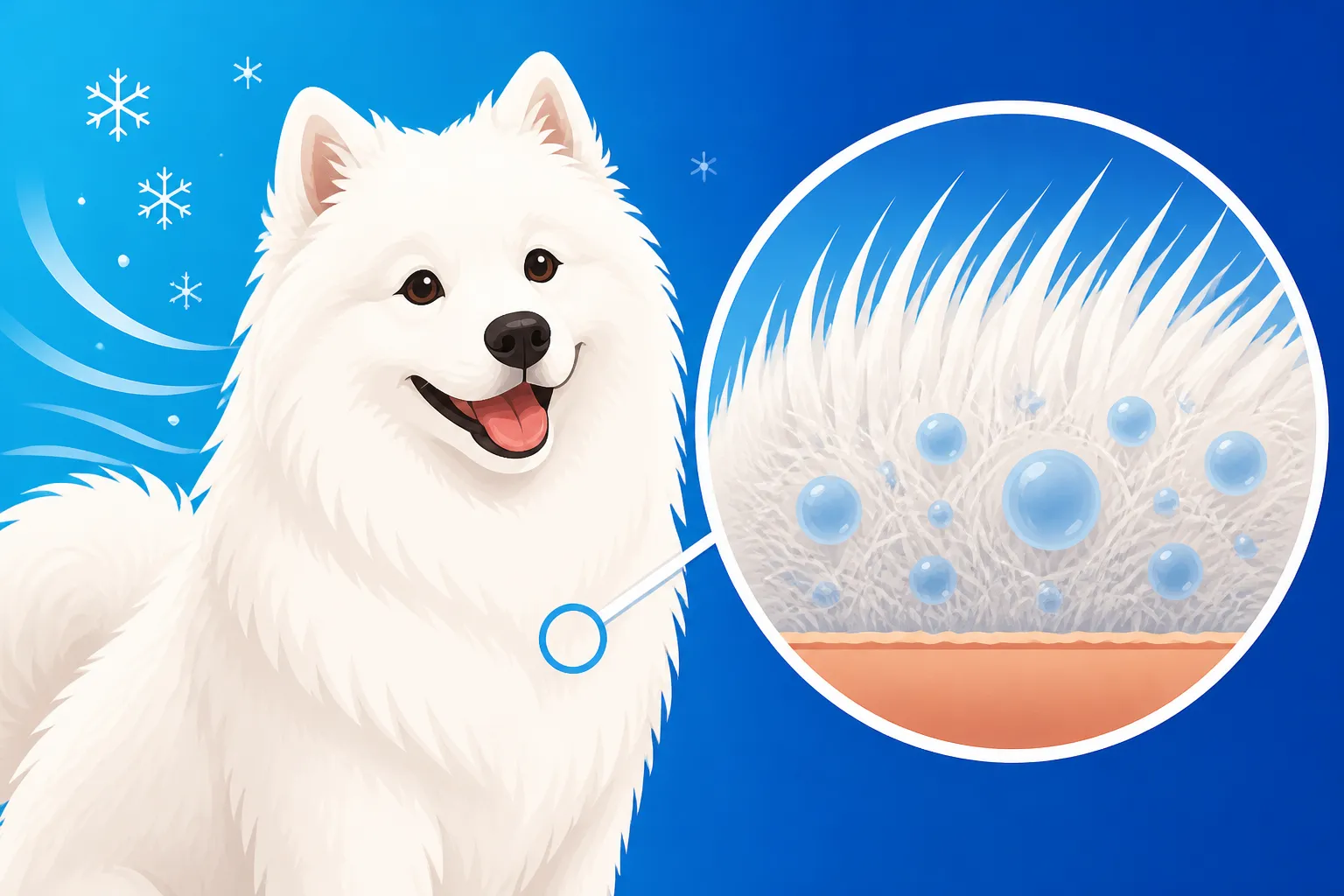
Whether a Samoyed’s Undercoat Traps Air
One of the most common questions I hear from fellow Samoyed owners, especially those new to the breed, revolves around their magnificent coat. It's truly a marvel, but it also brings a lot of confusion, particularly when the mercury starts to rise. Many wonder if that thick, fluffy undercoat is just a burden in warmer weather or if it actually serves a purpose beyond keeping them warm in sub-zero temperatures. This guide will dive deep into the unique properties of your Samoyed's double coat, explaining precisely how its undercoat traps air and why that's a critical, year-round function for their comfort and health.
The Marvel of the Samoyed's Double Coat
Understanding a Samoyed's coat isn't just about admiring its beauty; it's about appreciating a finely tuned piece of natural engineering. The term "double coat" is thrown around often, but what does it really mean for a Samoyed, and how does each layer contribute to their overall well-being, especially when it comes to temperature regulation? It’s far more complex and functional than many people realize, acting as a dynamic climate control system.
Two Distinct Layers: Guard Hairs and Undercoat
Your Samoyed's glorious white fluff isn't just one type of hair; it's a sophisticated system composed of two very different layers, each with its own crucial job. The outer layer consists of what we call "guard hairs." These are typically longer, coarser, and more straight hairs that form the visible protective shell of the coat. Think of them like the roof shingles on a house – designed to repel water, dirt, and direct sunlight. They’re sturdy and relatively easy to clean, which is why mud often just falls off a dry Samoyed!
Beneath this protective outer layer lies the true unsung hero: the dense, woolly undercoat. This layer is remarkably soft, short, and incredibly abundant, especially on a well-bred Samoyed. It’s what gives them that plush, cloud-like appearance and feel. The undercoat hairs are fine and crimped, designed to interlock and create a voluminous, insulating blanket next to the skin. This isn't just extra fluff; it’s the primary component in their natural thermoregulation system. This duality is why understanding the coat as a whole is so vital for their health and comfort, no matter the season.
How Undercoat Density and Texture Create Air Pockets
The magic of the Samoyed's undercoat lies in its unique structure and density. Those fine, crimped hairs don't just sit flat against the skin; they stand away from it, creating a myriad of tiny air pockets. Imagine millions of microscopic air bubbles trapped within a fluffy cloud. This isn't a solid barrier; it's a carefully constructed air trap. The sheer volume and resilience of these hairs mean they hold their loft, maintaining these air pockets even when your Samoyed is moving.
This trapped air is the key to insulation. Air is a poor conductor of heat. In simpler terms, it doesn't easily transfer heat. So, when the weather is cold, the air trapped in the undercoat prevents your dog's body heat from escaping into the frigid environment. It keeps their natural warmth close to their body, like a well-insulated thermos. Conversely, when it’s warm, this same trapped air prevents external heat from penetrating to their skin. It creates a thermal barrier, much like the insulation in your attic keeps your house cool in summer. This is why a Samoyed's coat insulates against heat as well as cold.
The Role of Trapped Air in Temperature Regulation
It’s a common misconception that a thick coat in summer must be uncomfortable, even cruel. But for a Samoyed, their coat is their most vital tool for regulating body temperature year-round. Far from making them hotter, a healthy, well-maintained coat, particularly the undercoat, helps them cope with warmer climates remarkably well.
Keeping Warm in Winter: The Insulating Layer
In the harsh, unforgiving winters of Siberia, where the Samoyed originated, survival depended entirely on their coat. The air trapped within that dense undercoat is their primary defense against bitter cold. When your Samoyed is out playing in the snow, that undercoat acts as a personal furnace, keeping their core body temperature stable even when temperatures plummet to sixty below. The fine, crimped hairs create a thick, insulating layer that slows down heat loss from their body.
Think about how a down jacket works for us. It’s not the feathers themselves that keep us warm, but the air trapped within the loft of the down. The same principle applies here. This means that a healthy, un-matted undercoat is essential for them to comfortably enjoy their natural environment, whether they are romping in a fresh snowfall or simply curled up for a nap on a chilly day. Without this natural insulation, they would struggle significantly in cold conditions, making proper coat care not just about aesthetics but about their fundamental ability to thrive. How a Samoyed Survives Sixty Below really highlights this incredible adaptation.
Staying Cool in Summer: The Protective Barrier
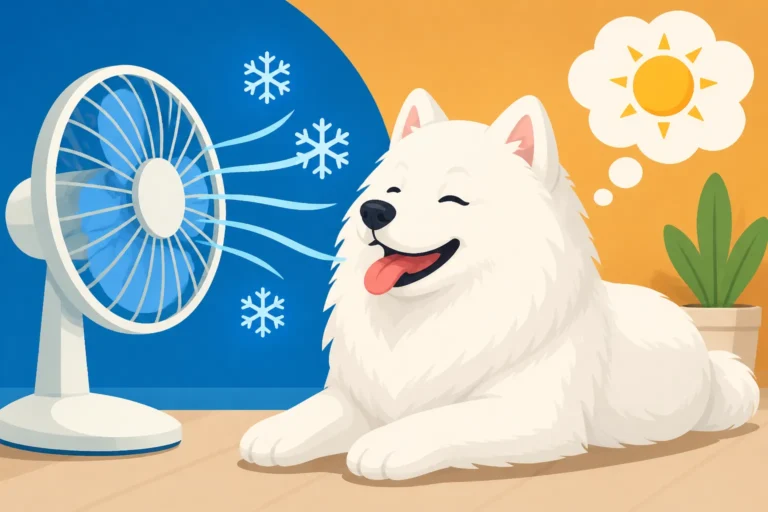
This is where the magic truly shines and often surprises new Samoyed owners. That same trapped air that keeps them warm in winter also keeps them cool in summer. It’s counter-intuitive to think that a thick coat helps in the heat, but it acts as a phenomenal thermal barrier, preventing external heat from reaching their skin. Imagine wearing a heavy, insulated suit in the desert; it protects you from the scorching sun. Your Samoyed's coat does something similar.
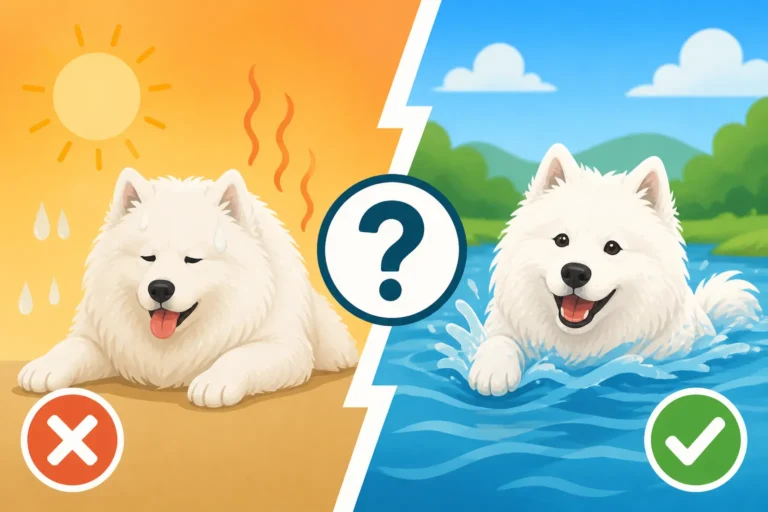
The outer guard hairs reflect sunlight, while the undercoat acts as a buffer against the ambient air temperature. The air trapped between the undercoat and the skin creates a microclimate that is often cooler than the surrounding environment. Without this barrier, the sun's rays would hit their skin directly, and the heat would be absorbed much faster, leading to overheating. This is why shaving a Samoyed makes the heat worse – you're removing their natural air-conditioned layer and exposing their delicate skin to direct sun, risking sunburn and rapid overheating. A Samoyed Built for Sixty Below in an American Summer offers more insight into this remarkable adaptation.
Maintaining the Undercoat's Air-Trapping Ability
The effectiveness of your Samoyed's undercoat in trapping air, and therefore regulating temperature, hinges entirely on its health and condition. A neglected coat can quickly lose its insulating properties, leaving your Samoyed vulnerable to both heat and cold. Proper grooming isn't just for looks; it’s fundamental to their health and comfort.
The Dangers of Matting and Neglect
When a Samoyed's undercoat becomes matted, those precious air pockets collapse. The hairs get tangled and pressed together, forming dense, felt-like clumps. These mats prevent air circulation, completely defeating the purpose of the double coat. Instead of acting as a breathable, insulating layer, a matted coat becomes a suffocating blanket, trapping moisture and heat against the skin. This can lead to serious skin issues like hot spots, infections, and even parasitic infestations because the skin underneath cannot breathe.
Furthermore, mats can be incredibly painful, pulling on the skin and restricting movement. They effectively eliminate the coat's ability to protect against temperature extremes. In summer, matted areas will cause your Samoyed to overheat much faster, as heat is trapped. In winter, cold and dampness can penetrate, leading to chilling. Consistent grooming is paramount to prevent this painful and dangerous situation.
Essential Grooming to Preserve Air Circulation
Regular, thorough grooming is non-negotiable for a Samoyed. The goal is to remove dead undercoat, prevent matting, and allow the healthy undercoat to maintain its loft and, thus, its air-trapping capability. This means more than just a quick brush over the topcoat. You need to get down to the skin.
Here's what that typically involves:
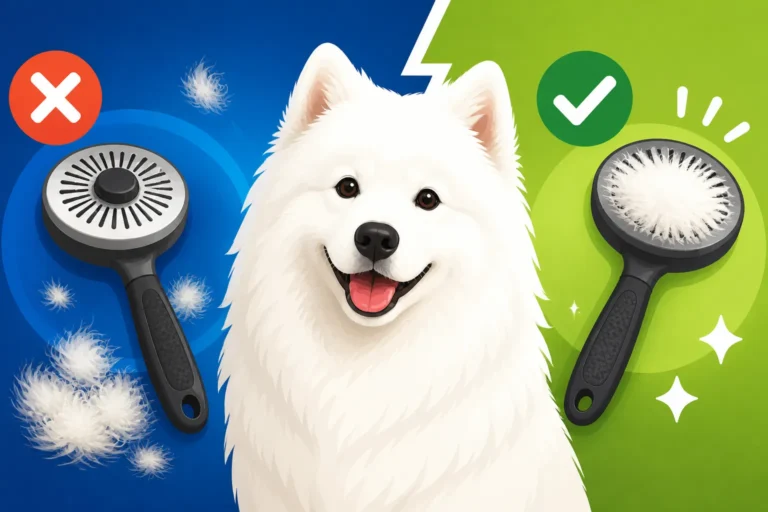
- Frequent Brushing: During regular times, brushing 2-3 times a week is ideal. During a "coat blow" (when they shed their entire undercoat), daily brushing is often necessary. Tools like a slicker brush and an undercoat rake are your best friends. You can find excellent options on
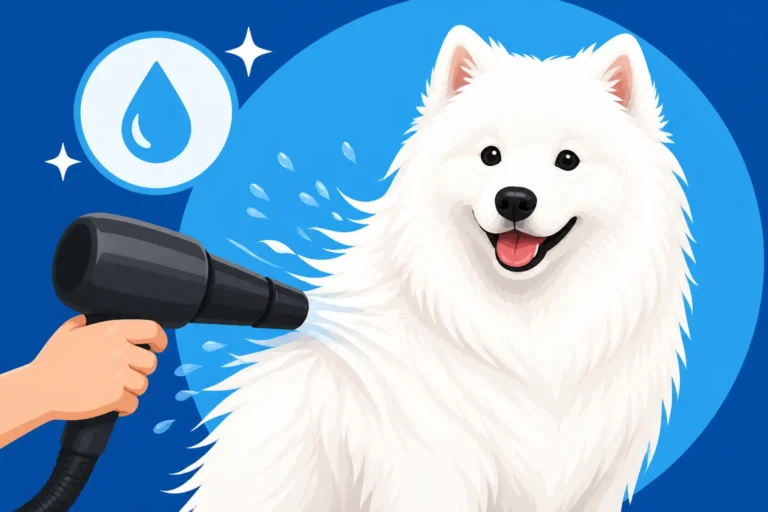
AmazonorChewy. The undercoat rake is specifically designed to reach deep into the coat and pull out dead, loose undercoat without damaging the guard hairs. How Often a Samoyed Needs Brushing goes into more detail. - Force Drying: After a bath, fully drying a Samoyed to the skin is crucial. A powerful force dryer (not a human hairdryer, which can burn their skin) blows out any remaining dead undercoat and helps to "fluff" the clean, healthy undercoat, restoring its insulating loft. This process is vital for ensuring the coat can trap air effectively. Drying a Samoyed to the Skin explains the technique.
- Nutrition: Believe it or not, what you feed your Samoyed also impacts coat health. A balanced diet rich in essential fatty acids can contribute to a healthier skin barrier and a stronger, more resilient coat. Brands like
Olliefocus on fresh, nutrient-dense ingredients that can support overall canine health, including skin and coat quality.
| Coat Layer | Description | Primary Function | Air Trapping Role |
|---|---|---|---|
| Guard Hairs | Long, coarse, straight, outer layer | Protection from elements (sun, rain, dirt) | Reflects solar radiation, forms outer shell |
| Undercoat | Dense, soft, woolly, crimped, inner layer | Insulation | Traps millions of air pockets against the skin |
By consistently engaging in these grooming practices and providing a good diet, you ensure that your Samoyed's magnificent undercoat can do its job properly, keeping them comfortable and safe in any weather.
Disclaimer
This article is for general informational purposes only and does not constitute professional advice. Laws, prices and regulations vary by location and change over time. Consult a qualified professional for guidance on your specific situation.